
Film
On a Clear Day You Can See Forever
- Magical realism
- Light-hearted
A romantic fantasy about a woman who can hear phones before they ring and regress into past lives under hypnosis. Streisand carries this Vincente Minnelli oddity with warmth and musical flair, moving between contemporary New York and centuries-old personas. It's peculiar, gorgeous to look at, and deeply committed to its own strangeness—perfect for anyone who loves old Hollywood's appetite for the unexplainable.
If you liked this
Singin' in the Rain1952
A joyful, technically dazzling musical that shares Minnelli's gift for transforming emotion into spectacle. The dance sequences have a dreamy, impossible quality that echoes Daisy's otherworldly nature.
But It's aggressively cheerful and the plot is slight. If you find classical musicals saccharine, this won't convert you.

Breakfast at Tiffany's1961
Another portrait of an unconventional woman in New York, equally fascinated by her contradictions and quirks. Audrey Hepburn brings the same blend of mischief and vulnerability that makes Daisy so magnetic.
But The film moves between comedy and pathos without always landing cleanly. Some tonal shifts feel abrupt.

The Poseidon Adventure1972
A similarly unashamed 70s spectacular, full of romance, spectacle, and characters discovering abilities they didn't know they had. Shares that era's willingness to embrace the melodramatic.
But It's a disaster film, so the plot is more mechanical. Emotional complexity takes a back seat to set pieces.
Not sure tonight? Get a pick in a minute, starting from On a Clear Day You Can See Forever
The wildcard
Something you would not have found on your own.
The Red Shoes1948
Both films use regression and transformation—dance/past lives—as the mechanism for revealing who a woman really is beneath social expectation.
Powell and Pressburger's masterpiece about a woman caught between two loves and two worlds, told through obsessively detailed dance sequences. Like *On a Clear Day*, it uses the fantastical to explore real emotional paralysis—the weight of choosing between versions of yourself.
But It's British Technicolor melodrama from 1948, which means the pacing is glacial and the emotion is operatic. Modern viewers often find it overwrought.
More like this (8)
Vertigo1958
A man becomes obsessed with a woman's alternate persona, trapped by love for who she becomes under mysterious circumstances. The thematic twin to this film, though far darker and more troubling.
But Hitchcock's masterpiece is psychologically harsh. There's no warmth to it, and the revelation is genuinely disturbing.
Funny Girl1968
Streisand's star-making role, proving she could carry a film while being wholly herself—brash, unpolished, magnetic. Shows the same refusal to be conventionally pretty that makes Daisy so alive.
But It's a straightforward biopic romance. If you want oddness and fantasy, this is grounded in real theatrical history.
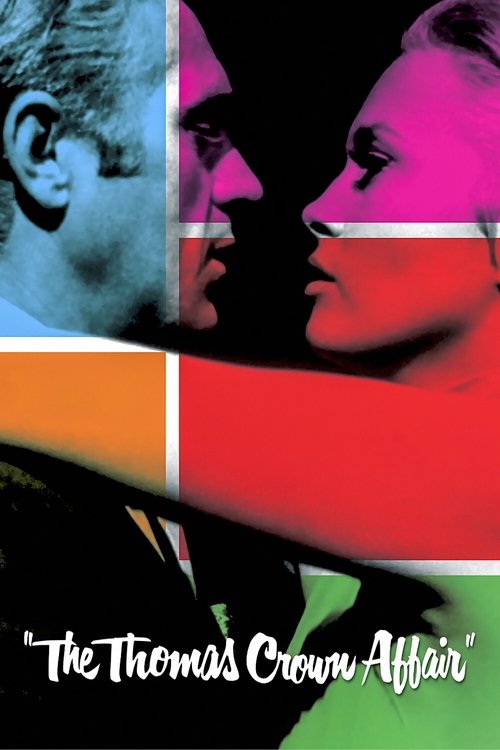
The Thomas Crown Affair1968
A sophisticated romance between two intelligent, slightly dangerous people, built on chemistry and psychological intrigue. The same elegant uncertainty about whether love or obsession is driving things.
But It's cooler and more cynical than *On a Clear Day*. The tone is controlled rather than exuberant.
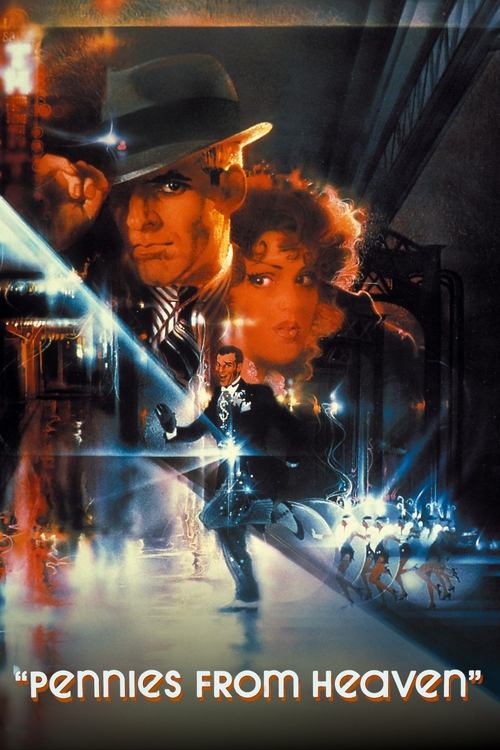
Pennies from Heaven1981
Another film about escaping into fantasy and past lives through music, starring Steve Martin as a man trapped between reality and dreams. It shares the melancholy lurking beneath the spectacle.
But It's much darker and more explicitly sexual. The fantasy sequences are intrusions, not escapes, and the ending is bleak.
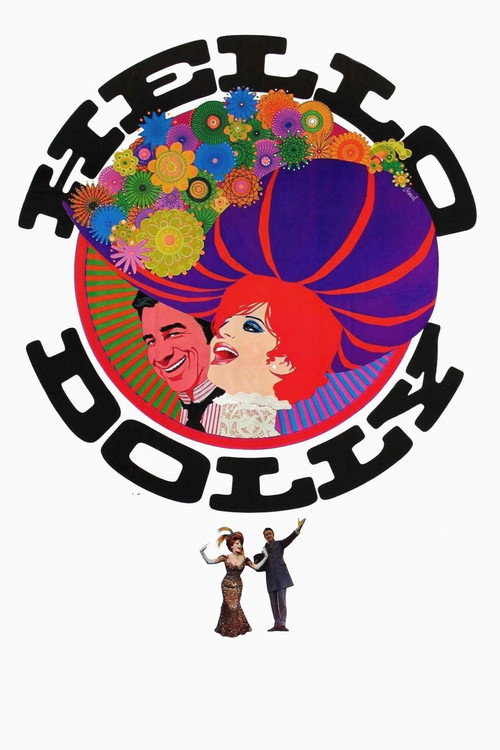
Hello, Dolly!1969
Streisand in her full theatrical glory, matchmaking and meddling in a candy-colored New York. Another Minnelli musical that refuses to be subtle, celebrating excess as a form of joy.
But The spectacle overwhelms character. It's all surface charm, which for some is exactly the problem.
Xanadu1980
A musical romance where a woman may or may not be supernatural, and the film seems genuinely unsure which. It has the same commitment to strangeness and the same willingness to let emotion drive plot logic.
But It's sincere about being weird in ways that most audiences find unintentionally funny. The film doesn't quite work, which is part of its charm and also its flaw.

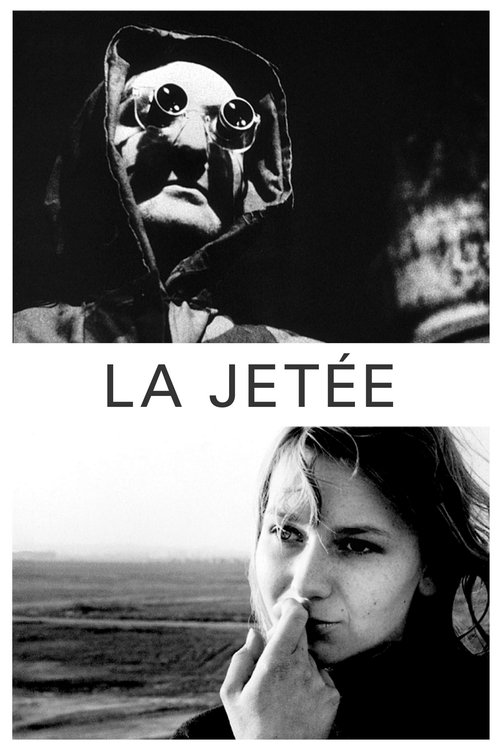
La Jetée1962
Both explore hypnotic regression as a lens into identity and desire, but *La Jetée* strips away all the musical-comedy glamour to find the existential terror underneath.
A 27-minute science fiction poem built almost entirely from still photographs, about a man traveling through time and regressing into memory and alternate lives. Hypnotic, devastating, and structured around the same question: which version of yourself is real?
But It's experimental and abstract. There's no plot in the conventional sense, and the entire film moves at dream-logic speed with minimal dialogue.
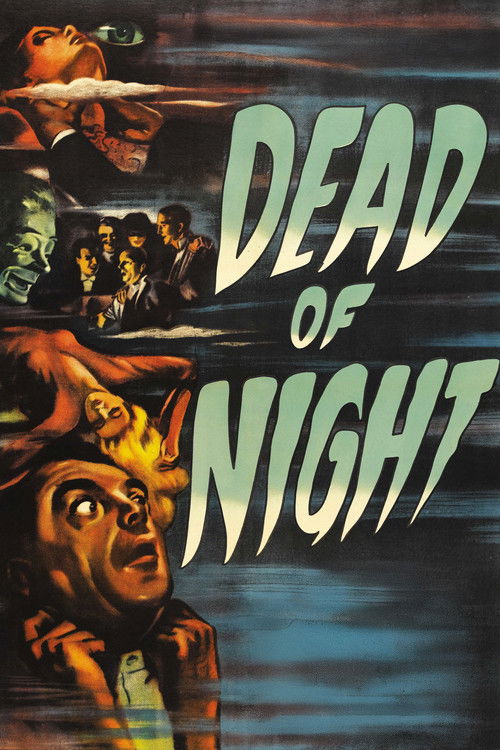
Dead of Night1945
Both use hypnotic or dream-like states to explore parallel identities, but *Dead of Night* suggests the experience is a trap or curse rather than a romantic gift.
A British horror anthology wrapped in a frame narrative where a man experiences past lives and alternate versions of reality in a single fevered evening. It has the same fascination with regression as a doorway, but uses it to explore dread instead of romance.
But It's a horror film from 1945, which means it's in black and white and moves slowly. The scares are psychological rather than visceral, which won't satisfy anyone wanting jumpscares.
People
Cast
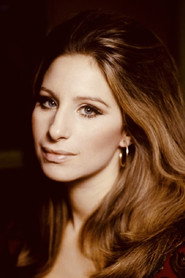 Barbra StreisandDaisy Gamble
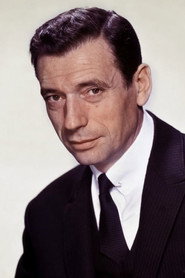 Yves MontandDr. Marc Chabot
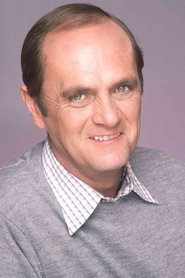 Bob NewhartDr. Mason Hume
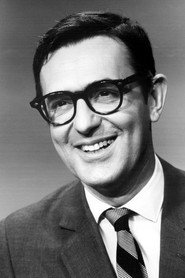 Larry BlydenWarren Pratt
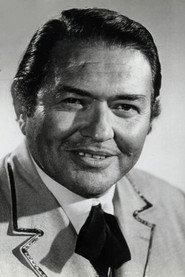 Simon OaklandDr. Conrad Fuller
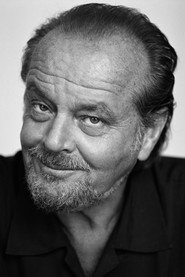 Jack NicholsonTad Pringle
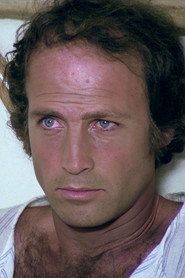 John RichardsonRobert Tentrees
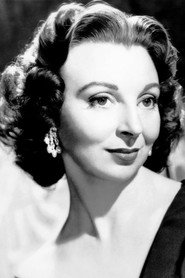 Pamela BrownMrs. Fitzherbert
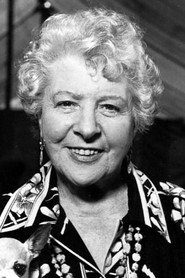 Irene HandlWinnie Wainwhisle
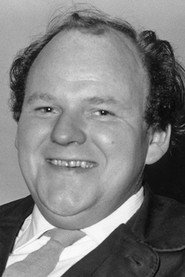 Roy KinnearPrince Regent
- Peter CrowcroftDivorce Attorney
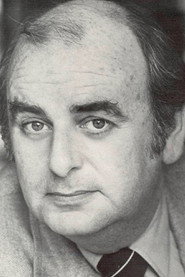 Byron WebsterProsecuting Attorney
Directing
- William McGarryAssistant Director
- William R. PooleAssistant Director
- John M. PoerAssistant Director Trainee
- Vincente MinnelliDirector
- Burt BluesteinFirst Assistant Director
- Richard DobsonSecond Assistant Director
Writing
- Alan Jay LernerLyricist
- Alan Jay LernerScreenplay
- Alan Jay LernerTheatre Play
Production
- Howard W. KochProducer
- Howard RoesselUnit Production Manager
- Sergei PetschnikoffUnit Production Manager