
Film
Godspell
A 1973 musical where Jesus and disciples pop through New York City in face paint and bright costumes, teaching parables through songs that veer from whimsy to genuine tenderness. It's loose, joyful, and unapologetically earnest—a film that feels like watching joy itself rehearse. For those hungry for unironic sweetness and the kind of theatricality that modern cinema has nearly forgotten.
Should you watch it?
Watch it if you love stage musicals that turn familiar scripture into scrappy pop and vaudeville, with a playful, sincere energy that doesn't mind looking silly.
Skip it if the sermon-like parables and cheerful, sun-washed sketch comedy may wear thin if you want a reverent, grounded take on the Gospels.
What it asks of you: Loose and episodic, it runs about an hour and forty minutes, mostly in sung numbers set against a bright New York street backdrop, so the songs have to carry it.
Not sure? Find tonight's pick in a minute.
If you liked this
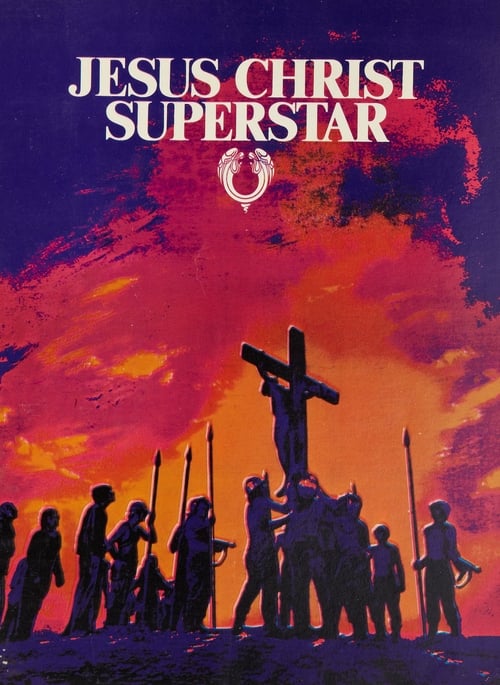
Jesus Christ Superstar1973
A rock opera with teeth: darker, angrier, more sexually charged than Godspell, but equally committed to making Christ's story visceral and immediate. Great songs and genuine complexity about faith and doubt.
But It's bleak and doesn't offer easy answers. The music is harder to love on first listen, and some find the tone nihilistic rather than liberating.
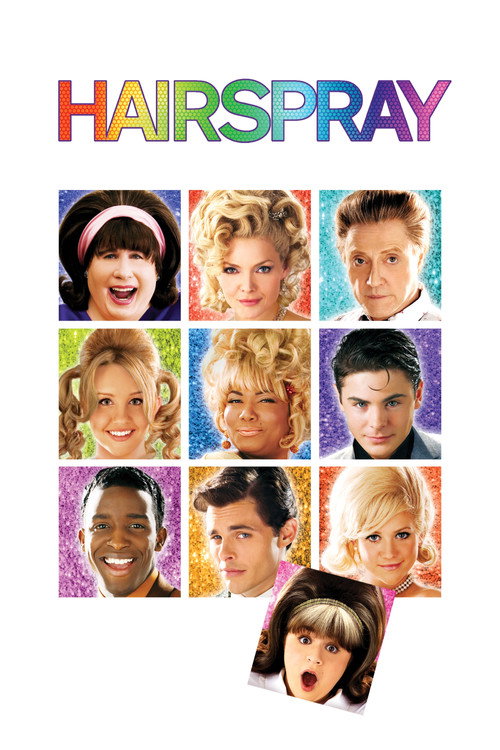
Hairspray2007
Waters' musical joy transplanted to 1960s Baltimore—same appetite for colour, outsiders, and infectious optimism. Every scene fizzes with life and the music propels the story rather than stopping it.
But It's relentlessly cheerful, and some viewers find that exhausting. The plot is thin; you're watching for the feeling, not the stakes.
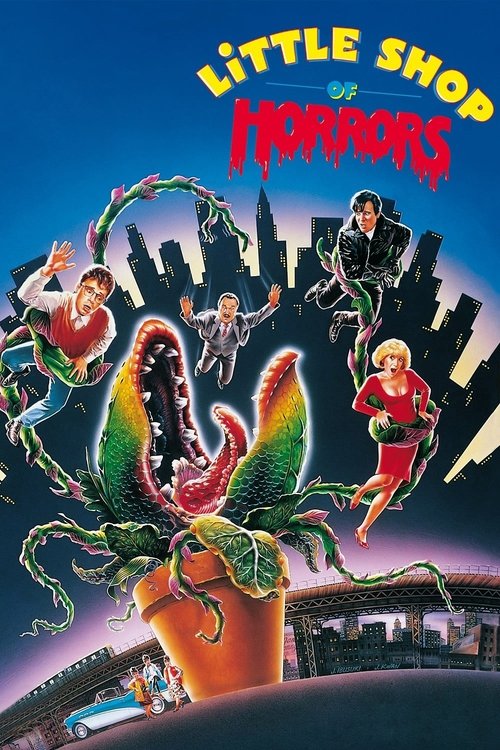
Little Shop of Horrors1986
A musical that balances genuine darkness with showstopping joy, clever jokes, and songs you'll hum for weeks. It respects both horror and happiness without letting either win completely.
But The tonal whiplash bothers some viewers. The ending divides people, and the film hasn't aged as smoothly as the stage version in some eyes.
Not sure tonight? Get a pick in a minute, starting from Godspell
The wildcard
Something you would not have found on your own.
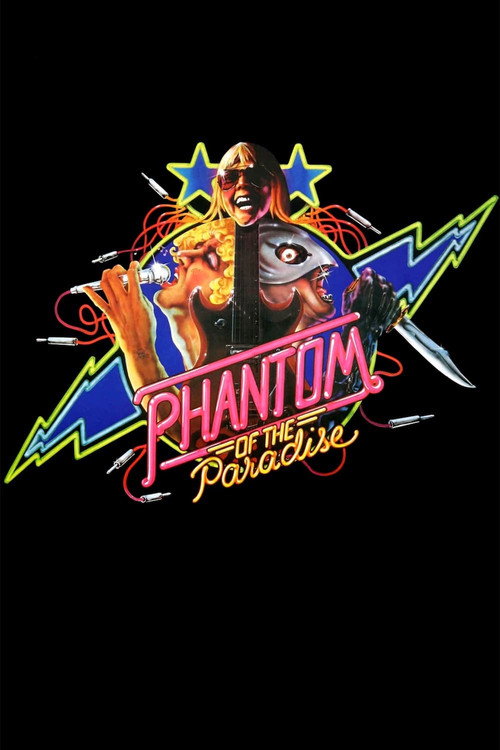
Phantom of the Paradise1974
Both are 1970s musicals that use theatrical excess and rock music to excavate spiritual or moral truth, but one reaches toward light and the other toward darkness. Same toolkit, opposite directions.
A glam-rock horror-musical from Brian De Palma that's genuinely deranged and gorgeous—rock as theology, fame as damnation, theatricality as the only honest language. Wildly inventive and deeply felt.
But It's strange and nightmarish in ways Godspell never is. The tone is slippery and some find it alienating; it's not a crowd-pleaser and doesn't want to be.
More like this (8)
Singin' in the Rain1952
Pure joy distilled into movement and music—what happens when a great song, a great dancer, and a great idea meet. The fountainhead of joy-in-cinema that Godspell draws from.
But It's sixty years older and the romance feels dated. Some find pure entertainment without depth shallow, though that's missing the point.

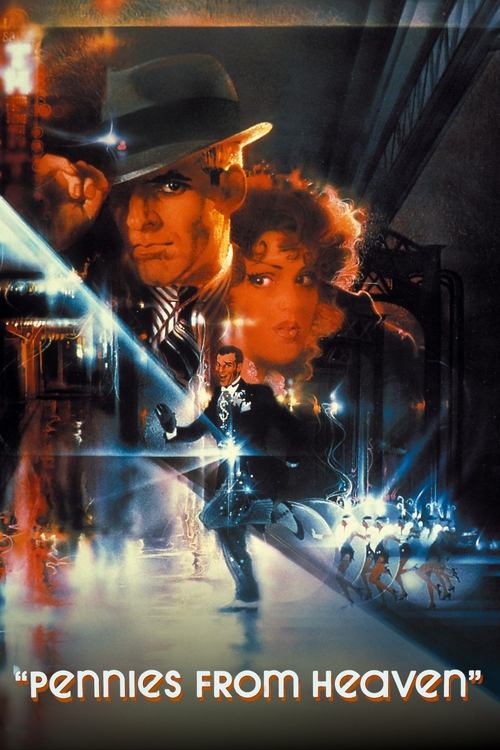
Pennies from Heaven1981
Depression-era America where dance sequences erupt from ordinary life in a jolt of colour and ecstasy. Gorgeous, weird, and willing to let music say what words can't.
But It's melancholy underneath the glitter—a film about yearning, not arrival. Some find the tonal shifts unsettling rather than moving.
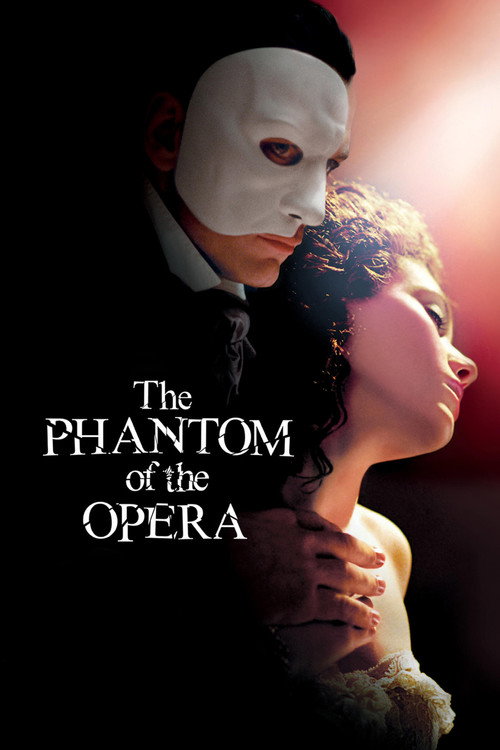
The Phantom of the Opera2004
An operatic romance with production design and ambition that swallows you whole. If you love theatricality and music as the primary language, this is a masterclass in commitment.
But The singing is operatic, which delights some and alienates others. The film is portentous where Godspell is light, and some find it overwrought.
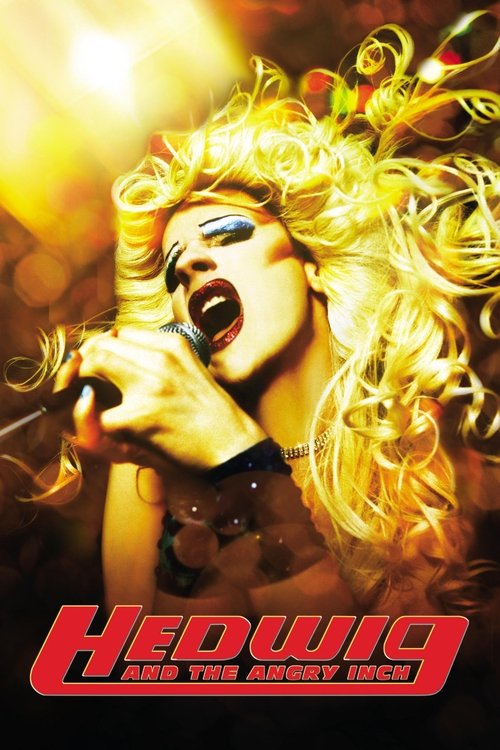
Hedwig and the Angry Inch2001
Rock-musical fury and vulnerability, using songs and performance to excavate identity and pain. Strange, funny, and genuinely moving—a film that earns its emotion through honesty rather than sentiment.
But It's loud, queer, and uncomfortable in ways that some find grating. Not everyone's idea of a good time, and the film's rawness isn't for everyone.
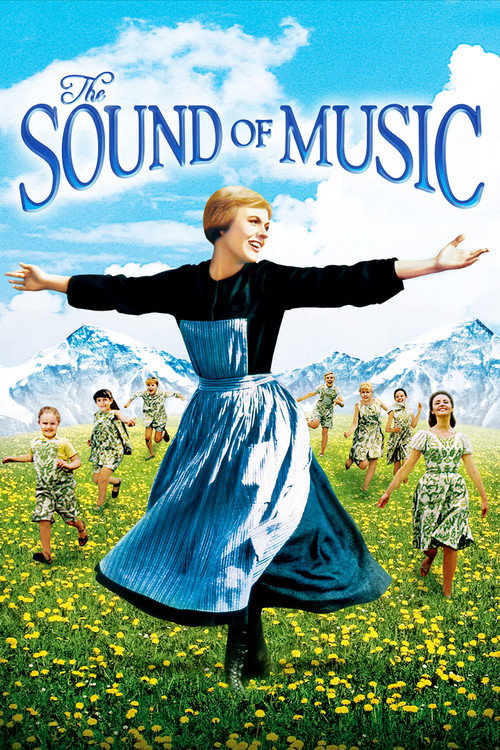
The Sound of Music1965
The gold standard of warm, optimistic, song-filled cinema. It's massively crafted and almost impossibly likeable—if you want wholesome musical joy with genuine craft, start here.
But The sweetness is relentless and some find it cloying. The plot is simple, and its dominance means you may have seen it too many times already.
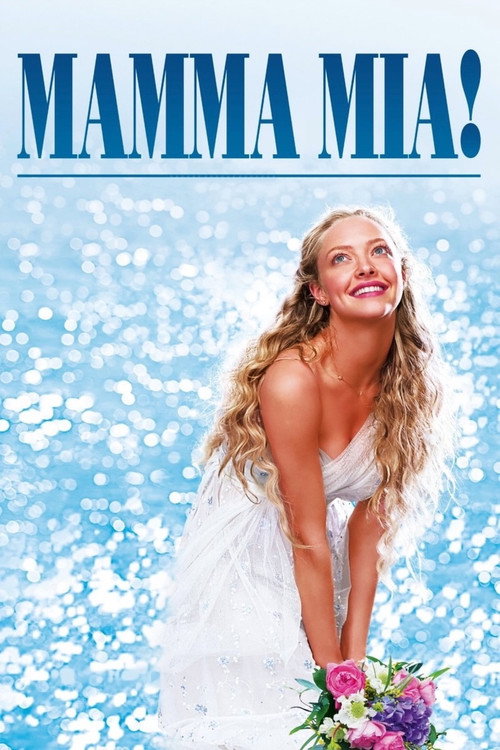
Mamma Mia!2008
A film that understands that watching attractive people dance to ABBA songs is reason enough to exist. Pure pleasure, no apologies, extremely competent at being exactly what it is.
But There is no deeper meaning. The plot is an excuse for the music. If you need substance with your spectacle, look elsewhere.
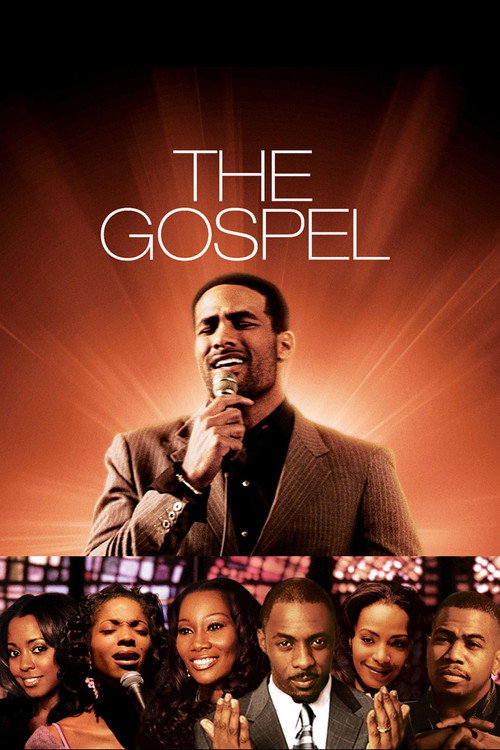
The Gospel2005
Both centre joy and faith as performed acts, but Godspell is theatrical artifice creating truth, while The Gospel is ordinary faith captured as it actually happens—inverse approaches to the same yearning.
A documentary about gospel music as lived spiritual practice, not performance—unafraid to sit with real faith, real doubt, and real joy in Black churches. Moving, authentic, and alive in ways cinema rarely captures.
But It's a documentary without narrative drive or celebrities. Some find non-fiction pacing slow, and it demands patience rather than offering constant entertainment.
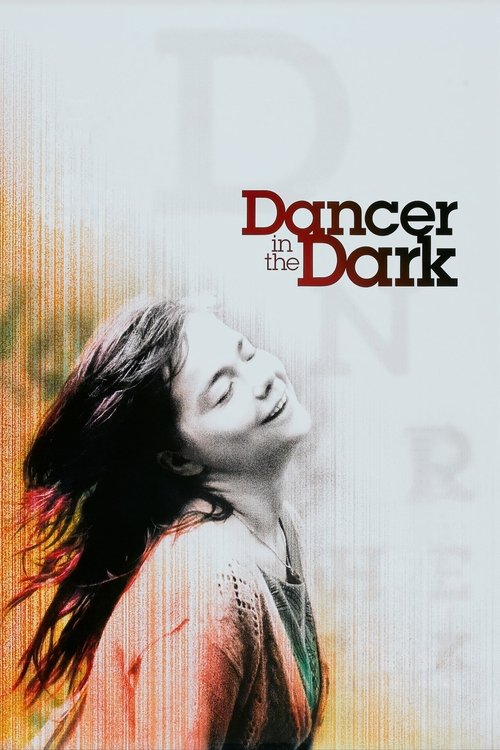
Dancer in the Dark2000
Both trust that song is where truth lives and that theatricality can express what realism cannot. But where Godspell sings toward salvation, Dancer sings toward annihilation—same faith in music's power, opposite destinations.
A musical where song erupts from unbearable reality—a woman facing execution finds ecstasy in dance, and the contrast is devastating. Lauryn Hill sings when speech fails. Pure emotional devastation through music.
But It's harrowing, bleak, and doesn't offer comfort or resolution. Some find it manipulative and painful without justification. Not remotely an uplifting experience.
People
Cast
 Victor GarberJesus
 Katie HanleyKatie
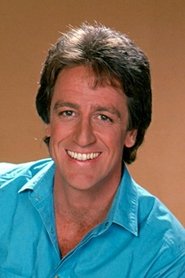 David HaskellJohn / Judas
- Merrell JacksonMerrell
- Joanne JonasJoanne
 Robin LamontRobin
 Gilmer McCormickGilmer
 Jeffrey MylettJeffrey
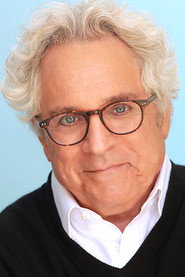 Jerry SrokaJerry
 Lynne ThigpenLynne
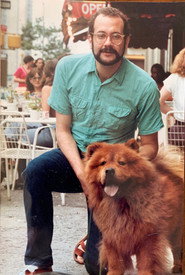 John-Michael TebelakPharisee Monster (voice)
Directing
- Ron WalshAssistant Director
- David GreeneDirector
Writing
- John-Michael TebelakMusical
- Stephen SchwartzMusical
- David GreeneScreenplay
- John-Michael TebelakScreenplay
Production
- Kenneth UttAssociate Producer
- Sylvia FayCasting
- John Van EyssenExecutive Producer
- Edgar LansburyProducer
Recommended by
Jesus Christ Superstar, The Passion of the Christ, The Green Pastures, Xanadu, Joseph and the Amazing Technicolor Dreamcoat, Hair, A Chorus Line, The Apple, Sgt. Pepper's Lonely Hearts Club Band, Christmas with The Chosen: The Messengers, Jesus Christ Superstar Live in Concert