
Film
Abie's Irish Rose
Other titles called Abie's Irish Rose: the 1928 film.
A 1946 romantic comedy about a Jewish man and Irish Catholic woman navigating family opposition to their marriage. It's warm-hearted and earnest, built on the clash between two insular communities forced to recognize their common humanity. For anyone who loves old Hollywood's optimistic take on assimilation and interfaith love as a path to understanding.
If you liked this
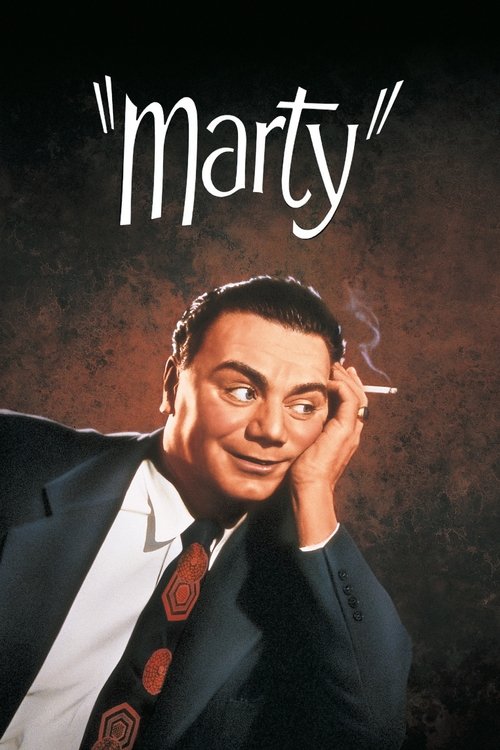
Marty1955
A tender, unglamorous love story about an ordinary man finding connection despite social pressure. Like Abie's Irish Rose, it finds quiet dignity in everyday people and unexpected romance.
But The pacing is deliberate and the stakes feel small by modern standards. Black and white, modest in scope.
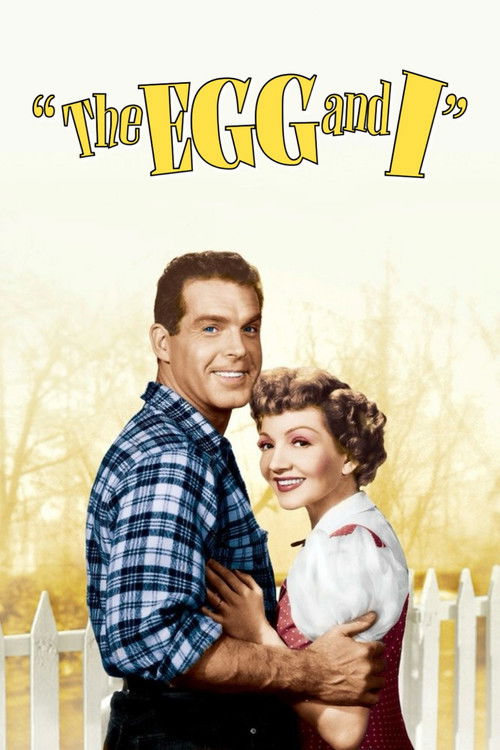
The Egg and I1947
Claudette Colbert and Fred MacMurray navigate cultural and personal differences on a chicken farm. Same era, same warmth, same belief that love can bridge almost anything.
But The gender politics are very 1947. It's genteel in ways that can feel slow if you're not in the mood.
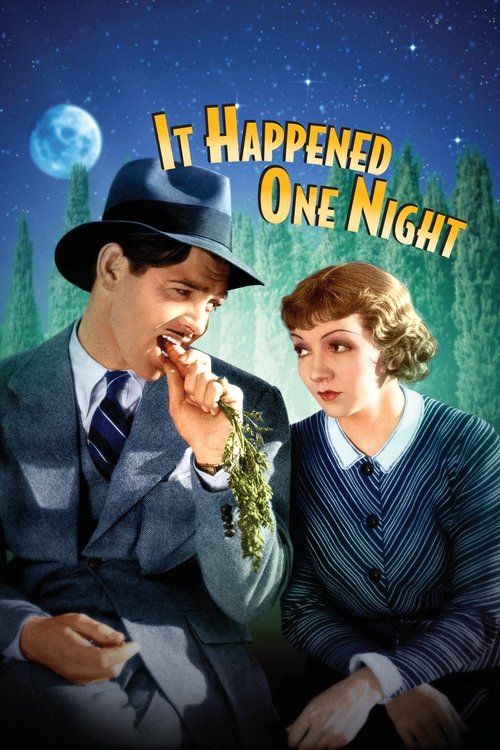
It Happened One Night1934
A screwball romance that tears down class barriers with wit and charm. Pre-dates Abie but shares that faith in ordinary people and cross-cultural connection as redemptive.
But The humour is fast and sometimes broad. If you want sentiment over laughs, you'll feel short-changed.
Not sure tonight? Get a pick in a minute, starting from Abie's Irish Rose
The wildcard
Something you would not have found on your own.
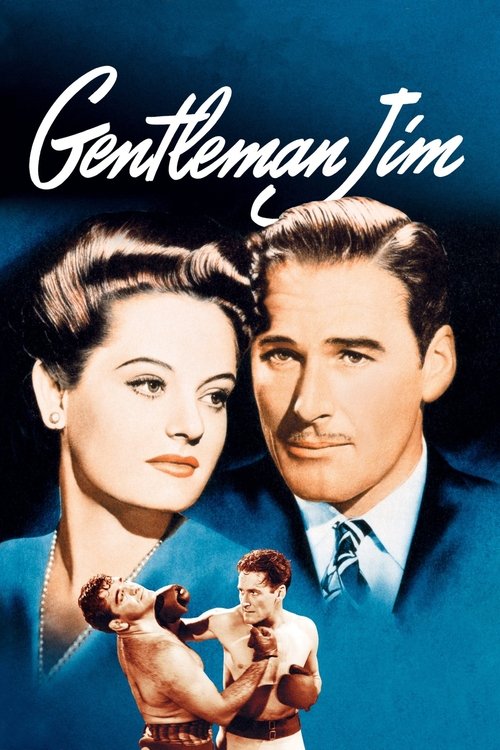
Gentleman Jim1942
Both use romance between unlikely partners as a lens for examining American social barriers, with humour as the bridge between worlds.
Errol Flynn as boxing legend Jim Corbett romances a society woman while his working-class Irish family clashes with her upper-crust world. Same interfaith/class tension, same belief that love and humour dissolve boundaries—but told through sports heroism and swashbuckling rather than domestic comedy.
But It's a boxing picture, so if you're not interested in the sport or the male-centered action, the emotional core can feel thin. Flynn's charm won't connect with everyone.
More like this (8)
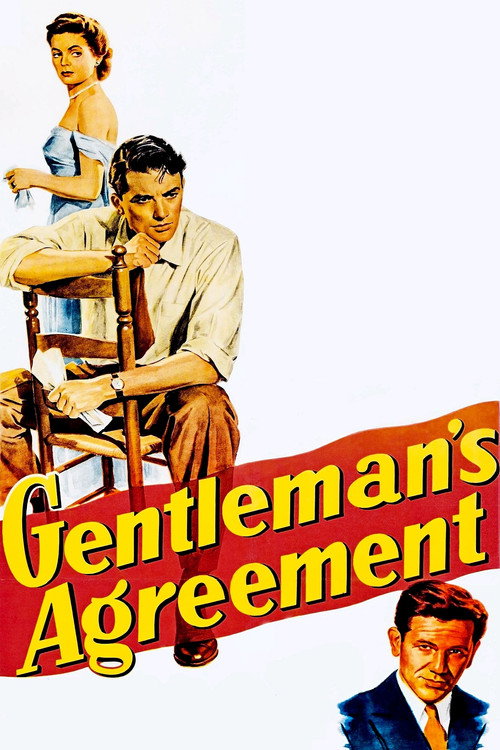
Gentleman's Agreement1947
Gregory Peck investigates antisemitism by pretending to be Jewish. Serious where Abie's Irish Rose is light, but equally committed to dismantling prejudice through empathy.
But It's a problem picture, earnest and sometimes didactic. The drama can feel stagy compared to the comedy's naturalness.
The Best Years of Our Lives1946
Three returning soldiers navigate small-town life and find love. Released the same year, it shares Abie's faith in community, family, and second chances after upheaval.
But At nearly three and a half hours, it demands patience. The melodrama occasionally overwhelms the subtler character moments.

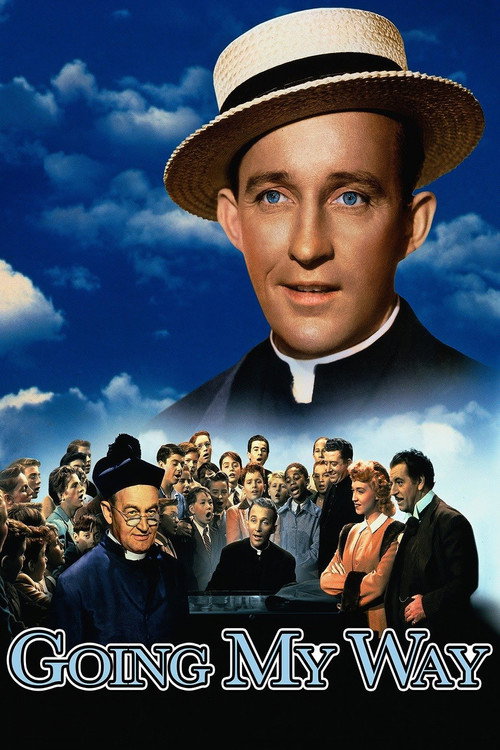
Going My Way1944
Bing Crosby as a priest bridges generational and cultural divides in his parish. Similar warmth and gentle comedy about outsiders finding their place through human connection.
But It's sentimental and religious in ways that can feel quaint. The plot occasionally stops for musical numbers.
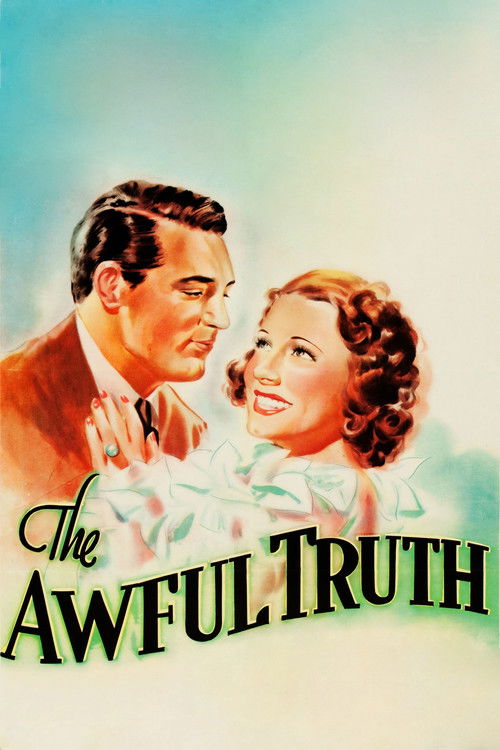
The Awful Truth1937
Cary Grant and Irene Dunne divorce and rediscover each other through screwball hijinks. Lighter than Abie but shares the belief that love survives social chaos.
But The humour is very 1930s—broad, fast, and sometimes depends on slapstick. Won't appeal if you prefer quieter comedy.
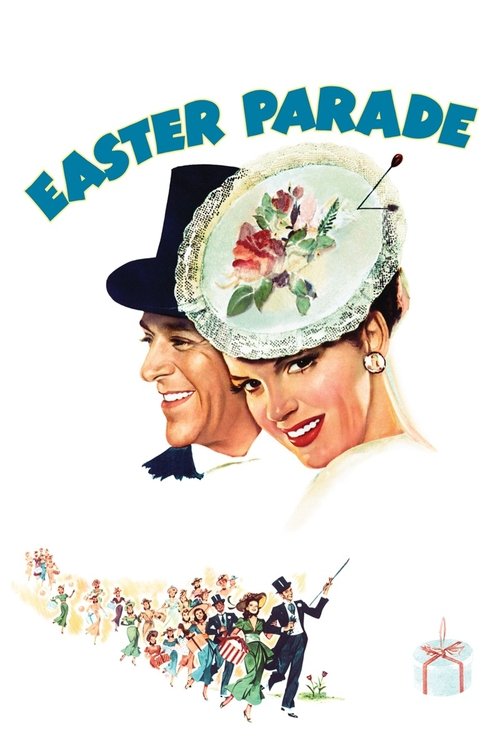
Easter Parade1948
Fred Astaire and Judy Garland bring joy and musicality to a simple love story. Same post-war optimism and faith that talent and kindness overcome obstacles.
But It's a musical, and if that's not your thing, the plot is thin. The tone is relentlessly cheerful.
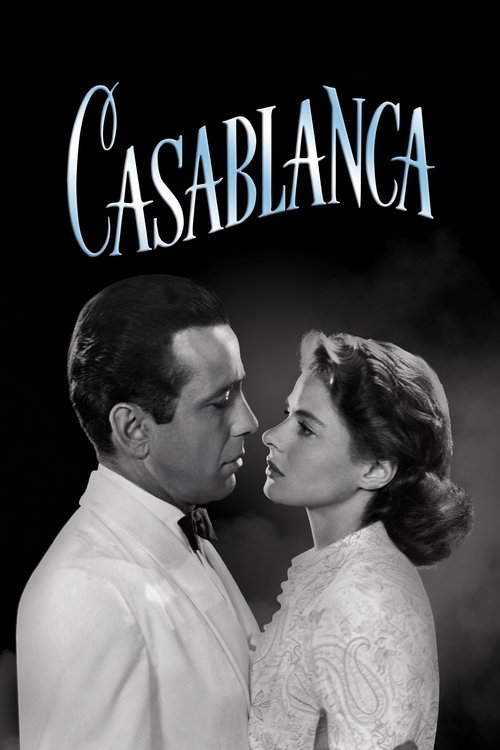
Casablanca1943
Bogart, Bergman, and Rick's Café explore love, sacrifice, and moral choice across cultures. More serious than Abie but united by belief in connection as humanity's best answer.
But The melodrama is heavy and the ending is sad. Not what you want if you're seeking romance and reunion.
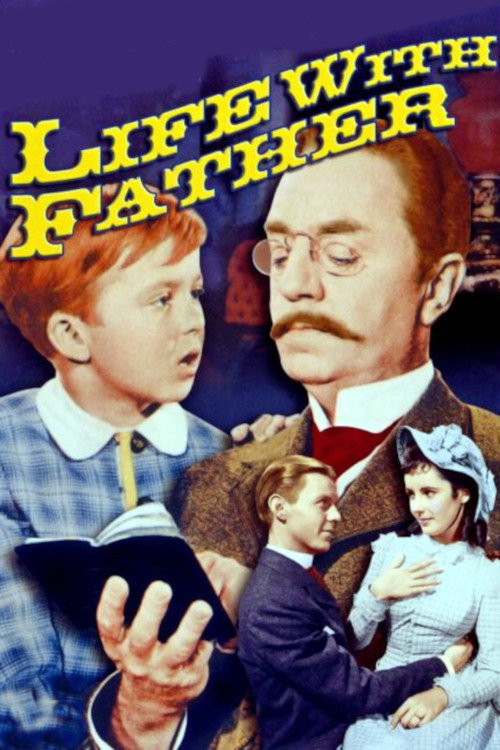
Life with Father1947
Both are ensemble comedies about families learning to adapt their expectations; both treat marriage as a civilizing force and both centre on gentle comedy arising from stubbornness giving way.
William Powell anchors a domestic comedy about a rigid 1880s Protestant patriarch learning flexibility through family and marriage. No cultural conflict here, but the same warmth, the same message that rigid people soften through love, and the same faith in family as a place where growth happens.
But It's set in the 1880s and plays like a stage adaptation—dialogue-heavy, theatrical, almost zero plot momentum. Pure character and sentiment.
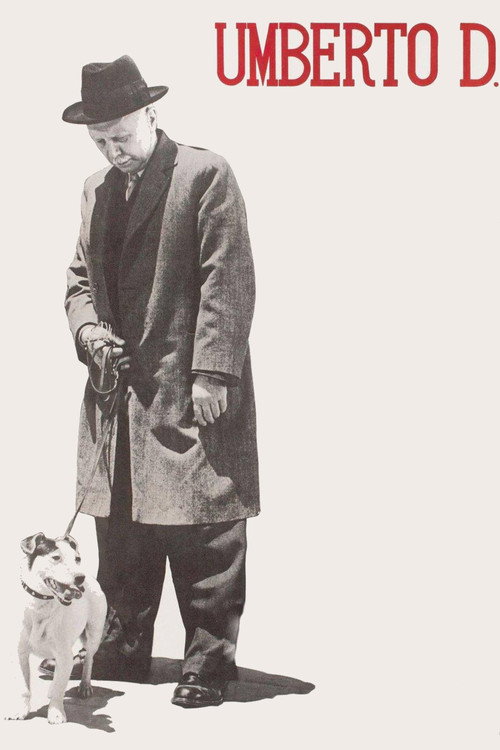
Umberto D.1952
Both are about outsiders and communities, but where Abie's Irish Rose resolves through love and acceptance, Umberto D. shows the loneliness that remains even when those things fail.
An elderly Italian widower and his dog navigate poverty and loneliness in post-war Rome. Completely opposite in mood—neorealist, melancholic, unsentimental—but asks the same question: what does it mean to belong when society seems to have no place for you?
But It's Italian cinema, it's quiet and sad, and it ends without resolution or comfort. No romance, no happy reunion. The opposite of escapism.
People
Cast
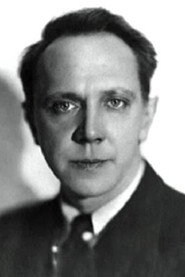 Michael ChekhovSolomon Levy
 Joanne DruRosemary Murphy Levy
- Richard NorrisAbie Levy
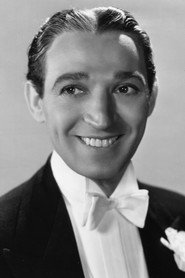 George E. StoneIsaac Cohen
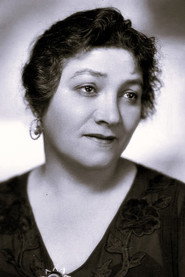 Vera GordonMrs. Cohen
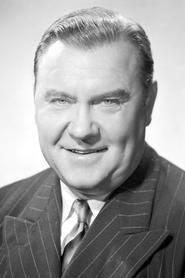 Emory ParnellFather John Whalen
- Emory ParnellRabbi Jacob Samuels
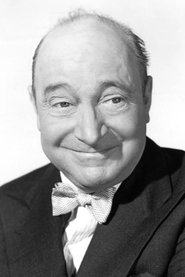 Eric BloreStubbins, Asst. Hotel Manager
- Bruce MerrittRev. Tom Stevens
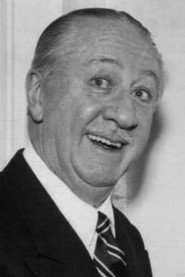 Roy AtwellDick Saunders
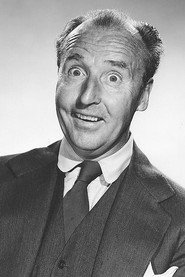 Eddie ParksGilchrist
 Vera MarsheMrs. Edna Gilchrist
Directing
- Barton AdamsAssistant Director
- A. Edward SutherlandDirector
Writing
- A. Edward SutherlandScreenplay
Production
- Bing CrosbyExecutive Producer
- A. Edward SutherlandProducer