
Film
Down to Earth
Other titles called Down to Earth: the 2001 film.
- Backstage musical
- Mythological fantasy
- Comedy
- Light-hearted
A 1947 Technicolor musical fantasy where Rita Hayworth plays a Greek muse descending to Broadway to sabotage a show that mocks her sisters. It's a lightweight, charming vehicle for Hayworth's dancing, with bright production design and romantic tangles that never bite hard. Perfect for anyone who loves Golden Age Hollywood spectacle without demanding much emotional weight.
If you liked this
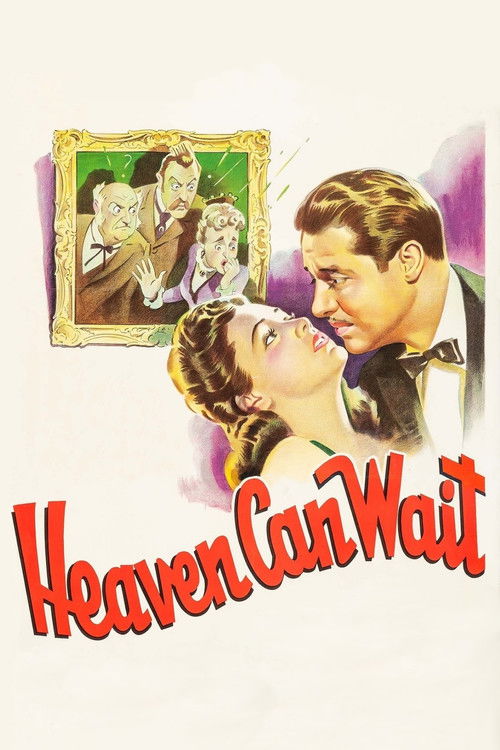
Heaven Can Wait1943
Warren Beatty's 1978 remake of the same source material, with identical fantastical premise but softer, more romantic tone. Beatty's charm and the film's visual warmth make it effortlessly watchable and genuinely funny without trying too hard.
But Beatty's self-directed vanity project can feel slight; the plot meanders pleasantly rather than building momentum, and some comedy feels dated.
Singin' in the Rain1952
The gold standard of Hollywood musicals: brilliant dancing, infectious joy, genuine wit, and production numbers that justify the price of admission alone. Gene Kelly and Donald O'Connor deliver energy that feels earned rather than mechanical.
But Nearly 75 years old and the romance plot is tissue-thin by design. Some find the relentless cheerfulness exhausting rather than transporting.

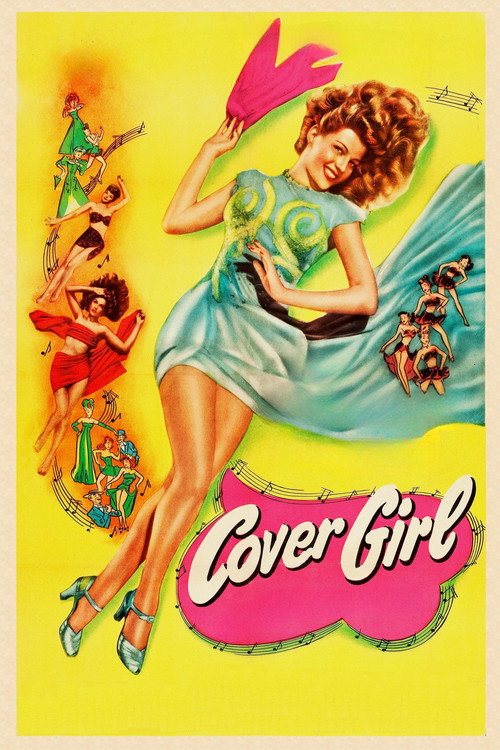
Cover Girl1944
Rita Hayworth's other major musical, with Phil Silvers and Gene Kelly providing stellar support. The Technicolor is ravishing, the dancing is superb, and the backstage-to-stardom plot unfolds with genuine charm and humor.
But The story is purely functional scaffolding for musical numbers; if you need narrative depth, you'll find the romantic tension thin.
Not sure tonight? Get a pick in a minute, starting from Down to Earth
The wildcard
Something you would not have found on your own.
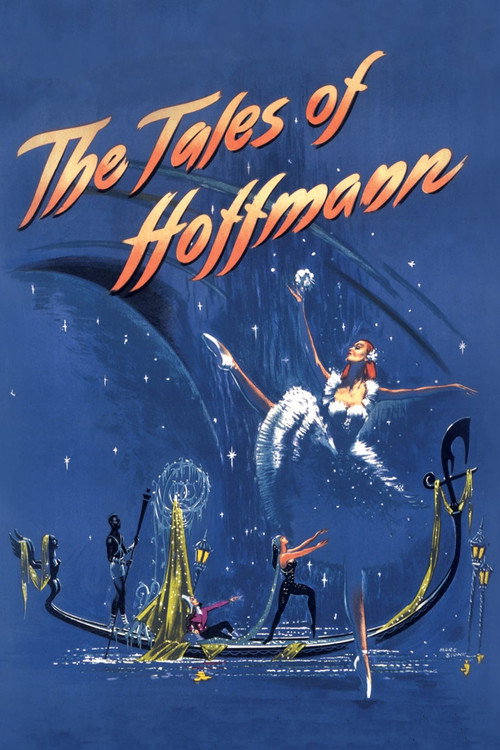
The Tales of Hoffmann1951
Both are fantasy musicals that use heavenly/mythological framing to justify abandoning realism entirely; both treat the production design and dancing as the actual point rather than decoration.
Powell and Pressburger's operatic ballet-in-cinema where plot dissolves into pure visual storytelling and dance. Shot in Technicolor that makes even *Down to Earth* look restrained, it's a film that remembers cinema is a visual medium first.
But It's genuinely difficult to follow; the narrative is deliberately fragmented and music-driven rather than plot-driven. Long stretches will feel alien if you're used to conventional story structure.
More like this (8)
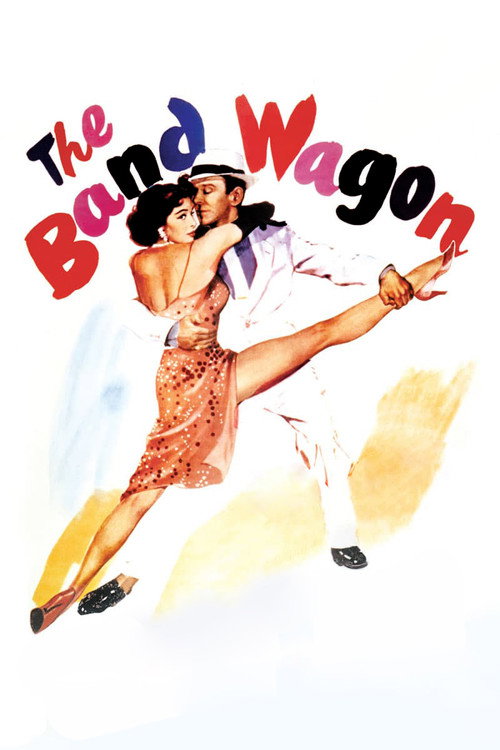
The Band Wagon1953
Fred Astaire and Cyd Charisse in an Adler-Dietz songbook musical with a meta edge: it's about putting on a show, so the artifice becomes the point. Astonishingly inventive dancing and a script with actual wit.
But The backstage politics subplot can feel tedious, and Astaire's age paired against Charisse occasionally makes the romance feel uncomfortable by modern standards.
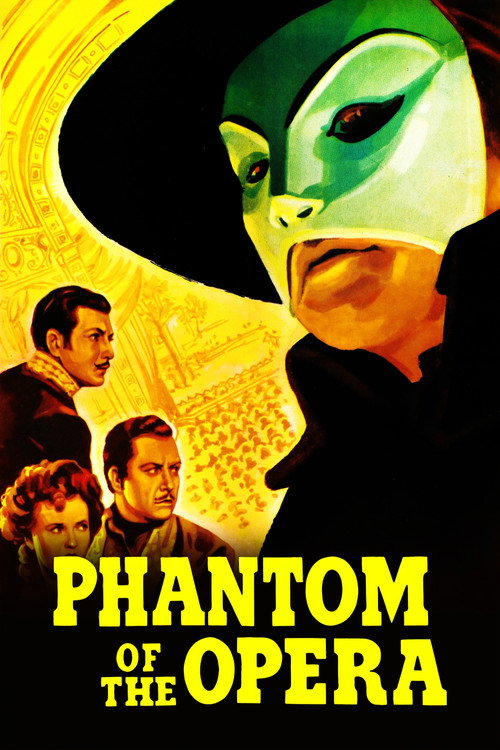
Phantom of the Opera1943
Another 1940s Technicolor spectacle with Claude Rains and Nelson Eddy, this one swinging closer to operetta than pure musical. The production design is sumptuous and the set pieces genuinely grand in a way modern films rarely attempt.
But The pacing is glacial by modern standards and the emotional drama sits uneasily alongside the romance plot. Very much a period piece in every sense.
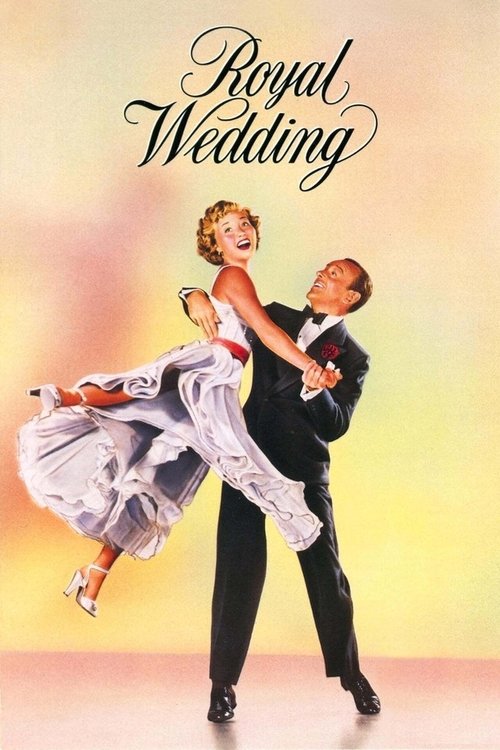
Royal Wedding1951
Fred Astaire dancing in London during the actual 1947 royal wedding, with Jane Powell as his sister. The film is lightweight but Astaire's physical genius makes even the filler scenes worth watching, and the dancing is genuinely innovative.
But The plot is tissue-thin and the romance subplot feels obligatory. Some of the comedic bits haven't aged well.
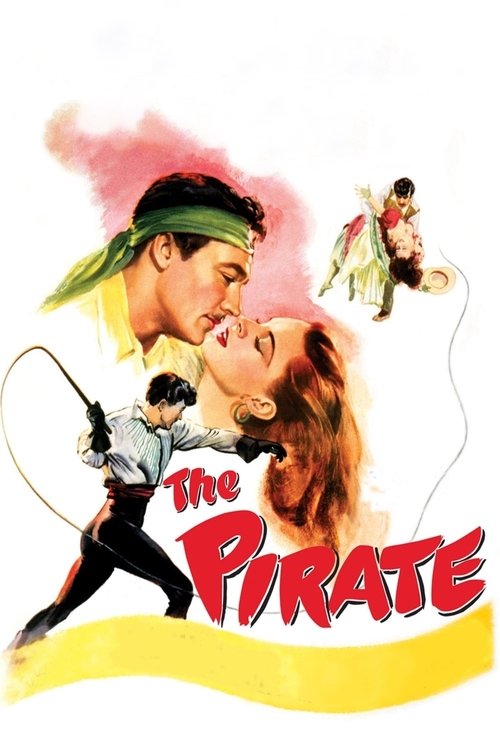
The Pirate1948
Gene Kelly and Judy Garland in a Vincente Minnelli fever dream where plot barely matters. The dancing is playful and weird, the Technicolor design is deliberately artificial, and there's genuine creative risk in the filmmaking.
But It's all style and mischief with almost no emotional grounding. If you want narrative clarity or plausible characters, look elsewhere.
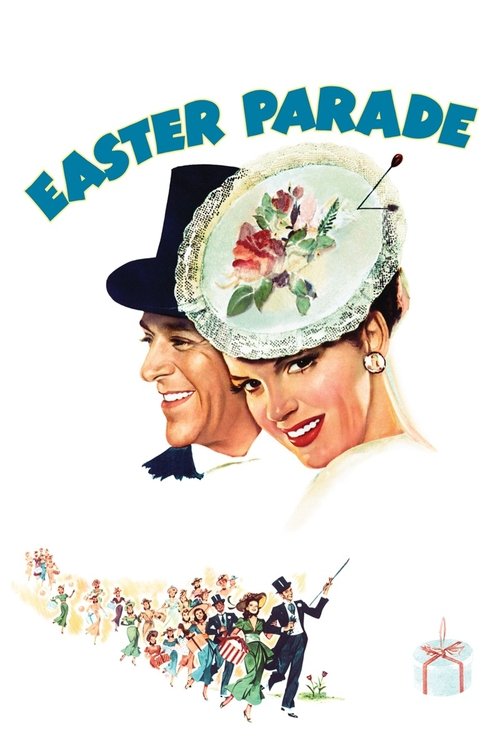
Easter Parade1948
Fred Astaire and Judy Garland reunited, with Irving Berlin songs and a simple premise: two dancers competing on Easter. The effortless charm and Astaire's dancing make it a warm, unpretentious evening.
But Garland reportedly disliked the production; there's a sense of going through motions rather than genuine collaboration. The story is purely functional.
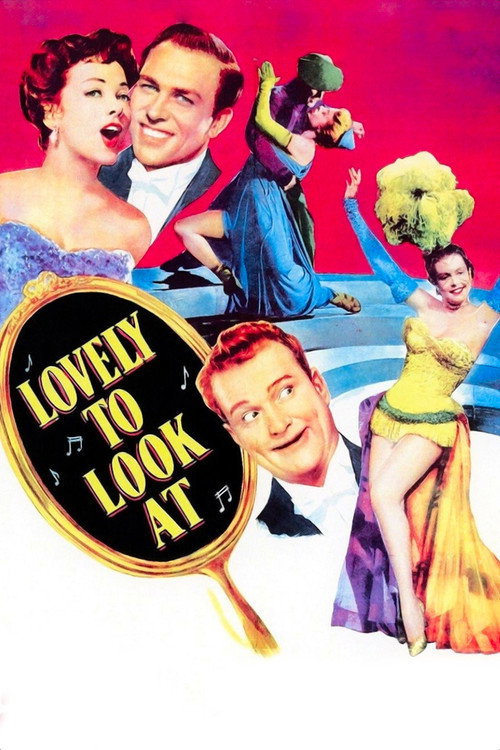
Lovely to Look At1952
A Technicolor remake of *Roberta* with Red Skelton, Ava Gardner, and Marge Champion. It's garish and silly in exactly the right way, with production numbers designed for maximum visual excess rather than narrative sense.
But It's essentially a clothes hanger for fashion sequences; if you don't care about the spectacle for its own sake, there's nothing underneath to sustain you.
The Red Shoes1948
Both center on female performers navigating show business, but where *Down to Earth* is light fantasy, *The Red Shoes* uses the same form to explore real stakes and genuine pain.
Powell and Pressburger again, but this time grounded: a dancer caught between art and love. The 17-minute ballet sequence is unparalleled cinema, and beneath the spectacle is genuine emotional devastation about artistic sacrifice.
But It's quite dark and the ending is genuinely tragic rather than romantic comedy. The pacing is slow by contemporary standards and much of the drama is internal rather than plot-driven.

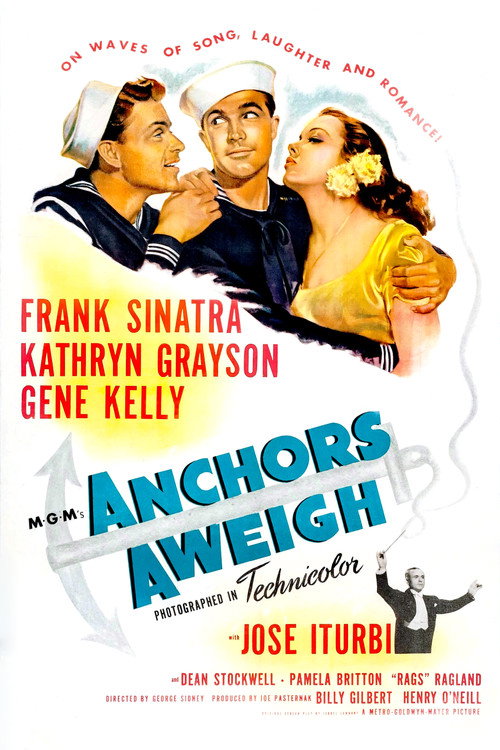
Anchors Aweigh1945
Both use music and fantasy to simply stop pretending the story matters and go straight for joy; both believe in production design and movement as sufficient reason to exist.
Gene Kelly and Frank Sinatra in a wartime musical that dissolves into pure creative madness in its final act—Kelly dances with an animated mouse, reality stops mattering, and the film commits fully to its own beautiful absurdity.
But It's nearly three hours and the early sections are tediously built on military comedy that hasn't aged well. The tonal whiplash between realism and fantasy might feel jarring.
People
Cast
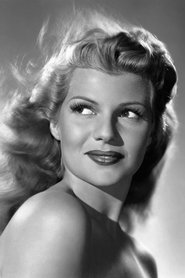 Rita HayworthTerpsichore / Kitty Pendleton
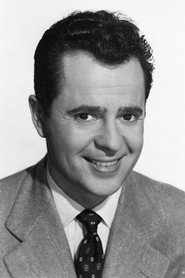 Larry ParksDanny Miller
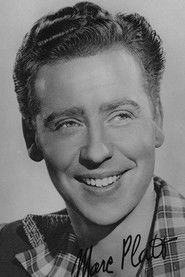 Marc PlattEddie
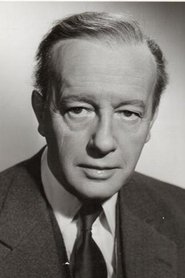 Roland CulverMr. Jordan
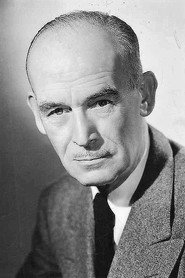 James GleasonMax Corkle
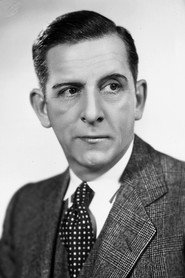 Edward Everett HortonMessenger 7013
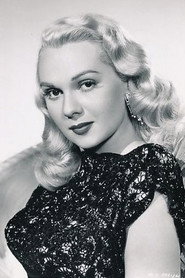 Adele JergensGeorgia Evans
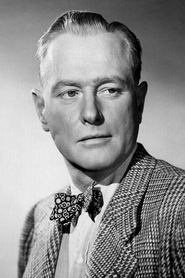 George MacreadyJoe Manion
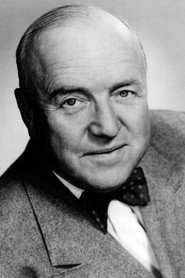 William FrawleyPolice Lieutenant
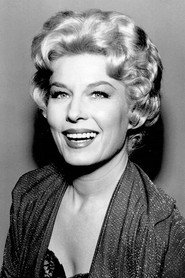 Jean WillesBetty
- Kathleen O'MalleyDolly
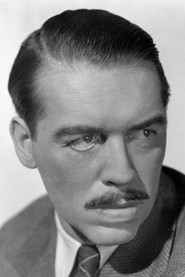 William HaadeSpike
Directing
- Alexander HallDirector
Writing
- Harry SegallCharacters
- Don HartmanScreenplay
- Edwin BlumScreenplay
Production
- Don HartmanProducer