
Film
There's No Business Like Show Business
- Musical
- Light-hearted
A 1954 Technicolor musical comedy about a vaudeville family dynasty—the Five Donahues—navigating love, ambition, and the pull between tradition and personal happiness. It's a gorgeous, energetic showcase for song-and-dance talent, aimed squarely at people who love watching brilliant performers strut their stuff in full costume under bright lights.
If you liked this
Singin' in the Rain1952
The gold standard of Hollywood musicals: three legendary performers, infectious joy, and dance sequences that rewire your brain. Every frame is crafted to make you smile.
But If you need plot to stay engaged, you'll find yourself waiting between numbers. It's a revue masquerading as a story.

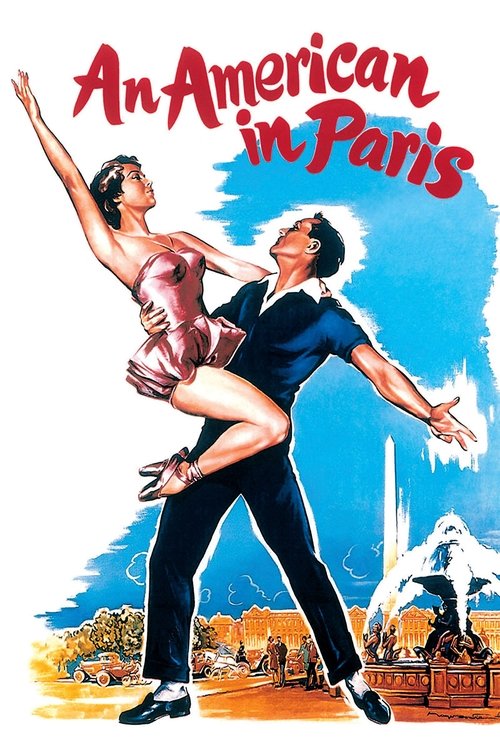
An American in Paris1951
Another MGM triumph with Gene Kelly, Cyd Charisse, and an Oscar-winning score. The extended ballet finale is breathtaking—romance, ambition, and artistry all at once.
But It's nearly two hours of high-gloss artifice. If you prefer grit or realism, this will feel aggressively escapist.
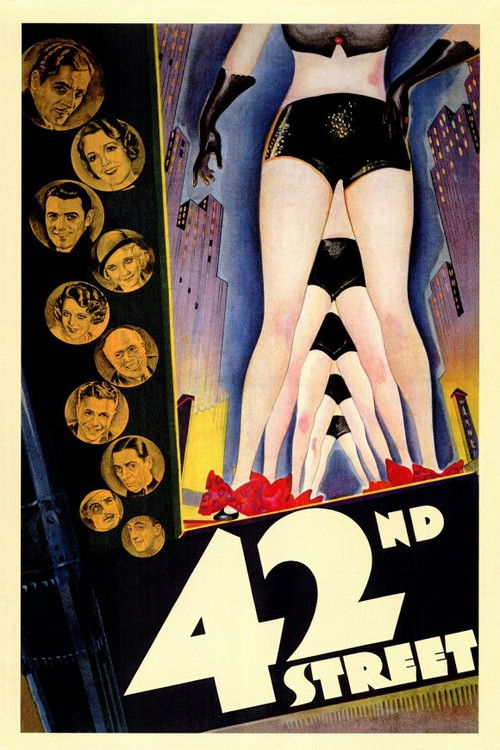
42nd Street1933
The template for every backstage musical that followed. Fast-paced, smart, with Busby Berkeley's impossible choreography and genuine stakes underneath the spectacle.
But The sound design is thin by modern standards, and some casting choices haven't aged well. It moves fast enough that it mostly doesn't matter.
Not sure tonight? Get a pick in a minute, starting from There's No Business Like Show Business
The wildcard
Something you would not have found on your own.
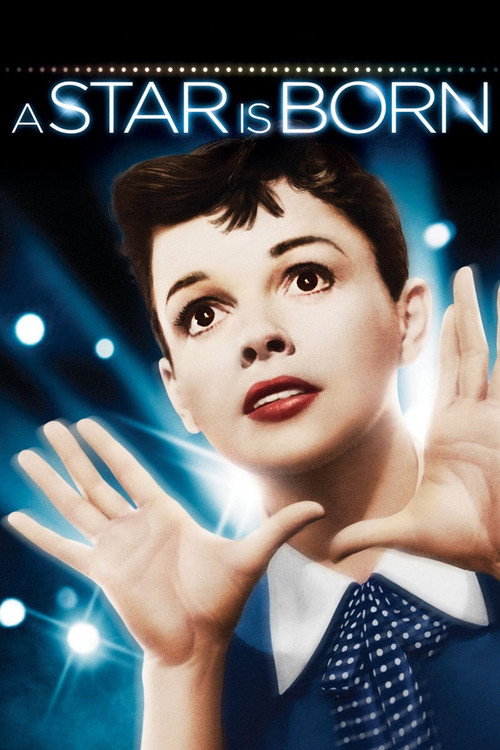
A Star Is Born1954
Both examine the price of vaudeville and Broadway dreams, but this one asks what happens when the dream breaks.
Released the same year, with Judy Garland and James Mason. It's also about show business families, ambition, and the cost of stardom—but it trades comedy for genuine tragedy and intimacy. Garland's performance is devastating.
But It's dark where There's No Business is bright, heavy where it's light. Three hours of emotional weight, not entertainment spectacle. The ending will stay with you in a way musicals usually don't.
More like this (8)
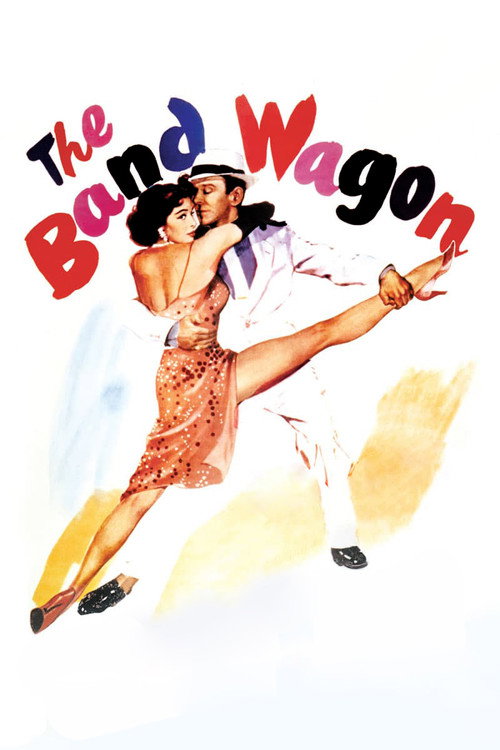
The Band Wagon1953
Fred Astaire and Cyd Charisse in a film about mounting a Broadway show. Witty, romantic, and features some of Astaire's most inventive dancing. The Schwartz-Dietz score is sublime.
But Less momentum than Singin' in the Rain; it takes a while to get going, and some comedy bits don't land with modern audiences.
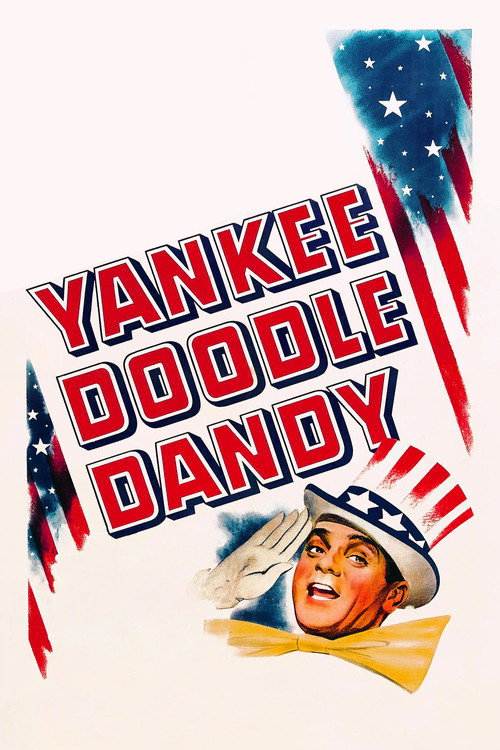
Yankee Doodle Dandy1942
James Cagney as George M. Cohan: a dynamo playing a dynamo. His energy and precision are electric, and the film captures the soul of vaudeville better than almost anything else.
But It's basically a biopic with show tunes, so plot takes up real estate. The pacing can feel slack compared to pure spectacle-driven musicals.
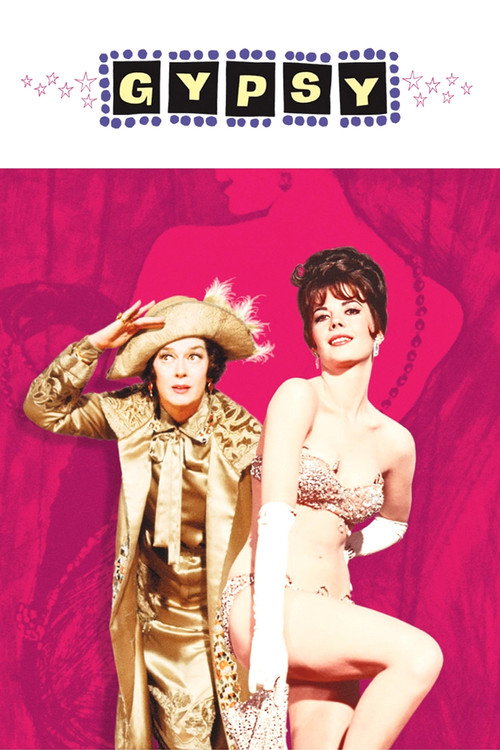
Gypsy1962
Rosalind Russell as the ultimate stage mother, Ethel Merman's energy transplanted into darker, more complex territory. It's a musical that understands ambition as a kind of hunger.
But It's heavier and less cheerful than the MGM golden age. If you want pure escapism, the subtext of ruthlessness will shadow the fun.
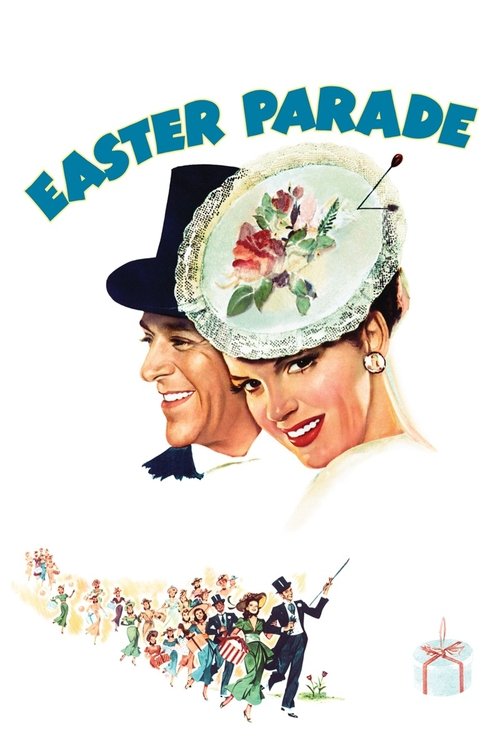
Easter Parade1948
Fred Astaire and Judy Garland dancing through New York during the Depression. Lighter and more intimate than the big spectacles, but their chemistry and the Kern-Berlin score are irresistible.
But The plot is gossamer-thin even for a musical. It's really just an excuse to watch two great dancers—if that isn't enough, you'll be frustrated.
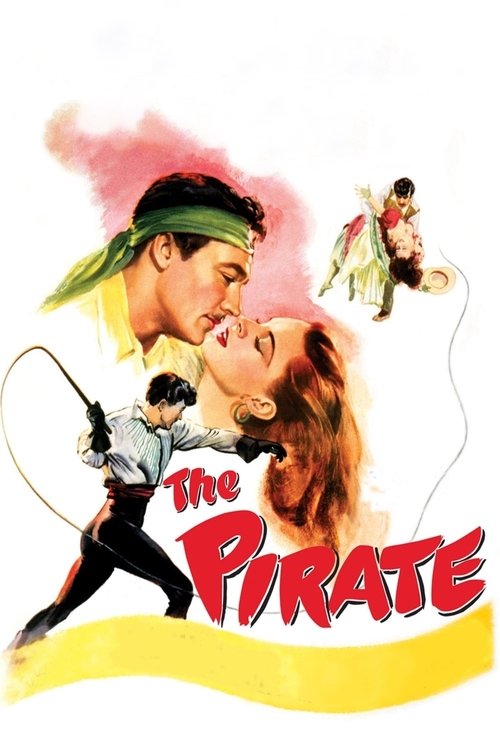
The Pirate1948
Gene Kelly and Judy Garland in a Cole Porter musical with a madcap, slightly surreal energy. It's visually inventive and weird in ways most musicals aren't. Kelly's dance sequences are stunning.
But It's campy and deliberately strange—the tone can feel scattered, and the plot never quite coheres. Not for viewers who need narrative clarity.
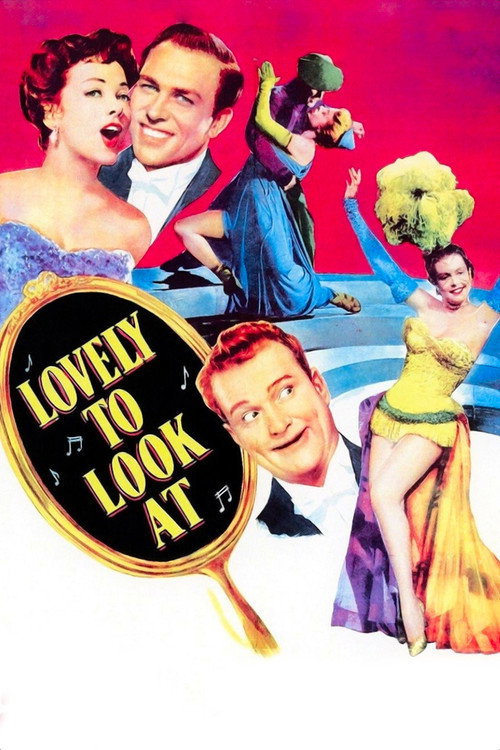
Lovely to Look At1952
Ava Gardner, Red Skelton, and a Kern score: a backstage fashion show musical with elegant production design. It's a less hectic alternative to the big MGM spectacles.
But It's genuinely minor—pleasant but not memorable. The performers are charming, but nothing ignites. You'll forget it a week later.
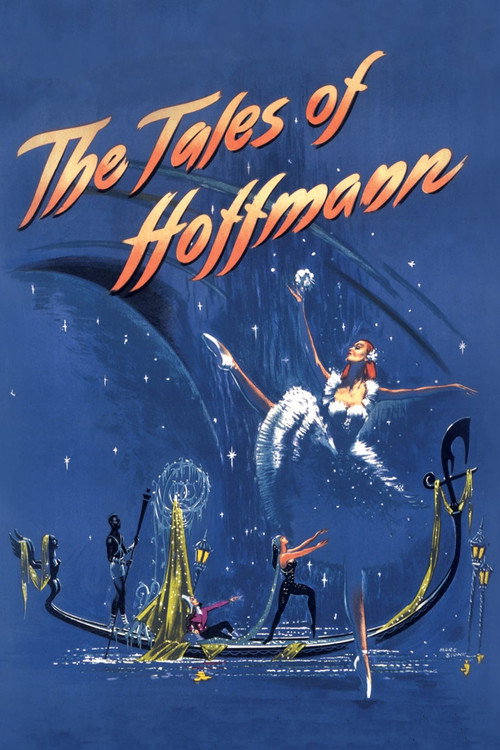
The Tales of Hoffmann1951
Both celebrate the magic and craft of live performance, but this is high art where the other is vaudeville—same reverence, different cathedral.
Michael Powell and Emeric Pressburger's opera film: pure visual and sonic beauty, with dance woven into every scene. It's show business in its most refined, artistic form—a love letter to performance itself.
But It's an opera, so if you don't speak French or German and subtitles annoy you, you're fighting the film from the start. The narrative is dreamlike and demands patience.
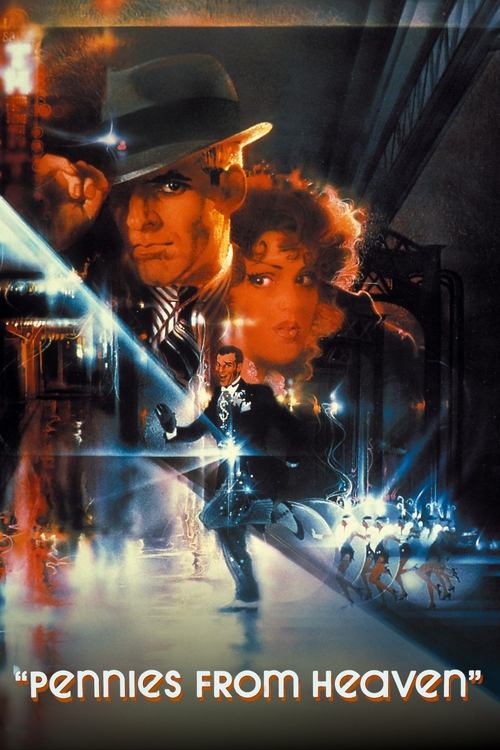
Pennies from Heaven1981
Both use show tunes and dance to explore families and ambition in the era of vaudeville, but this one treats that world as tragedy, not triumph.
Steve Martin and Bernadette Peters in a Depression-era musical that uses old standards to explore loneliness and longing. The dance numbers are genuine and moving, not just decorative. It's strange and sad and oddly modern.
But It's a downer wrapped in spectacle—beautiful but bleak. The Depression setting is grim, and the film doesn't resolve neatly. If you want escapism, this subverts it on purpose.
People
Cast
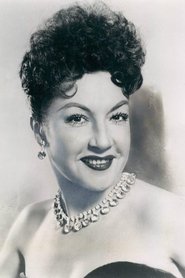 Ethel MermanMolly Donahue
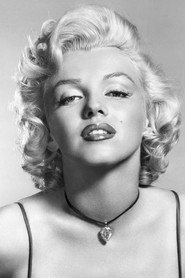 Marilyn MonroeVicky
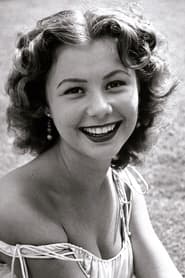 Mitzi GaynorKaty Donahue
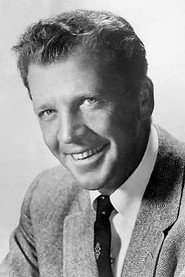 Dan DaileyTerence Donahue
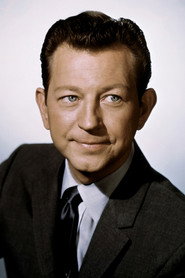 Donald O'ConnorTim Donahue
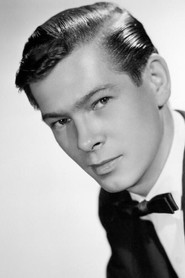 Johnnie RaySteve Donahue
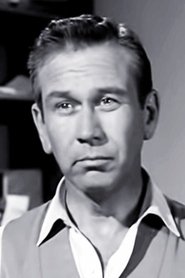 Richard EasthamLew Harris
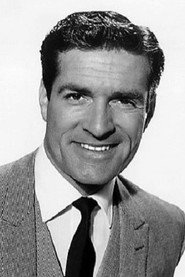 Hugh O'BrianCharles Gibbs
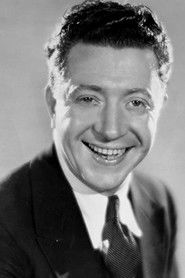 Frank McHughEddie Dugan
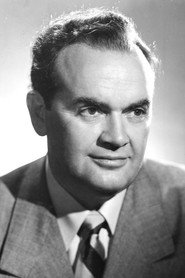 Rhys WilliamsFather Dineen
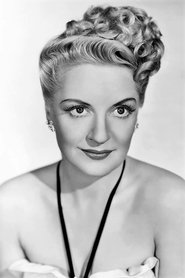 Lee PatrickMarge
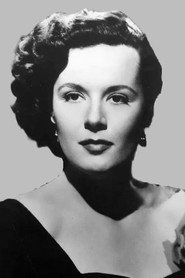 Eve MillerHelen
Directing
- Walter LangDirector
Writing
- Henry EphronScreenplay
- Phoebe EphronScreenplay
- Lamar TrottiStory
Production
- Sol C. SiegelProducer
- Gaston GlassProduction Manager