
Film
Call Me Madam
- Comedy
- Light-hearted
A Technicolor musical comedy where a loud, brash Washington society hostess becomes ambassador to a fictional European duchy. Ethel Merman dominates every frame with her trademark belting and comedic timing, supported by Donald O'Connor's charm and impeccable dancing. It's pure 1950s escapism—frothy, energetic, and deeply committed to the bit. For anyone who loves old-fashioned Hollywood spectacle and doesn't mind a little camp.
Should you watch it?
Watch it if you love big-voiced stage musicals where a brassy, fast-talking heroine steamrolls diplomats, the songs do most of the storytelling, and a sly satirical wink at Washington politics runs underneath.
Skip it if you find 1950s stage-bred comedy stiff, since the mugging, big choruses and sugary romance run long for nearly two hours and the jokes date fast.
What it asks of you: Settle in for a leisurely two hours of cheerful, lightly satirical song and dance, where the pace is unhurried and the tone stays bright rather than dark.
Not sure? Find tonight's pick in a minute.
If you liked this
Singin' in the Rain1952
Donald O'Connor's exuberance and technical mastery on display here sets the standard for 1950s musical comedy. If you loved him in Call Me Madam, this shows what he could do when given a story that matches his talent.
But It's a musical first and foremost—if you're not interested in extended song-and-dance numbers, the pacing will feel glacial.

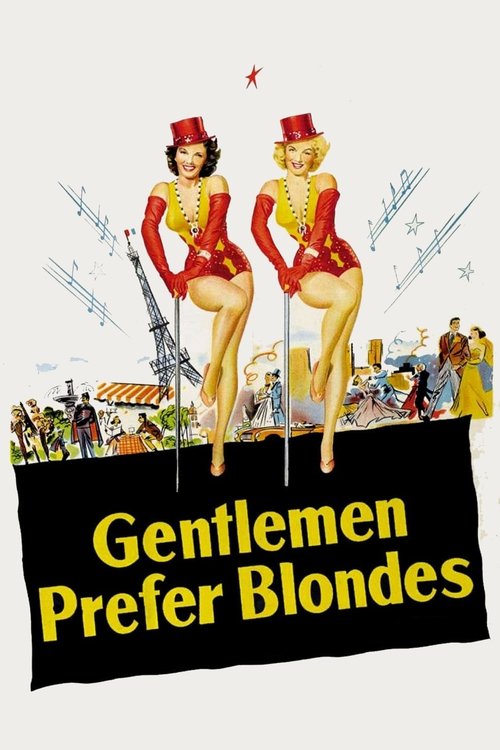
Gentlemen Prefer Blondes1953
Marilyn Monroe commanding the screen with absolute authority in a similar vein to Merman—a woman owning her sexuality and wit in a male-coded world. Same era, same energy, same commitment to spectacle.
But The sexual politics are dated in ways that will grate. Monroe is magnificent, but the film's framing of women as ornaments can feel uncomfortable.
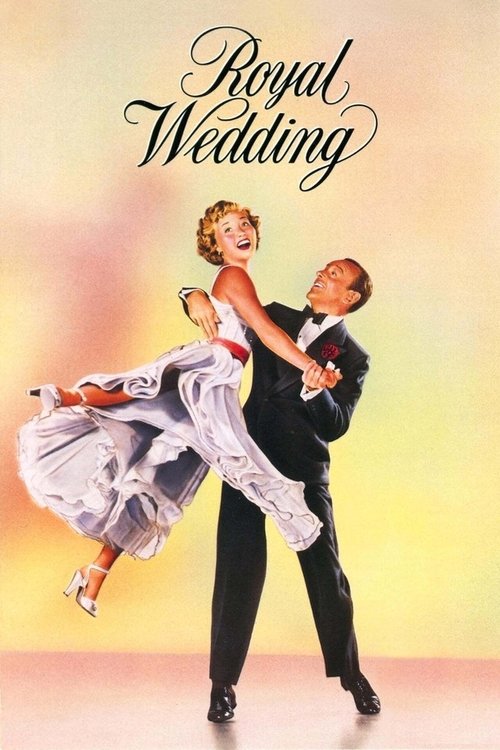
Royal Wedding1951
Fred Astaire and Jane Powell navigate international romance with grace and absurdity. The plotting is equally silly, but the dancing and musical numbers are beautifully crafted and genuinely inventive.
But Lacks the anarchic energy of Call Me Madam—it's more refined and less fun, which some will prefer and others will find polite to the point of tedium.
Not sure tonight? Get a pick in a minute, starting from Call Me Madam
The wildcard
Something you would not have found on your own.
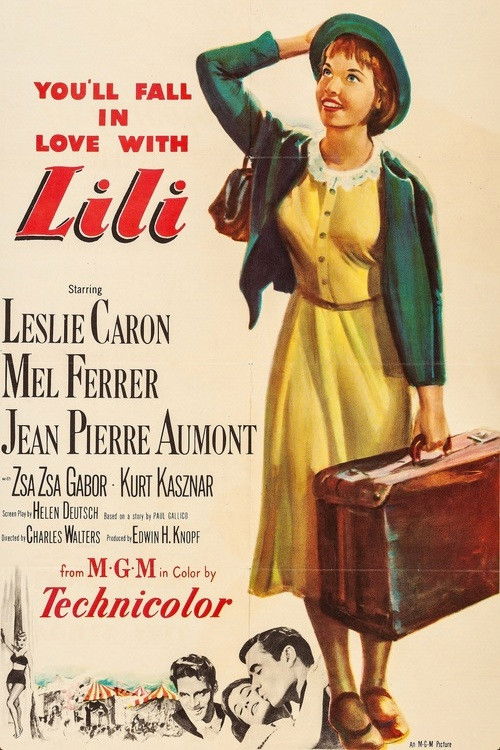
Lili1953
Both are '50s musicals about finding your place in an unfamiliar world, but one shouts and one whispers—same structural DNA, opposite register.
Also 1953, also a musical, but small and tender where Call Me Madam is large and bombastic. Mel Ferrer and Leslie Caron have genuine chemistry, and the carnival setting creates magic that spectacle alone can't. The final sequence is heartbreaking.
But It's far more sentimental and less energetic. If you're after Merman's belting and O'Connor's athleticism, this introspective fairy tale will feel slight and slow.
More like this (8)
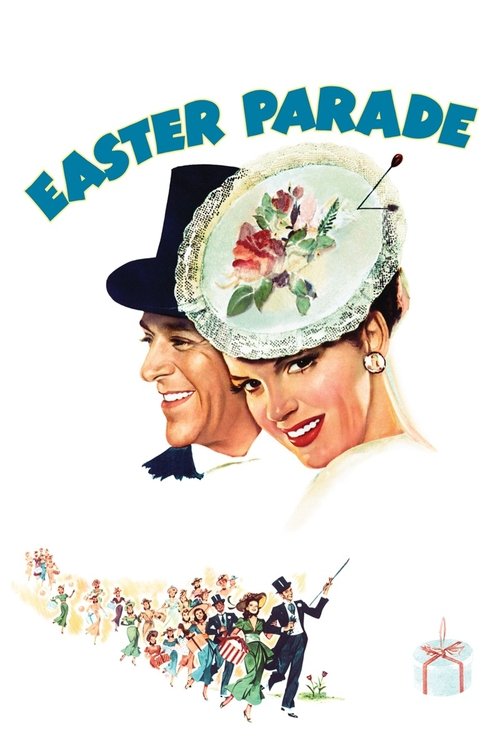
Easter Parade1948
Judy Garland and Fred Astaire in a backstage musical with a plot equally concerned with fashion, romance, and one-upmanship. Lighter on brain, heavy on charm and spectacular numbers.
But Garland's voice is magnificent but the story is tissue-thin. If you need narrative substance, this isn't it.
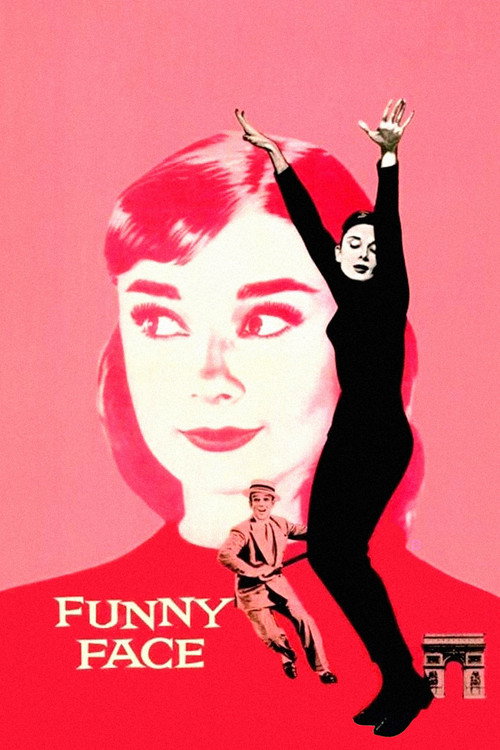
Funny Face1957
Audrey Hepburn and Fred Astaire dancing through Paris with a script that has genuine wit underneath the romance. The musical numbers are stunning, and Hepburn brings a different kind of star power than Merman.
But It's fundamentally about selling fashion magazines as aspirational, which reads cynically now. The class dynamics are also troubling under scrutiny.
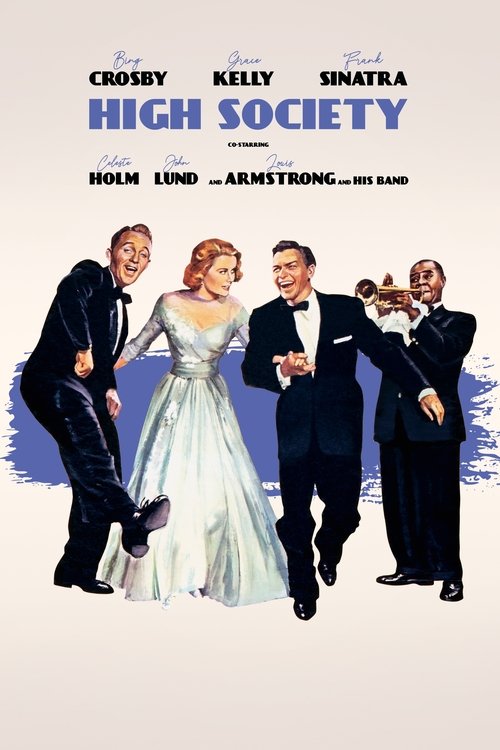
High Society1956
Grace Kelly and Bing Crosby in a musical that trades in the same high-society world as Call Me Madam, with a Cole Porter score that's genuinely terrific and a cast full of charisma.
But The tone is more sophisticated and less raucous—if you came for Merman's aggressive theatricality, you won't find it here.
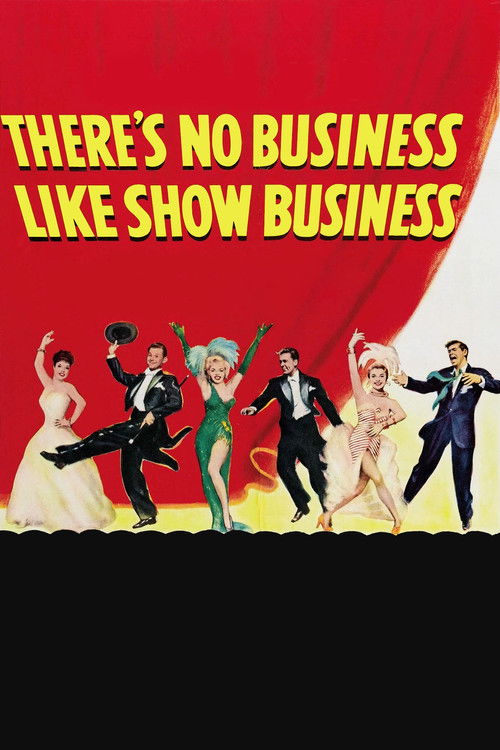
There's No Business Like Show Business1954
Ethel Merman, Marilyn Monroe, and Donald O'Connor all in one film. Merman gets to be Merman at full volume, and the numbers are energetic and inventive even when the plot is nonsense.
But It's genuinely scattered and loses focus regularly. The Irving Berlin songs are great but the film around them doesn't cohere.
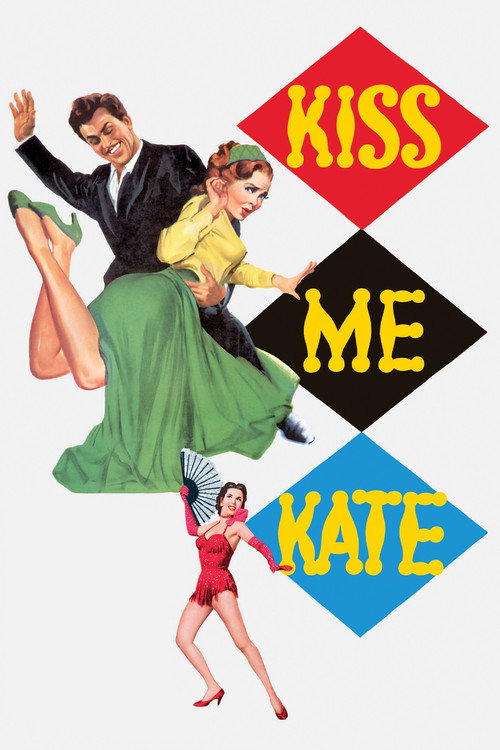
Kiss Me Kate1953
Ava Gardner and Howard Keel navigate backstage chaos with real chemistry, and the Cole Porter score is one of the best ever written for a musical. The split-screen sequences are technical marvels.
But It's built on The Taming of the Shrew, so the sexual politics are even messier than most 1950s musicals. Some will find it nasty under the spectacle.
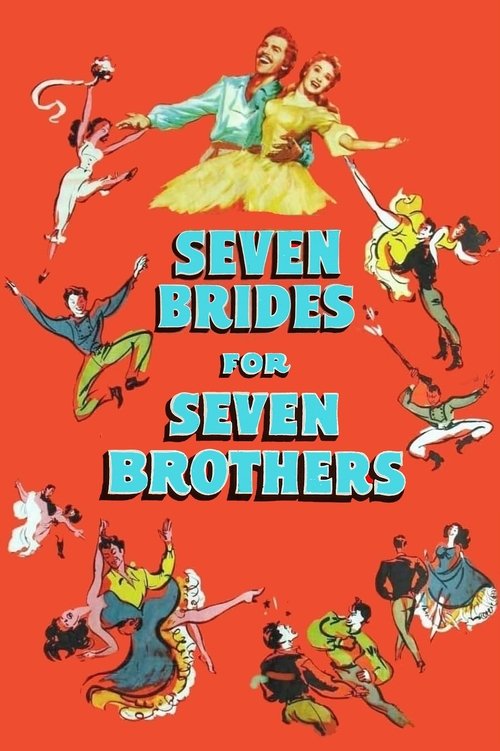
Seven Brides for Seven Brothers1954
A musical that prioritizes genuinely inventive choreography and a plot that actually moves. It's lighter than Call Me Madam but more energetic, with Michael Kidd's dance sequences as the real star.
But The gender dynamics are appalling—it's basically a rom-com about kidnapping and coercion, dressed up in a barn dance. That's not subtle.
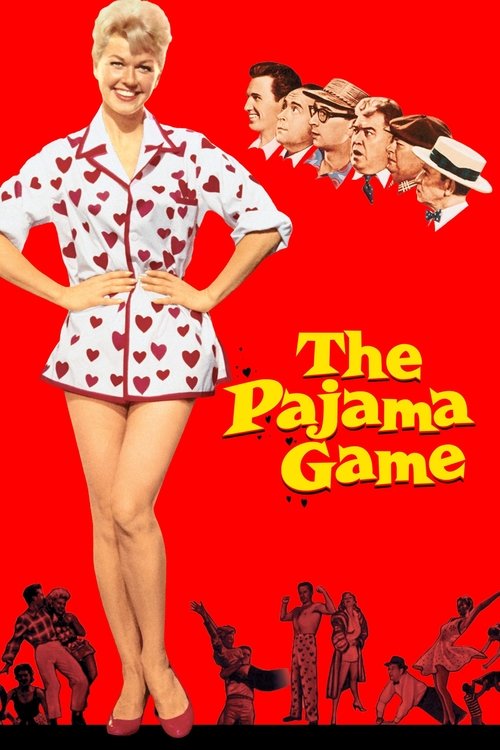
The Pajama Game1957
Both prove that 1950s musicals could work on different scales and with different purposes—Call Me Madam is pure surface charm, The Pajama Game asks a musical to earn its numbers through plot.
A musical that began on Broadway but was filmed with real movie craft. It's about labor organizing in a fabric factory, which means the song-and-dance numbers emerge from genuine stakes rather than thin air. Doris Day and John Raitt are terrific together.
But The earnestness is real—it's not camp or purely decorative. If you want gilded surfaces and escapism, the attempt at substance will feel jarring.
The Red Shoes1948
Where Call Me Madam makes theater out of cinema, this makes cinema out of theater—both are musicals obsessed with performance itself, but they aim in opposite directions.
A backstage musical from Michael Powell and Emeric Pressburger that is essentially about art and obsession rather than romance and comedy. The ballet sequences are genuinely extraordinary, filmed with a visual invention that Hollywood musicals rarely attempted. It's theater as cinema, not cinema pretending to be theater.
But It's British, it's serious, and the central love triangle is ultimately tragic. If you came for Ethel Merman's wisecracks and a happy ending, this will feel like a completely different genre.

People
Cast
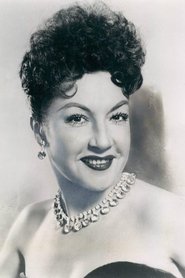 Ethel MermanSally Adams
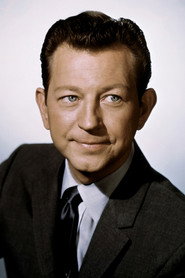 Donald O'ConnorKenneth Gibson
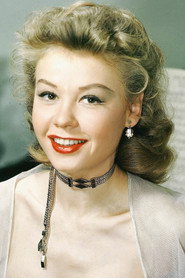 Vera-EllenPrincess Maria
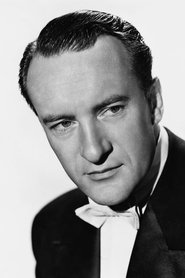 George SandersCosmo Constantine
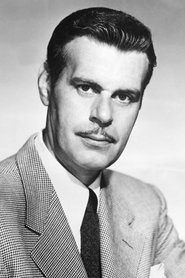 Billy De WolfePemberton Maxwell
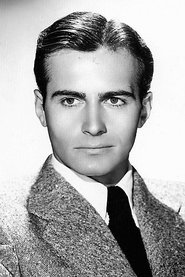 Helmut DantinePrince Hugo
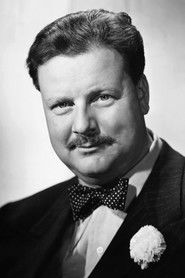 Walter SlezakAugust Tantinnin
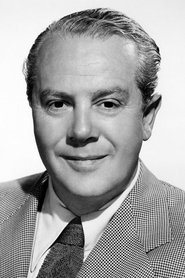 Steven GerayPrime Minister Sebastian
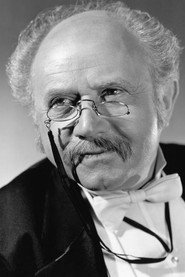 Ludwig StösselGrand Duke Otto
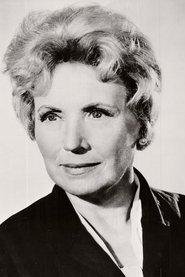 Lilia SkalaGrand Duchess Sophie
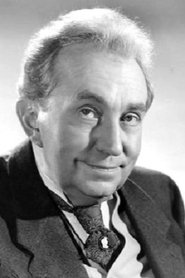 Charles DingleSenator Brockway
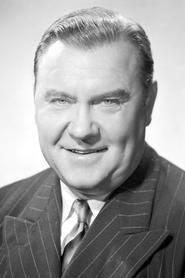 Emory ParnellSenator Gallagher
Directing
- Hal KleinAssistant Director
- Walter LangDirector
Writing
- Howard LindsayBook
- Russel CrouseBook
- Irving BerlinLyricist
- Arthur SheekmanScreenplay
Production
- Sol C. SiegelProducer