
Film
Lili
A 1953 musical romance about a young woman stranded in Paris who finds belonging and unexpected love through performing with enchanted puppets in a traveling circus. Delightfully strange, visually gorgeous, and surprisingly moving despite its whimsy. For anyone who's ever felt out of place or who loves cinema that trusts its own magic.
Should you watch it?
Watch it if you enjoy a gentle, slightly wistful fairy-tale romance where a lonely heart finds its voice through make-believe creatures and a carnival's warm, cheerful bustle.
Skip it if you find sentimental, talk-to-the-puppets sincerity hard to swallow, or want a sharper, more modern romance with less whimsy and more bite.
What it asks of you: Around eighty minutes, it moves at a gentle, unhurried clip, inviting you to settle into its sweetness and let the songs and small, stubborn hopes carry the mood.
Not sure? Find tonight's pick in a minute.
If you liked this
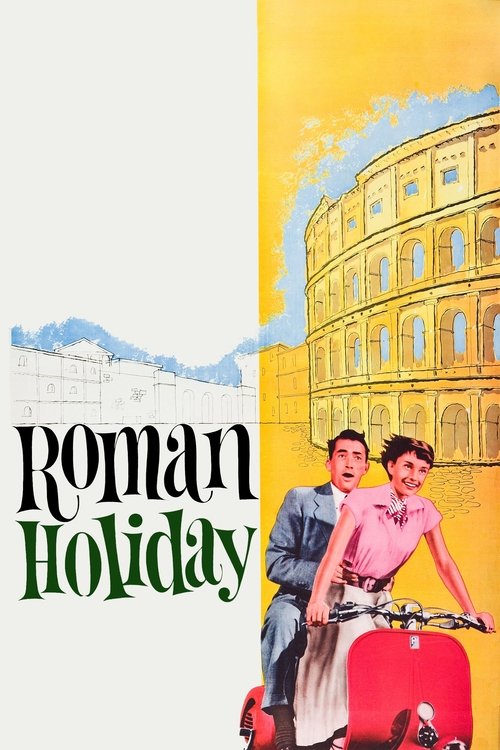
Roman Holiday1953
A princess escapes protocol and discovers Rome and genuine connection with a stranger. Audrey Hepburn's luminous charm and Gregory Peck's warmth create the same fairy-tale romance Lili achieves, wrapped in gorgeous European settings and real emotional stakes.
But The plot is thin and the ending is predetermined from frame one. If you need complex narrative or character conflict, this will feel like watching people be beautiful at you for two hours.
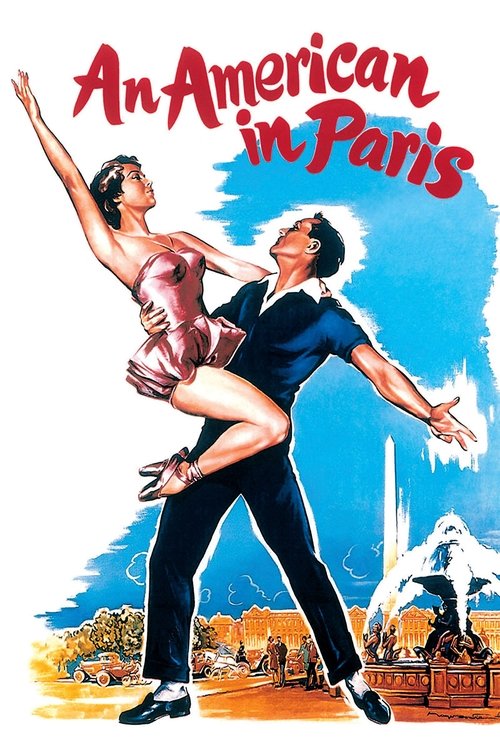
An American in Paris1951
Gene Kelly and Leslie Caron dance through postwar Paris in a film that, like Lili, makes romance feel like a kind of performance art. Ambitious musical numbers, genuine feeling, and that specific MGM magic of making impossibility feel inevitable.
But The pacing drags between dance sequences. Some viewers find the extended ballet finale indulgent rather than transcendent.
The Red Shoes1948
A dancer torn between love and art, shot in ravishing Technicolor by visionaries who understood that cinema itself could dance. It shares Lili's obsession with the transformative power of performance and romantic passion as a kind of madness.
But It's operatic and heavily stylized. The ending is bleak. If you prefer grounded, naturalistic drama, this will feel overwrought.

Not sure tonight? Get a pick in a minute, starting from Lili
The wildcard
Something you would not have found on your own.
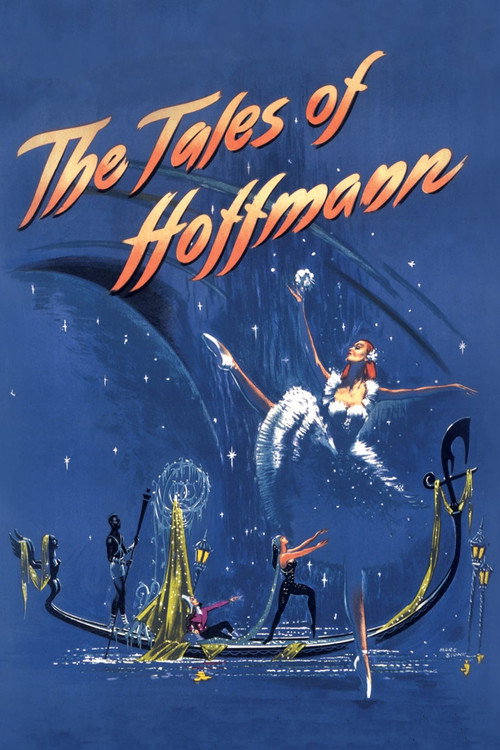
The Tales of Hoffmann1951
Both films believe that performance *is* the story. Lili sings her heart to puppets; Hoffmann's life *is* an opera. Both trust that artifice, color, and music can express truths that realism cannot touch.
Powell and Pressburger's operatic fever dream about a poet in love with three different women, each representing a different kind of impossible desire. Like Lili, it's a film that doesn't separate narrative from spectacle—everything is dance, music, color, emotion made visible.
But It's an opera. There is singing. Lots of it. In a different language than you might expect. If you want dialogue and naturalism, you will hate this within five minutes.
More like this (8)
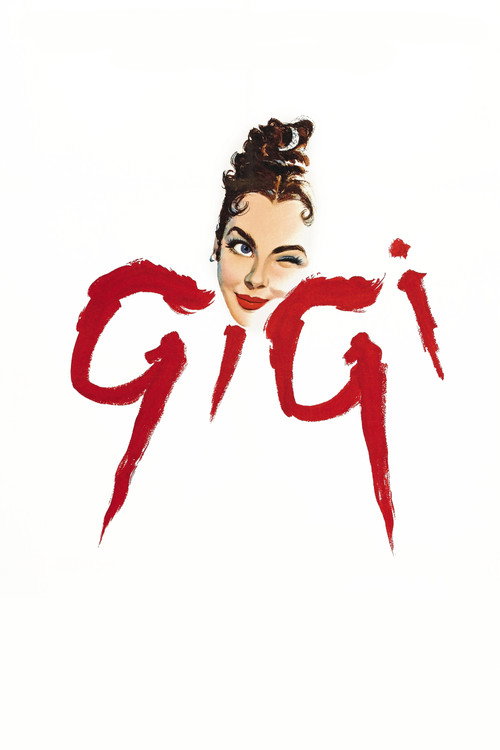
Gigi1958
A girl grows up in Belle Époque Paris under the tutelage of her grandmother, discovering love and her own power through musical performance. Similar era, similar mix of lightness and genuine emotion, and Maurice Chevalier's warmth echoes Lili's charm.
But The pacing is leisurely. The second half moves like honey. Modern audiences often find it slow and overly precious.
Singin' in the Rain1952
Pure cinema joy. Gene Kelly and Donald O'Connor prove that musicals work because they let characters express things words cannot. The same philosophy that makes Lili sing to puppets runs through this film's DNA.
But The Lina Lamont subplot involves some genuine cruelty played for laughs. Some of the humor hasn't aged well. If you need your entertainment morally uncomplicated, skip it.

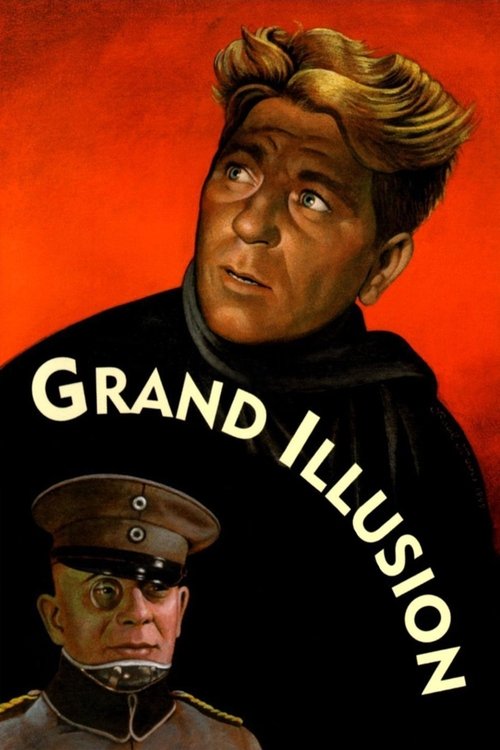
Grand Illusion1937
A French film about connection and the bonds between human beings during wartime. Shares Lili's humanism and belief that people are fundamentally good and drawn to each other. Renoir's warmth is contagious.
But It's a war film from the '30s. The pacing is deliberately unhurried. Black and white, subtitled, no musical numbers—it asks patience.
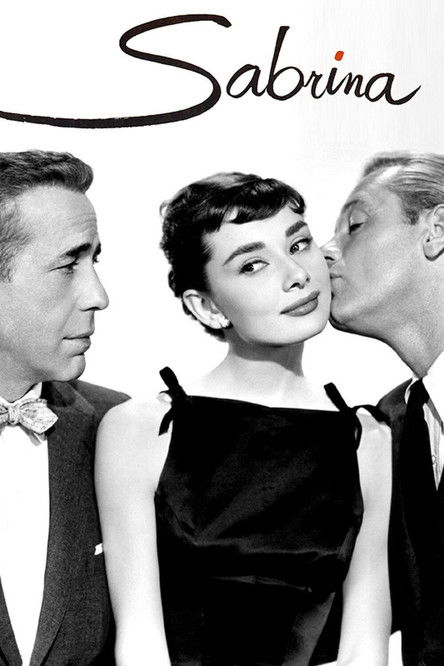
Sabrina1954
Audrey Hepburn as the daughter of a chauffeur who blossoms into elegance and love. That same quality of transformation through experience, romance as discovery of self, gorgeous Old World Europe as backdrop.
But The love triangle is resolved in a way that prioritizes male fantasy over female agency. The class commentary is surface-level.
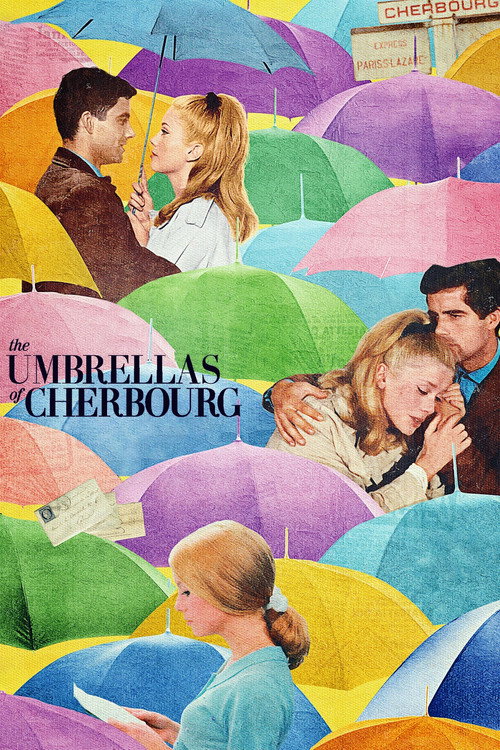
The Umbrellas of Cherbourg1964
A musical about young love in a French port town, saturated in color and feeling. It understands—like Lili—that romance can be a kind of choreography, that heartbreak deserves orchestral accompaniment.
But The plot is paper-thin and the ending refuses Hollywood comfort. If you need narrative substance or a happy resolution, this will frustrate you.
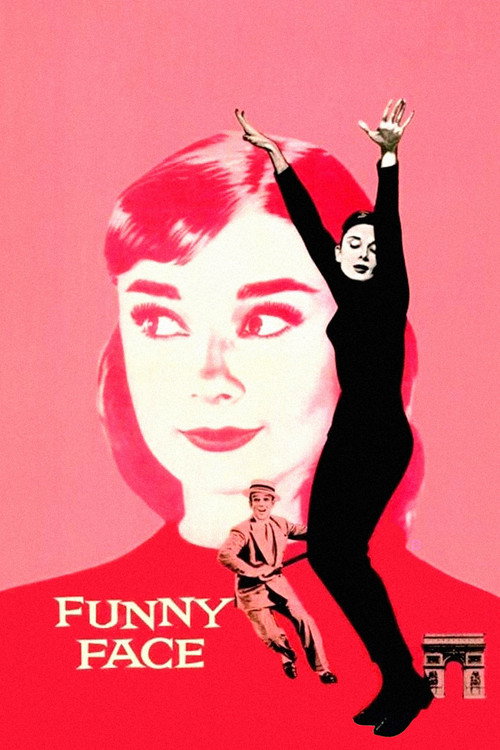
Funny Face1957
Audrey Hepburn and Fred Astaire in Paris, dancing and falling in love. The transformation of an awkward woman into a glamorous muse has echoes of Lili's own journey, wrapped in wonderful numbers and genuine affection.
But The fashion industry backdrop feels dated. The gender dynamics—man shapes woman into his ideal—won't sit well with modern viewers. It's frothy entertainment, not critique.
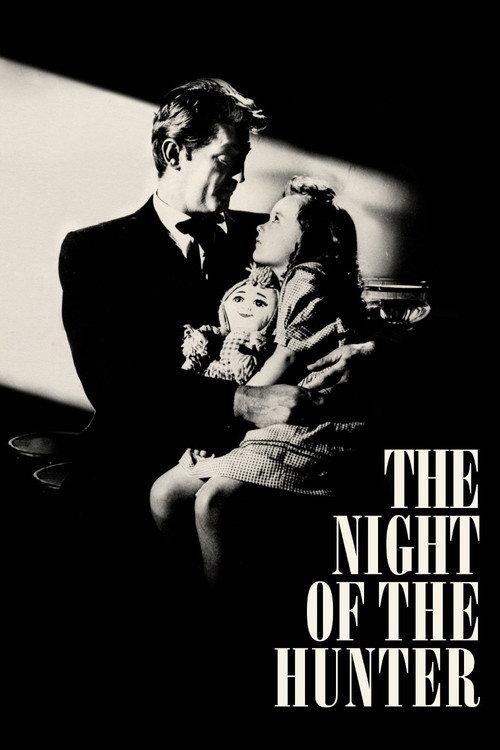
The Night of the Hunter1955
Both are films of the early '50s that trust visual storytelling over dialogue, that use European fairy-tale logic to shape narrative, and that see the world through a protagonist's emotional truth rather than objective reality. Both are stylized to the point of abstraction.
Charles Laughton's only directorial effort: a nightmare folk tale about a preacher hunting two orphans. Expressionist shadows, childlike terror, a world viewed from below. Visually unlike anything else in 1950s cinema—it looks like a storybook rendered in shadows.
But It's unsettling and strange and does not resolve like a normal film. The tone is singularly dark. If you saw Lili for comfort, this will unsettle rather than soothe.
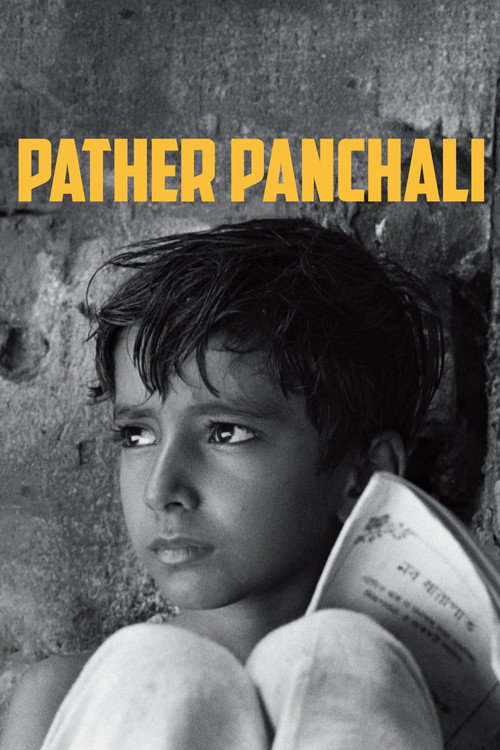
Pather Panchali1955
Lili is a Western film about a girl finding home through performance and belonging; Pather Panchali is about children finding grace in the absence of all those things. Both understand that cinema's greatest power is capturing the invisible—the moment when a person is seen, truly seen. Both prove that an 81-minute film can contain something infinite.
Satyajit Ray's debut: a Bengali family struggling and enduring. No plot in the conventional sense, just the texture of life—rain, hunger, joy, loss, the way poverty reshapes dignity. Devastatingly beautiful and true in ways most films never attempt.
But It's slow. Subtitled. No music score, just the sounds of living. The 'story' is that time passes and people suffer and persist. If you're looking for narrative momentum or entertainment, this is the opposite.
People
Cast
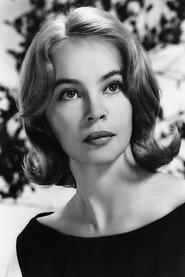 Leslie CaronLili Daurier
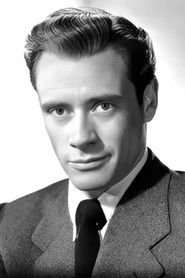 Mel FerrerPaul Berthalet
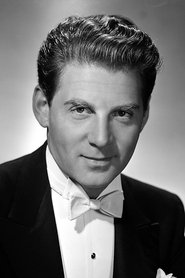
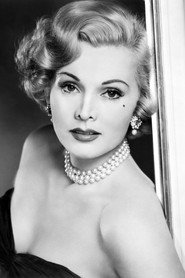 Zsa Zsa GaborRosalie
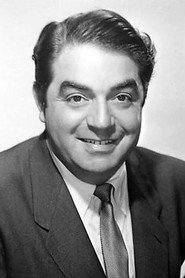 Kurt KasznarJacquot
 Amanda BlakePeach Lips
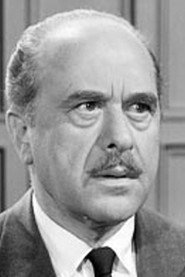 Alex GerryProprietor
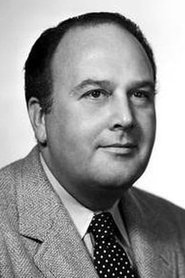 Ralph DumkeM. Corvier
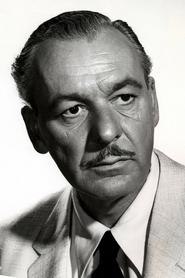 Wilton GraffM. Tonit
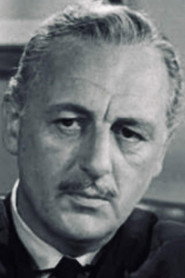 George BaxterM. Enrique
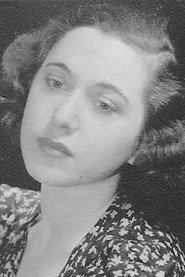 Eda Reiss MerinFruit peddler (uncredited)
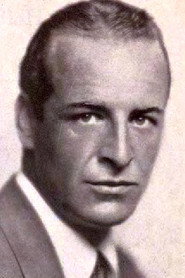 Reginald SimpsonWorkman (uncredited)
Directing
- Al JenningsAssistant Director
- Charles WaltersDirector
Writing
- Helen DeutschScreenplay
- Paul GallicoStory
Production
- Edwin H. KnopfProducer
- Hugh BoswellUnit Production Manager
Recommended by
Being Elmo: A Puppeteer's Journey, Rose Marie, Lovely to Look At, Hans Christian Andersen, Call Me Madam