
Film
The Best Things in Life Are Free
A lavish 1956 musical about the songwriting trio behind the roaring twenties' greatest hits. It's a showcase for Raymond Chandler-style backstage drama wrapped in gorgeous Technicolor production numbers—think *Singin' in the Rain* filtered through ego and ambition. For anyone who loves the pageantry of old Hollywood musicals and will forgive generous helpings of sentiment for the sake of dancing, color, and killer tunes.
If you liked this
Singin' in the Rain1952
The gold standard of Golden Age musicals. It has the same mix of technical virtuosity, charm, and real movie-musical invention—dancing that makes you believe in the form itself. Pure joy made visible.
But Three-plus hours of optimism about show business can feel relentless if you're not in the mood. Some of the plot is threadbare.

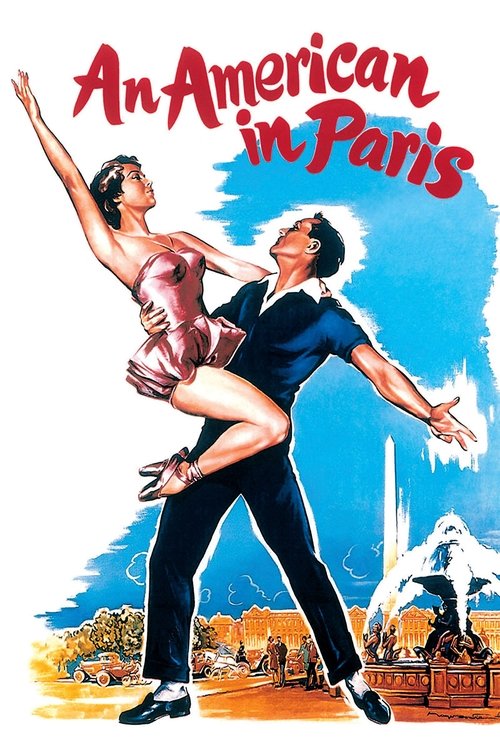
An American in Paris1951
Another Technicolor love letter to performance and design. It features Gene Kelly at his peak, a score that rivals anything from this era, and a 17-minute ballet sequence that justifies the entire form. Gorgeous and moving.
But The romance plots are thin enough to see through. If you're tired of postwar earnestness, the sentimentality will test you.
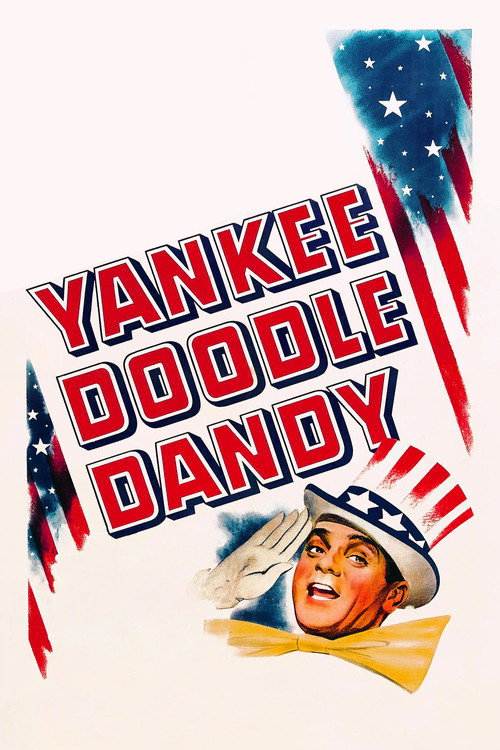
Yankee Doodle Dandy1942
James Cagney as George M. Cohan: a genuine star vehicle about a genuine star. The numbers are tighter and more grounded than *Best Things*, the script is sharp, and Cagney's energy is infectious. This is how you make a showman's story sing.
But Black and white, 1940s pacing, and a relentless wholesomeness. If you need Technicolor pop, look elsewhere.
Not sure tonight? Get a pick in a minute, starting from The Best Things in Life Are Free
The wildcard
Something you would not have found on your own.
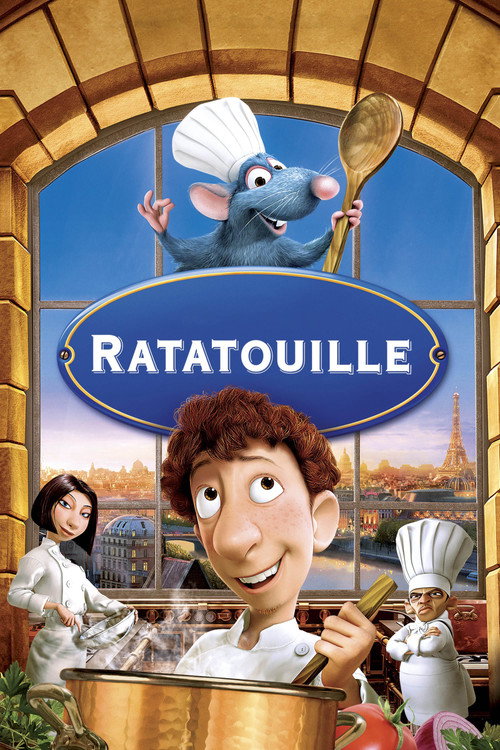
Ratatouille2007
Both dramatize the same creative question: do you serve the work, or does the work serve your ambition? Remy and Linguini figure it out; De Sylva has to learn it through loss.
This animated film shares *Best Things*' core engine: a story about artistic collaboration, ego, and the question of whether the work matters more than the individual. A rat and a chef create something greater than either could alone. It has the same moral, told with far more wit and heart.
But It's a Pixar film for families. If you need live action and period glamour, the form will feel trivializing at first.
More like this (7)
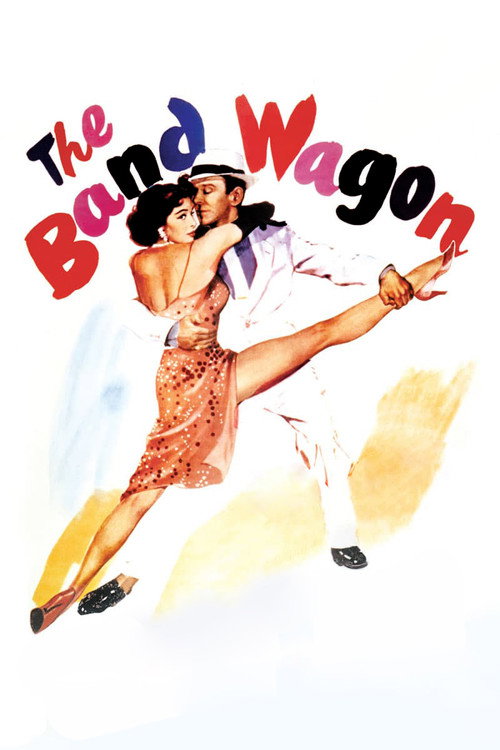
The Band Wagon1953
Fred Astaire and Cyd Charisse in a film about making a musical—all backstage friction, real stakes, and dance sequences so witty they do the work of dialogue. It has the same DNA as *Best Things* but with sharper wit and better performances.
But Abstract and theatrical. The plot is deliberately thin, which works brilliantly or feels pretentious depending on your patience.
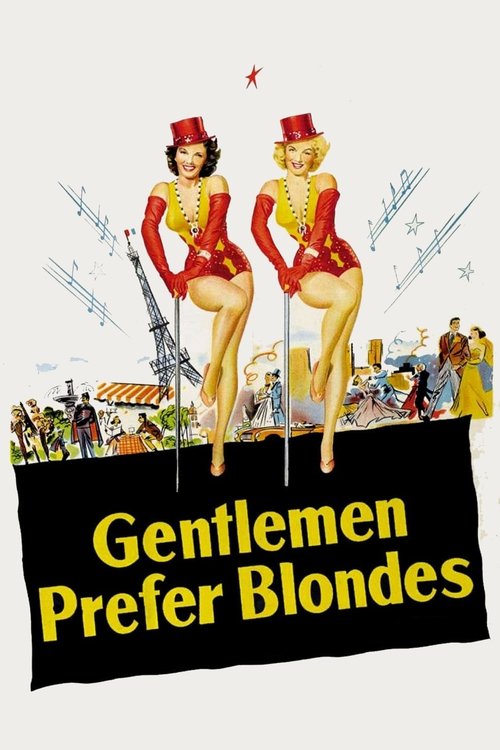
Gentlemen Prefer Blondes1953
Marilyn Monroe and Jane Russell in a 1920s-set romp that has the same Technicolor glamour and period swagger as *Best Things*, but with genuine comedy and star power. It's lighter, wittier, and surprisingly feminist for its era.
But It's a dumb film on purpose. If you need sophistication or substance, this isn't the ticket.
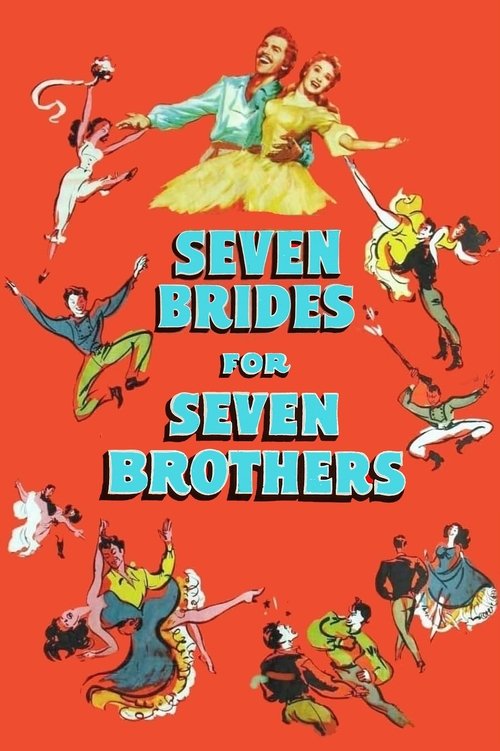
Seven Brides for Seven Brothers1954
A musical where the choreography and music do the emotional heavy lifting that dialogue usually handles. Raw energy, real dancing, and songs that stick. It proves musicals work best when they *dance* their feelings rather than sing them.
But The gender dynamics are squarely 1950s. The romance plot is underbaked and problematic by any modern standard.
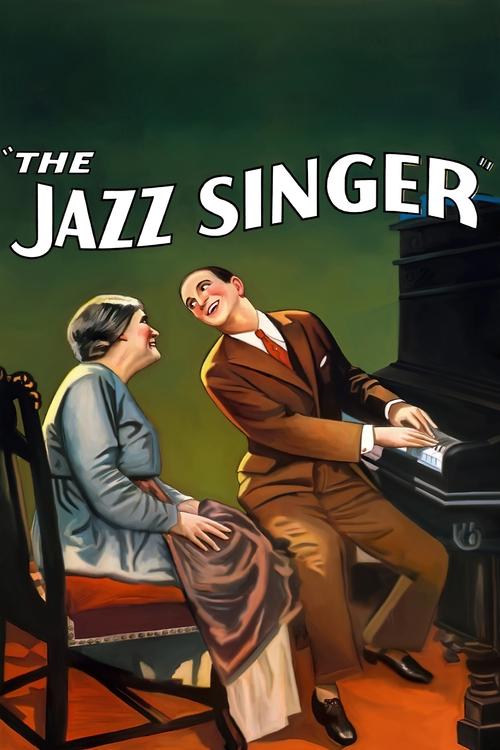
The Jazz Singer1927
The first talking picture, and it's a musical about show business ambition. It's creaky and uncomfortable in ways that matter historically, but if you want to see the DNA of every backstage musical that followed, this is it—the first time sound and song proved they belonged in movies.
But Even by 1927 standards it's slow. The racial politics are wrong in ways that are distracting. It's more valuable than fun.
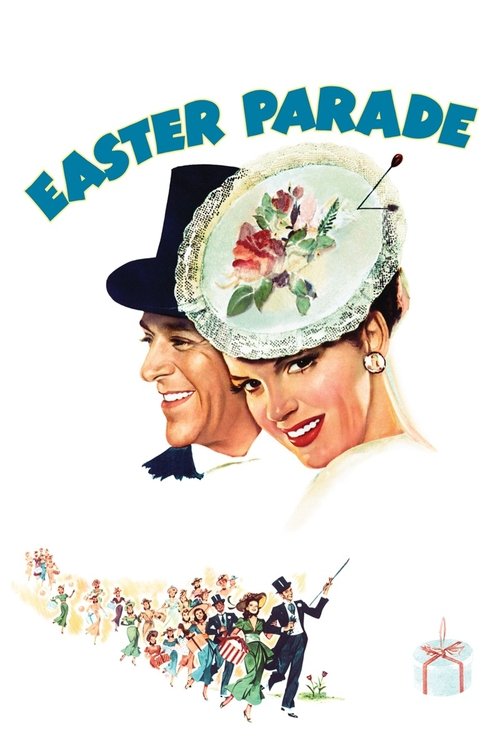
Easter Parade1948
Fred Astaire and Judy Garland in a lightweight charmer about dancers and rivalry. It has the same production-number impulse as *Best Things*, less ambition, and more honest warmth. Sometimes that's exactly what you need.
But It's fluff, pleasantly but irredeemably. If you want something with thematic weight or sophistication, don't bother.
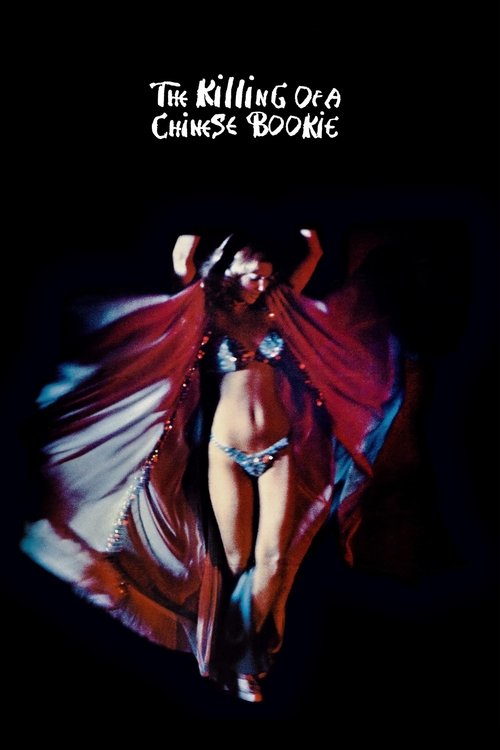
The Killing of a Chinese Bookie1976
Both are about what happens when talented men prioritize themselves over their collaborators. *Best Things* makes it a melodrama; Cassavetes makes it a tragedy you can't look away from.
John Cassavetes' film about a nightclub owner destroying himself through ego and bad decisions. It's shot in grainy 16mm, it's unglamorous and slow, but it takes the same skeleton as *Best Things*—performer, ambition, betrayal—and treats it with actual gravity. Devastating and real.
But It's the opposite of beautiful. If you watch *Best Things* for Technicolor escapism, this will feel like a punishment.
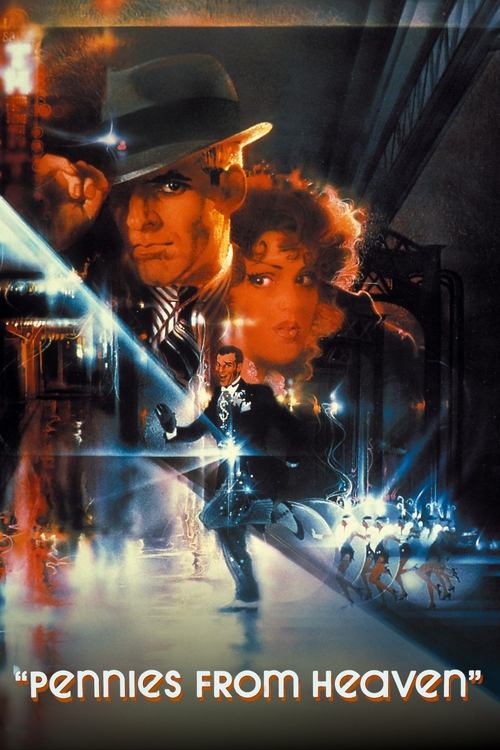
Pennies from Heaven1981
Both films love the music and the era, but Pennies From Heaven sees through the gloss to the emptiness underneath. It's what happens when you make a 1950s musical with a 1980s moral conscience.
Steve Martin as a Depression-era sheet-music salesman in a musical that's actually about loneliness and desperation. It uses 1930s standards the way *Best Things* uses 1920s ones, but as ironic commentary on lives that don't match the glossy music. Dark, surprising, and genuinely moving.
But It's bleak and sexually frank in ways the 1956 film would never be. The fantasy sequences are jarring if you're expecting traditional musical comfort.
People
Cast
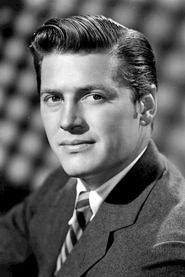 Gordon MacRaeB.G. 'Buddy' De Sylva
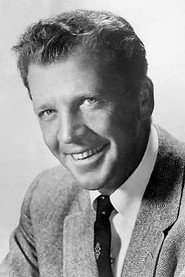 Dan DaileyRay Henderson
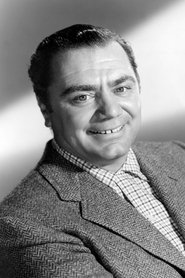 Ernest BorgnineLew Brown
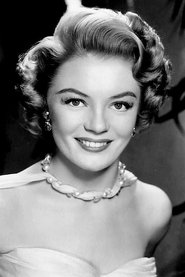 Sheree NorthKitty Kane
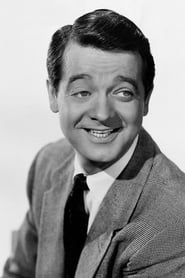 Tommy NoonanCarl Frisbee
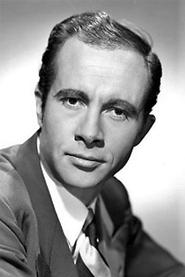 Murvyn VyeManny Costain
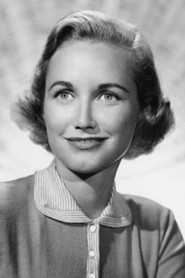 Phyllis AveryMaggie Henderson
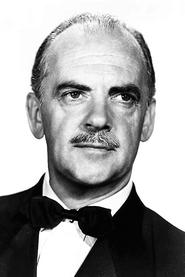 Larry KeatingWinfield Sheehan
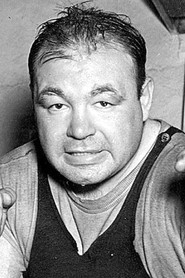 Tony GalentoFingers
- Norman BrooksAl Jolson
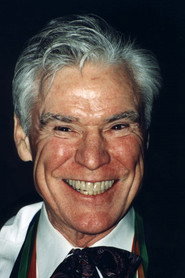 Jacques d'AmboiseSpecialty Dancer
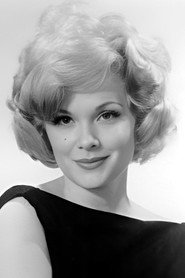 Roxanne ArlenPerky Nichols
Directing
- David SilverAssistant Director
- Michael CurtizDirector
Writing
- Phoebe EphronScreenplay
- William BowersScreenplay
- John O'HaraStory
Production
- Henry EphronProducer