
Film
The Belle of New York
- Romantic comedy
- Light-hearted
A cheerful 1952 musical where Fred Astaire plays a reformed playboy falling for a mission-house worker in turn-of-the-century New York. It's feather-light confection—tap dancing, romantic banter, and Vera-Ellen's legwork—designed to charm rather than challenge. Perfect if you want colour, movement, and someone to sing about their feelings without irony.
If you liked this
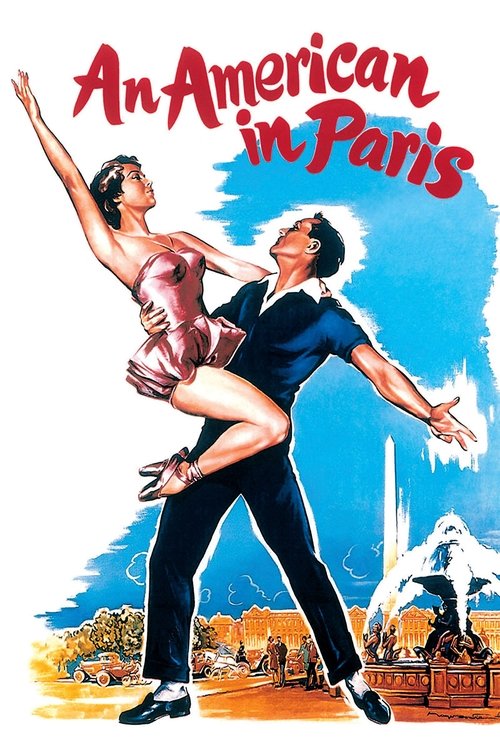
An American in Paris1951
Gene Kelly in Paris, dancing through gorgeous Technicolor sets with Gershwin underscoring every step. A musical that justifies the form itself; the dancing IS the story, and it's magnificent.
But Nearly three and a half hours, and the final twenty-minute ballet might test your patience if you're not already sold on pure spectacle.
Singin' in the Rain1952
Donald O'Connor, Gene Kelly, and Debbie Reynolds in a film so joyful and inventive that it rewires your brain about what musicals can do. Every number earns itself; nothing feels obligatory.
But If you find tap-dancing montages exhausting rather than exhilarating, this will feel relentless.

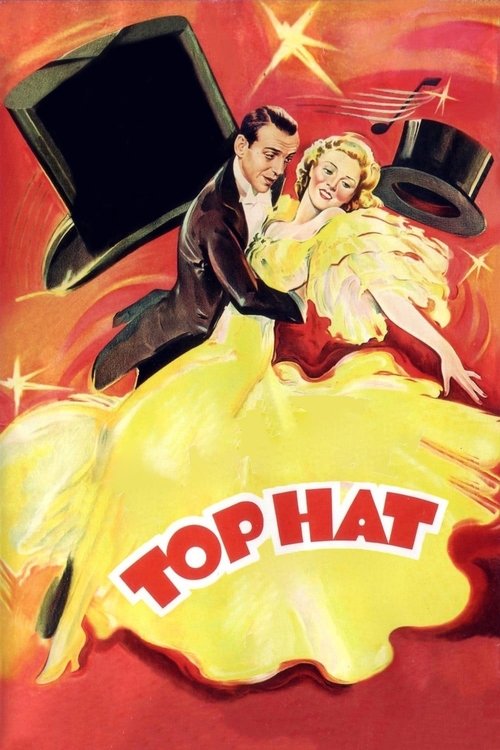
Top Hat1935
Astaire and Rogers at their peak, sparring with wit and dancing with telepathic precision. Effortless charm and the template every romantic musical after tried to follow.
But The pacing is deliberate—plot takes its time, and the romance requires patience before the payoff.
Not sure tonight? Get a pick in a minute, starting from The Belle of New York
The wildcard
Something you would not have found on your own.
The Red Shoes1948
Both centre on tap/ballet as the grammar of romance, but *Red Shoes* uses dance to explore what *Belle of New York* only gestures at: the impossible choice between art and domestic happiness.
Powell and Pressburger's masterpiece: a ballet dancer torn between art and love, told partly through a 15-minute ballet sequence that rewrites what cinema can do. Visually intoxicating, emotionally devastating.
But It's not light entertainment—it's about ambition, sacrifice, and the cost of beauty. The ending will gut you.

More like this (8)
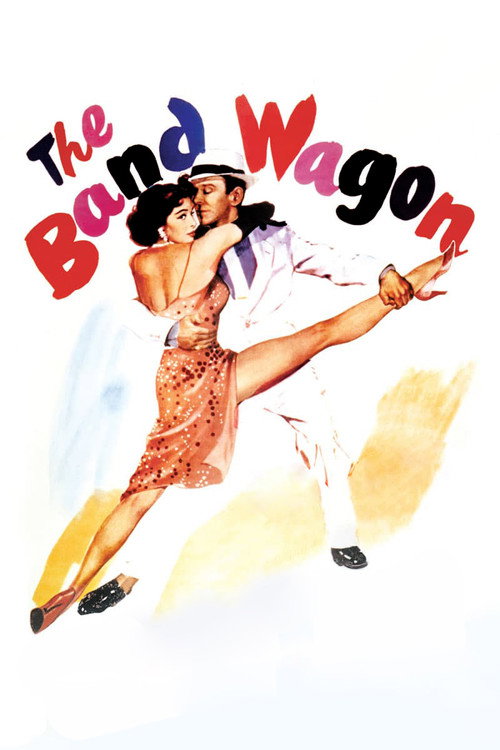
The Band Wagon1953
Astaire again, but sharper and a touch melancholy, dancing through a backstage romance with Cyd Charisse. Smarter than it has any right to be, and the dancing is at his absolute peak.
But The first act drags setting up the theatrical framework; rewards come in the second half.
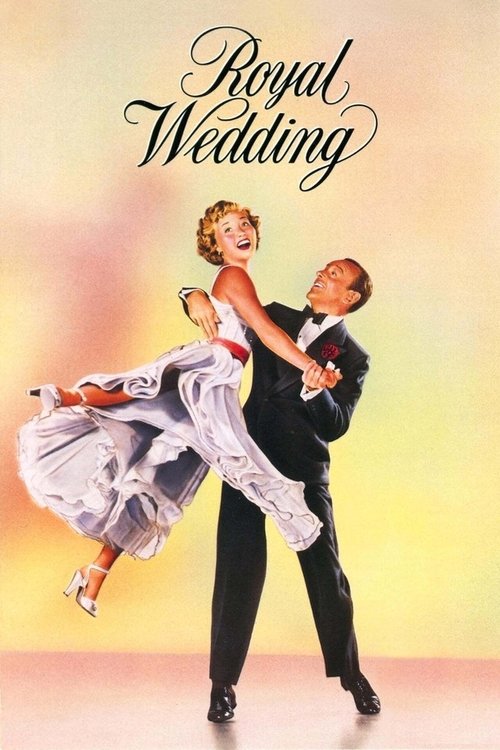
Royal Wedding1951
Astaire in London for the coronation, falling for Jane Powell while delivering some of his most physically inventive dancing, including the famous gravity-defying chair sequence.
But The plot is thin even by 1951 musical standards, and Powell's character doesn't quite justify the screen time.
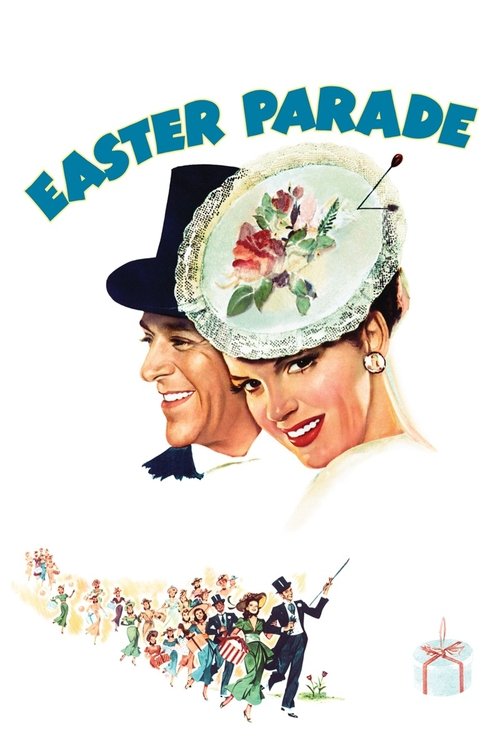
Easter Parade1948
Astaire and Judy Garland, Irving Berlin songs, New York glamour. A smaller-scale musical that lets the performers breathe and the charm accumulate naturally.
But It's very much of its moment—the humour doesn't always translate, and some supporting bits feel dated.
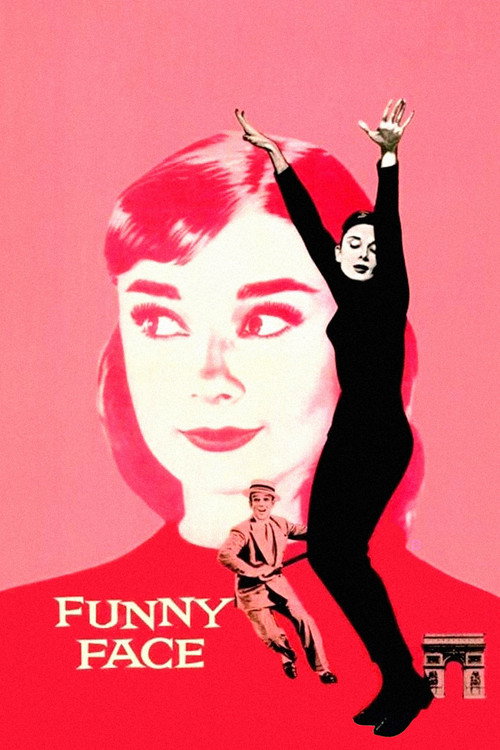
Funny Face1957
Audrey Hepburn and Astaire in Paris, with songs by the Gershwins and fashion photography as visual language. More sophisticated than most musicals, genuinely beautiful.
But The age gap between the leads is vertiginous, and the film doesn't quite acknowledge it as a problem.
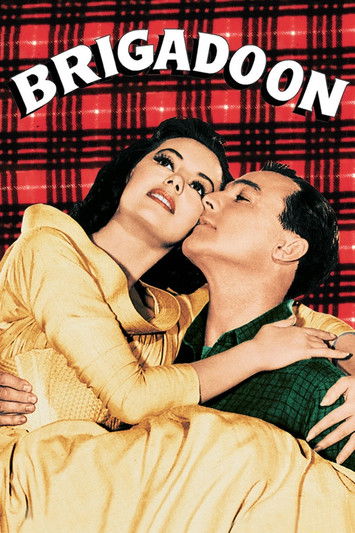
Brigadoon1954
Gene Kelly and Van Johnson stumble into a Scottish village that exists only one day every century. Lerner and Loewe at their most enchanting, with dance-driven storytelling that works.
But The fantasy logic is pretty arbitrary, and some supporting performances feel like community theater.
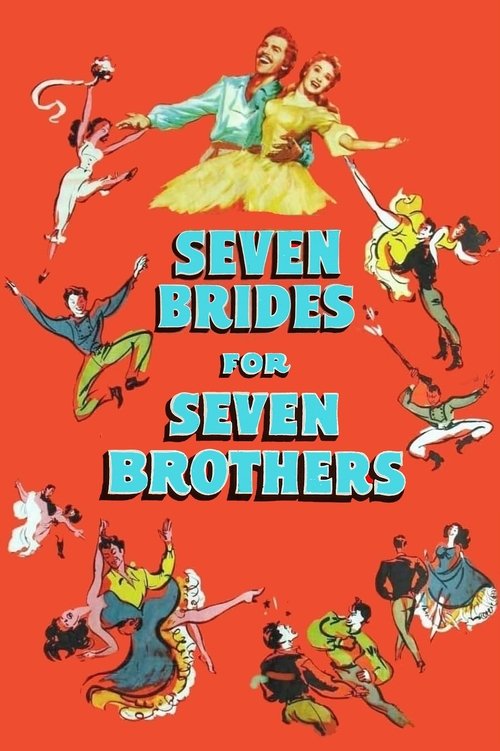
Seven Brides for Seven Brothers1954
A musical built on a kidnapping premise that somehow still works, with Michael Kidd's choreography turning barn-raising and male bonding into physical poetry.
But The ethics of the central plot are genuinely uncomfortable if you're paying attention, which the film actively discourages.
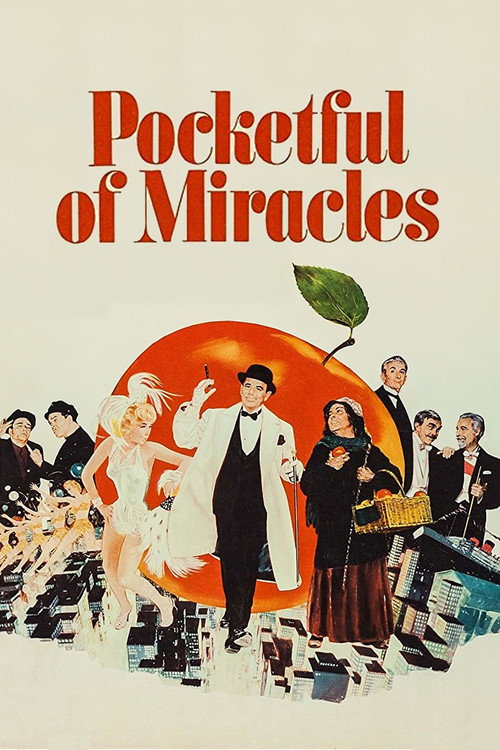
Pocketful of Miracles1961
Both are musicalless love stories built on the premise of a playboy reforming for a good woman, but *Pocketful* does it with real mess and age and consequence instead of tap shoes and optimism.
Frank Capra's last film: a con-artist remake of *Lady for a Day*, warm and rambling and full of character. Glenn Ford, Bette Davis, and a story about redemption that actually earns it.
But It's baggy and sentimental, and Capra's style was already old-fashioned by 1961. If you need tight plotting, look elsewhere.
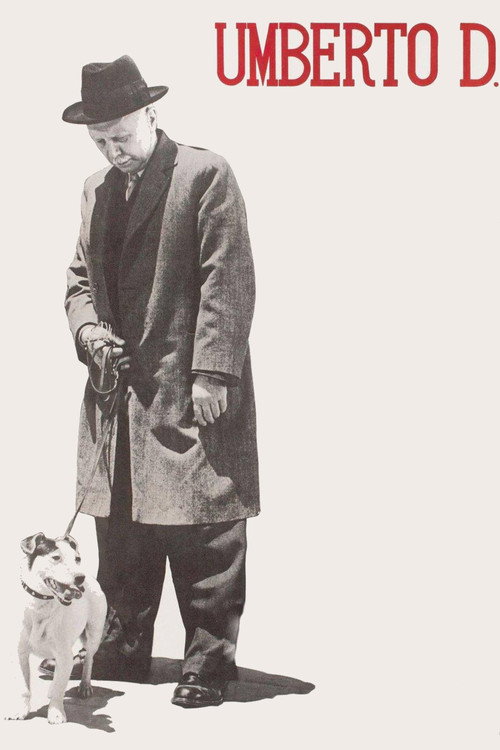
Umberto D.1952
Released the same year as *Belle*, it's the film's exact moral inverse: instead of a world that rewards reform and romance, Umberto's world offers dignity and then takes it away. Together they show 1952's split personality about what cinema was for.
De Sica's heartbreaker: an elderly pensioner and his dog navigate Rome's indifference. Shot like documentary, acted like truth. In 82 minutes it will remake how you think about film itself.
But It is the opposite of escapism—bleak, slow, and it ends where it begins. Watching it is an act of witness, not entertainment.
People
Cast
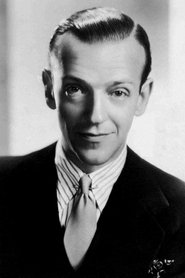 Fred AstaireCharlie Hill
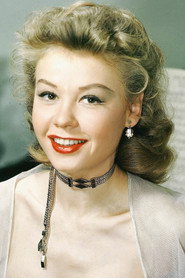 Vera-EllenAngela Bonfils
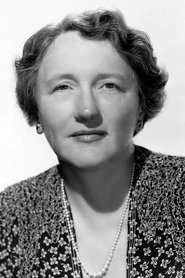 Marjorie MainMrs Phineas Hill
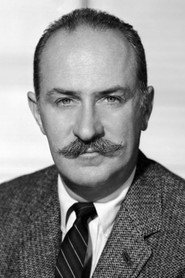 Keenan WynnMax Ferris
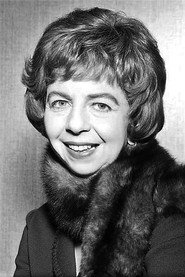 Alice PearceElsie Wilkins
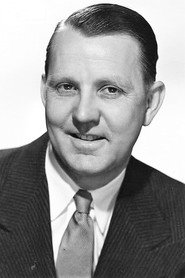 Clinton SundbergGilford Spivak
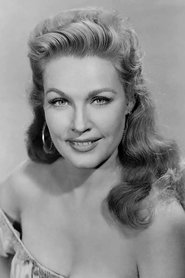 Gale RobbinsDixie 'Deadshot' McCoy
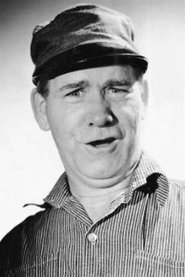 Tom DuganWith Wedding Gift of Stolen Silver (uncredited)
- Ed HaskettSupper Club Patron (uncredited)
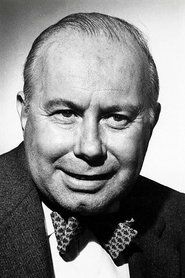 Percy HeltonPresents Angela with Flowers (uncredited)
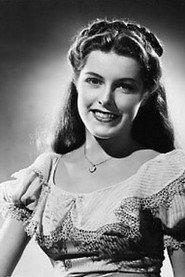 Dorinda CliftonOne of Frenchie's Girls (uncredited)
Directing
- Charles WaltersDirector
Writing
- Chester ErskineAdaptation
- C.M.S. McLellanTheatre Play
- Irving ElinsonWriter
- Robert O'BrienWriter
Production
- Arthur FreedProducer