
Film
Earl Carroll Sketchbook
A 1946 musical revue built around the famous Earl Carroll Follies, where an aspiring singer and her songwriter lover navigate showbiz ambitions and professional jealousy. It's a backstage romp with plenty of song and dance numbers, designed as a vehicle for fresh talent and established stars alike. Lightweight and eager to please—the kind of thing where plot exists only between musical numbers.
If you liked this
Singin' in the Rain1952
The gold standard of Hollywood musicals: joyful, inventive, with three genuine stars at their peak. The energy never flags, and the dance sequences are miraculous. If you want to feel what a great musical can do, start here.
But It's deeply of its era—the gender dynamics are dated, and the plot is thin to the point of invisibility. Some find it saccharine.

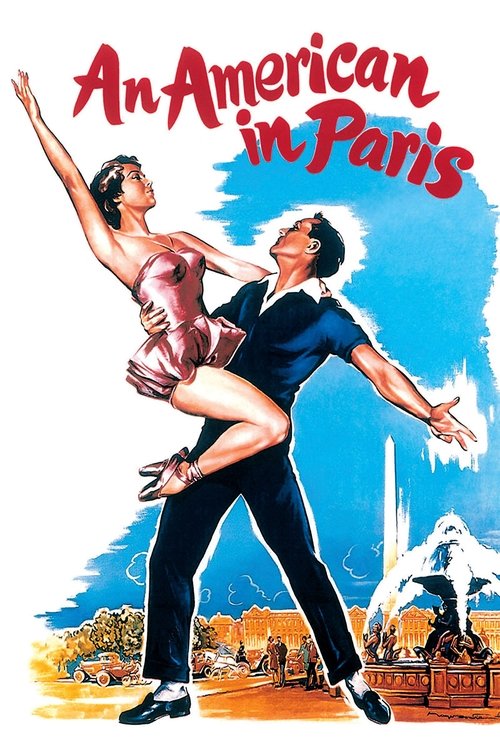
An American in Paris1951
Gene Kelly and Leslie Caron in a romance that builds through dance. The lengthy ballet finale is breathtaking. It captures the particular magic of a film musical where the dancing isn't decoration—it's the story itself.
But The plot is gossamer. If you need narrative propulsion, this will feel slight, even at two hours. The gender politics are very much 1951.
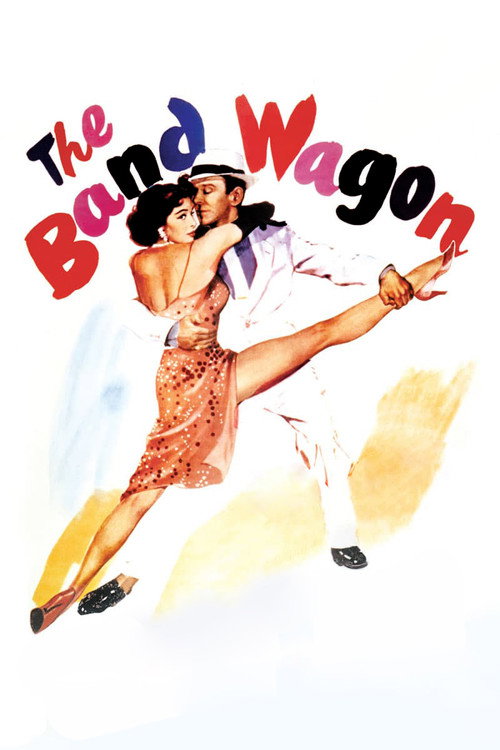
The Band Wagon1953
Fred Astaire and Cyd Charisse in a musical about putting on a musical. It's witty, knowing, and the dancing is staggering. There's real chemistry between the leads and a genuine pleasure in the craft on display.
But It's a backstage show-business story, which means the emotional stakes are entirely low. If you need your musicals to matter in the world, this isn't it.
Not sure tonight? Get a pick in a minute, starting from Earl Carroll Sketchbook
The wildcard
Something you would not have found on your own.
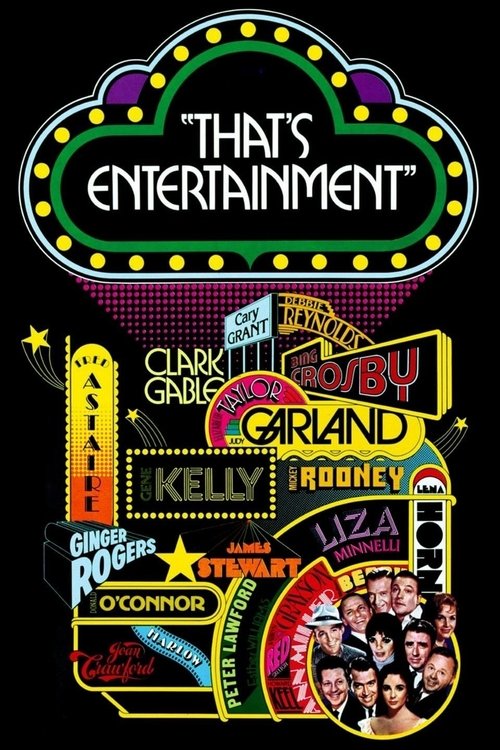
That's Entertainment!1974
Both are products of a specific moment in Hollywood—the 1940s musical revue tradition—and both are essentially variety shows. This one is what happens when you distill that format to its absolute essence.
A compilation film of musical sequences from MGM's golden age—which means it's an hour and a quarter of the best moments from the films you love, stitched together with hosted transitions. You get the peaks without the valleys. Pure, concentrated joy.
But It's a greatest-hits package, which means you're not getting full performances or context. Some find it scattered and frustrating. It also costs the full emotional arc of the original films.
More like this (8)
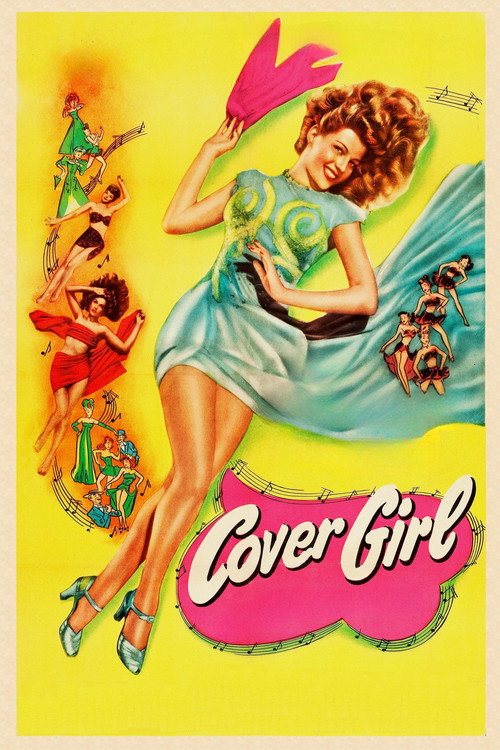
Cover Girl1944
Rita Hayworth and Gene Kelly in a wartime musical romance. It's got verve, excellent dance numbers, and actual chemistry between the leads. Phil Silvers steals scenes. More substance than you'd expect from the premise.
But It's still a 1940s musical—the plot is perfunctory and the attitudes toward women are period-typical. Some of the staging feels a little creaky now.
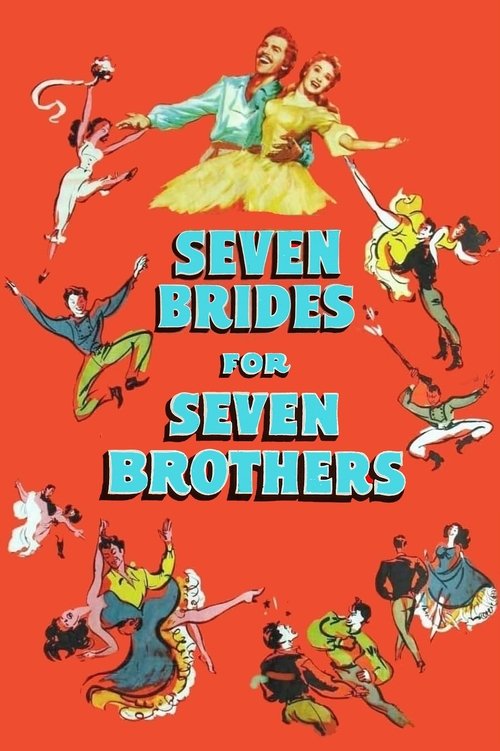
Seven Brides for Seven Brothers1954
A frontier musical that somehow works beautifully. The dancing is spectacular, the songs are genuinely funny, and the ensemble choreography is some of the best ever filmed. It's rowdy and charming in equal measure.
But The premise—and the plot—involve some deeply retrograde ideas about women and consent. The tone never acknowledges this, which can be jarring.
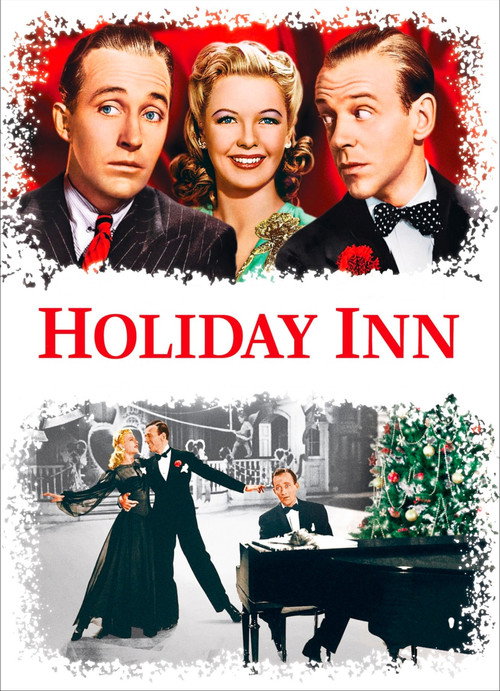
Holiday Inn1942
Fred Astaire and Bing Crosby in a musical built around holidays. The production values are high, the Irving Berlin songs are excellent, and there's genuine romantic tension alongside the spectacle. Lovely to watch.
But It moves slowly by modern standards. Some of the comedy feels very period. The second half loses momentum compared to the first.
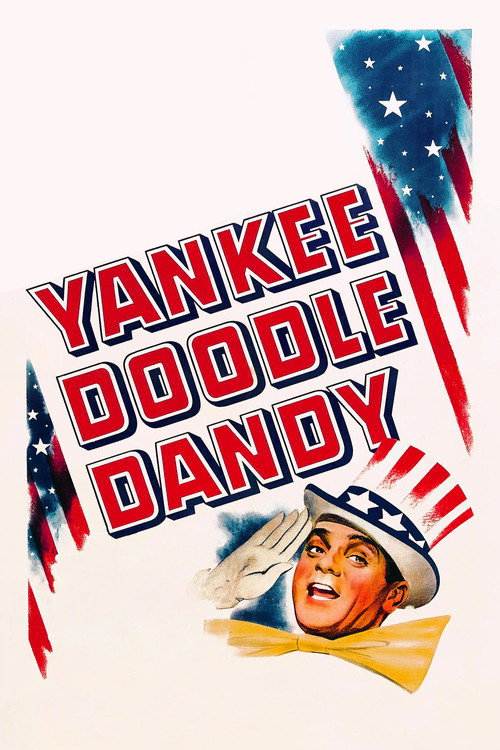
Yankee Doodle Dandy1942
James Cagney as George M. Cohan—electric, charming, and the dancing is genuinely surprising from an actor known for crime films. It's a biopic with real energy and showmanship baked in.
But The biographical accuracy is selective. It's hagiography dressed as entertainment, which some find sticky. The sentiment can tip into schmaltz.
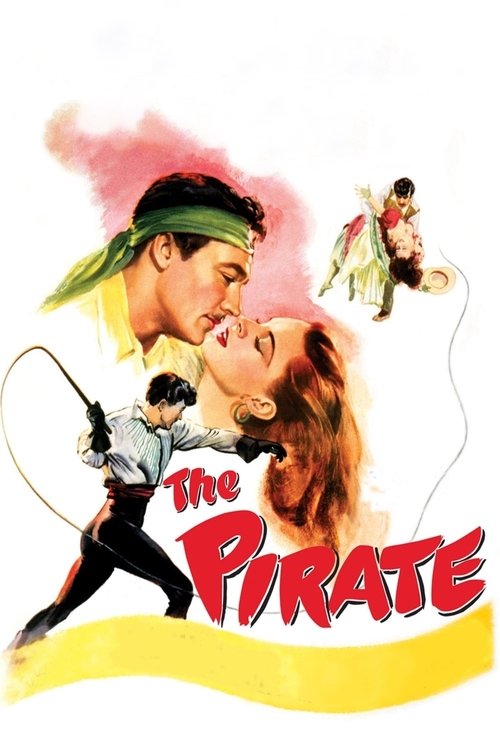
The Pirate1948
Gene Kelly and Judy Garland in a Vincente Minnelli fever dream. It's weird, theatrical, and occasionally brilliantly strange. The dancing is inventive and the whole thing has a queerness that feels refreshing even now.
But It's genuinely odd in a way that can feel alienating. The plot is nonsense and the tone is deliberately artificial. Some find it exhausting rather than charming.
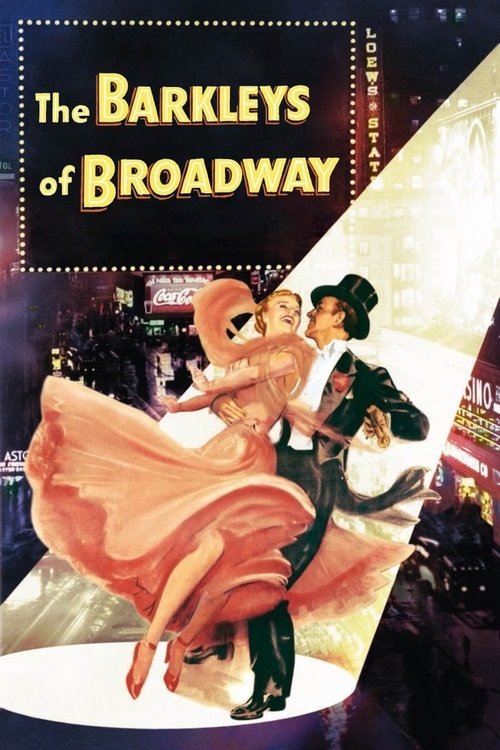
The Barkleys of Broadway1949
Fred Astaire and Ginger Rogers reunite after years apart. It's not their best work together, but there's real affection in it, and the dancing is still excellent. A warm, comfortable musical that earns its runtime.
But It feels a little tired compared to their earlier films. The script is thin and the energy occasionally flags. It's pleasant rather than thrilling.
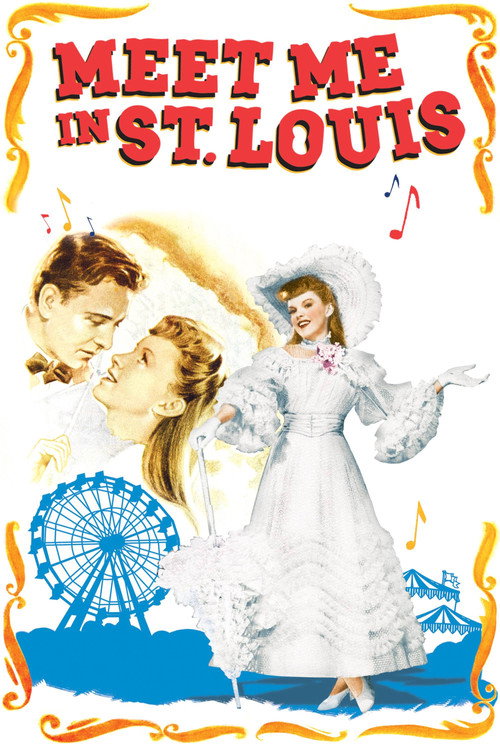
Meet Me in St. Louis1944
Where Earl Carroll is all surface and energy, Meet Me in St. Louis showed what musicals could be if you let story and character matter as much as the numbers. Both are products of the same era, but one is about the form's potential and one is about its current limits.
Judy Garland in what might be the most perfect film musical ever made. It integrates songs into a genuine story about family and growing up. It's warm, occasionally melancholy, and the ending is devastating in a way musicals rarely attempt.
But It's quiet for a musical—long stretches without music. The Technicolor is vivid to the point of unreality. If you need constant entertainment and spectacle, it will feel slow.
The Red Shoes1948
Both are about performers climbing toward success, but where Earl Carroll treats it as light entertainment, The Red Shoes treats it as existential struggle. One is about the machinery of showbiz, one is about what showbiz actually costs.
A British film about ballet that's essentially a musical made by obsessives. It's gorgeously shot, the dancing is transcendent, and it's about the cost of art in a way that backstage musicals never quite reach. Visually stunning.
But It's tragic in a way that's not typical for the genre. The pace is deliberate. It's also deeply pretentious, which doesn't bother some people and drives others mad. Not a fun night out.

People
Cast
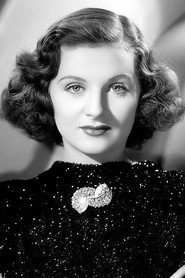 Constance MoorePamela Thayer
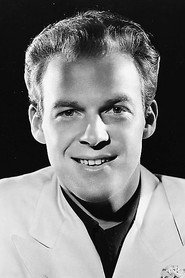 William MarshallTyler Brice
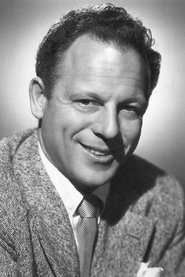 Bill GoodwinRick Castle
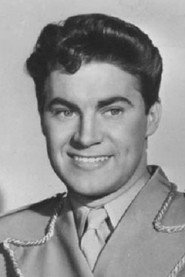 Johnny CoyJohnny
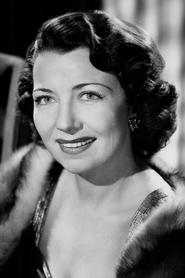 Barbara Jo AllenSherry Lane
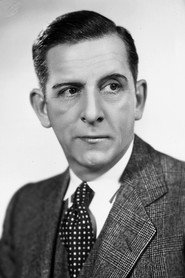 Edward Everett HortonDr. Milo Edwards
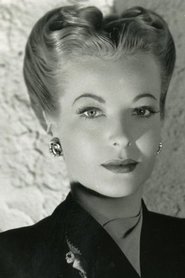 Hillary BrookeLynn Stafford
Directing
- Albert S. RogellDirector
Writing
- Sammy CahnLyricist
- Ted KoehlerLyricist
- Frank Gill Jr.Screenplay
- Parke LevyScreenplay