
Film
Hail the Conquering Hero
Preston Sturges' 1944 farce about a discharged Marine who returns home as a war hero—except he never saw combat. Bracken's hapless everyman stumbles through escalating deceptions while the whole town builds mythologies around him. It's warm-hearted chaos wrapped in genuine affection for small-town America, even as it mocks the machinery of patriotism and public relations. Funny without ever being mean.
Should you watch it?
Watch it if you like farce that runs on quick-fire dialogue and a small-town crowd getting swept up in a lie, with satire of civic pomp sharper than its slapstick.
Skip it if you need the war itself on screen, since this one barely leaves hometown streets and its sense of military life is mostly a running gag, which can feel thin.
What it asks of you: A brisk hundred minutes, with rapid overlapping talk you have to keep up with, and a premise that carries the plot more than heavy emotion does.
Not sure? Find tonight's pick in a minute.
If you liked this
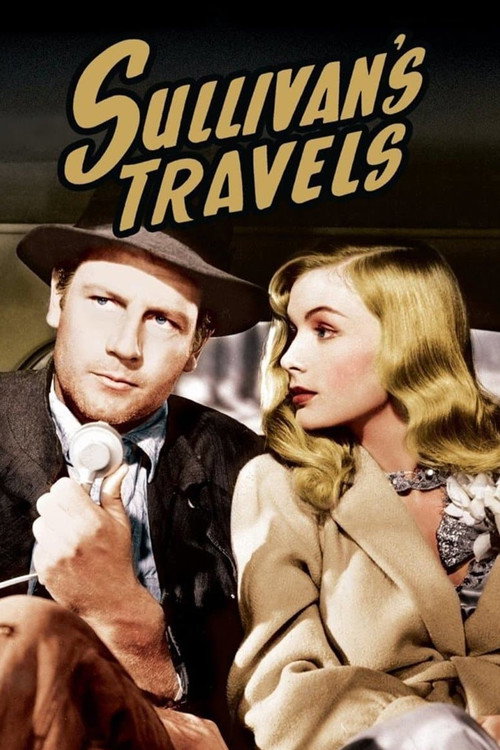
Sullivan's Travels1941
Sturges at his most generous: a Hollywood director slums it as a hobo to understand suffering, only to discover that laughter matters. The same blend of slapstick precision, romantic warmth, and sly social critique.
But It's a patchwork—tonal shifts between screwball comedy and genuine darkness can feel abrupt if you're not tuned to Sturges' wavelength.
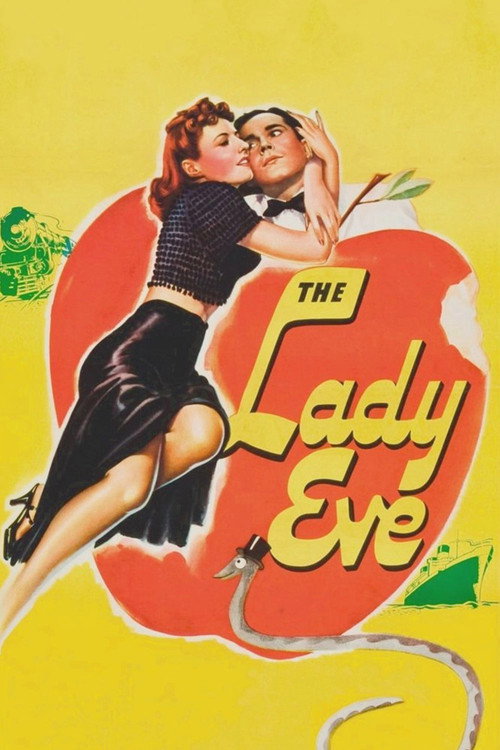
The Lady Eve1941
Stanwyck and Fonda in Sturges' other masterpiece: elegant con artistry played at high speed, with screwball logic that somehow feels inevitable. Sharp dialogue that crackles and a romance that earns its sentiment.
But The pacing demands your full attention; if you're half-watching, you'll miss the wit and wonder why people call this genius.
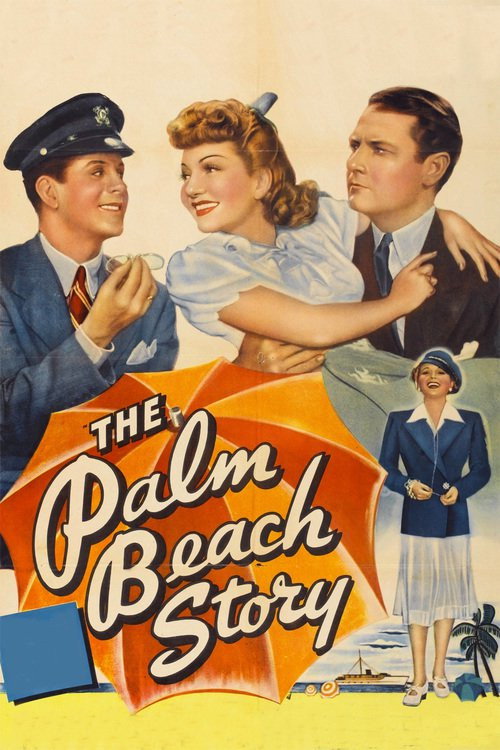
The Palm Beach Story1942
Claudette Colbert and Joel McCrea in another Sturges sprint through deception and desire. Gloriously silly, gorgeously shot, and stuffed with bit players who steal every scene they touch.
But Sturges' scripts can feel overstuffed—too many good jokes, not enough breathing room. Some viewers find it exhausting rather than exhilarating.
Not sure tonight? Get a pick in a minute, starting from Hail the Conquering Hero
The wildcard
Something you would not have found on your own.
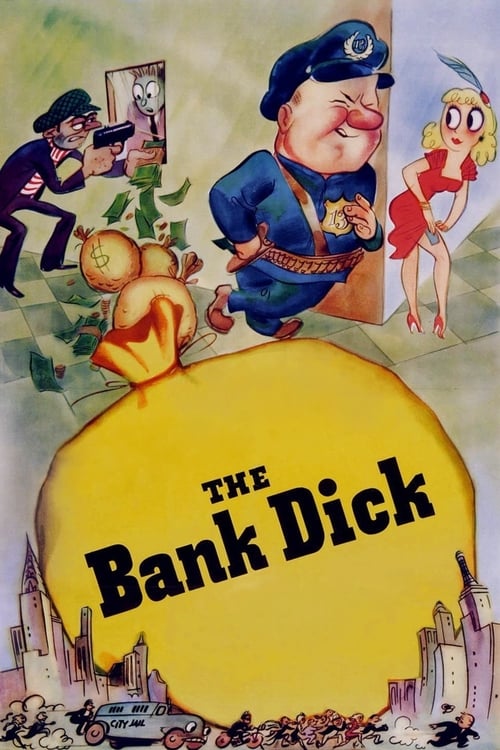
The Bank Dick1940
Both feature hapless men mistaken for heroes, but where Sturges wraps the idea in sentiment and structure, Fields treats it as an excuse for insult comedy and anarchic disruption.
W.C. Fields as a ne'er-do-well who accidentally becomes a bank guard. The comedy is purely anarchy—no plot to speak of, just Fields and his misanthropy improvising chaos. It's what Hail's structure contains: a small-time schmo accidentally mistaken for something better, but played as pure vaudeville absurdism rather than gentle farce.
But Fields' comedy is mean-spirited and static; there's no romance, no warmth, no narrative momentum. It's a gallery of gags, not a story. If you need plot or character growth, you'll be bored.
More like this (8)
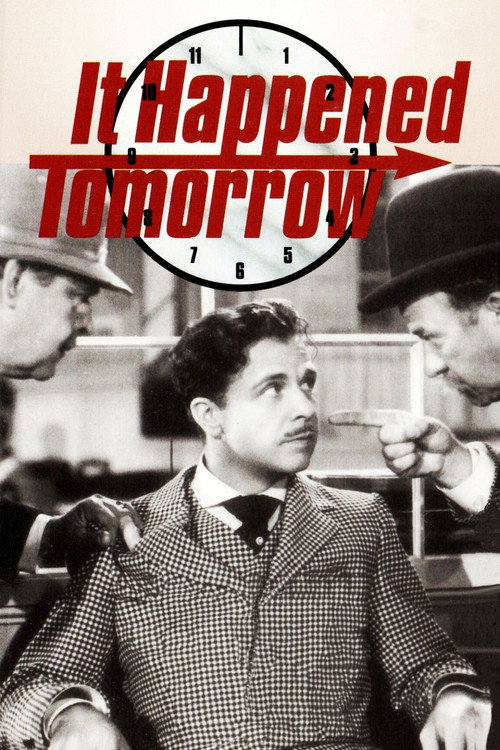
It Happened Tomorrow1944
A newspaper man wakes up with tomorrow's edition in hand. The premise alone is gold, and the film sustains the comedy-mystery balance beautifully. Made the same year, it shares Hail's warmth and ingenuity.
But The fantasy logic doesn't hold up to scrutiny, and if you need your plots watertight, you'll spend more time questioning than enjoying.
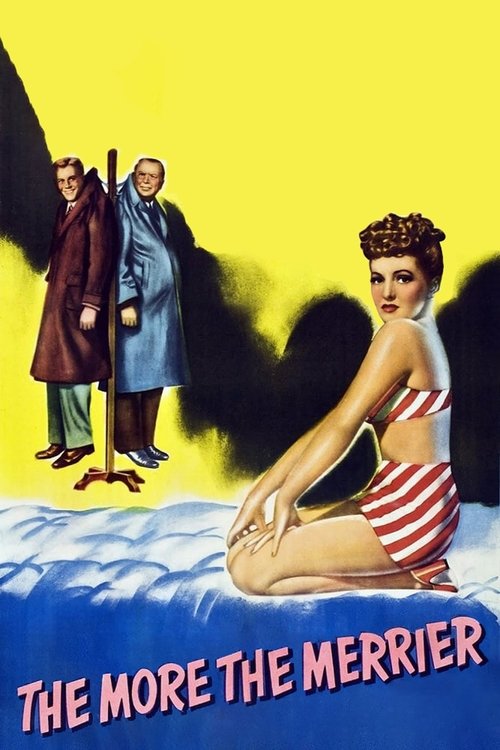
The More the Merrier1943
Joel McCrea again, in a housing-shortage romantic comedy that pivots on mistaken identity and older-man wisdom. Breezier than Sturges but cut from similar cloth: sentiment without schmaltz.
But It's gentler, slower—if you're coming for Sturges-level manic energy and dialogue, this will feel like the junior varsity version.
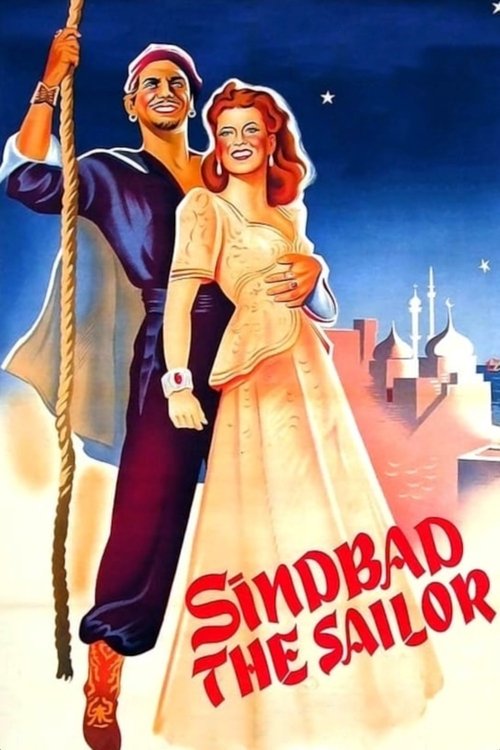
Sinbad the Sailor1947
Douglas Fairbanks Jr. and technicolor adventure played partly for laughs. Swashbuckling farce in a similar register: spectacle and romance treated with a wink.
But It's all surface charm—there's no real heft underneath, and the tone wobbles between adventure and comedy without fully committing to either.
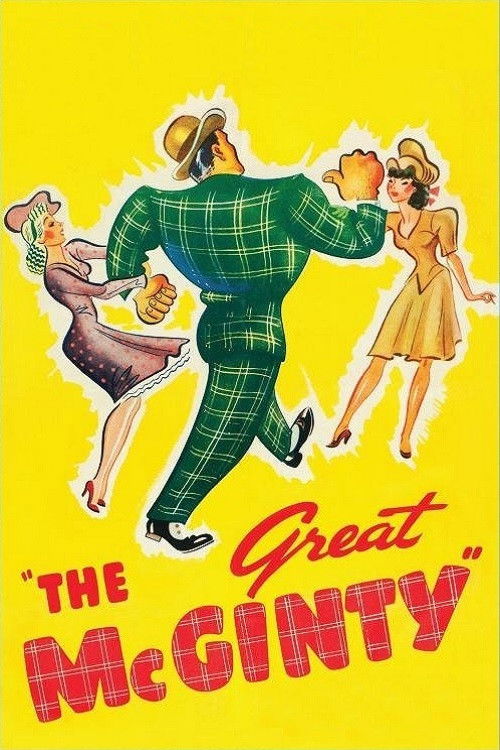
The Great McGinty1940
Sturges' directorial debut. A small-time con man becomes governor through corruption and accident. The DNA of Hail is visible here: chaos, charm, and characters who bumble upward.
But Rougher and less assured than his later work; the mechanism shows, and some sequences feel underbaked.
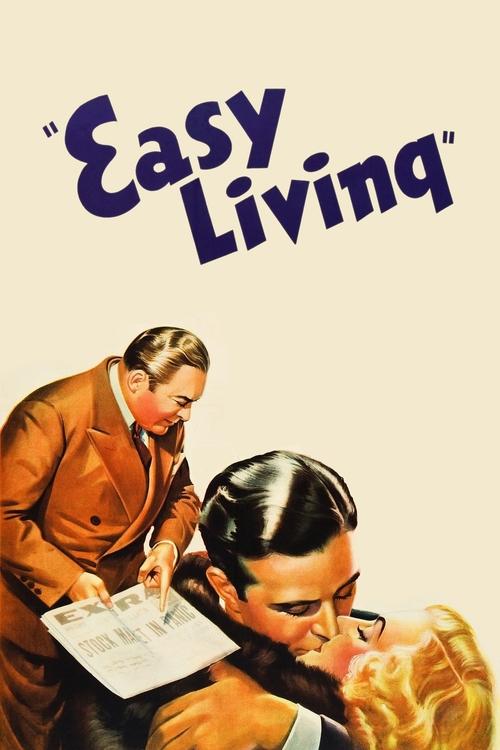
Easy Living1937
Carole Lombard and Ray Milland in Mitchell Leisen's screwball jewel. A working girl inherits a mink coat; mistaken identity and romance ensue. Similar velocity and warmth to what Sturges pioneered.
But The plot is gossamer-thin, held aloft entirely by charm and performance. If the cast doesn't grab you immediately, there's nothing to catch you.
Breakfast at Tiffany's1961
Holly Golightly navigates New York deception with style and heartbreak. Post-war romanticism and affectionate mockery of American types. Audrey Hepburn makes every scene shimmer.
But Henry Mancini's score and Hepburn's star power can overshadow the actual film; substance sometimes disappears beneath the pretty surfaces.

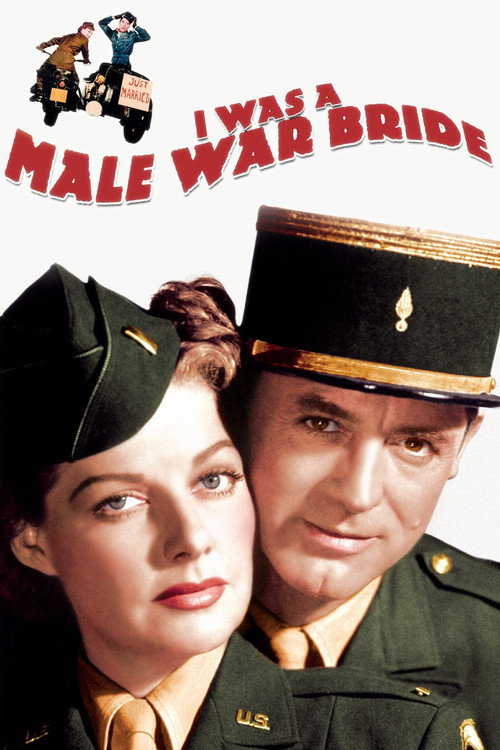
I Was a Male War Bride1949
Both are love stories wrapped in war bureaucracy, but Hawks' version is cynical and sophisticated where Sturges is guileless and generous.
Cary Grant as a French officer marrying an American soldier (Ann Sheridan), then navigating the absurd bureaucracy of bringing a spouse home. Howard Hawks directed it with comic precision and a knowing eye toward military stupidity. Same post-war moment, same affection for everyman confusion, but played as screwball rather than slapstick.
But The gender-reversal joke wears thin; Grant in drag isn't the film's strength, and scenes stretch past their punchlines. The second half sags under repetition.
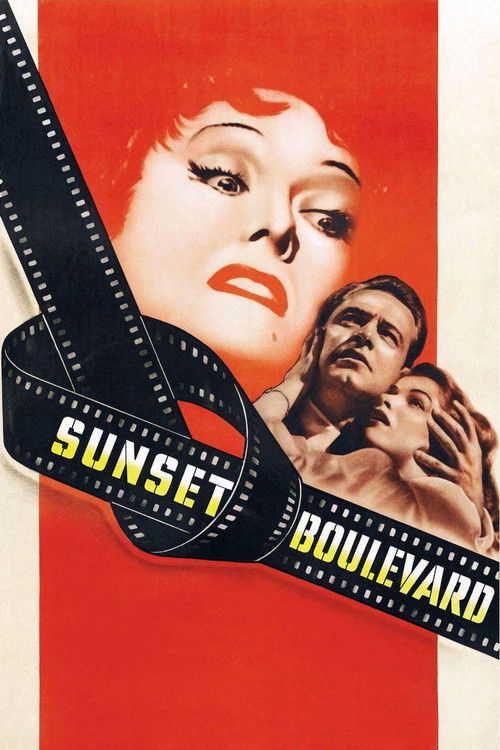
Sunset Boulevard1950
Both films are about what happens when fantasy meets reality, but Hail believes in redemption and community while Sunset Boulevard sees only corruption and death.
Billy Wilder's dark mirror to every Hollywood picture made before it. A failed screenwriter falls into the orbit of a silent-film star clinging to fame. It has Hail's fascination with illusion and small-town types adrift in systems bigger than they are—but Wilder sees decay where Sturges sees kindness. Narrated by a corpse. Brutal and beautiful.
But It's pitch-black, cynical, and utterly without sentimentality. If you want to feel good after a movie, this will leave you scoured and disturbed. Wilder finds no warmth in human delusion.
People
Cast
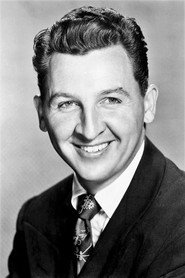 Eddie BrackenWoodrow Truesmith
 Ella RainesLibby
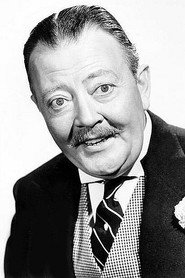 Raymond WalburnMayor Everett J. Noble
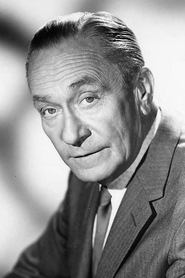 William DemarestSgt. Heppelfinger
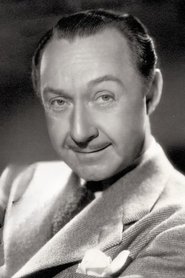 Franklin PangbornReception Committee Chairman
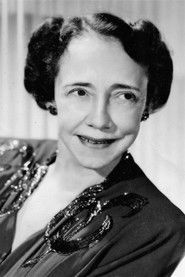 Elizabeth PattersonMartha - Libby's Aunt
 Georgia CaineMrs. Truesmith
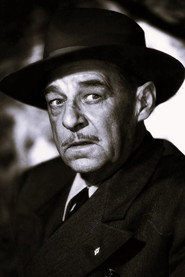 Al BridgePolitical Boss
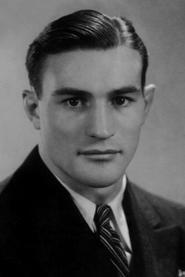 Freddie SteeleBugsy
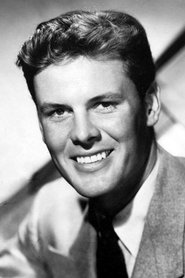 Bill EdwardsForrest Noble
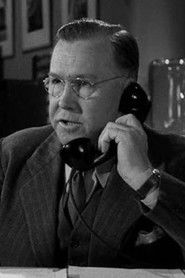 Harry HaydenDoc Bissell
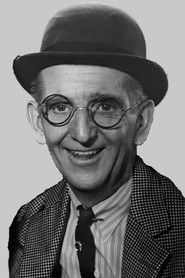 Jimmy ConlinJudge Dennis
Directing
- Harve FosterAssistant Director
- Preston SturgesDirector
- La Prele JonesScript Supervisor
- Howard JoslinSecond Assistant Director
- John Robert MurphySecond Assistant Director
Writing
- Preston SturgesWriter
Production
- Robert MayoCasting
- Buddy G. DeSylvaExecutive Producer
- Preston SturgesProducer
- Teet CarlePublicist
Recommended by
The Miracle of Morgan's Creek, The Adventures of Huckleberry Finn