
Film
The More the Merrier
- Screwball comedy
- Light-hearted
A fizzy 1943 romantic comedy about housing shortage chaos in wartime Washington D.C. Jean Arthur's prim apartment dweller agrees to share her space, then finds herself packed in with two men—a conniving middle-aged charmer and a irreverent young soldier. It's a masterclass in screwball timing: tight spaces, miscommunication, and the kind of banter that makes you believe in love again.
Should you watch it?
Watch it if you love screwball comedy where sharp talk and a crowded apartment do most of the work, and romance grows out of bickering rather than sweetness.
Skip it if you want fast, nonstop gags, since this 1943 film is chatty and leisurely, and its wartime housing setup may feel more like a premise than a payoff.
What it asks of you: Settle in for about an hour and three-quarters of unhurried back-and-forth in small rooms, with the laughs coming from timing rather than chaos.
Not sure? Find tonight's pick in a minute.
If you liked this
Breakfast at Tiffany's1961
Audrey Hepburn in New York playing a woman reinventing herself, with that same effortless charm and romantic confusion. Henry Mancini's score swoops in exactly when you need it to. A film that knows how to make loneliness look beautiful.
But The racial caricature is genuinely uncomfortable and hasn't aged well. Also, if you're looking for complex plot, this is mostly mood and style.

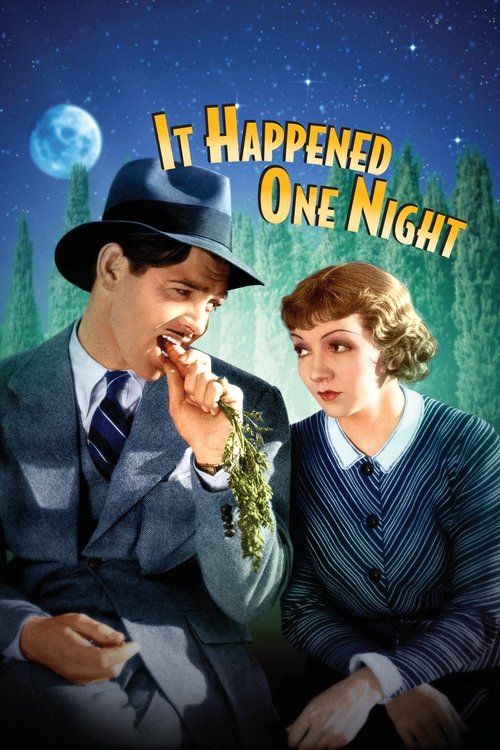
It Happened One Night1934
Screwball royalty. Clark Gable and Claudette Colbert in a road-trip romance where the banter crackles with real sexual tension beneath the propriety. Every scene feels like it could tip into chaos or passion at any second.
But It moves at Depression-era pacing, which means some scenes meander. The class politics are very much of the 1930s.
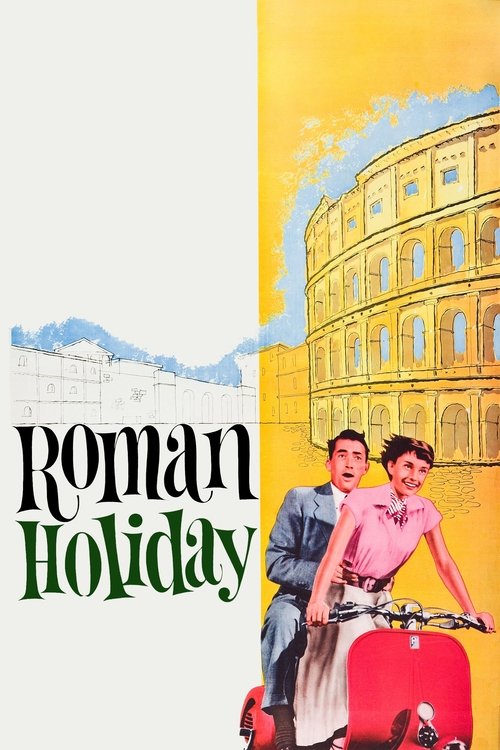
Roman Holiday1953
Gregory Peck and Audrey Hepburn in Rome, a princess escaping protocol for one perfect day with a stranger. It has that same balance of warmth and wistfulness—romance knowing it has a timer on it.
But Sentimental in a way that might feel saccharine if you're not in the mood. The third act hinges on a decision that some find frustrating rather than touching.
Not sure tonight? Get a pick in a minute, starting from The More the Merrier
The wildcard
Something you would not have found on your own.
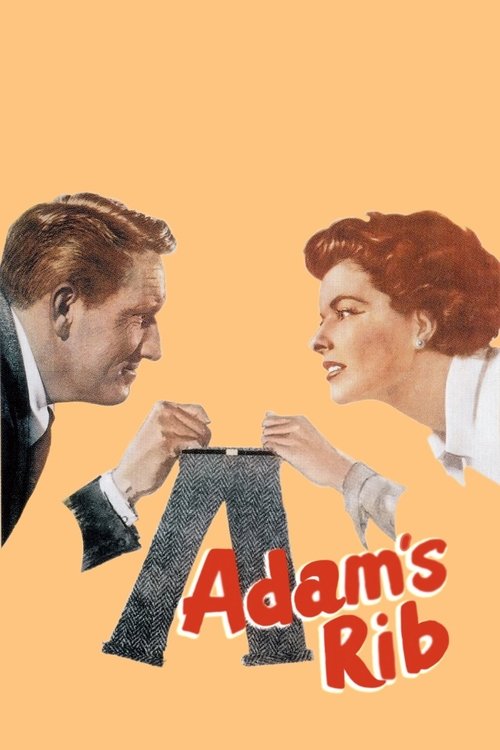
Adam's Rib1949
Both films understand that romance isn't plot resolution—it's the friction between two people who make each other sharper. The real engine is watching someone being seen.
Spencer Tracy and Katharine Hepburn as married lawyers on opposite sides of a case. It's the inverse—two people already together, using wit as both weapon and foreplay. The chemistry is so easy it looks accidental. Written by Ruth Gordon and Garson Kanin, who understood that the best comedy comes from knowing someone too well.
But Some of the set pieces feel stagey and the climax is resolved with a gesture that undermines the whole premise. It's also deeply of its moment in ways that might read as quaint.
More like this (8)
Singin' in the Rain1952
Gene Kelly, Donald O'Connor, Debbie Reynolds in pure joy. It's essentially about people crammed into close quarters navigating ambition and attraction. The physical comedy has the same energy as Coburn stealing every scene.
But If you're not predisposed to musicals, the dance numbers might feel like the plot pausing for a celebration you don't share.

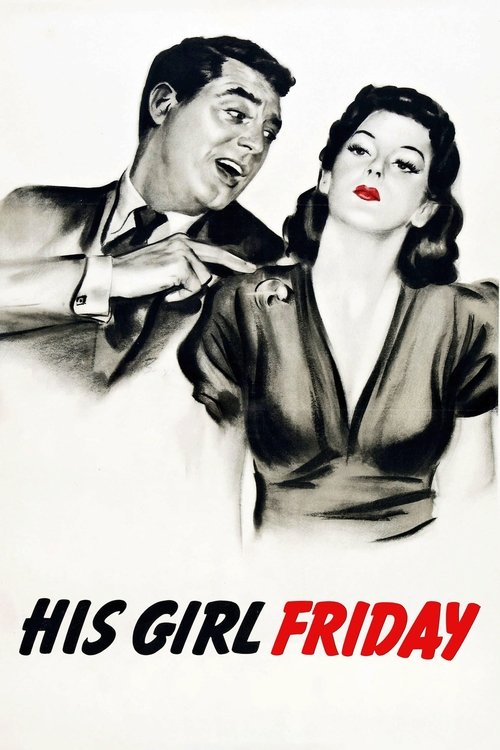
His Girl Friday1940
Cary Grant and Rosalind Russell in a newspaper office where the dialogue moves so fast you're half-dizzy. Both characters are sharp enough to wound each other—the romantic tension comes from respect, not submission.
But The pace can feel relentless and the screwball aesthetic doesn't translate to everyone. It's very much a product of 1940 Hollywood sexism in places.
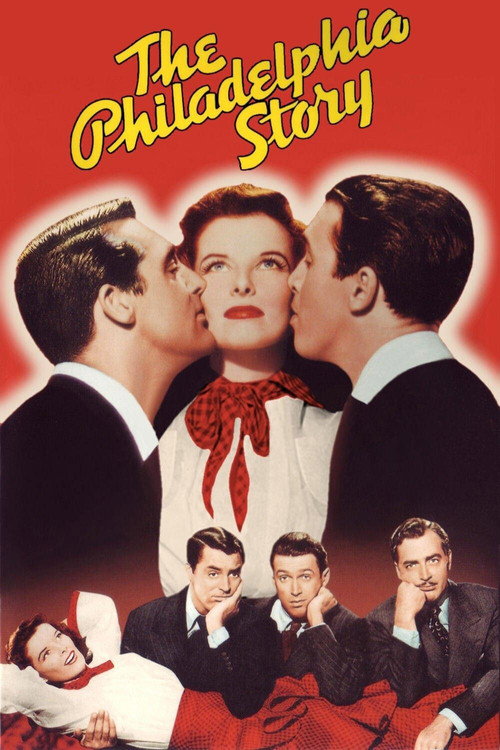
The Philadelphia Story1940
Cary Grant, James Stewart, and Katherine Hepburn in a comedy about marriage, second chances, and being less of a snob. Hepburn's performance alone is worth it—she's both funny and fully human in a way that was rare then.
But The setup involves a woman's sexuality being treated as a problem to be solved by men. It's complex, but it hasn't been recontextualized away.
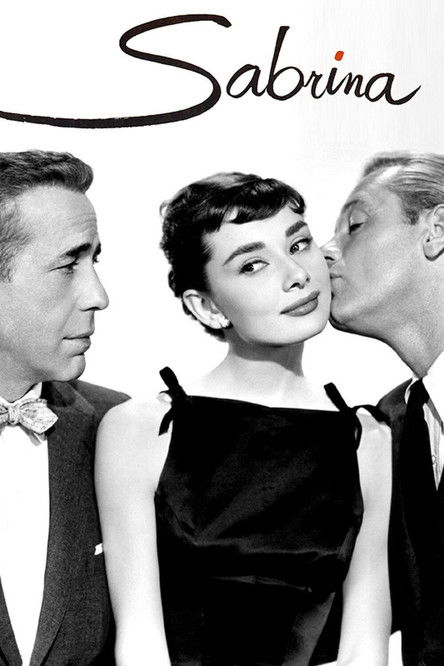
Sabrina1954
Audrey Hepburn between two men, Paris lighting designer versus wealthy businessman. Directed by Billy Wilder, it has that same sense of people being better versions of themselves when someone else is in the room.
But The plot is fairly slight and the resolution doesn't quite land the way it intends. Also, it hasn't worn age gracefully in terms of what it thinks romance should look like.
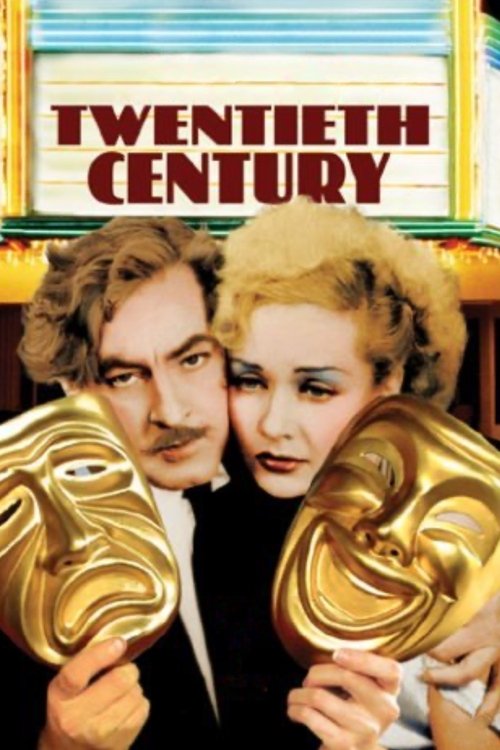
Twentieth Century1934
John Barrymore and Carole Lombard on a speeding train, two people who loved each other badly and can't stop. It's chaos and tenderness in the same breath, with physical comedy that inspired generations.
But It moves frantically and some of the gags haven't held up. The female character exists partly to be won, which requires patience with 1934.
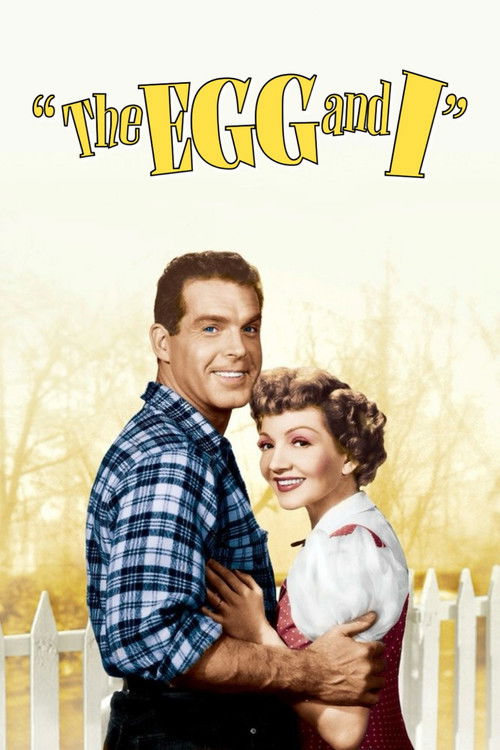
The Egg and I1947
Claudette Colbert and Fred MacMurray in the Pacific Northwest, a city woman learning to be a farmer's wife. It's warmer and slightly more grounded than pure screwball, with a real sense of two people learning to live together.
But The pacing sags in the middle and the resolution feels a bit conventional. Also, it's softer and less energetic than the genre at its peak.
Tampopo1985
Both use the premise of people in close quarters as an excuse to explore what it means to want something badly enough to share space with a stranger. Both treat daily life as comedy material.
Juzo Itami's Japanese film about a truck driver helping a widow perfect her ramen recipe. It's surreal, funny, and earnest in the strangest ways. There's a romance buried under absurdist vignettes about food and desire, but mostly it's a film that trusts you to find the poetry in specificity.
But The structure is deliberately fragmented. If you need plot to hold you, you'll be frustrated. Some sequences are deliberately trashy or crude. It's also not easy to find.

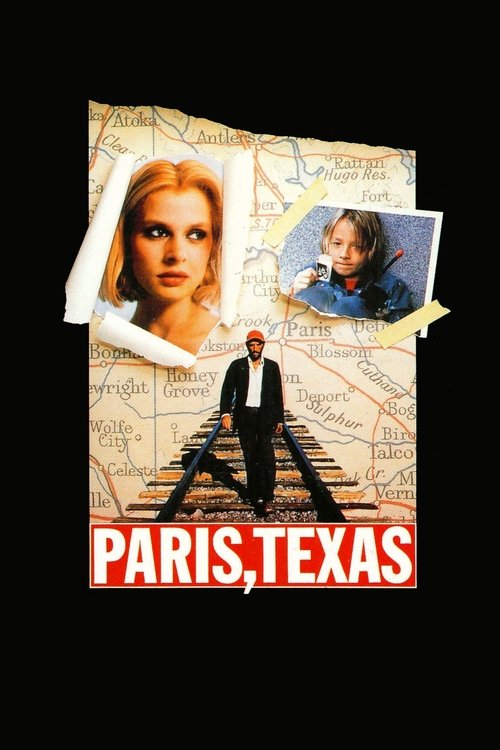
Paris, Texas1984
Both films are interested in housing as metaphor—the apartment in wartime comedy, the motel rooms and exile of a man who can't stay anywhere. Both understand that how we live together tells us who we are.
Wim Wenders and Harry Dean Stanton in a film about a man returning from the desert trying to reassemble his life. It's the sadness underneath romance—what happens when two people can't live together despite everything. Shot in Texas and Paris, it's deliberate and aching and absolutely still.
But It's slow, sparse, and deeply melancholic. There's barely a plot. If you're looking for The More the Merrier's warmth, this will feel like the opposite. Some might find it pretentious.
People
Cast
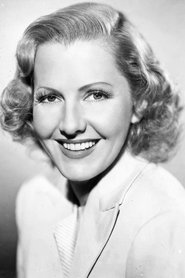 Jean ArthurConstance Milligan
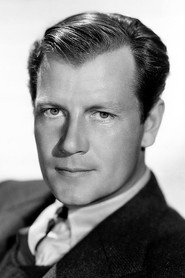 Joel McCreaJoe Carter
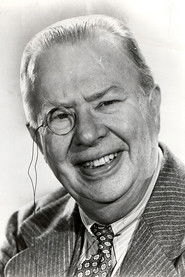 Charles CoburnBenjamin Dingle
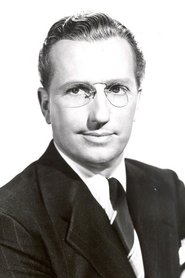 Richard GainesCharles J. Pendergast
 Bruce BennettFBI Agent Evans
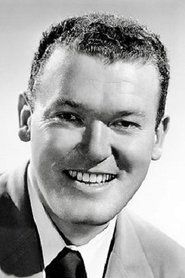 Frank SullyFBI Agent Pike
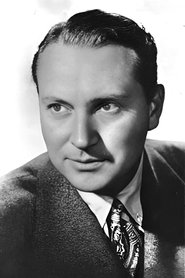 Donald DouglasFBI Agent Harding
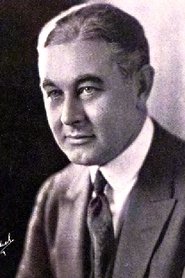 Clyde FillmoreSenator Noonan
 Stanley ClementsMorton Rodakiewicz
 Sam AshCommittee Member (uncredited)
 Don BarclayDrunk (uncredited)
- Brandon BeachShaving Gag (uncredited)
Directing
- Bud BrillAssistant Director
- Budd BoetticherAssistant Director
- Norman DemingAssistant Director
- George StevensDirector
Writing
- Frank RossScreenplay
- Lewis R. FosterScreenplay
- Richard FlournoyScreenplay
- Robert RussellScreenplay
- Frank RossStory
- Robert RussellStory
Production
- Fred GuiolAssociate Producer
- George StevensProducer