
Film
The Man in the Mirror
A 1936 British fantasy-comedy where a timid man's mirror reflection springs to life and does everything he's too inhibited to attempt. It's a whimsical premise executed with theatrical charm, full of the kind of gentle absurdism that British comedy specialized in during the Thirties. Perfect for anyone who loves vintage character comedy and doesn't need explosions to stay entertained.
If you liked this
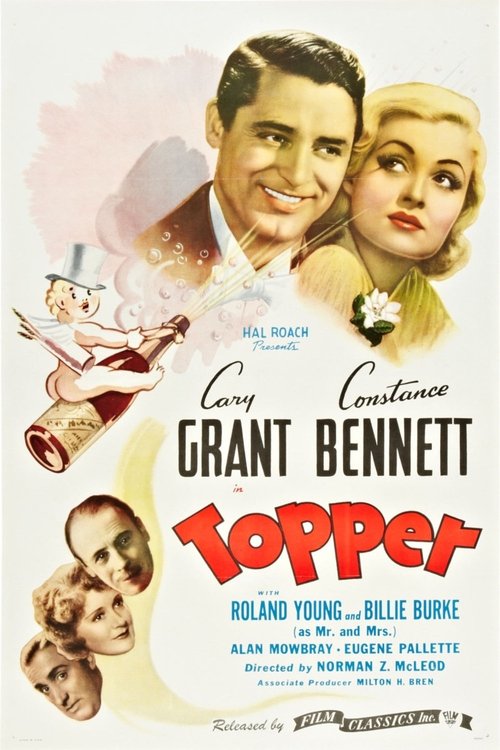
Topper1937
A similar era American fantasy-comedy about spectral mischief-makers loosening up a buttoned-down protagonist. Cary Grant and Constance Bennett improvise brilliantly, and the special effects—though primitive—have real imagination and charm.
But The pacing is erratic by modern standards, and some supernatural scenes rely on tricks that feel more like stage illusions than cinema. The screwball energy can feel thin if you're expecting plot momentum.
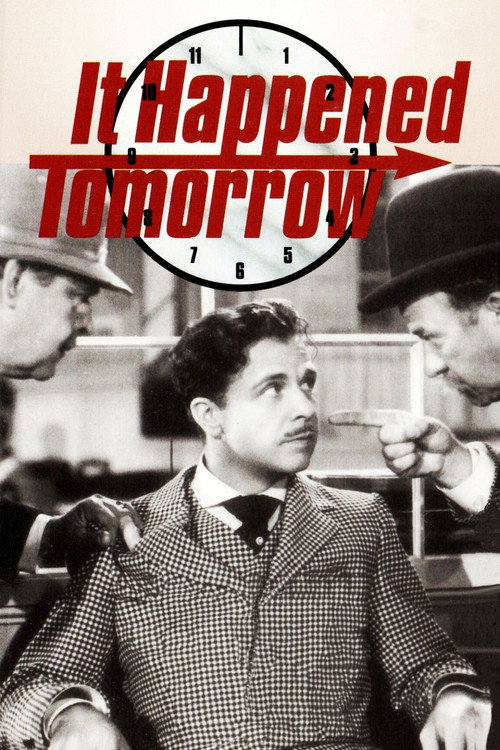
It Happened Tomorrow1944
Fred MacMurray gets tomorrow's newspaper and must choose between revealing the future and living his actual life. It shares the same wry examination of desires we shouldn't want and dreams we shouldn't chase—wrapped in whimsy but fundamentally melancholic.
But The second half sags a little, and the romantic subplot feels obligatory rather than earned. Some viewers find the underlying sadness makes it harder to settle into the comedy.
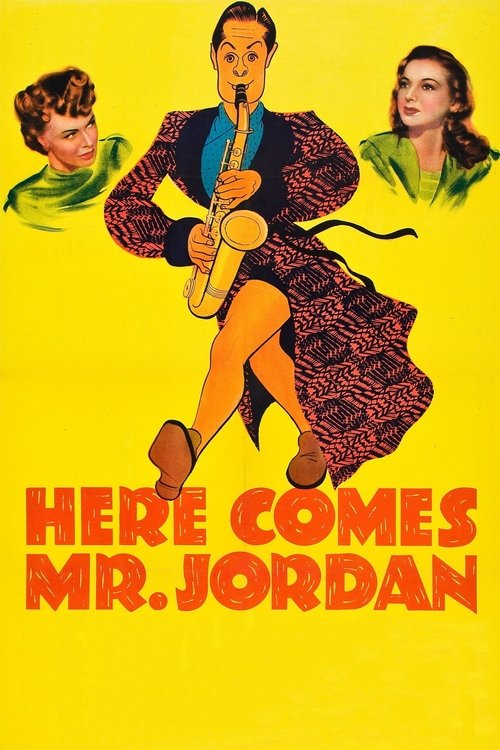
Here Comes Mr. Jordan1941
A dead boxer gets a second chance at life in the wrong body, discovering what he actually values. Terrific cast, genuinely clever structure, and it balances fantasy whimsy with real emotional stakes in ways that still hold up.
But It's more sentimental than *The Man in the Mirror*, which some find cloying. The heavenly bureaucracy subplot drags occasionally.
Not sure tonight? Get a pick in a minute, starting from The Man in the Mirror
The wildcard
Something you would not have found on your own.
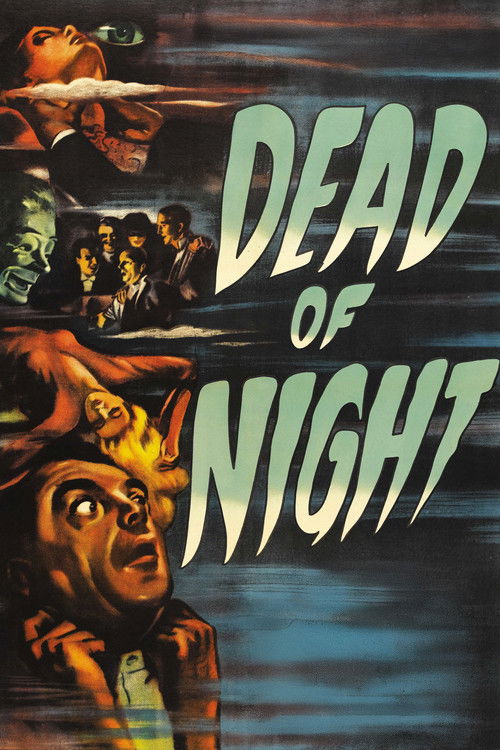
Dead of Night1945
Both films are structured around the mirror as a rupture point: one comedic, one horrifying. Both ask what happens when the reflection stops obeying the rules. Same premise, opposite poles of human experience.
British anthology horror about a man experiencing visions of his own death. Each segment explores psychological fracture and the terror of losing control. The mirror sequence alone—featuring a haunted mirror-world—is one of the greatest things ever filmed, and the moral ambiguity about reality versus reflection echoes *The Man in the Mirror* in completely different register.
But It's genuinely unsettling, not whimsical at all. If you want comfort and charm, this will discomfort you. The final twist is either brilliant or frustrating depending on your mood.
More like this (8)
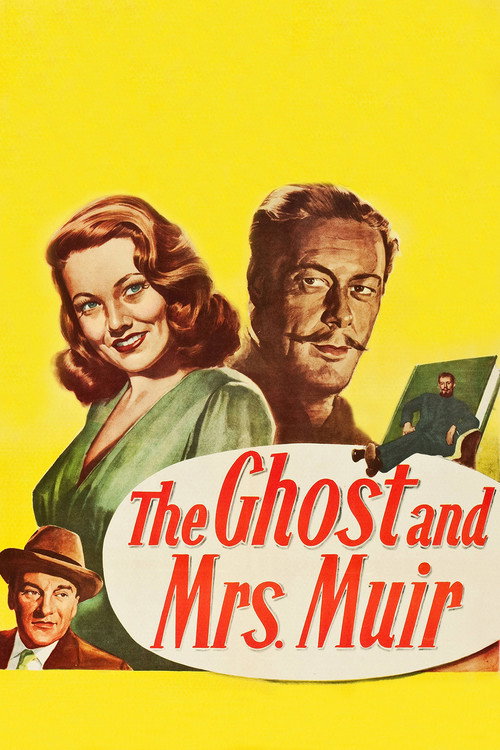
The Ghost and Mrs. Muir1947
A widow rents a haunted house and falls in love with its ghost. Gorgeous Technicolor, Rex Harrison at his most urbane, and genuine romance alongside the supernatural comedy. One of the most beautifully balanced fantasy-romances ever made.
But If you're impatient with sentiment, the sappy ending will test you. The pacing is deliberately languid, which some find too slow.
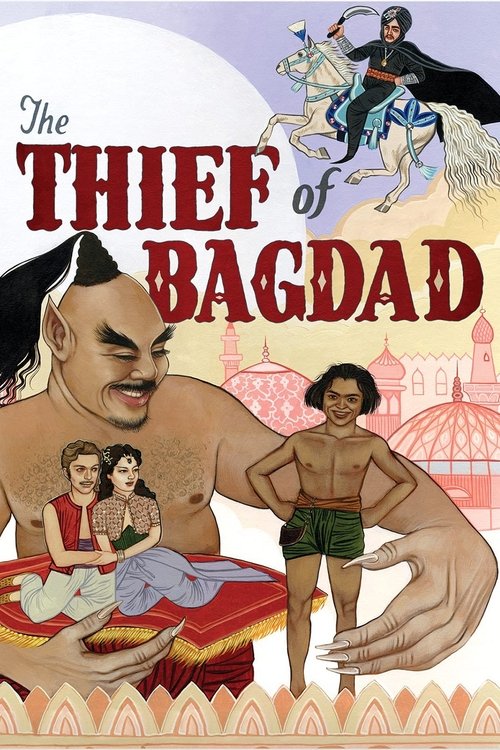
The Thief of Bagdad1940
Colorful, imaginative Korda production with stop-motion and theatrical magic as a thief schemes through a fantasy kingdom. The production design is genuinely stunning, and it captures that same theatrical artifice that *The Man in the Mirror* embraces without embarrassment.
But The action stops regularly for lengthy fantasy sequences. Modern audiences sometimes find the pacing frustrating, and the colonial attitudes haven't aged gracefully.
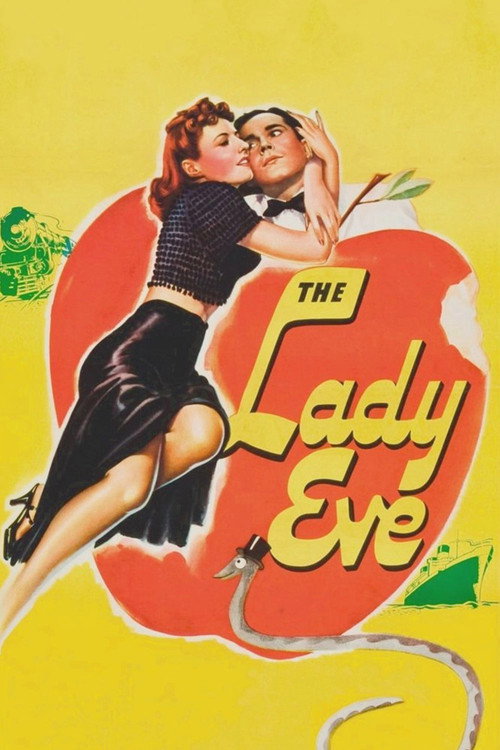
The Lady Eve1941
Barbara Stanwyck plays con-artist versions of herself to outwit Henry Fonda. Preston Sturges at peak form: witty, fast, and the best at exploring the gap between who we are and who we pretend to be.
But The tone shifts between farce and romance in ways that can feel jarring. Some jokes land on references that have dated.
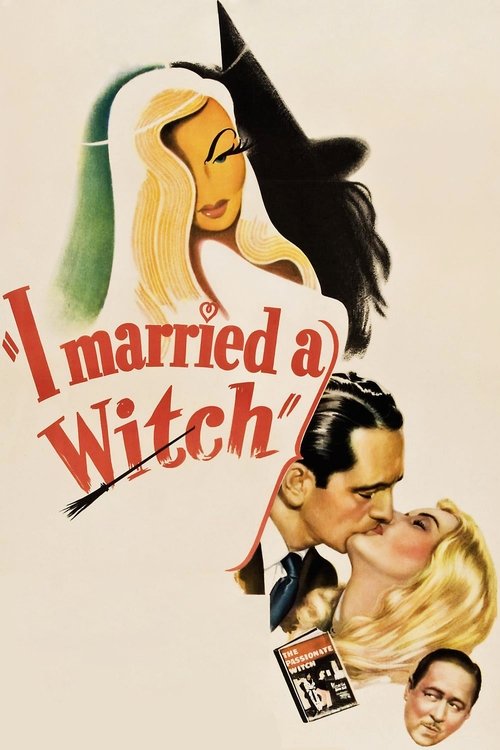
I Married a Witch1942
Fredric March suffers beautifully as a man tormented by a vengeful witch (Veronica Lake). It's lighter than it sounds, full of mischief and good humour, with genuine chemistry and some genuinely clever magical set-pieces.
But The ending is conventional in ways that undercut the earlier anarchic energy. The second half loses momentum.
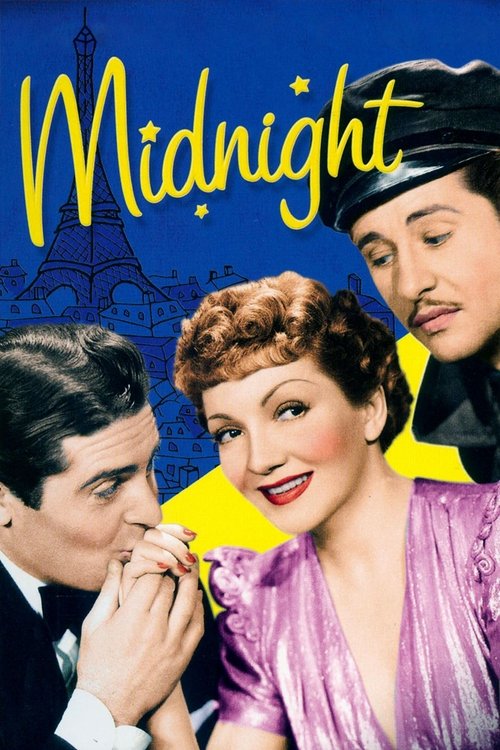
Midnight1939
Claudette Colbert as a broke showgirl conning her way through French society. Wilder's direction is impeccable, the dialogue is sharp as a blade, and it nails the balance between desperation and comedy that *The Man in the Mirror* reaches for.
But It's a plot-heavy dialogue comedy—if you find yourself parsing exposition instead of enjoying banter, you'll feel it drag.
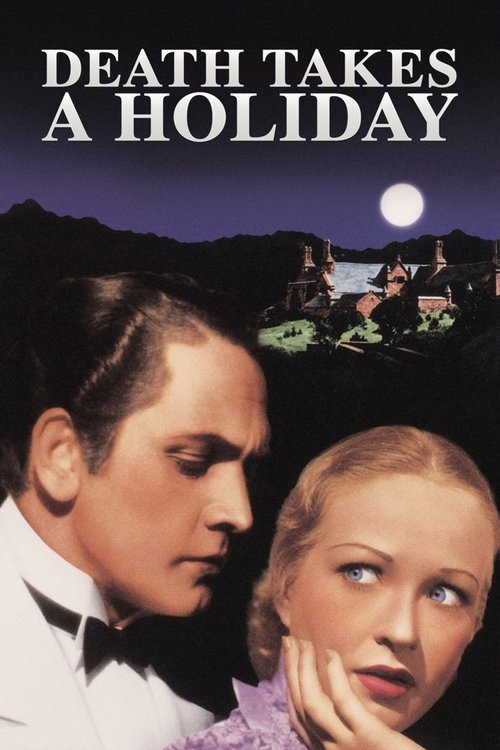
Death Takes a Holiday1934
Death himself takes human form for a weekend to understand why humans fear him. Fredric March is magnificent, and it's genuinely touching underneath the fantasy premise. A film about shadow and light, literally and metaphorically.
But The philosophical underpinning can feel heavy-handed, and the romantic subplot is genuinely schmaltzy. Pacing issues in the middle hour.
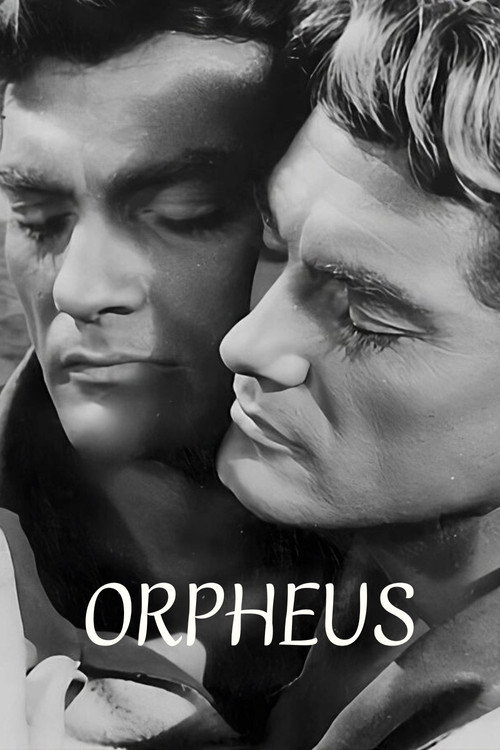
Orpheus1950
Both films treat the mirror as a portal where another version of self or reality emerges. One is a lark, one is mythology—but the visual and thematic DNA connects them. A shift in tone and ambition, not subject.
Jean Cocteau's modernist retelling of the Orpheus myth, where a poet's reflection in a mirror becomes a gateway to the underworld. The visual language is hypnotic—Jean Marais gazes into mirrors like they're doors. It's dreamlike, profound, occasionally baffling, and absolutely singular.
But It's deliberately cryptic and poetic rather than narrative-driven. If you need plot and character coherence, you'll find it frustratingly vague. French cinema of the period can feel mannered to those unaccustomed to it.
Synecdoche, New York2008
Where *The Man in the Mirror* treats the double as a comic escape, Kaufman treats the performed self as inescapable quicksand. Same mirror, same doubling, opposite conclusion: one frees you, one traps you. The joy versus the dread of self-awareness.
Philip Seymour Hoffman as a director constructing a play that mirrors and distorts his life until the boundaries collapse. It's about performance versus authenticity, the self you project versus the self that exists. Haunting, occasionally hilarious, and structurally daring in ways that make you reconsider what you just watched.
But It's willfully opaque, structurally demanding, and genuinely depressing. The third act becomes nearly abstract. Many people find it cold and exhausting rather than rewarding.

People
Cast
 Edward Everett HortonJeremy Dilke
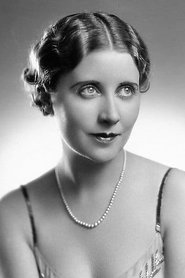 Genevieve TobinHelen
 Ursula JeansVeronica
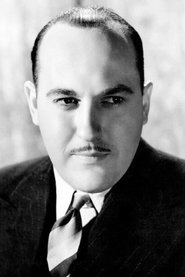 Garry MarshTarkington
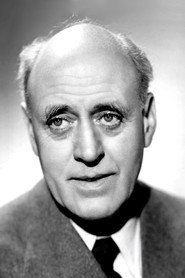 Alastair SimInterpreter
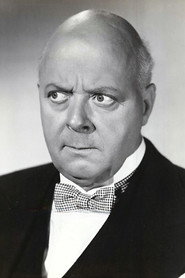 Aubrey MatherThe Bogus of Bokhara
 Renee GaddMiss Blake
- Viola ComptonMrs. Massiter
- Stafford HilliardDr. Graves
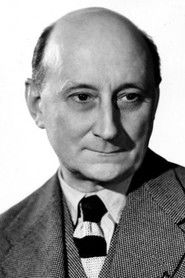 Felix AylmerThe Earl of Wigan
 Merle TottenhamMary
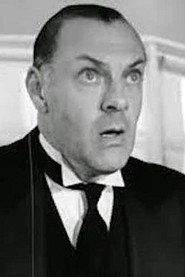 Syd CrossleyPorter
Directing
- Fred V. MerrickAssistant Director
- Maurice ElveyDirector
Writing
- F. McGrew WillisAdaptation
- William GarrettNovel
Production
- Julius HagenProducer