
Film
Lovers
Other titles called Lovers: the 2021 film.
A 1927 Spanish melodrama about desire and propriety in aristocratic Madrid. Young José, living with his guardian Don Julian, finds himself entangled with Julian's new bride Felicia—a situation that becomes the subject of vicious gossip. It's a compact, emotionally direct film that trades in longing, transgression, and the suffocating weight of social expectation. For silent-film lovers and anyone drawn to stories about passion colliding with duty.
If you liked this
Sunrise: A Song of Two Humans1927
Murnau's masterwork, also from 1927, about a marriage tested by temptation and lies. It has the same emotional weight and visual sophistication as Lovers, but with even grander artistic ambition. A film that rewires how you see cinema.
But It's nearly two hours of very slow cinema about marital crisis. The emotional extremity might feel overdone, or the pacing simply too patient for your mood.

The Phantom Carriage1921
Sjöström's Swedish ghost story mixes melodrama with genuine supernatural dread. It has Lovers' emotional directness but channels it through grief and redemption instead of romantic scandal. Visually inventive and deeply moving.
But It's nearly two hours of 1920s pacing, and the emotional register is melancholy rather than passionate. Some will find it slow; others, punishingly sad.

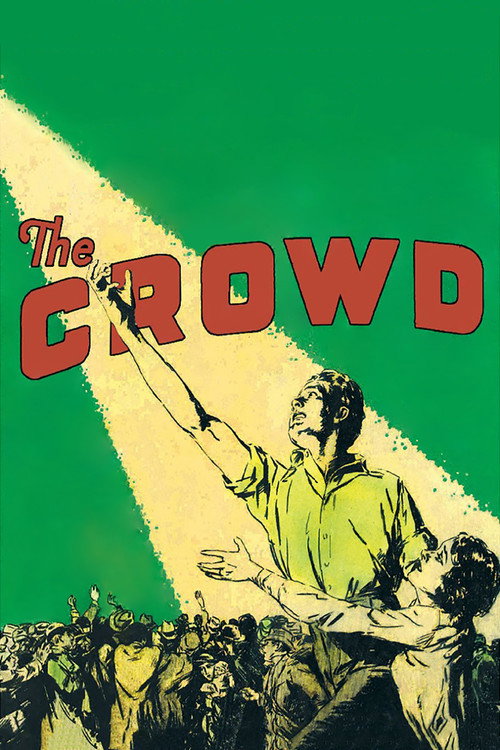
The Crowd1928
Vidor's naturalistic take on ordinary life and marriage collapsing under social pressure. It shares Lovers' interest in how society destroys intimacy, but grounds it in working-class struggle rather than aristocratic scandal. Feels urgent despite its age.
But There's no rescue, no redemption—just entropy. Its bleakness can feel relentless, and the lack of a conventional dramatic arc might frustrate you.
Not sure tonight? Get a pick in a minute, starting from Lovers
The wildcard
Something you would not have found on your own.
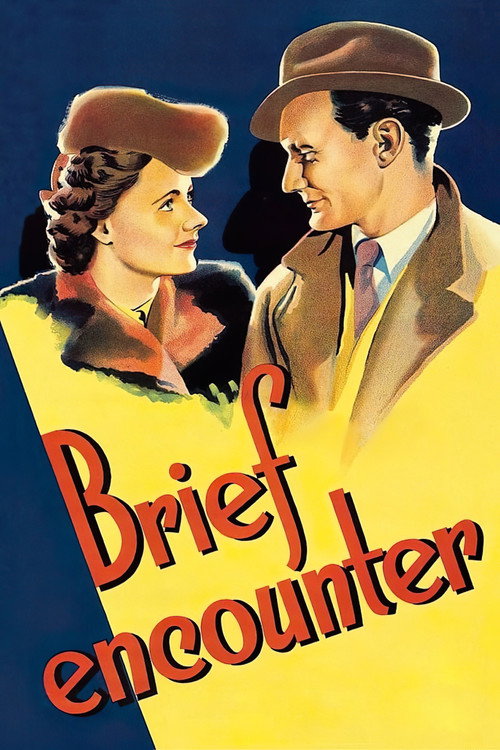
Brief Encounter1945
Both explore how social obligation and propriety can destroy love that would otherwise be uncomplicated. Both argue that the cruelest weapon society has is simply the requirement that we behave.
Coward and Lean's masterpiece about two ordinary people meeting in secret, loving desperately, then separating forever. It's the spiritual descendant of Lovers—same theme of desire constrained by social duty—but British, post-war, and achingly restrained. The emotion hits because nothing is shown; everything is withheld.
But It's emotionally devastating in a quiet way that some find maudlin. The very Britishness of the restraint can feel precious, and the ending offers no hope whatsoever.
More like this (5)
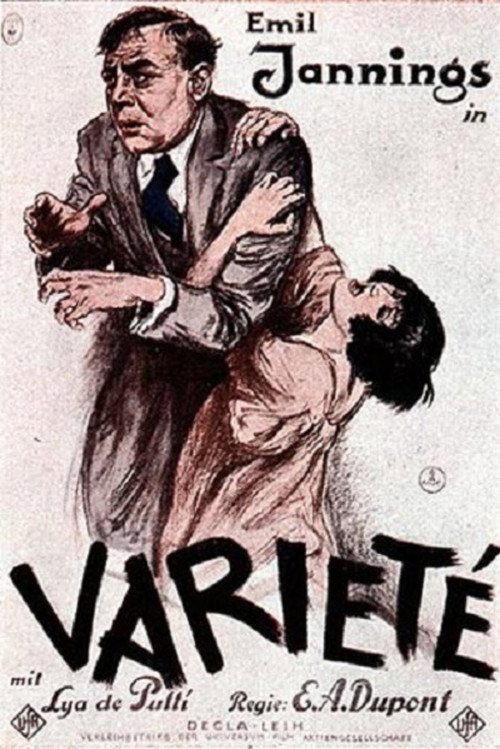
Variety1925
German expressionist drama about jealousy and betrayal in the circus world. Like Lovers, it's a compact story about passion destabilizing a small society. The visual language is intoxicating, the drama immediate.
But The plot hinges on dated gender dynamics. It's also quite dark—there's real violence beneath the melodrama, which can feel gratuitous.
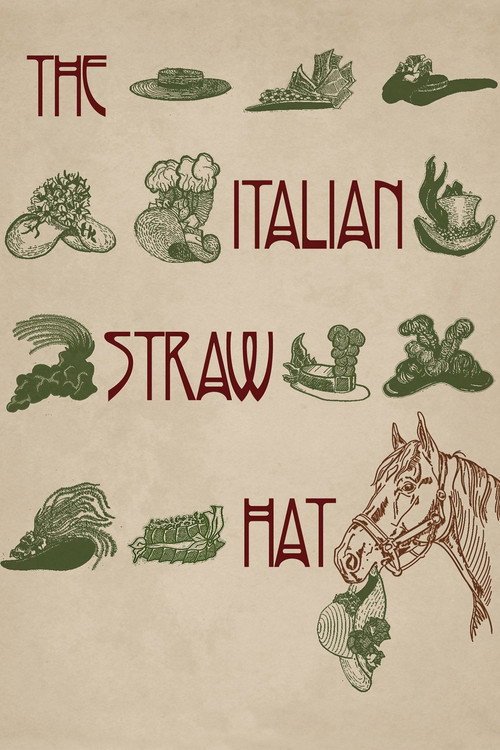
The Italian Straw Hat1928
René Clair's French comedy of errors, also from 1927, is pure controlled chaos. A different energy from Lovers entirely, but it shows what silent cinema could do with romance and misunderstanding at the same year.
But It's deliberately lightweight and whimsical. If you're in the mood for weightless farce, it's perfect; if you want emotional stakes, you'll feel unsatisfied.
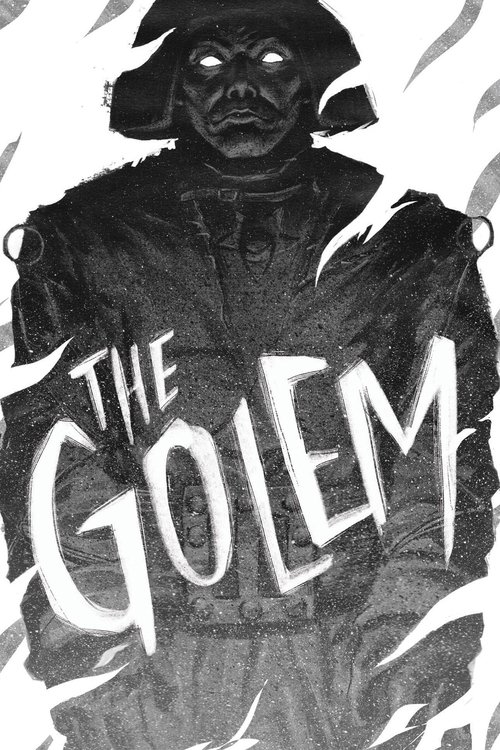
The Golem: How He Came into the World1920
Wegener's Expressionist masterpiece about a creature wreaking havoc on Prague. It's not a love story, but it shares Lovers' sense of forces beyond anyone's control destroying a closed society. Visually stunning and genuinely strange.
But It's a horror film wrapped in myth, not drama. If you're expecting emotional realism, the supernatural register will feel like a category error.
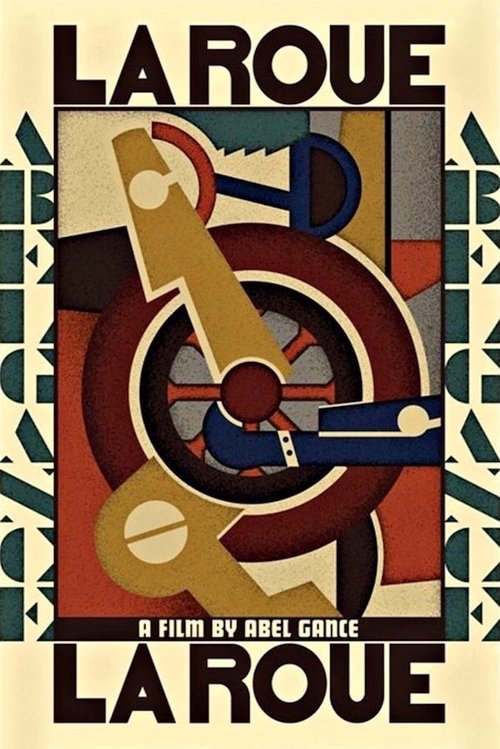
La Roue1923
Gance's railway epic about obsession and loss. It's wildly ambitious—shot with experimental techniques and a running time that demands commitment—but it tunnels into passion the way Lovers does, with similar intensity and fatalism.
But It's nearly five hours, even in abbreviated cuts. The pacing is hypnotic for some, exhausting for others. The emotional register never varies: it's grief and longing throughout.
Tokyo Story1953
Both are about people trapped by social roles—unable to break free, unable to speak honestly, resigned to quiet suffering. Both argue that this is simply what it means to be human, and both find unexpected grace in that resignation. Neither offers escape; both offer understanding.
Ozu's Japanese masterpiece about elderly parents visiting their children in Tokyo. On the surface, nothing like Lovers—it's about aging, family, and quiet acceptance rather than scandal and passion. But it has the same patient intensity about how people navigate obligation, duty, and the impossibility of saying what they feel. Profoundly moving without raising its voice.
But It is not plot-driven. It is a film about the spaces between moments. If you need conventional drama to stay engaged, you will find it glacially paced. The emotional register is so subtle it might feel like nothing is happening.

People
Cast
 Ramon NovarroJosé
 Alice TerryFelicia
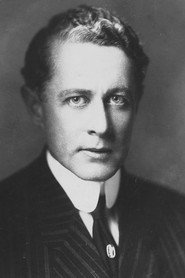 Edward MartindelDon Julian
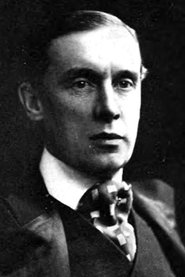 Edward ConnellyDon Severo
 George K. ArthurPepito
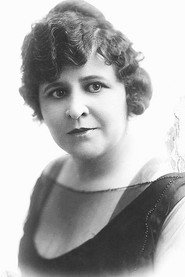 Lillian LeightonDoña Mercedes
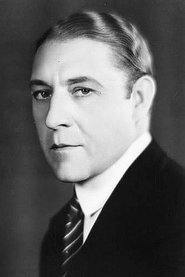 Holmes HerbertMilton
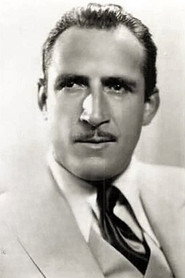 John MiljanAlvarez
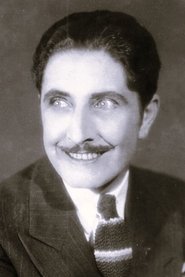 Roy D'ArcySeñor Galdos
Directing
- Sidney AlgierAssistant Director
- John M. StahlDirector
Writing
- Douglas FurberWriter
- José Echegaray y EizaguirreWriter
- Marian AinsleeWriter
- Ruth CummingsWriter
- Sylvia ThalbergWriter
Production
- John M. StahlProducer