
Film
Flame of Araby
A 1951 Technicolor adventure about an Arabian princess and a Bedouin chief who clash over a prized stallion before joining forces against corsair villains. It's pure escapism—bright, fast-paced, undemanding fun with real stunts and location shoots. For anyone who loves old Hollywood spectacle and doesn't need their adventure films to apologize for being adventure films.
Should you watch it?
Watch it if you love old-fashioned Technicolor adventure with a swaggering romance, desert horseback chases, and a hero and heroine who spar like equals before they fall for each other.
Skip it if you need modern pacing or gritty realism; this 78-minute studio spectacle is theatrical, stagey in places, and its exoticism belongs to a very different era of filmmaking.
What it asks of you: Settle in for a brisk, brightly colored hour and a bit, played straight with big gestures and cheerful melodrama, asking you to accept its painted desert and its sense of fun without irony.
Not sure? Find tonight's pick in a minute.
If you liked this
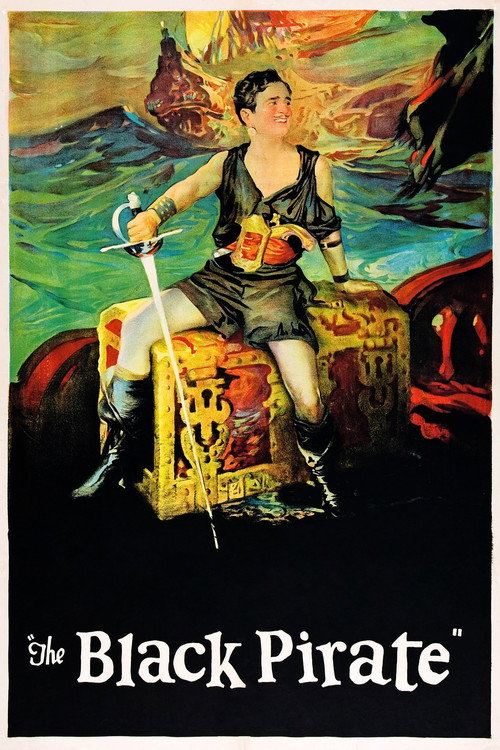
The Black Pirate1926
Douglas Fairbanks single-handedly reinvented the swashbuckler here: acrobatic, witty, genuinely thrilling. If you love the energy of Flame of Araby, this is where that lineage began. Pure physical storytelling.
But Silent film moves at a different rhythm. The comedy is broad, and you have to read titles. Some find it slow despite the action.
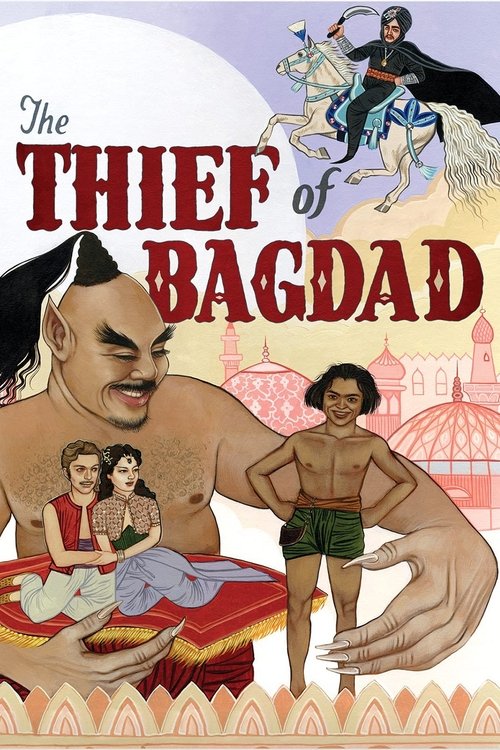
The Thief of Bagdad1940
Sabu, Jon Hall, and Technicolor magic in an Arabian-nights setting. It has the same giddy love of spectacle and exotic adventure, with genuinely inventive special effects that still hold up.
But Slower pacing than modern adventure films. The romantic plot is thin. Some find the colonial-era framing troubling.
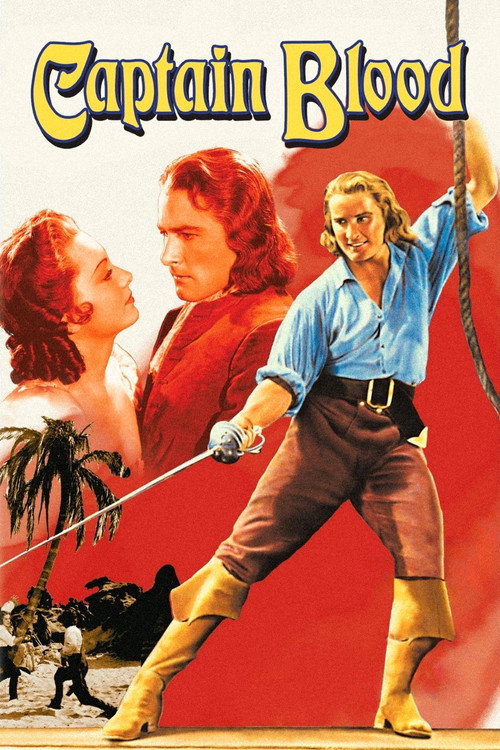
Captain Blood1935
Errol Flynn's definitive swashbuckler: witty, beautifully choreographed sword fights, and genuine charm. The template for every adventure film that came after, including Flame of Araby.
But Black and white after you've seen Technicolor. The pacing is deliberate—this isn't a modern action film. Romance subplot may feel slow.
Not sure tonight? Get a pick in a minute, starting from Flame of Araby
The wildcard
Something you would not have found on your own.
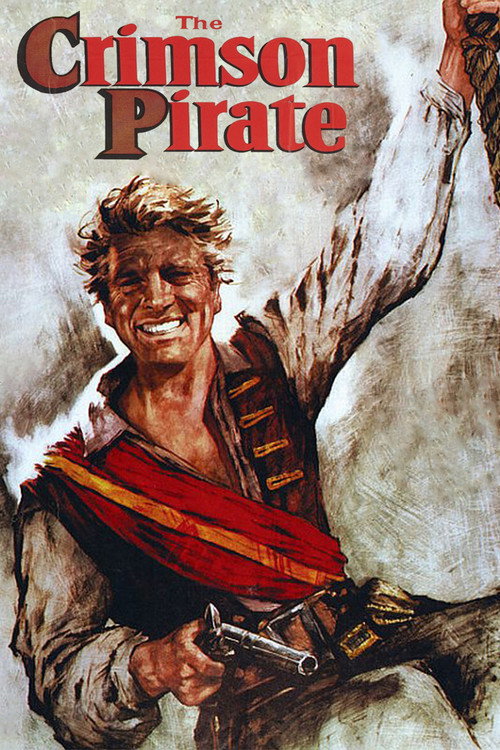
The Crimson Pirate1952
Both are adventure films made in the same era that abandon realism entirely and celebrate spectacle and movement as their own reward. Neither apologizes for being entertainment.
Burt Lancaster in an adventure so acrobatic and joyful it feels like a circus. It's a swashbuckler that knows exactly how silly the form is and loves it anyway—the same anarchic energy as Flame of Araby, but with a wink.
But Very cartoonish. The plot is nonsense. If you want adventure to be serious, this will drive you up the wall.
More like this (7)
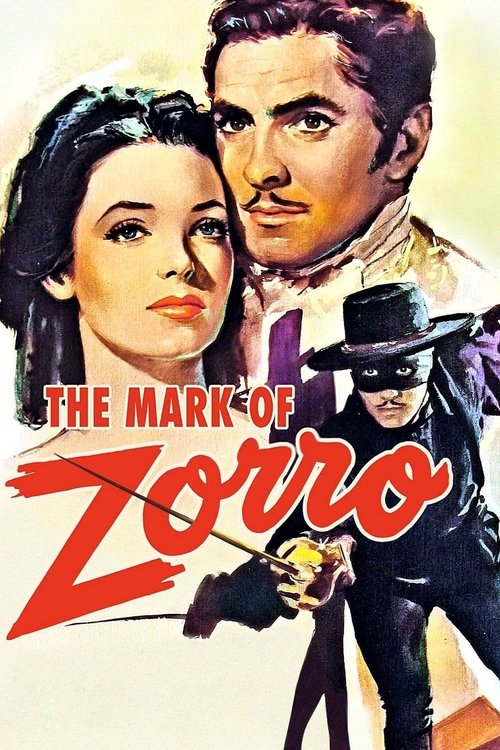
The Mark of Zorro1940
Tyrone Power as a masked adventurer outwitting Spanish colonists. It has Flame of Araby's delight in costume, action, and a hero fighting against authority. Beautifully made and genuinely fun.
But Very much a product of 1940. Some of the plotting feels thin. The action sequences are shorter than modern audiences expect.
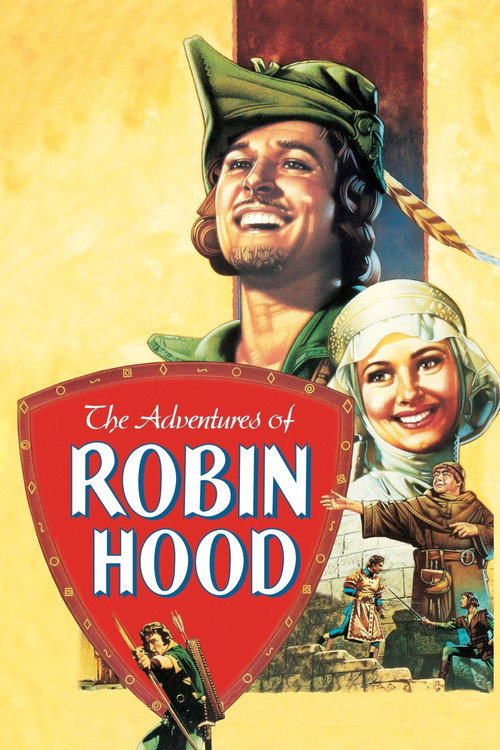
The Adventures of Robin Hood1938
Errol Flynn in Technicolor, fighting nobility and injustice with humor and swordplay. The colour, the energy, the stunts—this is the peak of that era's adventure filmmaking.
But Archery-heavy action. The British setting won't scratch the exotic itch. Some find the moralizing dated.
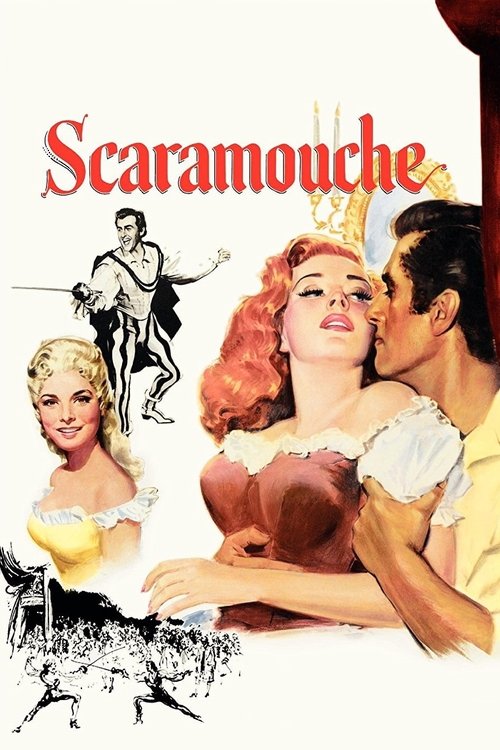
Scaramouche1952
Stewart Granger in a French Revolution adventure with a famous duel scene that goes on brilliantly. Same year as Flame of Araby, same spirit: colour, costume, and swordplay without pretension.
But Plotty in a way that requires attention. The political background may bore you. The romantic lead is less interesting than the villain.
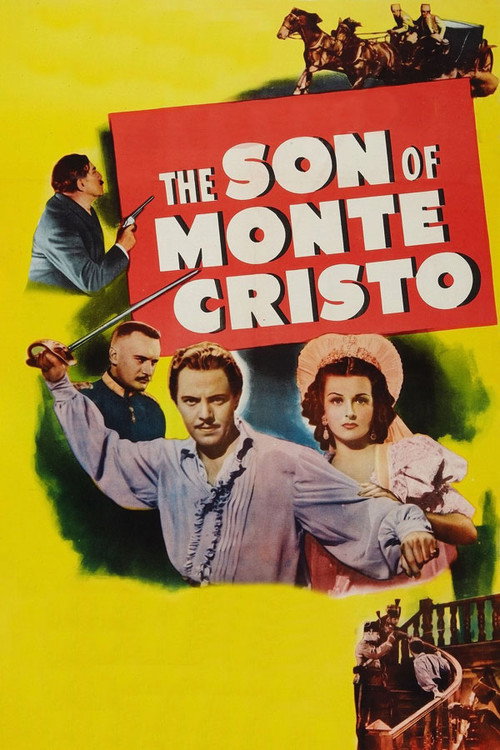
The Son of Monte Cristo1940
Louis Hayward as a swashbuckler with a vendetta. It's leaner than the bigger productions but has real verve—good sword work, a solid plot, and genuine stakes despite the adventure-serial tone.
But Lower budget shows. Less spectacle than you might want. The villain is not particularly memorable.
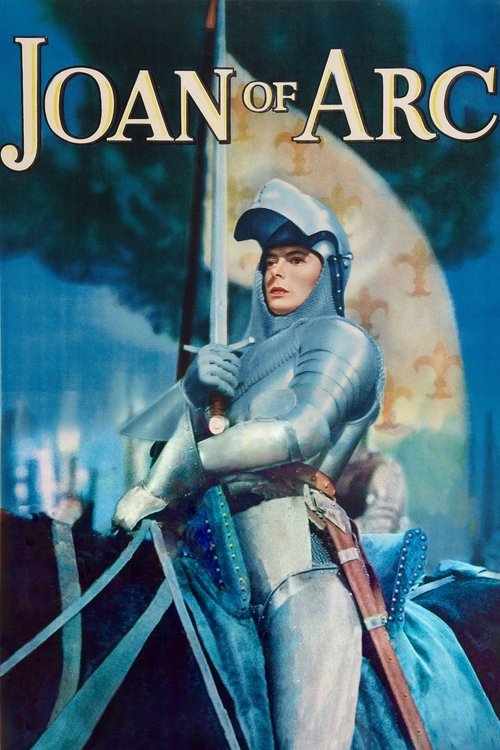
Joan of Arc1948
Ingrid Bergman in technicolor battle sequences and armor. It shares Flame of Araby's love of lavish production design and sweeping adventure, though the tone is far more serious.
But It's a historical epic, not a romp. Three hours long. The pacing is stately. Some find Bergman's performance mannered.
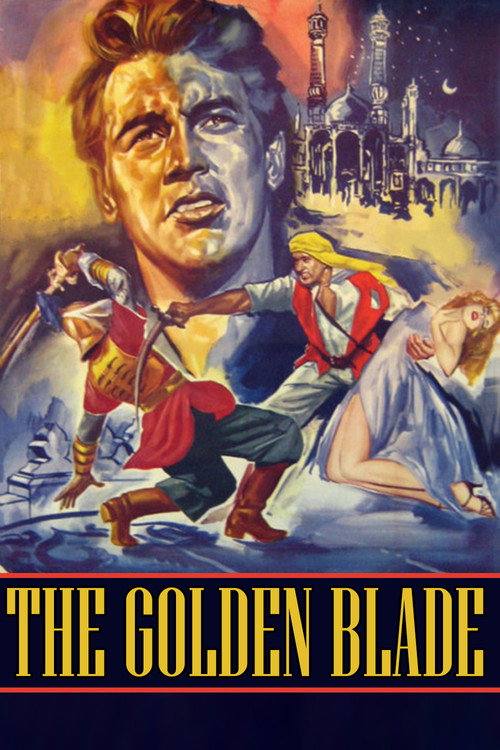
The Golden Blade1953
Rock Hudson in an Arabian-nights adventure with action, humor, and genuine charm. Made just after Flame of Araby, it shares the same DNA and proves the formula worked more than once.
But Budget constraints show. The plot is thin even by adventure-serial standards. Some scenes feel padded.
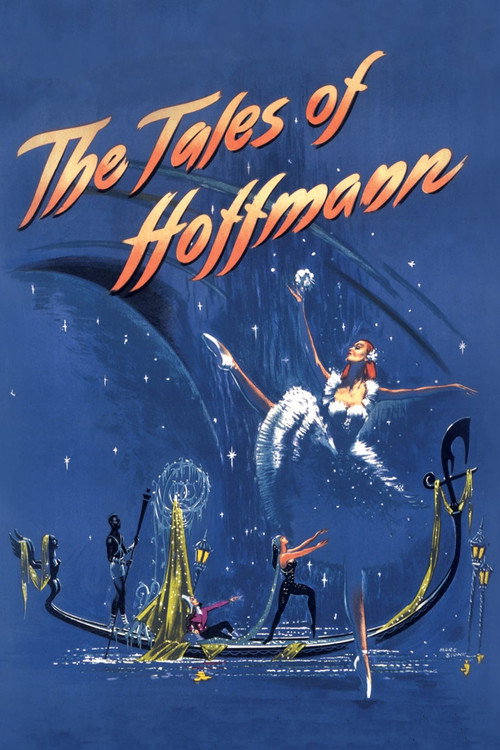
The Tales of Hoffmann1951
Both were made in 1951 in Technicolor by filmmakers who loved artifice and color and spectacle for their own sakes. Both refuse to be subtle about how much they're showing off.
Michael Powell and Emeric Pressburger's operatic fantasy in vivid Technicolor. It's a completely different genre, but it shares Flame of Araby's theatrical glee, gorgeous color work, and indifference to plausibility—just in ballet form.
But It's an opera sung in English. There is no plot in the conventional sense. If you need narrative momentum or don't like stylized performance, it will feel like punishment.
People
Cast
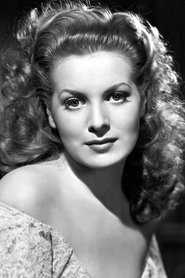 Maureen O'HaraPrincess Tanya
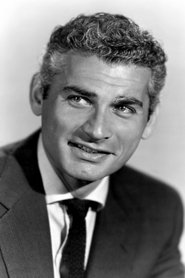 Jeff ChandlerTamerlane
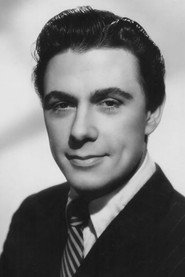 Maxwell ReedPrince Medina
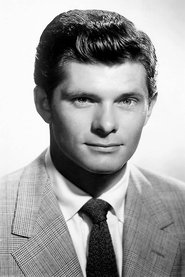 Dewey MartinYak
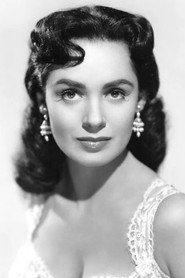 Susan CabotClio
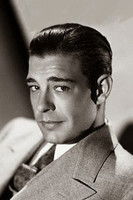 Lon Chaney Jr.Borka Barbarossa
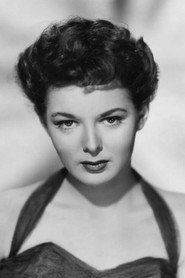 Judith BraunCalu
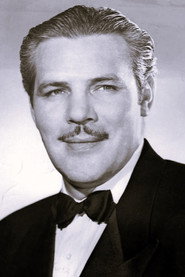 Buddy BaerHakim Barbarossa
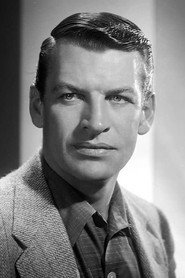 Richard EganCaptain Fezil
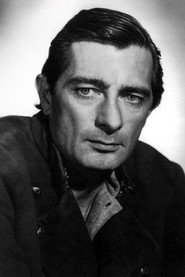 Royal DanoBasra
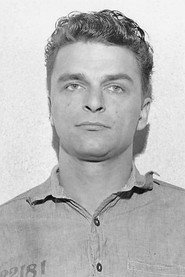 Henry BrandonMalik
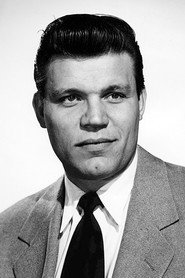 Neville BrandKral
Directing
- Charles LamontDirector
Writing
- Gerald Drayson AdamsWriter
Production
- Ross HunterAssociate Producer
- Leonard GoldsteinProducer
Recommended by
This Above All, Ride the Pink Horse, Fort Algiers, The Prince Who Was a Thief, The Adventures of Hajji Baba