
Film
Story of G.I. Joe
Ernie Pyle, America's most beloved war correspondent, embeds with an infantry company across North Africa, trading his typewriter for a soldier's view of combat. It's a intimate, unglamorous portrait of ordinary men in extraordinary circumstances—less battle spectacle than human document. Made during the war itself, it has the weight of something witnessed rather than imagined.
Should you watch it?
Watch it if you like war films that find their drama in ordinary men's exhaustion and small talk rather than in battle heroics, and you're happy with a reporter's eye on the mud.
Skip it if you need a plot with a clear forward thrust, because this is a loose, episodic string of scenes that wanders through camp life and marches with little urgency.
What it asks of you: Just under two hours of unhurried scenes, with the sentiment sitting close to the surface and the sincerity running straight through it.
Not sure? Find tonight's pick in a minute.
If you liked this
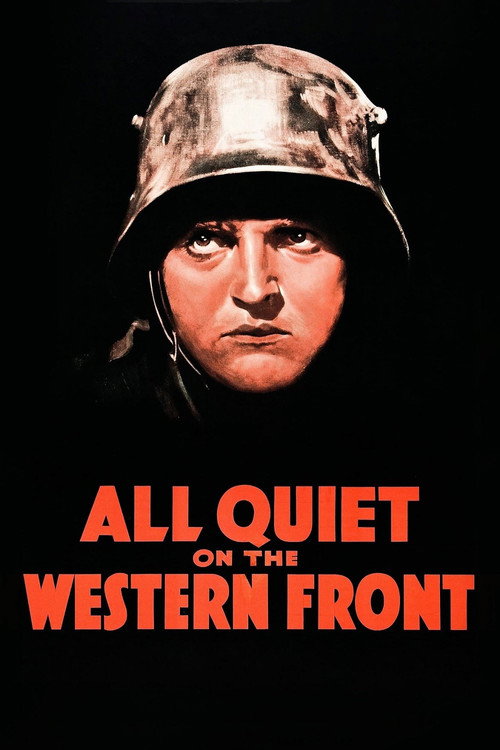
All Quiet on the Western Front1930
The definitive anti-war film, following German soldiers with the same unflinching empathy Pyle brings to Americans. Brutal, heartbreaking, and structurally perfect—it set the standard every war film since has measured itself against.
But It's relentlessly bleak and slow-paced by modern standards. The 1930 dialogue and cinematography require patience and attention.
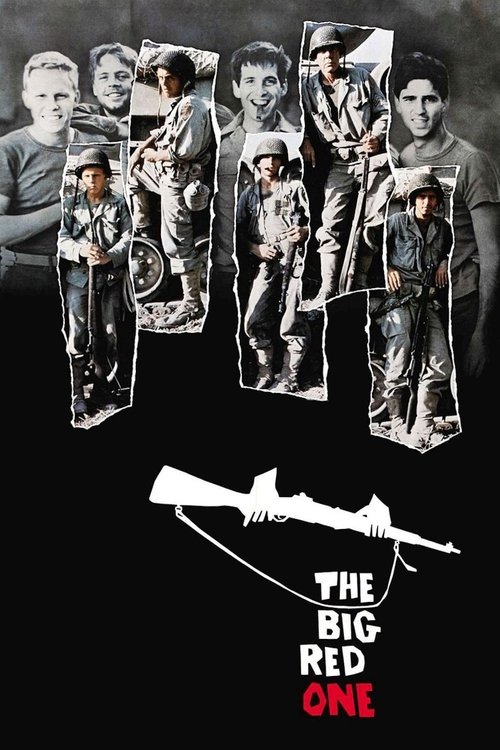
The Big Red One1980
Samuel Fuller's semi-autobiographical masterpiece follows an infantry squad from North Africa through Europe with the same ground-level perspective and emotional specificity. Fuller was there; it shows in every frame.
But Fuller's editing is deliberately rough and his style can feel jarring. Some scenes feel incomplete, which bothers viewers looking for conventional storytelling.
Come and See1985
A Soviet film about a boy conscripted into the Red Army—visceral, hallucinatory, and utterly committed to showing war's dehumanizing horror. Nothing else captures the psychological obliteration of combat so completely.
But It's genuinely difficult to watch. The violence is not exploitative but it is relentless, and the emotional toll accumulates deliberately.

Not sure tonight? Get a pick in a minute, starting from Story of G.I. Joe
The wildcard
Something you would not have found on your own.
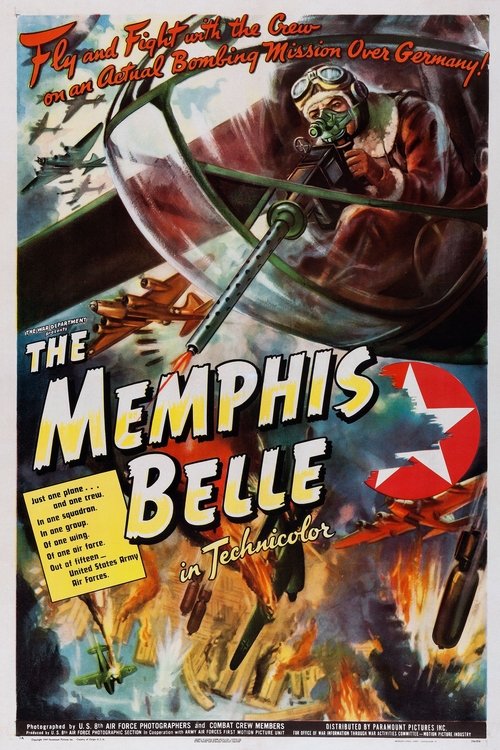
The Memphis Belle1944
Both are nonfiction-inflected accounts of ordinary soldiers made in real time, by witnesses embedded in the experience rather than historians looking back. Both trust the subject to be enough.
William Wyler's documentary about a B-17 bomber crew's 25th and final mission is shot in Technicolor during actual combat operations. It has the immediacy and texture of real danger that no reconstruction can match.
But It's a documentary with no narrative arc—just the rhythms of preparation and flight. Some sequences are repetitive and the stakes are implied rather than dramatized.
More like this (7)
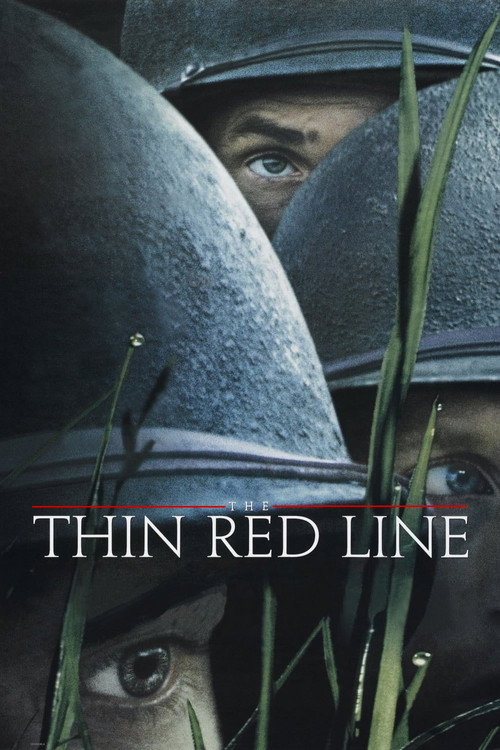
The Thin Red Line1998
Terrence Malick's meditation on combat in the Pacific mixes brutal battle sequences with philosophical voiceover and natural beauty. It captures the strange mixture of terror and transcendence soldiers experience.
But The overlapping narration and impressionistic structure frustrate viewers who want clarity and conventional plot. It's a poem, not a procedural.
Saving Private Ryan1998
The opening D-Day sequence redefined combat cinematography with its visceral realism, and the ensemble cast brings genuine camaraderie and grit to the mission narrative that follows.
But It pivots from realism to a more conventional war-movie structure in the second half. Some find the emotional beats calculated.
In Which We Serve1942
Noël Coward directed and starred in this British naval drama made during wartime. It's economical, moving, and captures something genuine about ordinary duty under fire.
But It's very much a product of 1942 propaganda cinema—patriotic and formal in ways modern audiences find dated. The emotional restraint reads as coldness now.
The Cruel Sea1953
A British convoy escort destroyer fights U-boats in the Atlantic. It's procedurally gripping, focused on the grinding vulnerability of men at sea, with excellent ensemble acting.
But It's talky and British in register. The drama is in small moments rather than heroics, which some find slow.
The Best Years of Our Lives1946
Three soldiers return home to discover civilian life is its own kind of battle. Wyler's masterpiece is about the collision between what men experienced and what America wants to believe about them.
But At three-and-a-half hours, it demands commitment. The pacing is patient and some subplots feel tangential.

Pork Chop Hill1959
Like Pyle's dispatch, it's skeptical of war's grand narratives and committed instead to what individual soldiers actually endure. It's the logical end point of Pyle's honest perspective.
Lewis Milestone's Korean War film is a surgical dissection of a meaningless tactical battle—all the horror and none of the moral clarity. Gregory Peck leads a squad into a hill objective everyone knows won't matter.
But It's a bleak, cynical film that offers no catharsis or patriotic redemption. If you want meaning from war, it won't provide it.
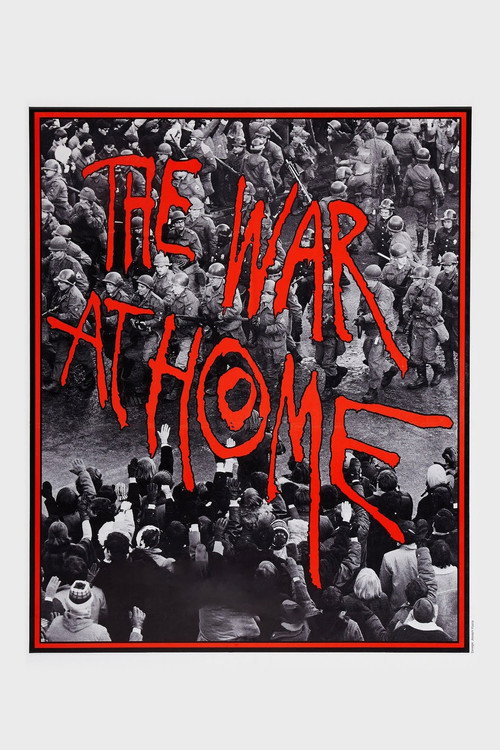
The War at Home1979
Both are committed to showing you what actually happened rather than what myth demands. Pyle reported what soldiers were, not what they symbolized. This film does the same for the civilians who rejected the war.
Glenn Silber and Barry Alexander Brown's documentary about the anti-war movement in Madison, Wisconsin uses archival footage to show the home front as a genuine moral struggle. It's visually stunning and structurally inventive.
But It's a leftist political documentary made in 1979, not a balanced history. If you're looking for objectivity, you won't find it—or you might find its perspective too strong.
People
Cast
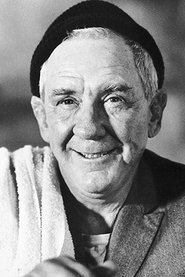 Burgess MeredithErnie Pyle
 Robert MitchumBill Walker
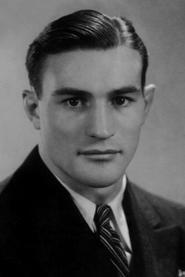 Freddie SteeleSgt. Steve Warnicki
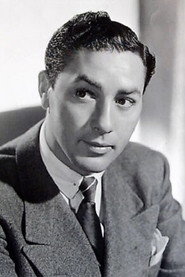 Wally CassellPvt. Dondaro
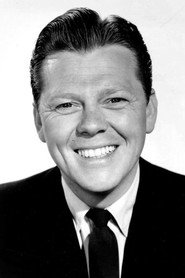 Jimmy LloydPvt. Spencer
- John R. ReillyPvt. Robert 'Wingless' Murphy
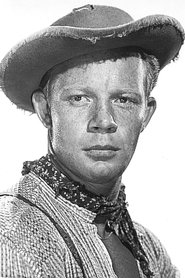 William MurphyPrivate Mew
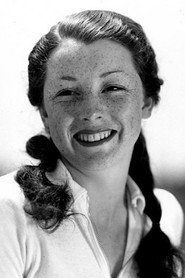 Dorothy Coonan WellmanNurse Lt. Elizabeth 'Red' Murphy (uncredited)
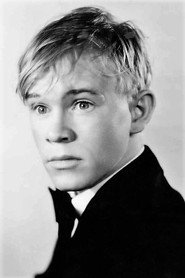 William BenedictPvt. Whitey (uncredited)
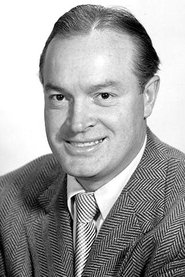 Bob HopeBob Hope (Voice on Radio Program) (voice) (uncredited)
- Yolanda LaccaAmelia, Italian Girl (uncredited)
- Tito RenaldoLopez
Directing
- William A. WellmanDirector
Writing
- Guy EndoreScreenplay
- Leopold AtlasScreenplay
- Philip StevensonScreenplay
Production
- David S. HallAssociate Producer
- Harvey DwightLocation Manager
- Lester CowanProducer
- Ray HeinzProduction Manager
- William McGarryProduction Manager
Recommended by
The Pacific, Guadalcanal Diary, Tour of Duty, To Hell and Back, Bataan, Air Force, Winged Victory, The Eagle and the Hawk, Westbound