
Film
Cry 'Havoc'
- War drama
- Very dark
A 1943 wartime drama about Army nurses and auxiliary women stranded on Bataan, thrown together across class and background in impossible circumstances. Sharp-edged, unexpectedly funny in its character dynamics, and deeply serious about sacrifice. A film that trusts its ensemble cast to carry the moral weight without melodrama.
If you liked this
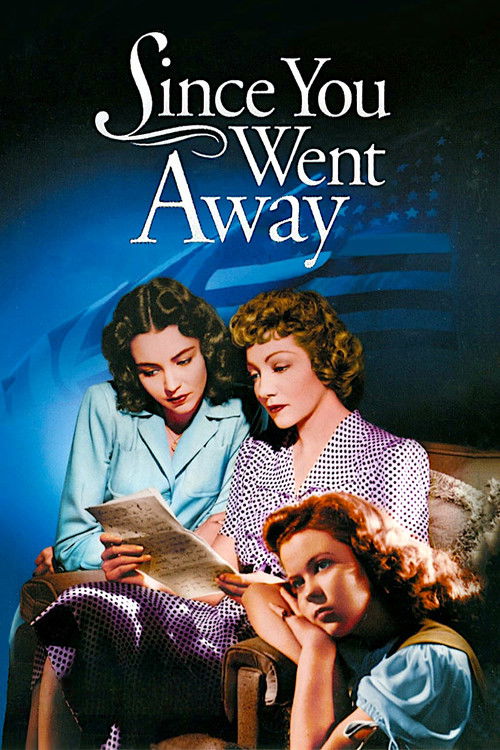
Since You Went Away1944
Another wartime ensemble anchored by Margaret Sullavan, exploring how women navigate absence, fear, and duty on the home front. Equally attentive to female relationships and the texture of ordinary life under extraordinary pressure.
But It's sentimental in places, and the pacing is leisurely by modern standards. Nearly three hours of 1944 filmmaking can feel like a commitment.
The Best Years of Our Lives1946
Postwar drama that treats ordinary people with the same narrative seriousness as Havoc does. Excellent ensemble work, real conflict between characters who care about each other, and refusal to simplify messy human problems.
But It's a long film about readjustment and trauma, which means it earns its runtime but doesn't rush. The pacing reflects its subject matter.

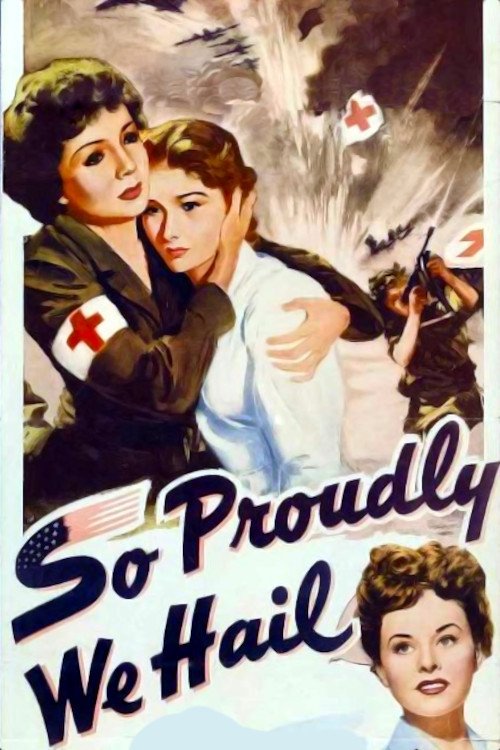
So Proudly We Hail1943
Nurse corps drama released the same year, with Claudette Colbert and Paulette Goddard. Similarly focused on female camaraderie and sacrifice, but with more direct combat and action sequences.
But The propaganda elements date it visibly, and the portrayal of the enemy is harsh by modern standards. Some scenes have aged into genuine discomfort.
Not sure tonight? Get a pick in a minute, starting from Cry 'Havoc'
The wildcard
Something you would not have found on your own.
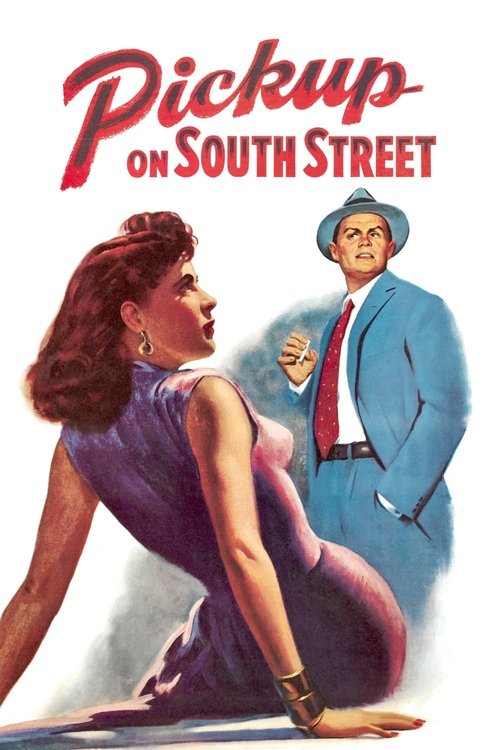
Pickup on South Street1953
Both films locate heroism and moral complexity in people society dismisses—nurses and auxiliary workers in one, street hustlers in the other. Both trust their ensemble casts to embody that complexity without explanation.
Fuller's film about ordinary people—a pickpocket, a prostitute, a working-class stiff—caught in Cold War espionage. Class matters, female agency matters, and the film treats its morally compromised characters with genuine dignity. Same DNA as Havoc: ensemble built from outsiders, no condescension.
But It's noir, not wartime drama, so the aesthetic and genre are completely different. Also grittier and more cynical about human nature than Havoc's tragic solidarity.
More like this (7)
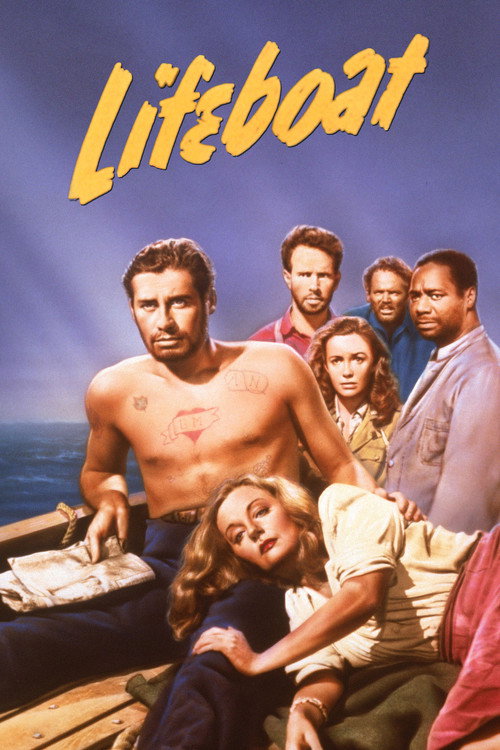
Lifeboat1944
Hitchcock ensemble piece: strangers trapped together in one space, forced to negotiate survival, class anxiety, and whether anyone can be trusted. The constraint creates genuine tension and character work.
But It's a chamber piece in a lifeboat for two hours, which means it's claustrophobic and philosophically abstract. Not everyone wants to sit with that.
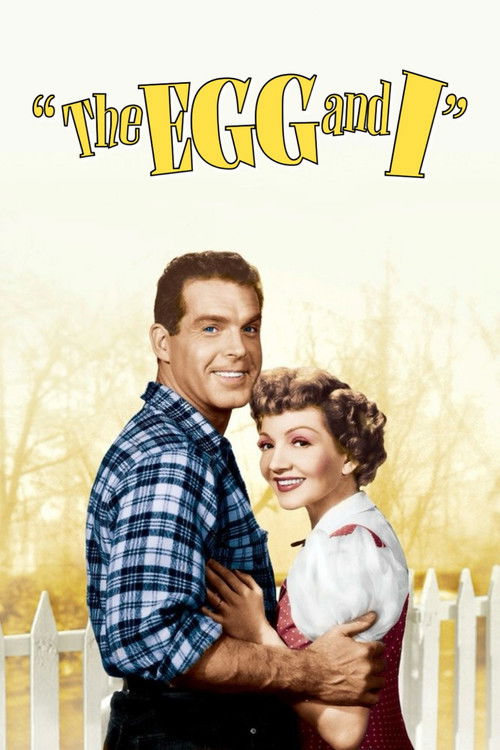
The Egg and I1947
Claudette Colbert and Irene Dunne in a film about women adapting to extraordinary circumstances and each other. Less combat-focused than Havoc, but equally grounded in character and female relationships.
But It's a romantic comedy about marriage and farming, which might feel tonal whiplash if you're coming from the wartime desperation of Havoc. Much lighter overall.
The Asphalt Jungle1950
Ensemble heist film where character work and moral complexity matter as much as plot. People from different backgrounds and motives forced to cooperate under pressure, with genuine consequences.
But It's a crime film, not a war film, so you're shifting genre entirely. The tone is noir cynicism rather than wartime sacrifice.

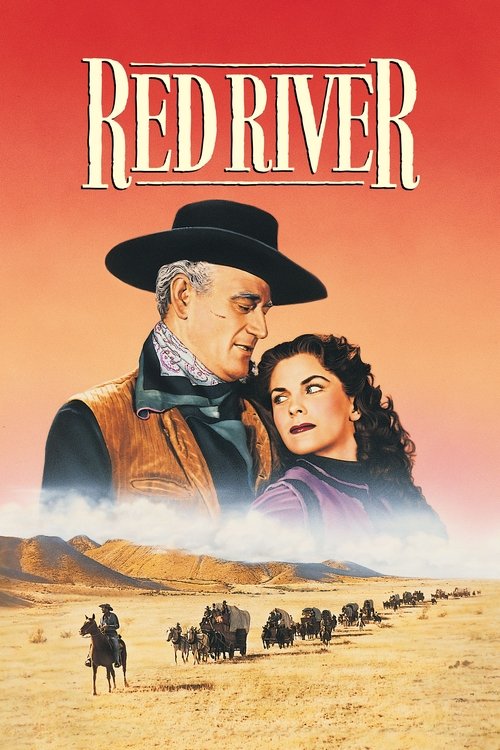
Red River1948
Hawks ensemble western where group dynamics, hierarchy, and the cost of leadership carry the emotional weight. Tense relationships between people who depend on each other.
But It's a western, not a war film, and the morality is murkier. Also, John Wayne dominates the screen, so it's not an ensemble in the same way.
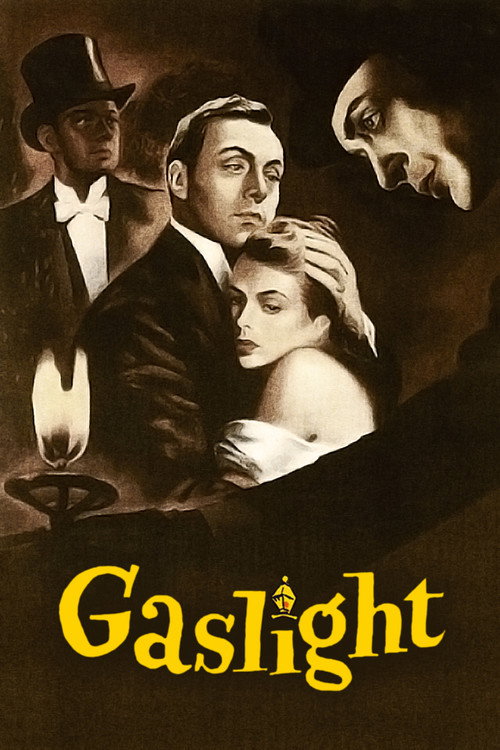
Gaslight1944
1944 thriller with excellent character work and psychological complexity. Shows what strong actresses could do with material that trusted their intelligence. Ingrid Bergman and Charles Boyer in a film about manipulation and gaslighting.
But It's a psychological thriller, not a war film, so the context is completely different. Much more intimate and dark.
Come and See1985
Both films reject sentimentality about war and sacrifice. Come and See does it through visceral horror; Havoc does it through character detail and the refusal to make suffering redemptive. Both say: this is what it costs, and no meaning makes it okay.
Soviet film about a boy conscripted into the Red Army, witnessing the moral and physical devastation of war. Utterly committed to depicting what combat does to ordinary people. Visually overwhelming and intellectually serious in a way Havoc reaches toward but the era wouldn't allow.
But It's brutal, relentless, and intentionally traumatizing. Not a film you watch for catharsis or comfort. Requires something close to endurance, and the violence is specific and grueling.

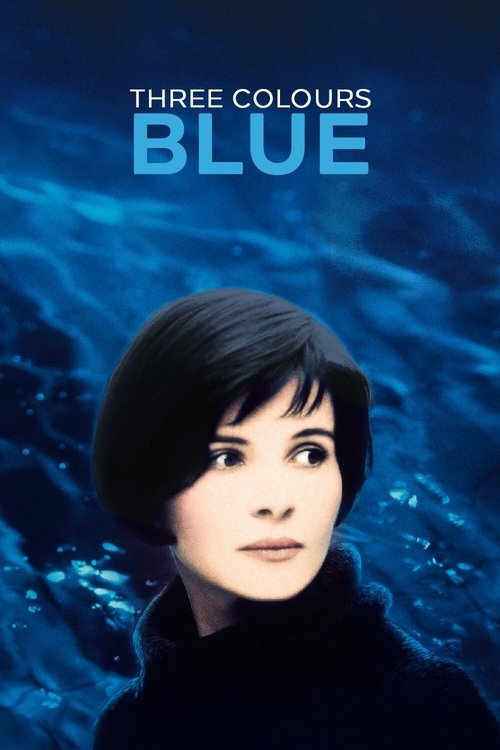
Three Colors: Blue1993
Havoc shows women under wartime pressure maintaining dignity and connection. Blue shows a woman in peacetime discovering that connection and dignity are the only things worth surviving for. Same philosophical core about human interdependence, utterly different formal language.
Kieslowski's meditation on isolation and human connection after loss. A woman stripped of her entire life—husband, daughter, identity—must figure out how to survive and reconnect. Quiet, elliptical, European art cinema, but its core is identical to Havoc: how do people support each other when everything is gone?
But It's a 1990s arthouse film with nonlinear structure and no plot in the conventional sense. If you want narrative clarity or conventional drama, this will feel oblique and frustrating. Very slow.
People
Cast
 Margaret SullavanLieutenant Smith
 Ann SothernPat
 Joan BlondellGrace
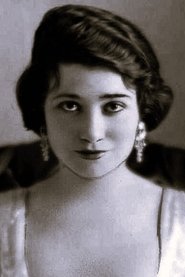 Fay BainterCaptain Marsh
 Ella RainesConnie
 Marsha HuntFlo Norris
 Frances GiffordHelen
 Diana LewisNydia
 Heather AngelAndra

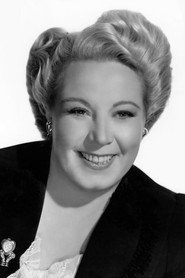 Connie GilchristSadie
- Gloria GraftonSteve
Directing
- Richard ThorpeDirector
Writing
- Paul OsbornScreenplay
- Allan KenwardTheatre Play
Production
- Edwin H. KnopfProducer