
Film
The Age of Innocence
Other titles called The Age of Innocence: the 1993 film.
A restrained 1934 adaptation of Edith Wharton's novel set in 1870s Manhattan high society. A lawyer engaged to a conventional woman encounters a sophisticated European countess and desires her instead. Exquisitely acted and shot, it captures the suffocation of social propriety with elegant restraint. For viewers who love costume drama with emotional subtlety and moral complexity.
If you liked this
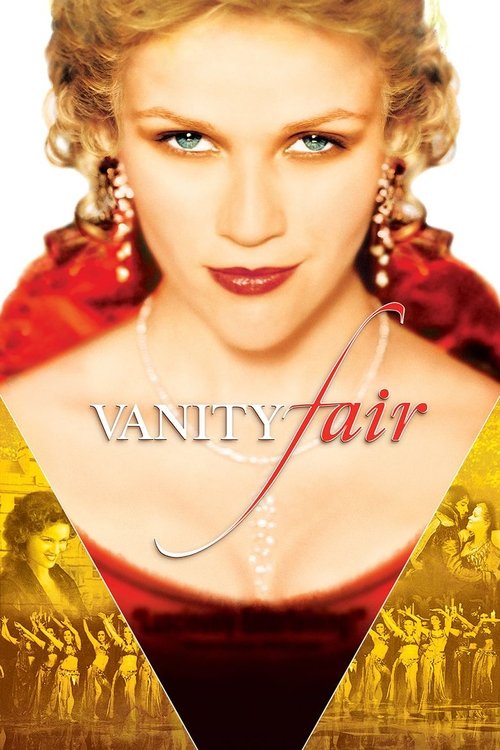
Vanity Fair2004
Another Thackeray/Wharton-era story of a sharp woman maneuvering through rigid society, with equally sumptuous production design and a lead who commands every scene she's in.
But The 2004 version can feel melodramatic and occasionally tries too hard to seem contemporary; some find Reese Witherspoon's Becky Sharp too winking.
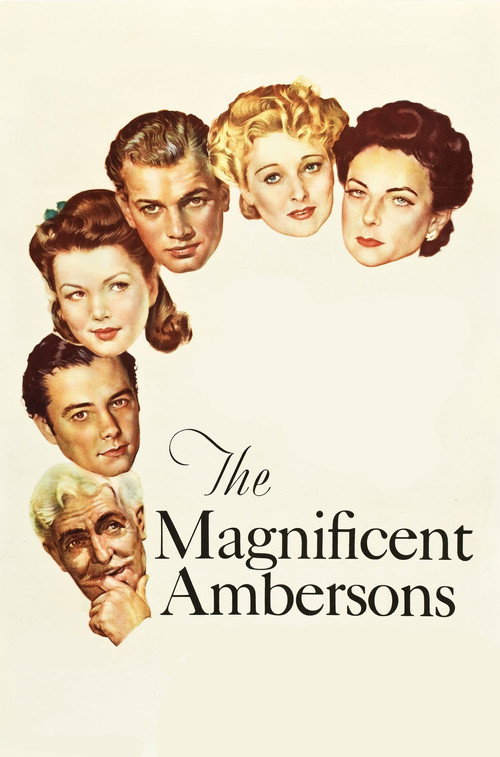
The Magnificent Ambersons1942
Welles captures the same elegiac atmosphere—old money, new money, societal decay, and a young man trapped between duty and desire. The cinematography is similarly gorgeous and melancholic.
But It's shadowy and deliberately paced; the famous studio-butchered ending may frustrate you if you come for resolution rather than mood.
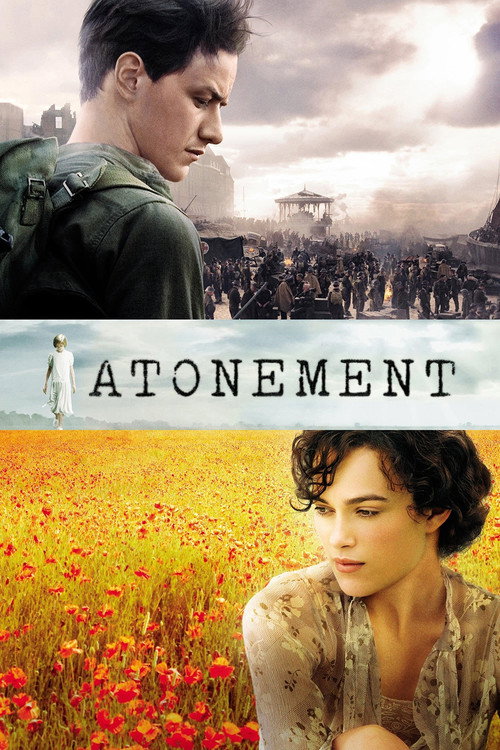
Atonement2007
A young woman's misunderstanding shatters two lovers across decades and continents. Like Innocence, it's about how society's rules and judgments destroy intimacy, with breathtaking visual storytelling.
But The twist is heavy-handed for some viewers, and the film is longer and more operatic than Wharton's restrained irony allows.
Not sure tonight? Get a pick in a minute, starting from The Age of Innocence
The wildcard
Something you would not have found on your own.
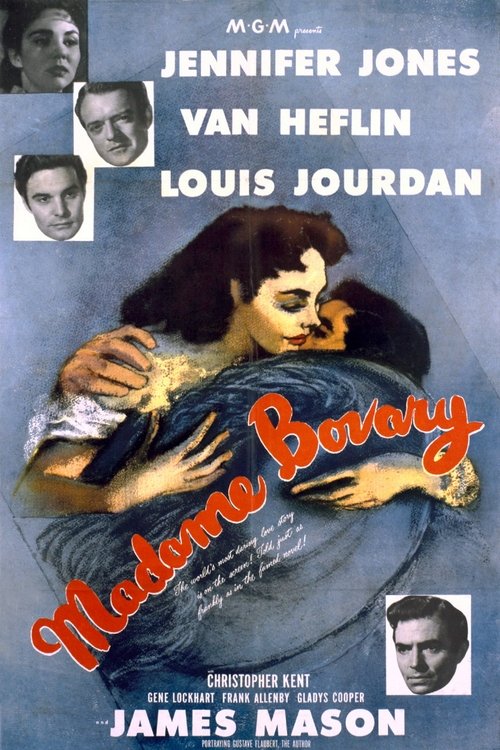
Madame Bovary1949
The inverse structure: instead of a man trapped between convention and desire, a woman destroys herself by choosing desire, and the film asks whether society or she is guilty.
Minnelli's colour melodrama of a provincial wife suffocating in marriage, seeking romance and grandeur beyond her station. Inverted morality—she's the Newland, and society is right to condemn her.
But It's technicolour and emotionally baroque, almost the opposite of Innocence's cool restraint; Minnelli's romanticism will jar if you want subtlety.
More like this (6)
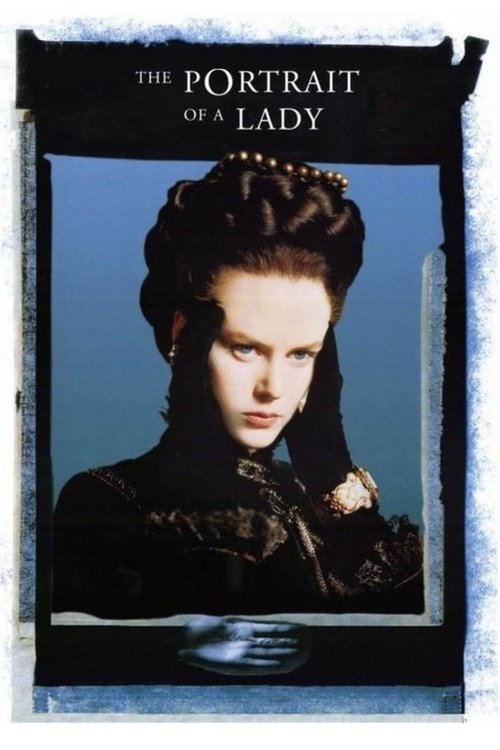
The Portrait of a Lady1996
Jane Campion's take on another Wharton contemporary: a free-spirited American woman in Europe who discovers that independence can be its own prison.
But It's deliberately mannered and sometimes static; Campion's symbolism can feel arch if you're not in the mood for art-film flourishes.
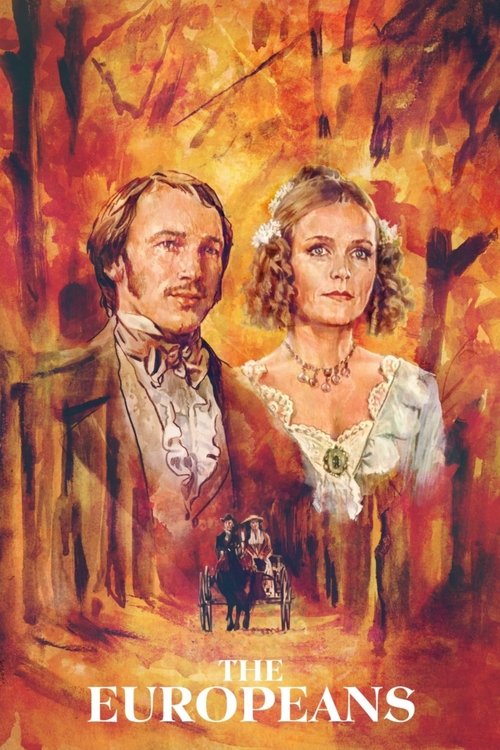
The Europeans1979
James Ivory's Henry James adaptation about the same era and tensions—cousins from Europe return to Massachusetts and disrupt rigid propriety with sophistication and moral ambiguity.
But Shot on a modest budget with Masterpiece Theatre pacing; it's genuinely quiet and will feel slow if you're not prepared for 1979 television aesthetics.
The Remains of the Day1993
The ultimate film about duty crushing desire: a butler suppresses his feelings for a housekeeper across decades. Every glance carries the weight of unspoken longing.
But Hopkins plays it so internally you may want him to actually say something; the emotional payoff comes only at the very end.

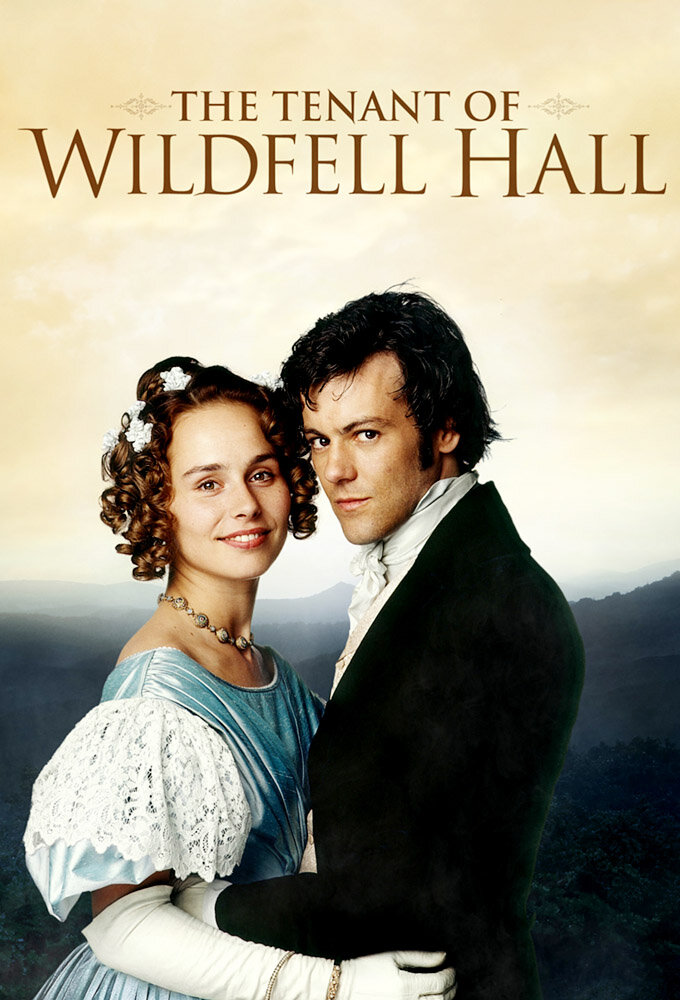
The Tenant of Wildfell Hall1996
A BBC adaptation of Anne Brontë's radical novel: a mysterious woman's unconventional past threatens a provincial community's assumptions. Sharp dialogue and genuine scandal.
But The pacing is leisurely Victorian; some plot threads resolve abruptly as TV miniseries sometimes do.
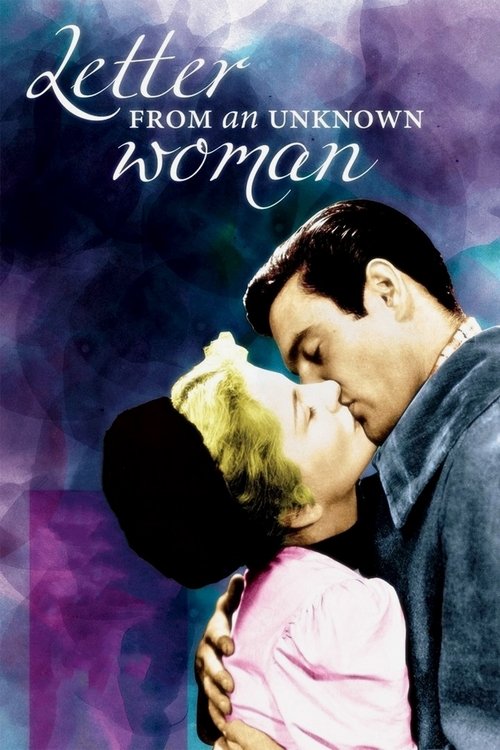
Letter from an Unknown Woman1948
Ophüls' masterpiece about obsessive, one-sided love. A woman pours out decades of hidden devotion in a letter to a man who doesn't remember her. Achingly beautiful.
But It's sentimental and melodramatic in ways the 1934 Innocence deliberately avoids; the fatalism may feel overwrought.
Hiroshima Mon Amour1959
Both are about the unbridgeable gap between what two people feel and what society—or circumstance—will allow them to be; both prioritize mood and unspoken longing over resolution.
Resnais and Duras on two lovers meeting briefly in post-war Hiroshima, unable to be together despite connection. Experimental structure, haunting atmosphere, the unsayable made visible.
But It's formally avant-garde, with repetition and fragmentation that feel more like poetry than plot; the romance is abstract and unhappy.
People
Cast
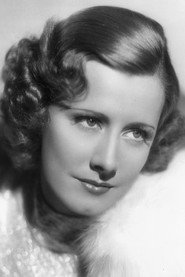 Irene DunneCountess Ellen Olenska
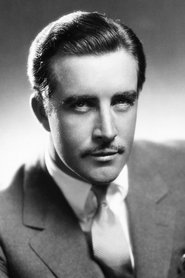 John BolesNewland Archer
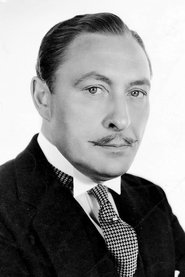 Lionel AtwillJulius Beaufort
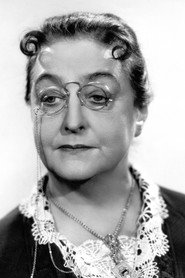 Helen WestleyGranny Manson Mingott
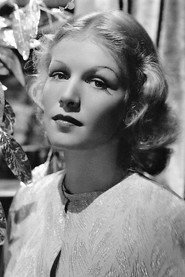 Julie HaydonMay Welland
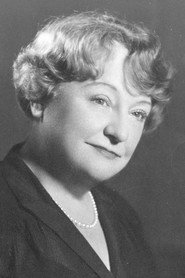 Laura Hope CrewsMrs. Welland
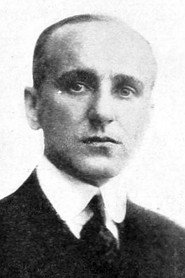 Barry O'MooreHoward Welland
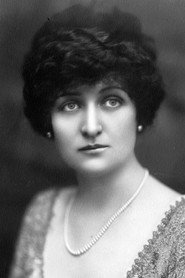 Theresa Maxwell ConoverMrs. Archer
- Edith Van CleveJane Archer
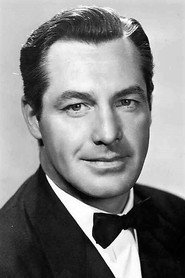 Kane RichmondDallas
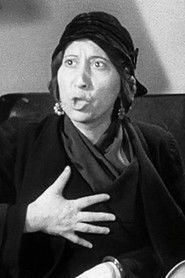 Inez PalangeNatasia
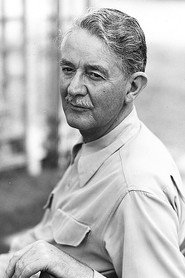 Leonard CareyThe Butler
Directing
- Edward KillyAssistant Director
- Philip MoellerDirector
Writing
- Edith WhartonNovel
- Sarah Y. MasonScreenplay
- Victor HeermanScreenplay
Production
- Pandro S. BermanProducer