
Film
Blockade
- Very dark
- Slow-burning
Sergei Loznitsa assembles silent archive footage of the Siege of Leningrad into a immersive, soundscaped documentary that abandons narration entirely. What emerges is intimate and immediate—not historical testimony but visceral presence. You watch ordinary people navigate extraordinary horror. It's contemplative, haunting, and demands your full attention. For viewers who want documentary that respects their intelligence and doesn't explain everything.
If you liked this
Come and See1985
Elem Klimov's masterpiece about a Soviet boy's initiation into war's grotesque reality. Unflinching, brutal, and structured around accumulated trauma rather than plot. The closest film has come to showing what war actually does.
But It's exhausting by design. Deliberately ugly, featuring violence against children, and offers no comfort or catharsis. Some call it the most difficult war film ever made.

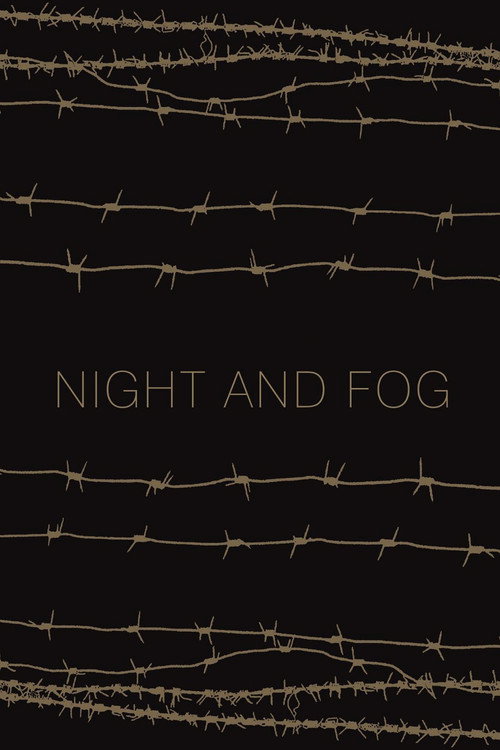
Night and Fog1956
Alain Resnais's 32-minute essay on the Holocaust uses found footage and original cinematography to create something neither documentary nor fiction. Poetic and unbearable in equal measure. The model for how archival material can pierce the present.
But Its brevity contains an immensity that can feel overwhelming. The juxtaposition of beauty and horror is deliberately unsettling, and some find its formalism cold.
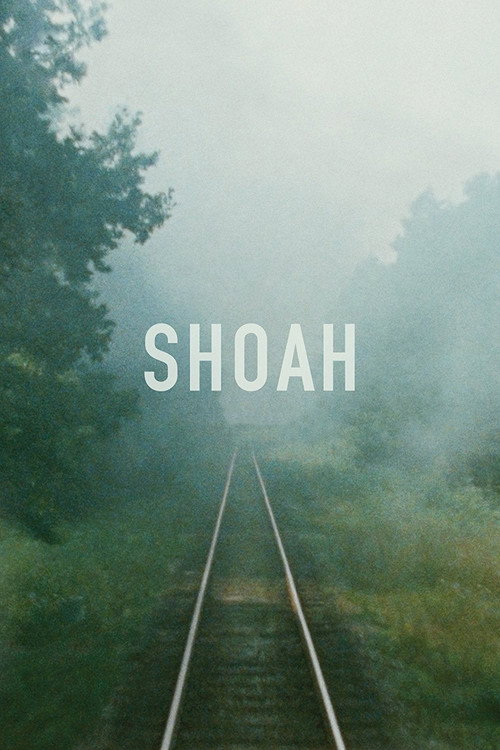
Shoah1985
Claude Lanzmann spent eleven years interviewing survivors and perpetrators, creating a nine-hour oral history that refuses archival footage entirely. Testimony becomes the document. Patient, devastating, essential. Redefined what Holocaust remembrance could be.
But Nine hours is a genuine commitment. Lanzmann's refusal to show images of the camps frustrates some viewers, and the pacing is deliberately glacial. It demands something cinema doesn't usually ask.
Not sure tonight? Get a pick in a minute, starting from Blockade
The wildcard
Something you would not have found on your own.
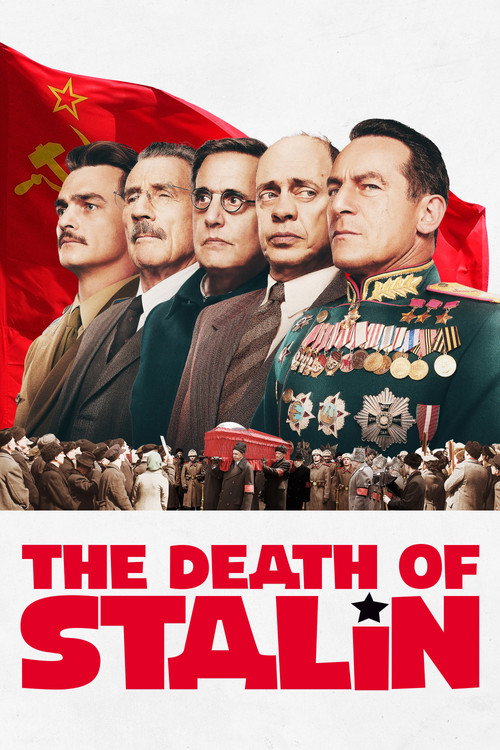
The Death of Stalin2017
Both examine Soviet history and the machinery of state control, but where Blockade lets suffering speak in silence, Iannucci hollows out authority through satire. They're inverse readings of the same world.
Armando Iannucci's black comedy about Soviet bureaucrats jockeying for power in the days after Stalin dies uses the same historical moment as Blockade but inverts every register—absurdist, farcical, deliberately artificial. Same history, opposite temperature. Shows what Loznitsa excludes and why that matters.
But It's a farce in a moment of mass death. If you want history treated with reverence this will seem obscene. The comedy sometimes disappears entirely into cynicism.
More like this (7)
Sans Soleil1983
Chris Marker's essayistic meditation uses found footage, travel, memory, and technology to build a film about how we remember and what it means to witness. Utterly original and endlessly rewarding. Restless, witty, deeply humane.
But It's a poem, not a story. No linear argument, no clear destination. You have to surrender to its associative logic or you'll hate it.

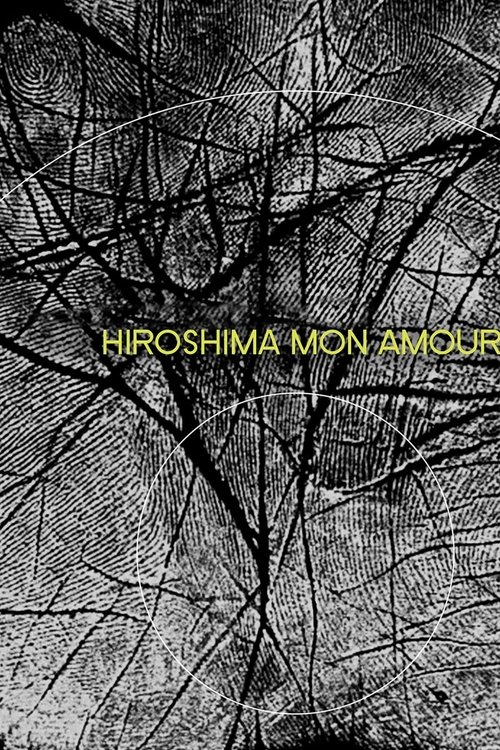
Hiroshima Mon Amour1959
Alain Resnais and Marguerite Duras build a love story between a French actress and Japanese architect in Hiroshima, interweaving personal memory with historical trauma. Innovative, emotionally sophisticated, formally dazzling. Memory and time as the real subjects.
But The narrative is fragmented deliberately. It's more interested in how we process catastrophe than in plot, and the pacing asks patience. Some find it elusive.
The Act of Killing2012
Joshua Oppenheimer's jaw-dropping documentary sits with Indonesian death-squad leaders as they re-enact their own mass murders. Disturbing, surreal, philosophically ambitious. Asks what happens when perpetrators confront their own violence.
But It's morally vertiginous and sometimes feels complicit with its subjects. The central conceit—letting them perform—won't sit right with everyone. Viscerally uncomfortable.

A Film Unfinished2010
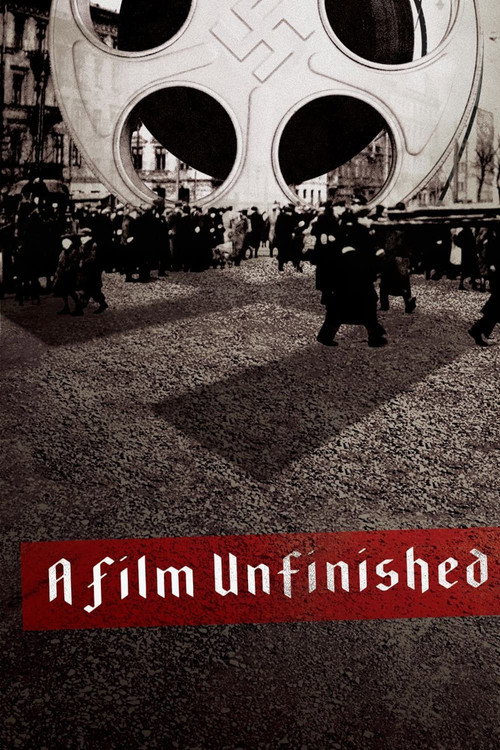
Yael Hersonski excavates a Nazi propaganda film about the Warsaw Ghetto, using archival material, scholarly analysis, and testimony to interrogate what propaganda does and what the surviving footage actually shows. Rigorous, revelatory, morally urgent.
But It's dense and demanding. The formal complexity—fragmenting the propaganda film itself—can feel academic. Not an easy watch.
Harakiri1962
Masaki Kobayashi's devastating critique of samurai honor codes uses a false narrative structure to implicate the viewer in complicity and false sentiment. Formally brilliant, spiritually savage. A masterpiece about how systems destroy individuals.
But It's rigorous and cold, occasionally hard to follow, and the finale offers no redemption. Powerful but punishing. Some find it didactic.

The Eternal Memory2023
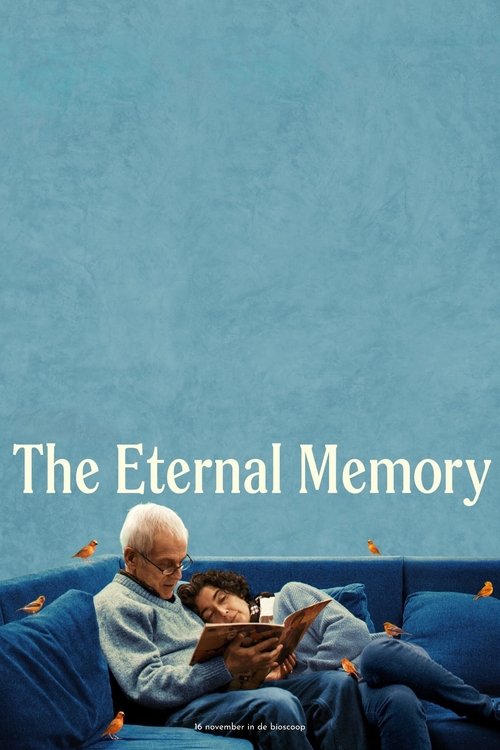
Both use archive materials to investigate how memory survives catastrophe and how found footage can resurrect presence. But where Blockade maintains distance and formality, Mallet's film is a love letter—radically different emotional registers applied to related formal problems.
Marilú Mallet documents her husband, composer and political prisoner Gonzalo Sánchez, as he lives with Alzheimer's. Archive footage and present-day footage interweave as memory itself becomes the subject. Intimate, devastating, formally innovative in ways that echo Loznitsa's interest in how footage can collapse time.
But It's emotionally demanding in ways that won't seem like entertainment. The formal experimentation can feel precious. Some viewers find the personal-political balance difficult.
Touki Bouki1973
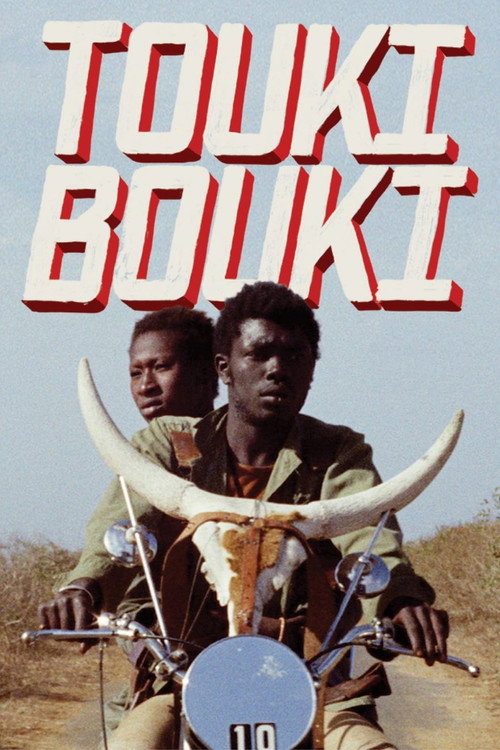
Neither film explains itself. Both trust montage and duration and silence and image to do the work. Blockade is silent archive becoming presence; Touki Bouki is lyrical and anarchic and contemporary, but both reject the neat narrative shapes we expect from cinema and demand we live inside their logic instead.
Djibril Diop Mambéty's Senegalese New Wave masterpiece follows a goat herder and a woman drifting through Dakar in a surreal, joyous, formally restless film that shouldn't be called a narrative. Pure cinema. Joy and resourcefulness in a colonial aftermath. Shot on a shoestring, looks like freedom.
But It has no plot and no dialogue for long stretches. The cinematography is deliberately rough. It's been restored from terrible prints and still looks unstable. Some find it formless.
People
Directing
- Sergei LoznitsaDirector
Writing
- Sergei LoznitsaScreenplay