
Film
The Flat
A German-Israeli director returns to his grandparents' Tel Aviv apartment after his grandmother's death and discovers a trove of letters, photographs, and documents that unravel a hidden family history spanning decades and continents. What begins as a practical clearing-out becomes an obsessive excavation of suppressed trauma, complicated friendships, and the weight of the past. Intimate, revelatory, occasionally unsettling.
Should you watch it?
Watch it if you enjoy patient detective work through a family's paper trail, where a box of letters and receipts slowly becomes a story, and you don't mind the sleuthing being quieter than the payoff.
Skip it if you want a tidy, fast-moving documentary; this one wanders through its own rooms and tangents, and its family grief runs deeper than the adventure-style pitch suggests.
What it asks of you: Expect a slow, unhurried pace across roughly ninety-seven minutes, a narrator's voice guiding you through objects handled one by one, and a tone that stays quiet and reflective.
Not sure? Find tonight's pick in a minute.
If you liked this
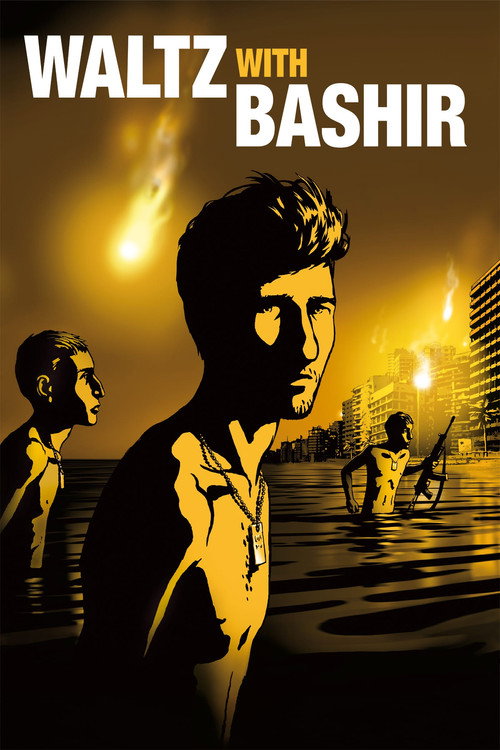
Waltz with Bashir2008
An animated documentary about memory and trauma during the Lebanese war, told through vivid dream sequences and fragmented recollections. Like *The Flat*, it's a personal investigation that becomes a reckoning with national history and buried guilt.
But The animation can feel distancing when the subject matter demands directness, and the dreamlike pacing won't satisfy anyone wanting straightforward journalism.
Sans Soleil1983
Chris Marker's essay-film weaves family photographs, found footage, and philosophical voiceover into a meditation on memory, loss, and how we construct meaning from fragments. The formal playfulness serves the emotional truth—exactly what *The Flat* does.
But Deliberately oblique and demanding. There's no linear story, only associations and mood. You have to meet it halfway.

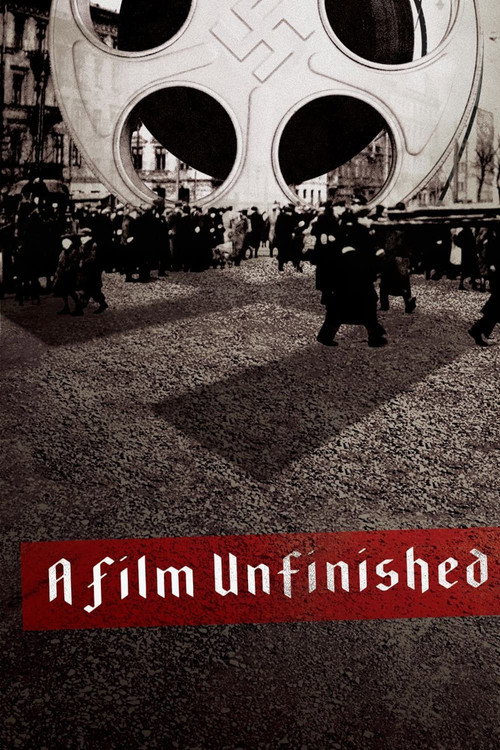
A Film Unfinished2010
A documentary that excavates hidden Nazi footage of the Warsaw Ghetto and questions what we're actually seeing. Like *The Flat*, it's about how archives can conceal as much as they reveal, and how investigating the past reshapes the present.
But Difficult Holocaust material. The ambiguity of the footage's intent is never resolved—some viewers find that frustrating rather than thought-provoking.
Not sure tonight? Get a pick in a minute, starting from The Flat
The wildcard
Something you would not have found on your own.
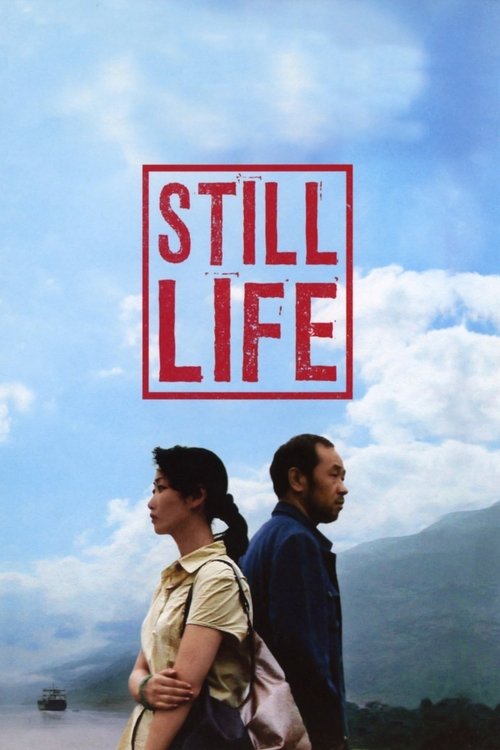
Still Life2006
Both films use the excavation of a specific space—an apartment, a city—to explore collective trauma and personal loss; both are about what the past refuses to stay buried.
Jia Zhangke's film about a man searching for his wife in a city being demolished and flooded before the Three Gorges dam is completed. Formally, it's about how objects and places hold memory; thematically, it's about enforced forgetting and the violence of erasure. The connection is direct: both films are about what we lose when we can't return home.
But It's slow, repetitive, visually austere. The political context might feel distant, and the emotional payoff is deliberately withheld.
More like this (6)
Night and Fog1956
Resnais again, this time confronting the Holocaust directly through archival footage and present-day cinematography. The collision between then and now, between what we can bear to look at and what we must, mirrors the emotional architecture of *The Flat*.
But Unbearably heavy, sometimes graphic. The juxtaposition of beauty and horror can feel manipulative to some viewers.

The Act of Killing2012
Werner Herzog and Joshua Oppenheimer's documentary confronts Indonesian death-squad leaders with their own past, asking them to reenact their crimes. Haunting, morally complex, and fascinated by how memory and performance distort truth—themes that haunt *The Flat*.
But Deeply disturbing and ethically ambiguous. It tests your patience with perpetrators and asks uncomfortable questions about documentary responsibility.

Shoah1985
Claude Lanzmann's nine-and-a-half-hour oral history of the Holocaust refuses archival footage entirely, instead letting survivors and perpetrators speak. Slow and demanding, but the attention to testimony and evasion feels like distant family to *The Flat*'s detective work.
But The length is not a marketing problem—it's the actual experience. Many people cannot finish it, and that's not a failure on either side.

The Leopard1963
Visconti's epic about a Sicilian family navigating political upheaval is ultimately about how private life persists beneath history. The sensory richness and attention to objects and interiors as markers of identity will resonate with *The Flat*'s apartment as character.
But It's long, mannered, and interested in aristocratic melancholy rather than urgency. Some find it self-indulgent.

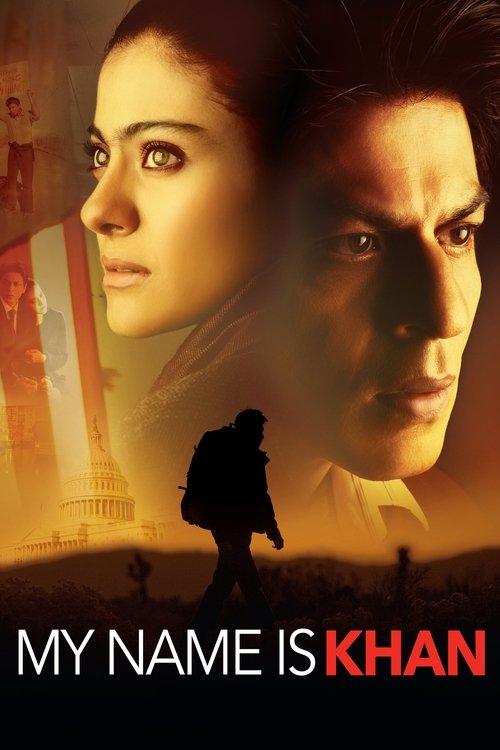
My Name Is Khan2010
Both explore how national identity and historical trauma fracture individual families; both ask what it means to belong somewhere when the past won't release you.
A Bollywood melodrama about an Indian Muslim man wrongly accused after 9/11, traveling America to clear his name. It sounds nothing like *The Flat*, but both films are about how identity, nationality, and suspicion reshape families across borders and generations. The emotional register is completely different—this is urgent and operatic—but the architecture of loss is kin.
But The shift in tone from the first half to the second is jarring. Some viewers find the sentimentality overwhelming, or the politics reductive.
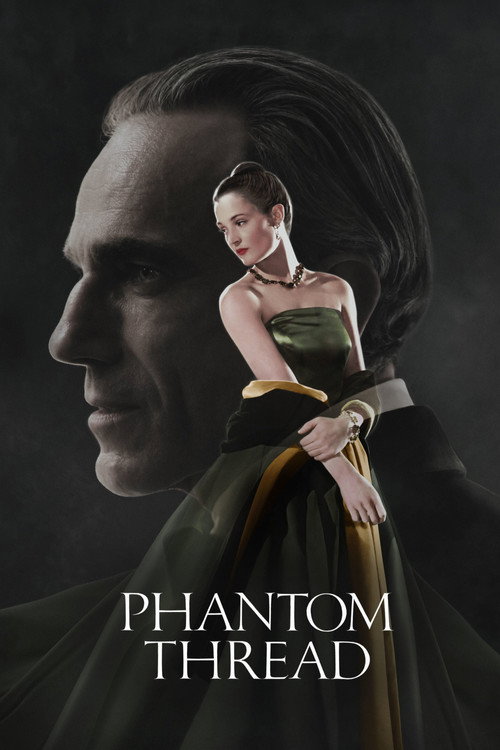
Phantom Thread2017
Both films locate menace, secrets, and historical reckoning within the confines of a single domestic space; both treat objects and routines as repositories of power and meaning.
Paul Thomas Anderson's film about a London fashion designer and his complicated relationship with a new muse is a thriller wrapped in domestic minutiae. It's about how intimate spaces—a sewing room, a bedroom, a kitchen—become battlegrounds where the past, desire, and control collide. Like *The Flat*, it treats the domestic interior as a charged historical document.
But It's oblique and claustrophobic, with long stretches of conversation and very little plot. Some find it precious; others find it baffling.
People
Cast
 Axel MilbergNarrator (voice: German version)
Directing
- Arnon GoldfingerDirector
Writing
- Arnon GoldfingerWriter
Production
- Arnon GoldfingerProducer
- Thomas KufusProducer