
Television series
Lewis
Lewis picks up the Morse world five years on: DI Robert Lewis, promoted and a little lost, paired with the sharper, God-haunted DS Hathaway, solving murders dressed in gowns and quadrangles. It's gentler and more melancholy than most crime drama, built on feature-length episodes and literary misdirection. Best for anyone who wants a puzzle solved with kindness and unhurried intelligence rather than grit.
If you liked this
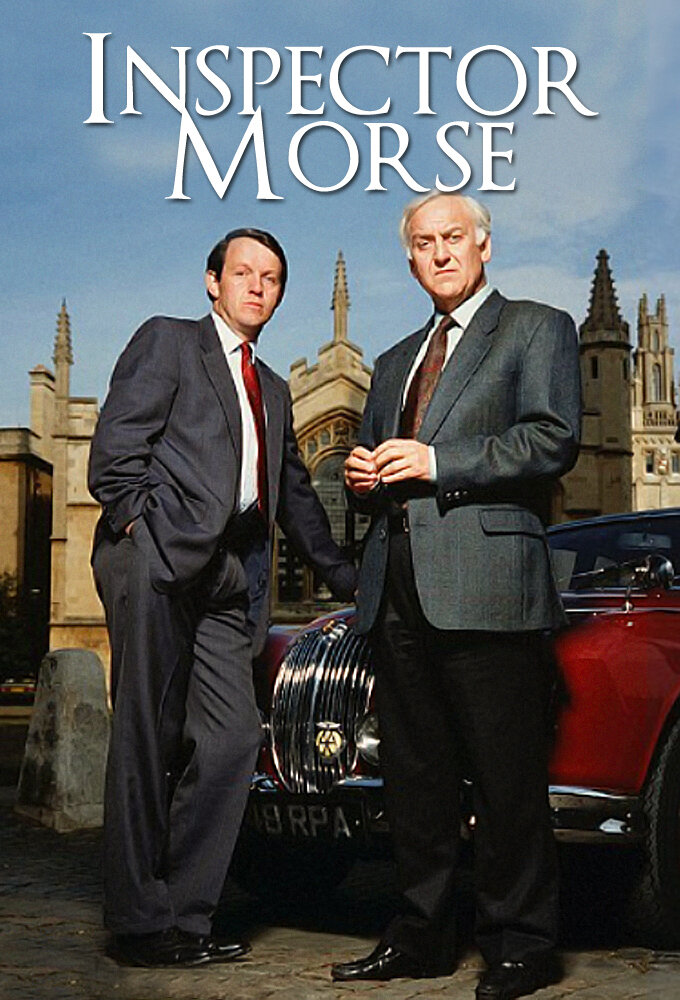
Inspector Morse1987
This is where Lewis started, literally as sergeant to John Thaw's brilliant, difficult Morse. Same city, same feature-length format, but with the original odd-couple chemistry and the man whose absence haunts every later episode.
But It's older and slower in places, and Thaw's Morse can be genuinely unpleasant to colleagues — charm with real edges.
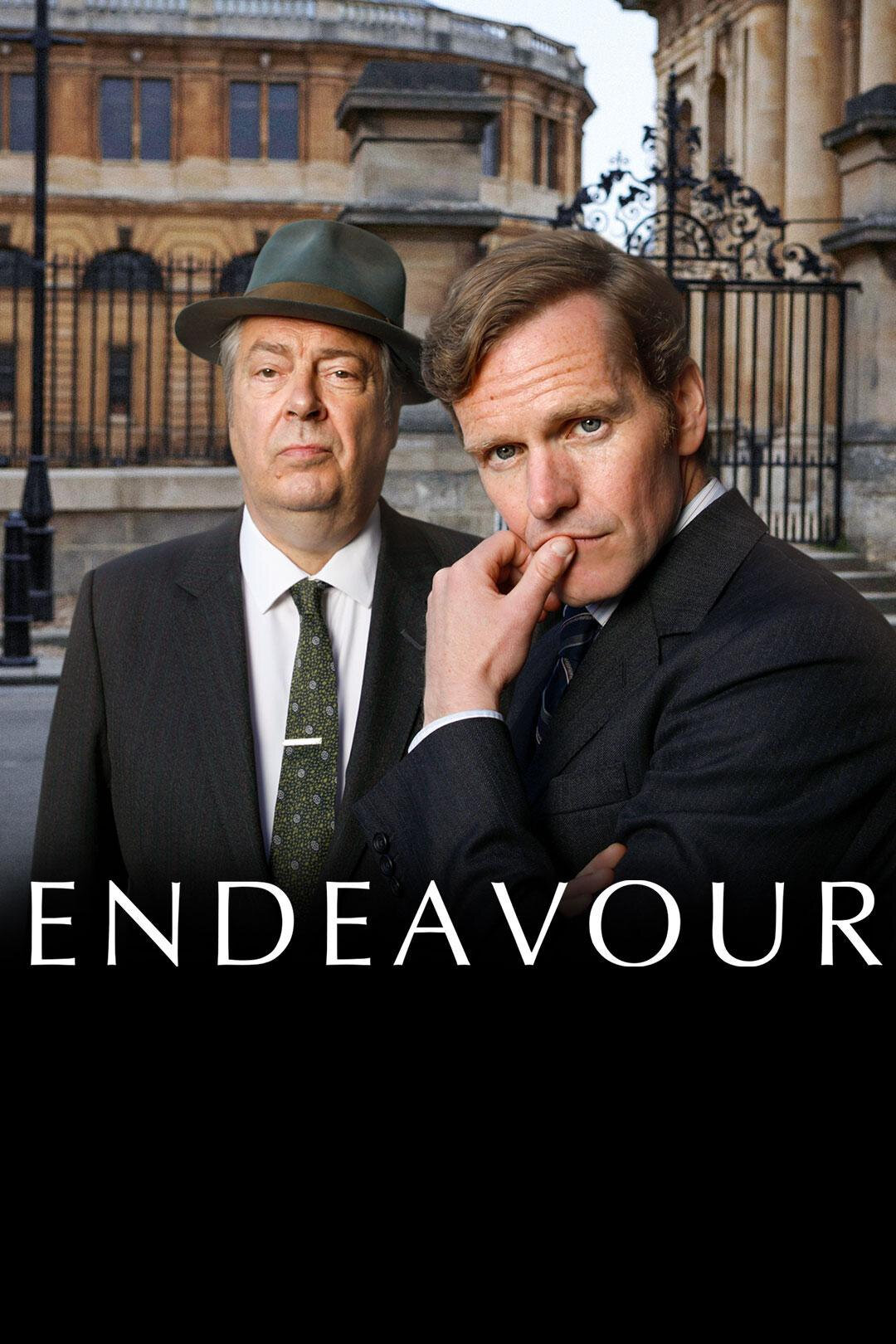
Endeavour2012
The prequel: young Morse arriving in 1960s Oxford, awkward and brilliant before drink and disappointment set in. Shaun Evans is superb, and it deepens everything you already know about the man Lewis served.
But Its mythology gets increasingly baroque and serialised in later seasons — less standalone comfort, more ongoing soap of old grudges.
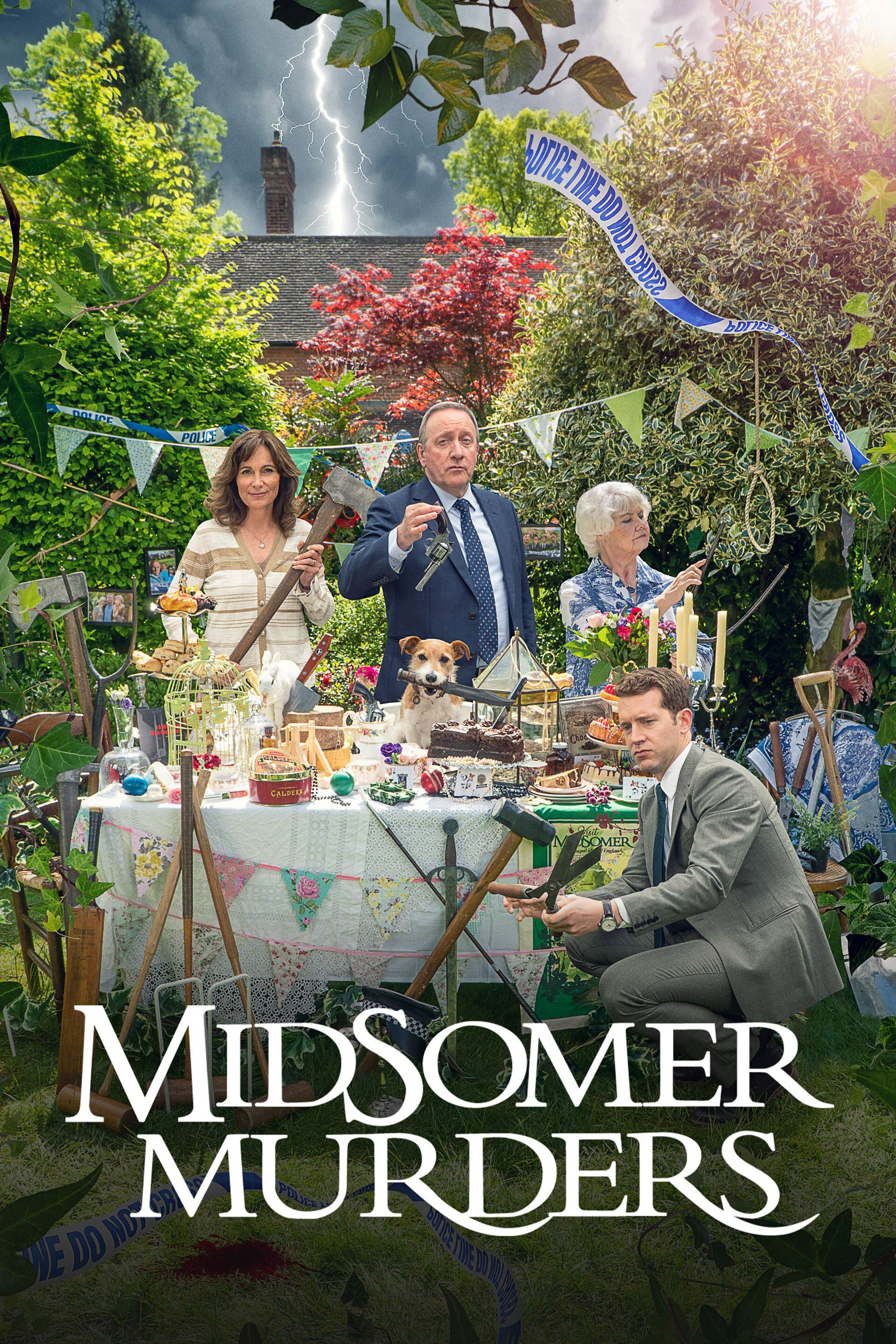
Midsomer Murders1998
For the cosiest possible English murder — thatched cottages, eccentric locals, a body count wildly disproportionate to village size — delivered forever and entirely without apology.
But It has none of Lewis's melancholy or intelligence about grief; it's pure plot machine, sometimes charming, sometimes empty.
The wildcard
Something you would not have found on your own.
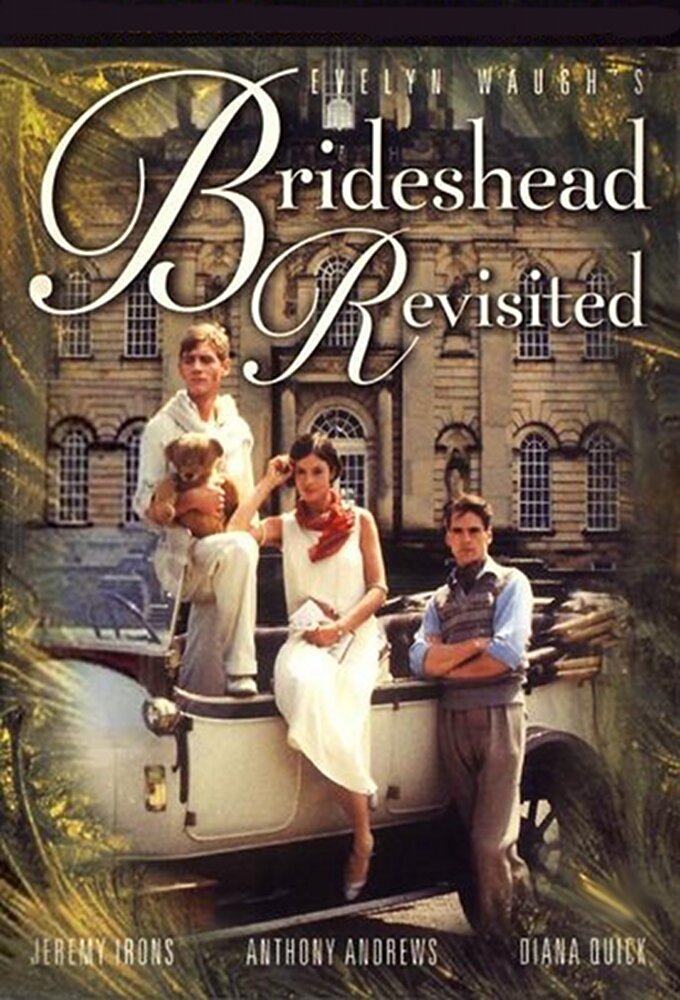
Brideshead Revisited1981
Lewis polices the very Oxford that Brideshead romanticises — same colleges, same old money and older secrets. Watch both and you get the institution from both sides of the police tape.
The definitive portrait of Oxford as a closed, beautiful, faintly rotten world — the same quads and privilege Lewis investigates, seen here from inside through an outsider who falls in love with it.
But There's no crime and barely a plot, just aching nostalgia and slow decline — a completely different rhythm and purpose from a procedural.
More like this (7)
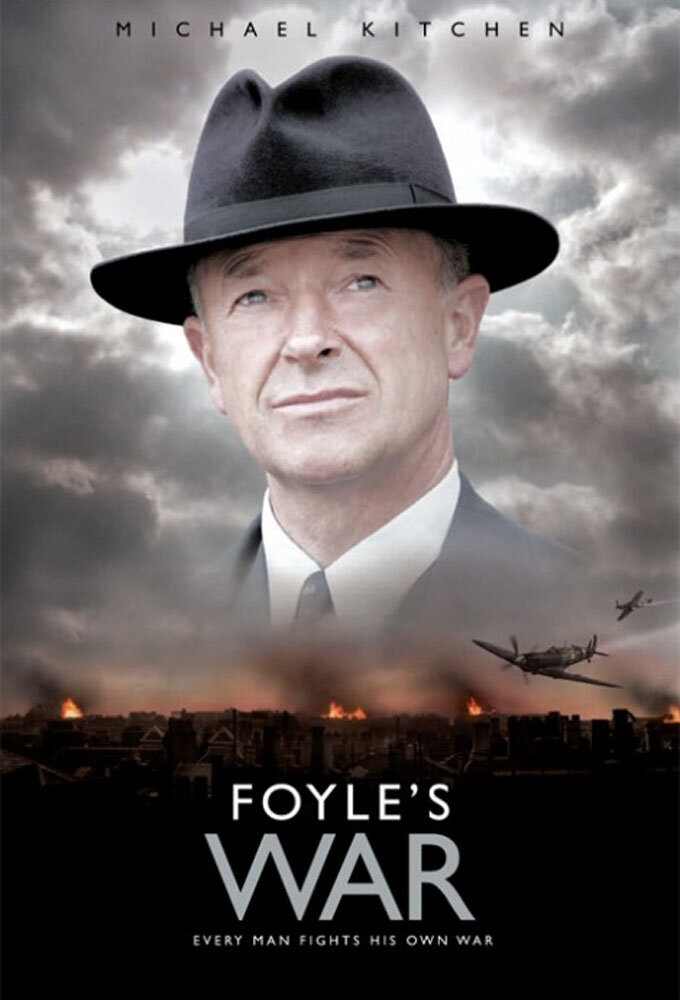
Foyle's War2002
Wartime Hastings instead of Oxford, but the same unhurried, morally serious detective drama, built around a decent man doing careful work while a much bigger world falls apart around him.
But Even more deliberately paced than Lewis, and the WWII setting brings a heavier historical weight some episodes lean into hard.
Vera2011
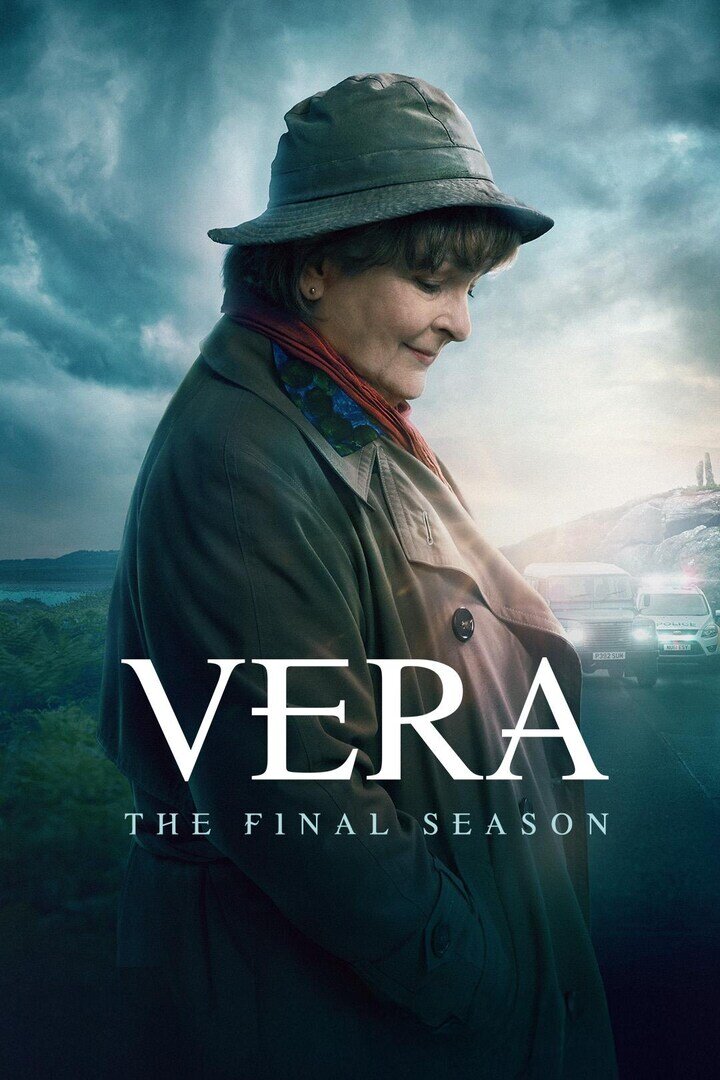
Swap Oxford's spires for Northumberland's coast and get Brenda Blethyn's magnificently scruffy DCI Vera Stanhope, who solves cases through sheer bloody-minded empathy rather than erudition.
But Rougher, colder landscapes and Vera's prickly solitude give it a harder edge than Lewis's gentler academic world.
Grantchester2014
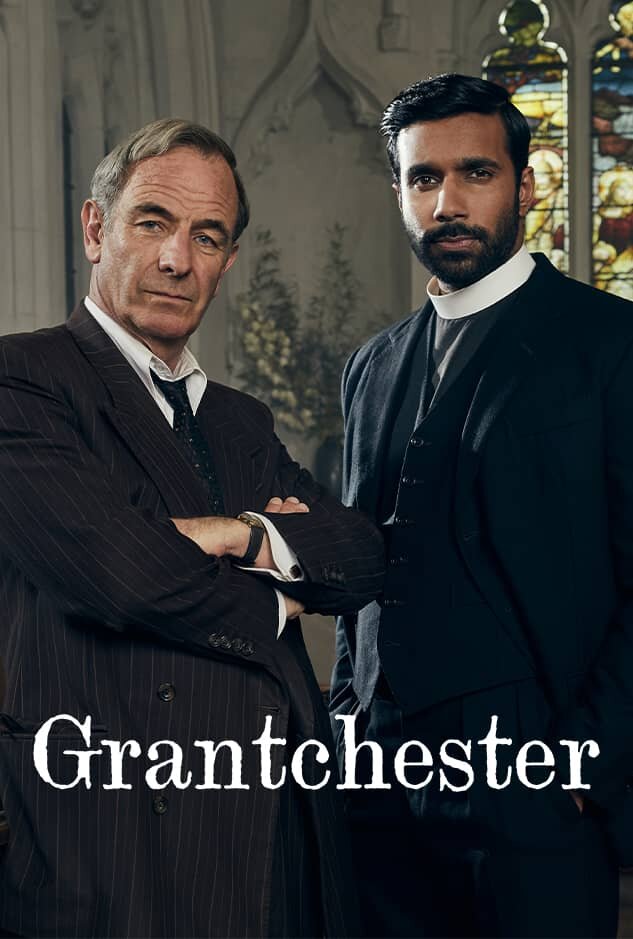
A vicar and a policeman solving murders together in 1950s Cambridge — the same academic-town backdrop and odd-couple warmth, with real interest in guilt, faith and forgiveness underneath the plots.
But It leans more heavily on romantic subplots and moral soul-searching than Lewis ever bothers with, which won't suit everyone.
A Touch of Frost1992no page yet
David Jason's Jack Frost is a grumpier, more chaotic forebear to Lewis — brilliant instinct, terrible bedside manner, feature-length mysteries that reward patience over twists.
But It's visibly older television, with rougher production values and attitudes that occasionally show their 1990s age.
Silent Witness1996no page yet
For the forensic, procedural side of British crime rather than the cerebral one — pathologists piecing together what happened from the body outward, with the same feature-length patience.
But It's considerably grislier and more clinical; the warmth and gentle humour that soften Lewis are mostly absent here.
Death in Paradise2011
A sunnier cousin: a fish-out-of-water British detective solving impossible locked-room murders on a Caribbean island, with the same comfort-food rhythm of a case wrapped up by the hour's end.
But It's much broader and sillier — pure whodunit puzzle-box with none of Lewis's interest in grief or character.

The Blue Lamp1950no page yet
Underneath the gowns and quadrangles, Lewis is still that same steady moral figure — unshowy, decent, doing quiet work while a more chaotic world spins around him. This film is where that British archetype was born.
A black-and-white British film that essentially invented the decent, dogged, working-class copper on screen — the direct ancestor of everyone from Dixon of Dock Green to Lewis himself.
But It's a short, plain, unglamorous 1950 film with none of the puzzle-box plotting or Oxford scenery — this is about tone and lineage, not thrills.
People
Cast





Production
- Carolyn Parry-JonesCo-Producer
- Michele BuckExecutive Producer
- Rebecca EatonExecutive Producer
- Chris BurtProducer