
Film
A Month in the Country
- Period drama
- Slow-burning
A 1987 film about a shell-shocked WWI veteran finding quiet healing through restoration work in a Yorkshire village. It moves at the pace of a man learning to breathe again—meditative, tender, attuned to small mercies and the weight of unspoken trauma. For anyone who understands that recovery is not dramatic, but gradual.
Should you watch it?
Watch it if you love quiet, unhurried character studies where the real drama sits in glances, landscape and a slowly uncovered painting, and you don't need much plot to feel moved.
Skip it if you need momentum or a clear through-line, since the story moves in small, deliberate steps and rarely raises its voice for most of its brief running time.
What it asks of you: A slow, hushed shape across ninety-six minutes, with long silences and open rural light, so it rewards a lazy afternoon far more than a distracted evening scroll.
Not sure? Find tonight's pick in a minute.
If you liked this
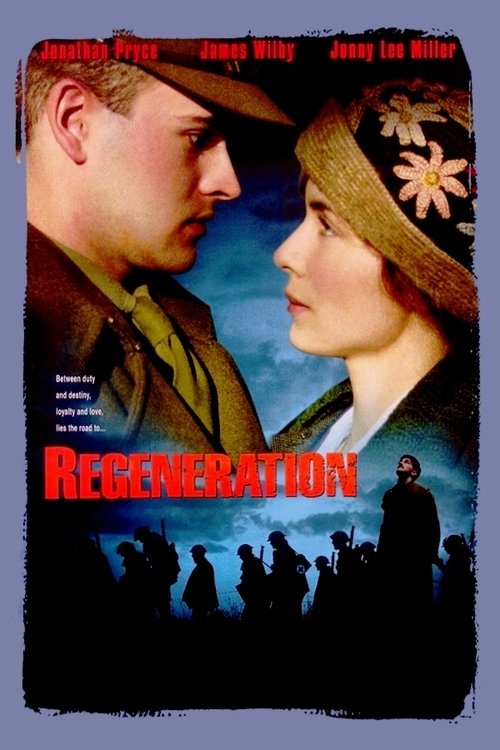
Regeneration1997
Another literary adaptation about wounded soldiers finding language for their pain, this one set in a psychiatric hospital. Sarah Waters adapted it, and it has the same gentle intelligence about male friendship and unhealing wounds.
But It's heavier in its clinical approach to shell shock. Less about pastoral grace, more about the medical machinery of recovery.
The Remains of the Day1993
Firth again, in another role about a man who's lost decades to duty and repression. It shares the quiet moral weight, the attention to what's left unsaid, and a landscape as a character.
But It's longer, denser, and the emotional payoff is more melancholy than redemptive. Some find it airless.

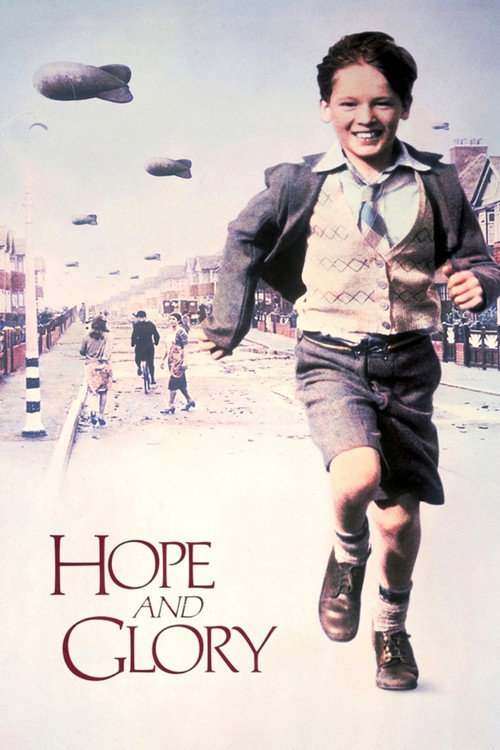
Hope and Glory1987
Released the same year and also understands Britain at war and after—a memoir of childhood during the Blitz told with tenderness and dark humour. John Boorman's vision of how trauma ripples through ordinary lives.
But It's a child's perspective, which some find lighter than the subject deserves. It's also structurally loose, almost shaggy.
Not sure tonight? Get a pick in a minute, starting from A Month in the Country
The wildcard
Something you would not have found on your own.
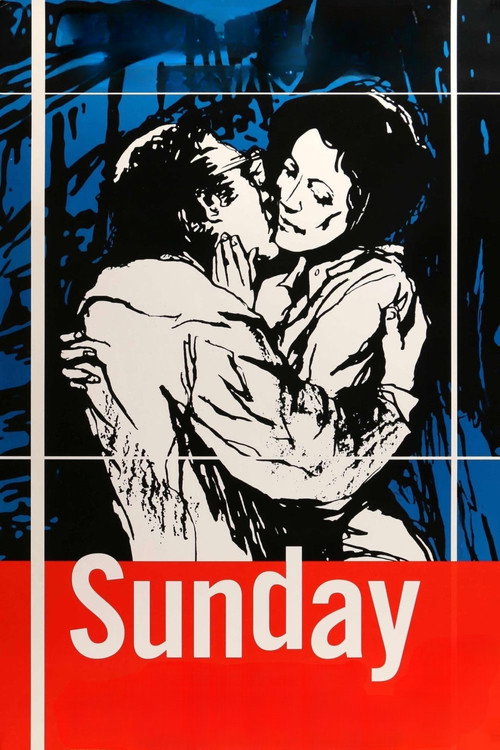
Sunday1997
Both understand that healing is spatial, not narrative—about being in a place and letting it work on you. Both trust the landscape to do the psychological work.
A single day in the life of a man returning through London. Real-time, almost no plot, just watching someone move through space and light and memory. Like watching meditation filmed. Written by Hanif Abdulrahman, directed by Jonathan Nott.
But It asks you to sit with a man's loneliness without resolution or explanation. Fifty-eight minutes, and some of it is just him walking. If you need things to happen, this will feel like watching paint dry.
More like this (8)
Birdsong2012
Another Sebastian Faulks adaptation about a soldier learning to live after the trenches. It has the same conviction that healing happens in small rooms, in conversation, in staying put.
But It's a miniseries stretched across three hours. Some scenes linger too long; others feel rushed. The pacing asks patience.

The Best Years of Our Lives1946
The gold standard for films about soldiers returning home. Three men, three routes back to civilian life, all of it filmed with such clarity that it still shames most modern work about trauma.
But It's from 1946 and it shows—three hours long, sometimes feels like an obligation to cover every angle rather than trust the audience.

Under the Skin2014
Not about war, but about a consciousness learning to see the world anew. Slow, hypnotic, about attention and isolation and the redemption that comes from witnessing beauty you'd thought lost forever.
But It's an art film disguised as science fiction. Glacially paced. If you need plot or dialogue to feel engaged, this will exhaust you.

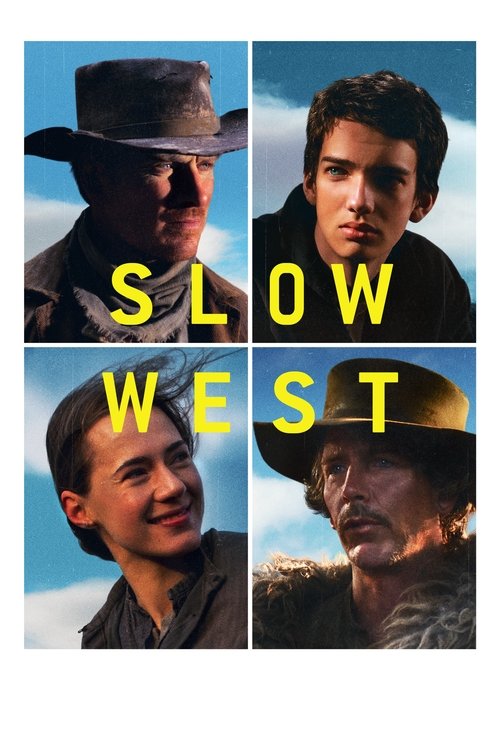
Slow West2015
A wounded man in a strange landscape, learning to trust another person again. It's a Western that moves at the speed of memory and recovery, not gunfire. Beautifully shot, quietly devastating.
But It's sparse and elliptical. Some of the emotional work is left entirely to you. The ending asks acceptance, not closure.
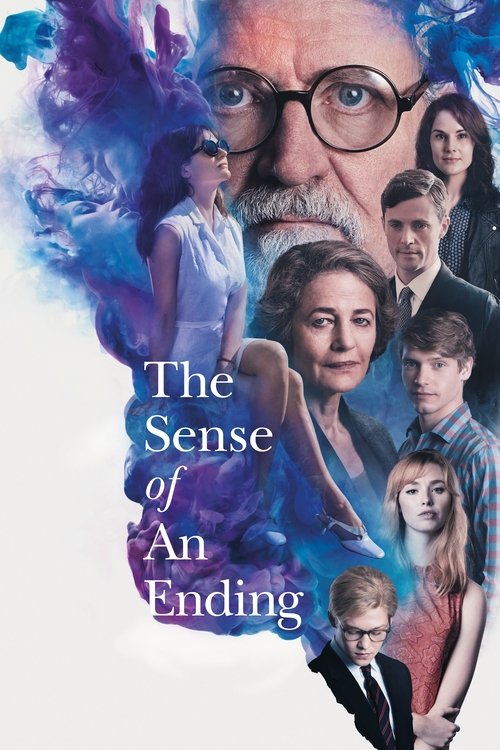
The Sense of an Ending2017
Firth once more, this time as an older man reckoning with what his youth cost him. About memory, regret, the slow archaeology of a life—thematically close kin to what a month in the country permits.
But It's a bit mannered. The mystery it hangs on is less interesting than the film thinks it is. The third act deflates.
I Am Love2010
A film about wealth and surfaces cracking to reveal something true underneath. It shares with A Month in the Country a belief that transformation happens quietly, and that beauty matters in grief.
But It's Italian, operatic, and more concerned with aesthetics than narrative clarity. Some find it gorgeous and pretentious in equal measure.

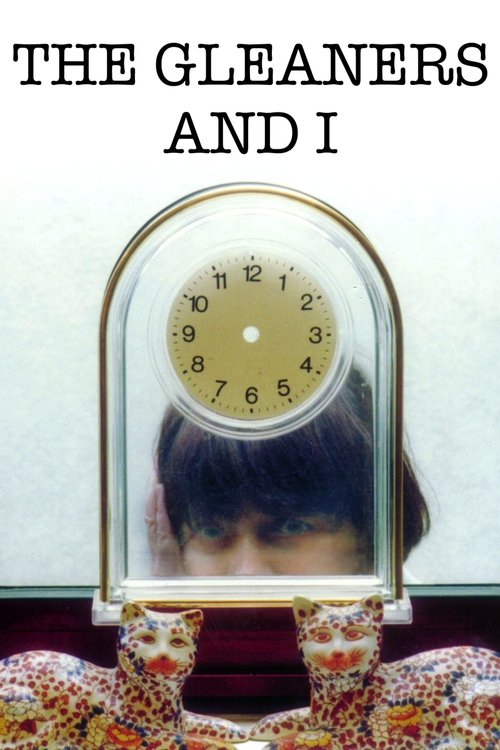
The Gleaners and I2000
Both are acts of restoration—one physical, one cinematic. Both find dignity and quiet joy in salvaging what others thought worthless.
Agnès Varda's documentary essay about leftover things and leftover people in France. Part travelogue, part philosophy, entirely alive to the grace in waste and recovery. She gleans her own film from fragments.
But It's a documentary essay, not a story. No antagonist, no stakes, no three-act structure. If you watch documentaries for plot, you will lose patience.
Tokyo Story1953
Both believe the human face and the domestic interior are enough. Both understand that real change happens not in confrontation but in quiet presence alongside another person.
An elderly couple visits their children in Tokyo after the war. Seventy minutes of profound ordinariness—family meals, conversations that seem to say nothing, long silences. Yasujirō Ozu understood that recovery and reconciliation live in the everyday.
But It's from 1953 and filmed in static wide shots. Nothing happens. If you need camera movement or dramatic scoring to know you're watching cinema, this will seem like television.

People
Cast
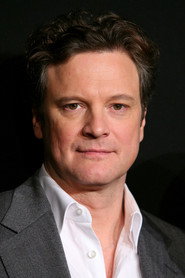 Colin FirthTom Birkin
 Kenneth BranaghJames Moon
 Natasha RichardsonAlice Keach
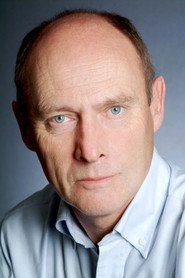 Patrick MalahideReverend Keach
 Jim CarterEllerbeck
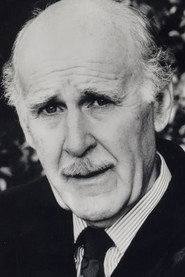 Richard VernonColonel Hebron
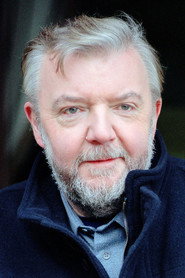 Tony HaygarthDouthwaite
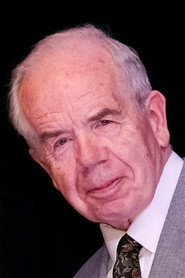 Tim BarkerMossop
 Eileen O'BrienMrs Ellerbeck
- Vicki ArundaleKathy
- Martin O'NeilEdgar
- Elizabeth AnsonLucy Sykes
Directing
- Bill CraskeAssistant Director
- Pat O'ConnorDirector
Writing
- JL CarrNovel
- Simon GrayScreenplay
Production
- Michelle GuishCasting
- John HambleyExecutive Producer
- Johnny GoodmanExecutive Producer
- Kenith TroddProducer
Recommended by
Robin and Marian, The Go-Between, Akenfield, Bobby Deerfield, Oblomov, Two English Girls, Under the Greenwood Tree, Country, The Snow Goose