
Film
This Happy Breed
A Noël Coward adaptation following a British working-class family from 1919 to 1939, watching them navigate love, loss, disappointment and small domestic joys across two decades. Warmly acted, unshowy, deeply felt—the kind of film that finds profundity in ordinary lives without ever announcing it.
Should you watch it?
Watch it if you enjoy quiet, observant portraits of ordinary domestic life, where small daily rituals and the slow pressure of public history carry the feeling.
Skip it if you need plot-driven momentum, since this is episodic and leisurely, and its sentiment about England and stiff upper lips can feel dated.
What it asks of you: Patience is the currency here, across a long stretch of ordinary days with a gentle, unhurried rhythm and a tone that stays mostly restrained rather than dramatic.
Not sure? Find tonight's pick in a minute.
If you liked this
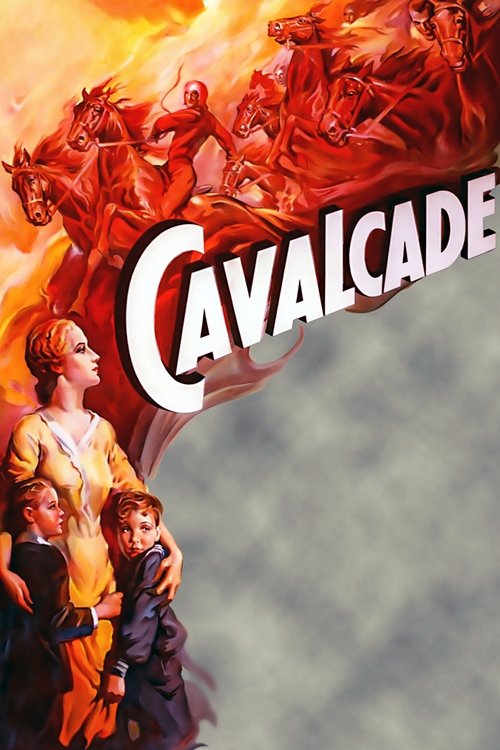
Cavalcade1933
Another Coward adaptation spanning decades of British life, equally invested in how private feelings collide with public history. A masterclass in intimate storytelling at epic scale.
But The theatrical pacing can feel stilted now, and the sentimentality is unironic—not to everyone's taste.
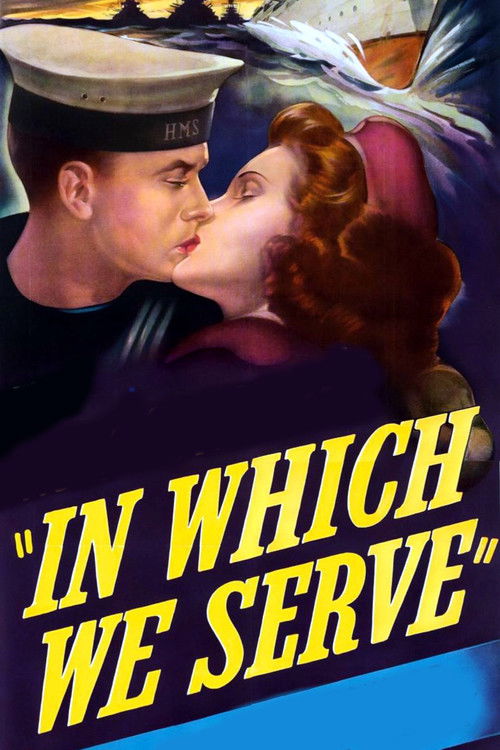
In Which We Serve1942
Coward's own screenplay about a naval destroyer and its captain, mixing wartime action with domestic heartbreak. Features the same unsentimental warmth and structural ambition as This Happy Breed.
But It's very much a wartime morale film, which occasionally shows—some moments feel dated and propagandistic.
Brief Encounter1945
Coward-scripted perfection about ordinary people's extraordinary inner lives. Shot through with longing, restraint, and the understanding that small moments can change everything. Utterly transporting.
But It's a love story told almost entirely through glances and conversation. If you want plot momentum, you won't find it here.

Not sure tonight? Get a pick in a minute, starting from This Happy Breed
The wildcard
Something you would not have found on your own.
Umberto D.1952
Both films trust the audience to find depth in daily domestic life without any narrative manipulation. They show working people with total seriousness and no condescension, finding tragedy not in big events but in the slow accumulation of disappointment and loss.
An Italian pensioner and his dog navigate post-war poverty with dignity and exhaustion. Like This Happy Breed, it refuses to sentimentalize ordinary hardship—it simply shows you a life, completely, and trusts your heart to break.
But There's virtually no plot. It's a film about waiting, about small humiliations, about running out of options. Profoundly sad in ways that don't resolve.

More like this (8)
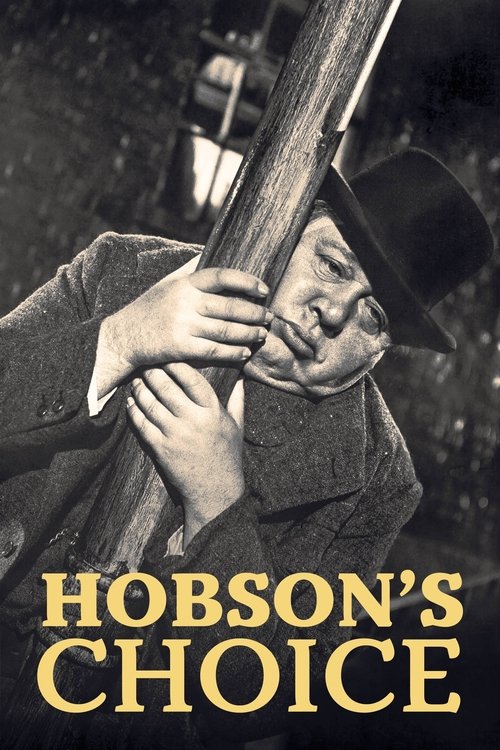
Hobson's Choice1954
A Lanchester film (like This Happy Breed) that celebrates ordinary people with the same unsentimental affection. A boot-maker's daughter, working-class life, and the quiet revolution of self-determination.
But The regional dialect can be tricky at first; some viewers find the pacing slow by modern standards.
The Remains of the Day1993
A lifetime's worth of suppressed feeling in one man's face. Like This Happy Breed, it finds tragedy and grace in duty, restraint, and what people don't say to each other.
But It's mournful and deliberately paced. Nothing happens in the conventional sense; nearly everything happens internally.

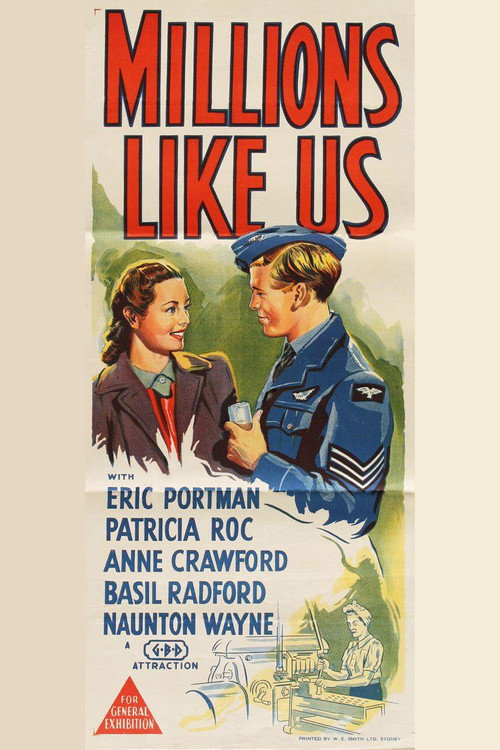
Millions Like Us1943
A wartime drama following an ordinary girl into the factories. British cinema at its most unsentimental about working lives, with the same focus on small human truths This Happy Breed perfects.
But It's a propaganda film first, which means some elements now read as dated. The tone is grimmer than you might expect.
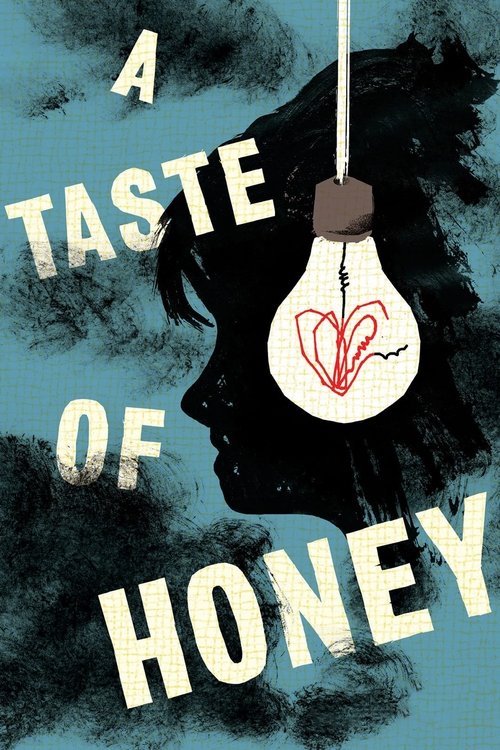
A Taste of Honey1961
Working-class family life in post-war Britain, shot with documentary honesty but also tenderness. An illegitimate pregnancy and a fractured mother-daughter relationship—real wounds, no easy answers.
But It's deliberately unglamorous and can feel bleak. The film has an unsettling quality that keeps you at a distance.
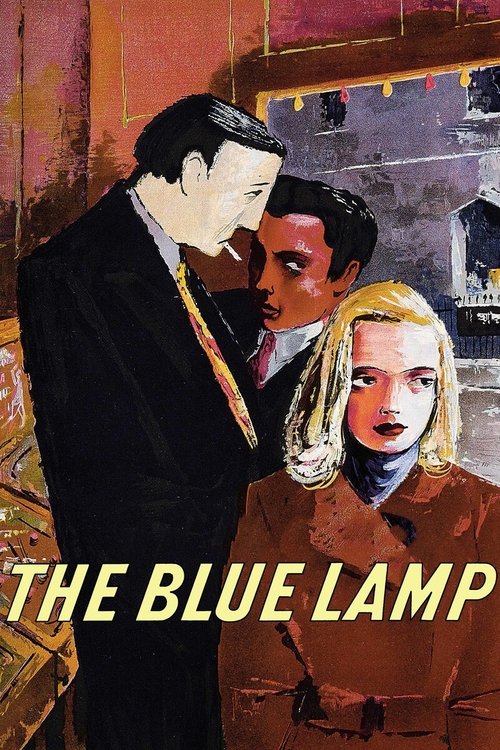
The Blue Lamp1950
Post-war London and community, featuring a young Dirk Bogarde and structured around duty and ordinary heroism. That same Ealing restraint and faith in decency This Happy Breed shares.
But It's a police procedural, which means it edges toward formula. Some of the morality can feel period-specific in ways that jar.
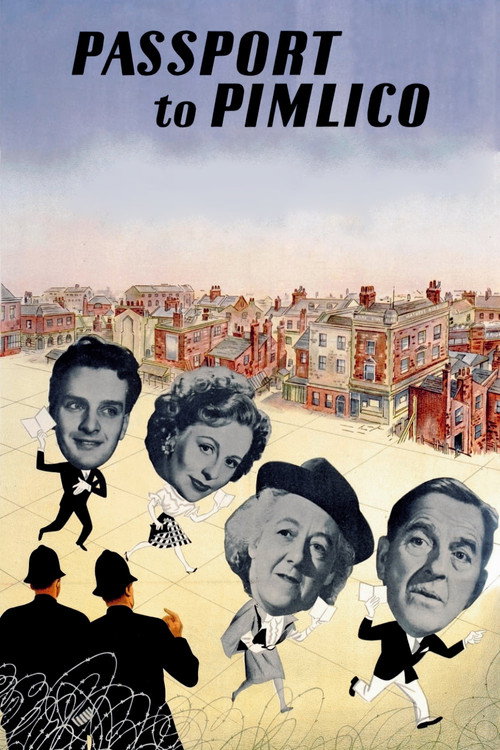
Passport to Pimlico1949
A working-class London neighbourhood discovers it's technically Belgian territory. It's lighter than This Happy Breed, but built on the same understanding of how small communities actually work.
But The humour is gentle and relies on a very specific sensibility. If you want broad comedy, this isn't it.
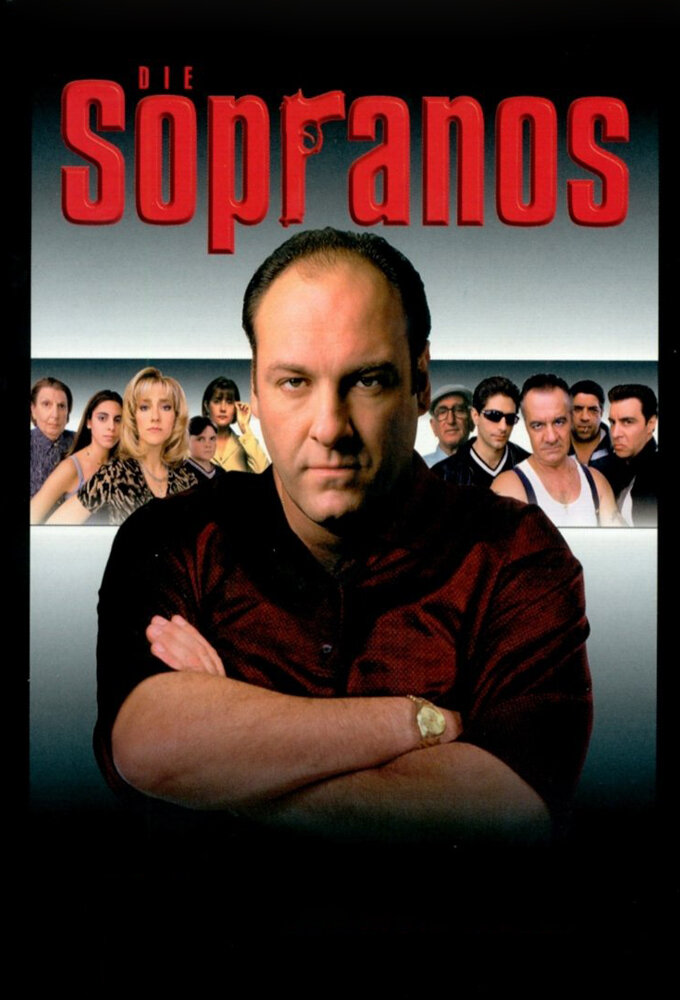
The Sopranos1999
Both works understand the family as a crucible where people's best and worst selves collide daily. Both refuse to judge their characters while showing exactly who they are. Both ask: how do you love someone you can't fully know?
A man struggling to hold together his family and his other life. It's This Happy Breed's DNA remixed—the same understanding that the most important dramas happen in kitchens and cars, that small betrayals matter, that loving people doesn't mean understanding them.
But It's brutal where This Happy Breed is gentle. There's violence, infidelity, therapy-speak. It's American and visceral. If you want the emotional truth without the contemporary edge, this isn't it.
Tokyo Story1953
Both are masterpieces of restraint about family across time. Both locate profound emotion in ordinariness—a meal, a conversation, someone packing a suitcase. Both understand that time itself is the real subject, and that small moments accumulate into a life.
An elderly couple visits their son and his family in post-war Tokyo. Structurally and emotionally it's This Happy Breed's cousin—a film about time passing, people aging, the quiet ache of family bonds and missed connection.
But It's slow in a way that requires patience. There's almost no dramatic incident. If you're expecting narrative drive, it will test you. The subtitles also require full attention.

People
Cast
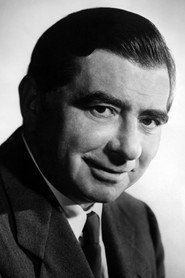 Robert NewtonFrank Gibbons
 Celia JohnsonEthel Gibbons
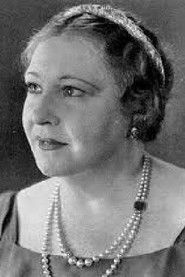 Amy VenessMrs. Flint
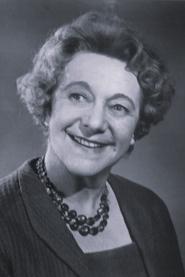 Alison LeggattAunt Sylvia
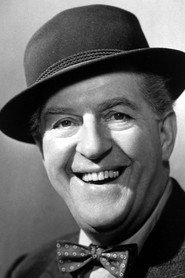 Stanley HollowayBob Mitchell
 John MillsBilly Mitchell
 Kay WalshQueenie Gibbons
- Eileen ErskineVi Gibbons
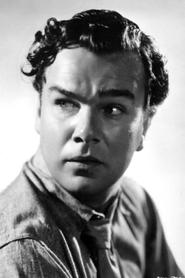 John BlytheReg Gibbons
- Guy VerneySam Leadbitter
- Betty FleetwoodPhyllis Blake
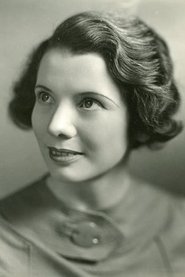 Merle TottenhamEdie
Directing
- George PollockAssistant Director
- Maggie UnsworthContinuity
- David LeanDirector
- Anthony HearneThird Assistant Director
Writing
- Anthony Havelock-AllanScreenplay
- David LeanScreenplay
- Ronald NeameScreenplay
- Noël CowardTheatre Play
Production
- Robert C. FoordAssistant Production Manager
- Ronald NeameAssociate Producer
- Noël CowardProducer
- Jack MartinProduction Manager
- Kenneth HorneProduction Manager