
Film
The Trials of Oscar Wilde
A scrupulously balanced account of Oscar Wilde's libel case against the Marquis of Queensberry and the catastrophic trials that followed. Peter Finch delivers a magnetic performance as Wilde—charming, brilliant, and increasingly cornered. This is a film about reputation, desire, and the machinery of justice, told with restraint and genuine gravity. For anyone moved by tales of creative brilliance destroyed by circumstance.
Should you watch it?
Watch it if you relish measured period drama where argument and character do the heavy lifting, and sharp dialogue lands like a well-aimed duel.
Skip it if you want brisk plotting or light relief, since it moves at a deliberate, talky pace and treats its subject with unbroken seriousness.
What it asks of you: Settle in for a little over two hours of mostly seated talk, with the tension building steadily rather than in bursts, and little relief from the heavy mood.
Not sure? Find tonight's pick in a minute.
If you liked this
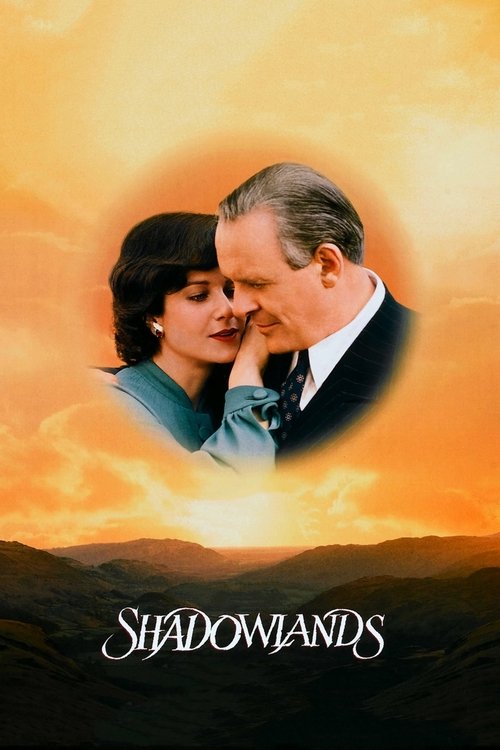
Shadowlands1993
Anthony Hopkins as C.S. Lewis confronting love, loss, and the limits of intellect. Like Wilde, a brilliant man undone by feeling, but the film finds tenderness where Wilde found ruin. Achingly beautiful.
But Slower-paced and emotionally devastating. If you need plot momentum or distance from sadness, this will exhaust you.
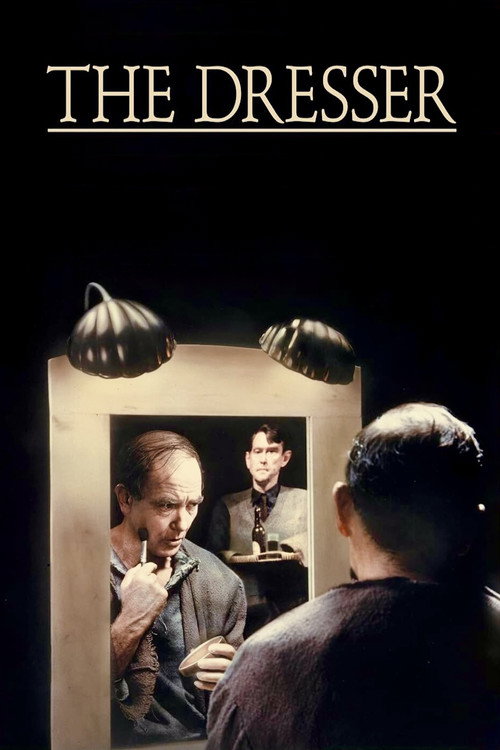
The Dresser1983
Tom Courtenay and Albert Finney in a two-handed masterpiece about duty, loyalty, and the theatre. It shares Trials' interest in performance as survival, and the gap between public and private selves. Gripping and deeply human.
But Almost entirely dialogue-driven. Set in one dressing room. If you find theatrical talk precious rather than profound, you'll bounce off hard.
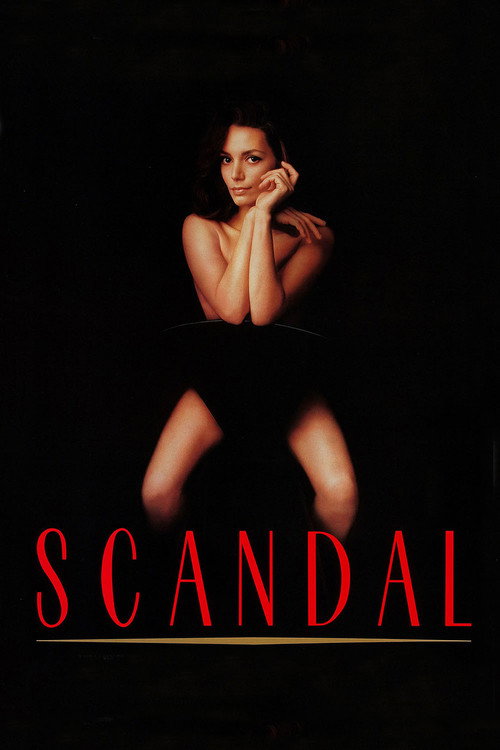
Scandal1989
John Hurt and Joanne Whalley in the Profumo affair—another story of reputation destroyed by desire and social hypocrisy. It captures the same combination of intimacy and public spectacle, with sharper teeth and better music.
But The 1960s setting and sexual content feel dated now. Also considerably more cynical than Trials, which some find relieving and others find grim.
Not sure tonight? Get a pick in a minute, starting from The Trials of Oscar Wilde
The wildcard
Something you would not have found on your own.
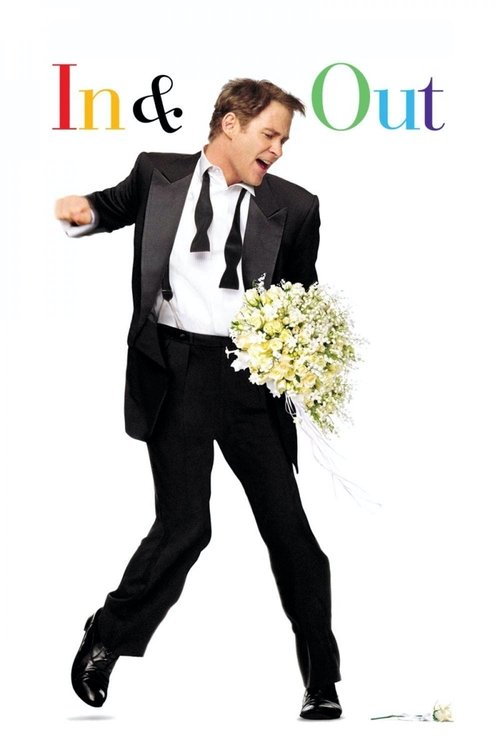
In & Out1997
Both explore what happens when society forces a private self into the public eye. Where Wilde's world crucified him, Kline's finds eventual acceptance—showing how far the conversation has traveled.
Kevin Kline as a closeted teacher forced into the open. It's a comedy about the same mechanism that destroyed Wilde—the public revelation of desire—but it finds redemption where Wilde found ruin. The connection is structural and moral: both are about what happens when the world decides to know your secret.
But A crowd-pleasing '90s comedy that feels lightweight compared to Trials. The happy ending will seem dishonest to anyone moved by the actual historical tragedy.
More like this (7)
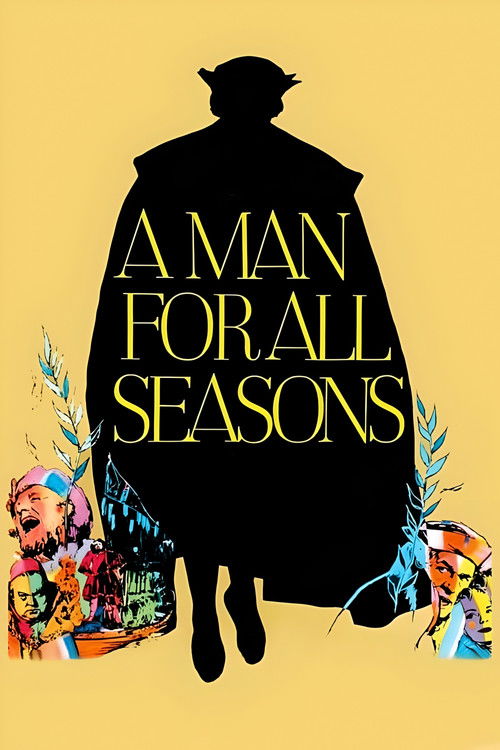
A Man for All Seasons1966
Paul Scofield as Thomas More, another brilliant man destroyed by conscience and the law. The courtroom scenes have similar weight; the film asks profound questions about integrity when the system is rigged against you.
But Made in the 1960s, it can feel stately and heavy-handed. The religious framework won't speak to everyone. Deliberately stately, which some find magnificent and others find slow.
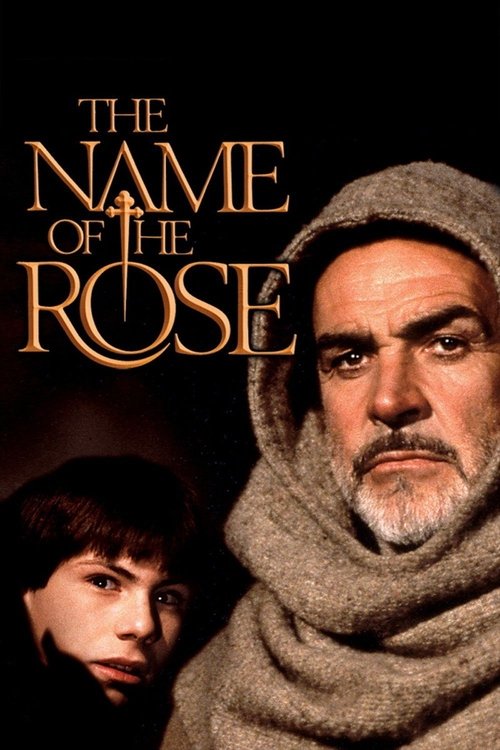
The Name of the Rose1986
Sean Connery investigating in a monastery where intellectualism becomes dangerous. It shares Trials' atmosphere of brilliant people pursued by forces larger than themselves, with a similar sense of dread and the weight of systems.
But Ornate, dense, and genuinely difficult to follow. The medieval setting and intellectual scaffolding exhaust some viewers. Requires patience and attention.
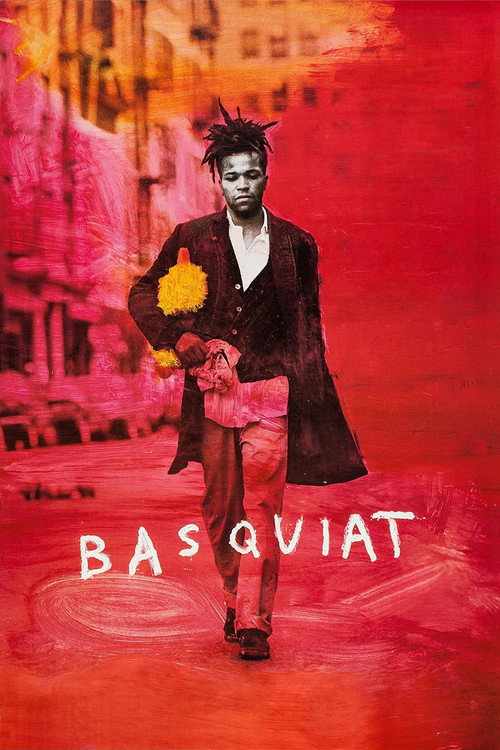
Basquiat1996
Julian Schnabel's portrait of Jean-Michel Basquiat shows another artist rising brilliantly and then cornered by fame, addiction, and forces beyond his control. Less about law than society, but the tragic shape is identical.
But Visually chaotic and sometimes incoherent. The film mirrors its subject's fragmentation in ways some find brilliant and others find pretentious and unwatchable.
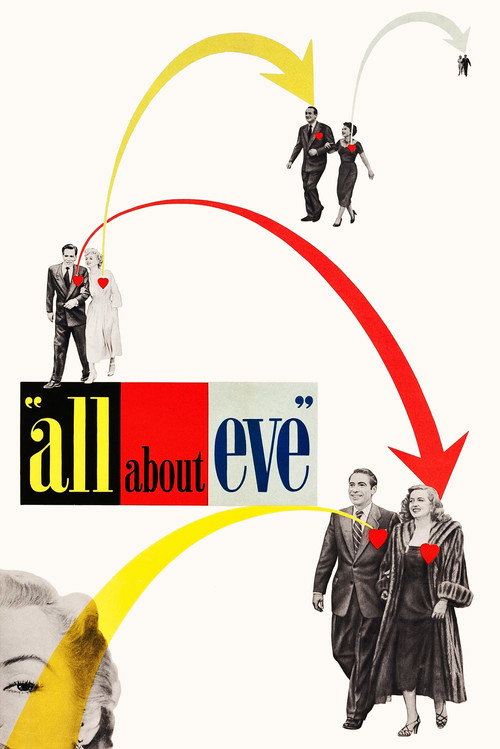
All About Eve1950
Bette Davis as an actress whose reputation and control are systematically undermined. Like Wilde, it's about power, performance, and the terrifying vulnerability that comes with public life. Bitter, witty, and structurally flawless.
But Very much a product of 1950, with attitudes toward women that clang. The theatrical setting won't appeal to everyone. Some find it dated rather than timeless.
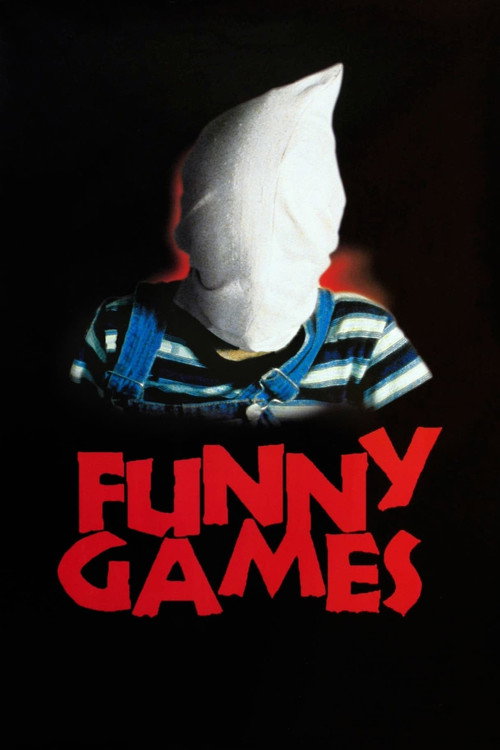
Funny Games1997
Michael Haneke's examination of violence and the spectacle we make of others' suffering. Like Trials, it forces you to sit with complicity—who benefits from watching destruction, and why do we keep watching?
But Deliberately punishing. Haneke means to make you uncomfortable about your viewing habits. If you watch film to be entertained, this is a provocation you might resent.
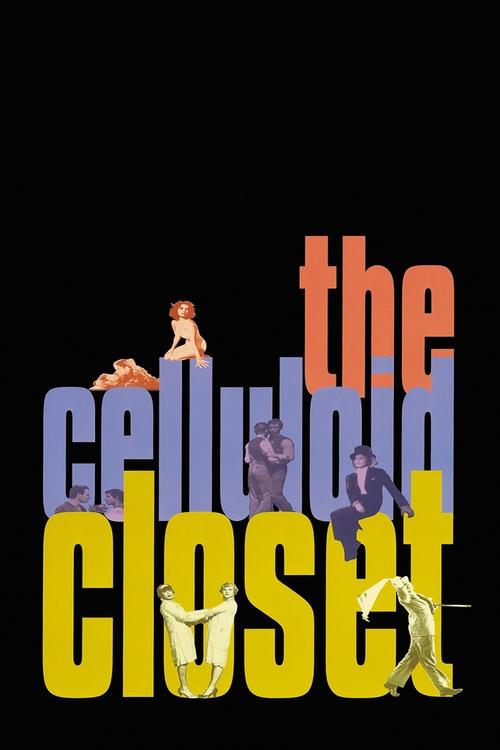
The Celluloid Closet1996
A documentary about homosexuality in cinema that contextualizes Wilde's era and the forces arrayed against him. It illuminates the historical moment Trials depicts and shows how cinema has since reckoned with that history.
But A documentary essay about film history. If you want narrative and character over information, this will feel didactic. Requires some background knowledge to fully land.
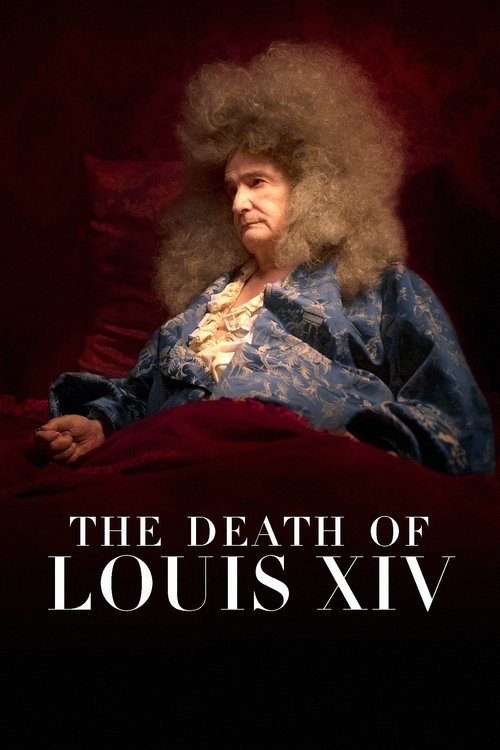
The Death of Louis XIV2016
Both films are fascinated by the moment when performance fails—when the mask slips and the machinery of society reveals itself as just machinery. One is historical drama, the other is experimental cinema, but they ask the same question about power and visibility.
Albert Serra's minimalist film watches the Sun King fade into death. It's a study of power draining away in real time, witnessed by courtiers pretending he's still magnificent. Like Trials, it's about the performance of status when everything is collapsing beneath the surface.
But Composed almost entirely of extreme close-ups of an old man and people watching him die. Painterly and glacially slow. If you want plot, character arcs, or dynamic cinema, this is the opposite. Many will find it insufferable.
People
Cast
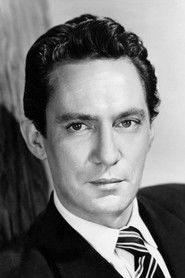 Peter FinchOscar
 Yvonne MitchellConstance
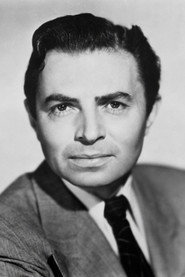 James MasonEdward Carson
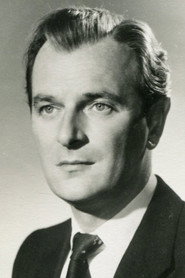 Nigel PatrickSir Edward Clarke
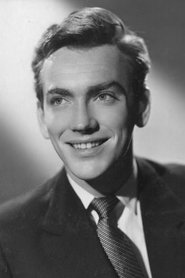 John FraserLord Alfred Douglas
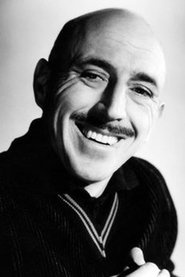 Lionel JeffriesMarquis of Queensberry
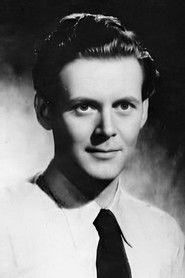 Emrys JonesRobbie Ross
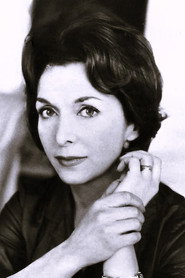 Maxine AudleyAda Leverson
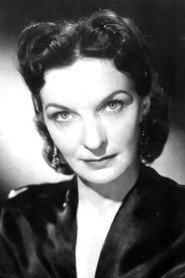 Sonia DresdelLady Wilde
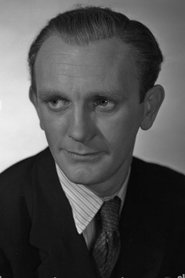 Meredith EdwardsAuctioneer
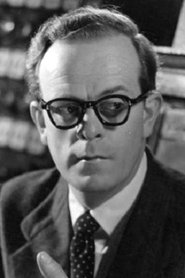 Lloyd LambleCharles Humphries
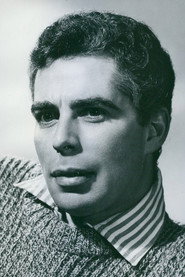 Anthony NewlandsFirst Clerk of Arraigns
Directing
- Ted SturgisAssistant Director
- Helen WhitsonContinuity
- Ken HughesDirector
Writing
- Montgomery HydeBook
- Ken HughesScreenplay
- John FurnellTheatre Play
Production
- James LiggatCasting Director
- Albert R. BroccoliExecutive Producer
- Irving AllenExecutive Producer
- Harold HuthProducer
- L. C. RudkinProduction Manager