
Film
The Divine Order
A Swiss housewife in 1971 discovers activism when her village votes on women's suffrage. This is a warm, funny film about ordinary people finding extraordinary courage—how one woman's quiet determination cracks open a closed world. It's tender without being soft, political without preaching. For anyone who loves character-driven stories about slow, impossible change.
Should you watch it?
Watch it if you like warm, sharply observed comedy about ordinary people changing their minds, where the laughs come from character and small-town habit rather than gags.
Skip it if you want a fast, plot-driven political drama, since this one lingers on kitchens, gossip and quiet resistance more than on debate or momentum.
What it asks of you: Settle in for a gentle, unhurried 96 minutes where the humor is dry, the mood mostly light, and the momentum builds slowly through small, accumulating moments.
Not sure? Find tonight's pick in a minute.
If you liked this
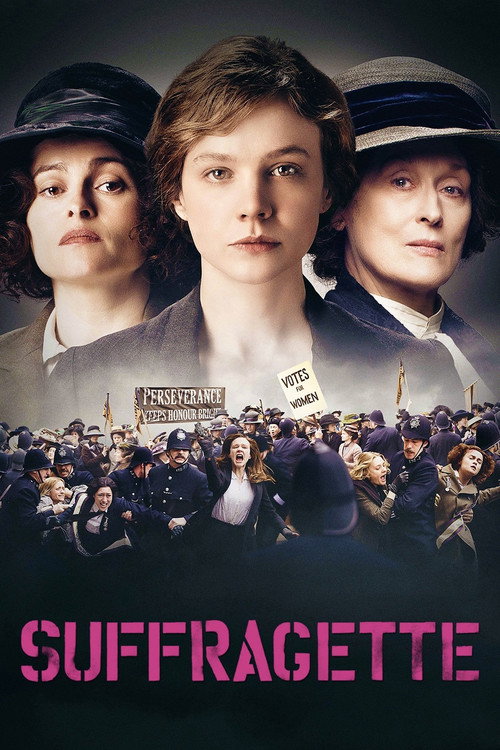
Suffragette2015
A parallel story of women fighting for the vote in Edwardian Britain, with the same blend of personal stakes and historical urgency. Carey Mulligan is magnetic as a factory worker radicalized by injustice.
But More overtly angry and confrontational in tone; if you preferred The Divine Order's gentle approach, this one swings harder.
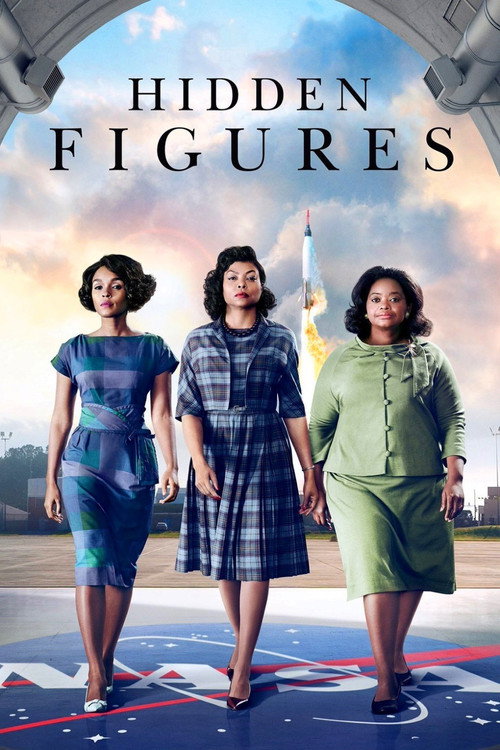
Hidden Figures2016
Three Black women mathematicians navigate NASA and systemic racism in the 1960s. A film about competence, dignity, and the quiet revolution of simply refusing to be invisible.
But Broader ensemble cast means less intimate character focus than a story centered on one woman's awakening.
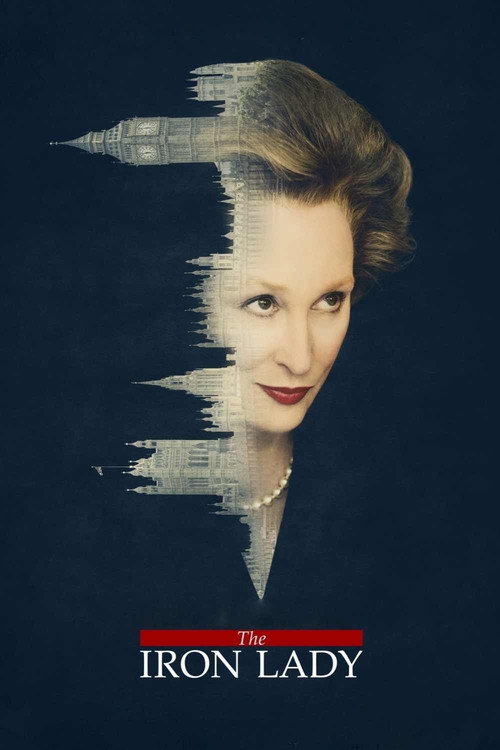
The Iron Lady2011
Meryl Streep as Margaret Thatcher, charting one woman's rise from grocer's daughter to prime minister. A portrait of ambition and conviction that asks what it costs to break through.
But More grandiose in scale and tone; Thatcher's story is one of power, not solidarity, which shifts the moral center entirely.
Not sure tonight? Get a pick in a minute, starting from The Divine Order
The wildcard
Something you would not have found on your own.
A Prophet2009
Both are about gaining power within rigged systems through understanding how the game is actually played. Nora's village and Malik's prison are both closed worlds with unspoken rules. Both protagonists succeed by seeing clearly what others pretend not to see.
A young Arab man imprisoned in France learns to survive by studying power, psychology, and manipulation. Gripping, tense, brilliantly acted—a masterclass in how institutional systems really work.
But Bleak prison violence and moral compromises throughout; Malik becomes what he despises, and the film doesn't offer comfort about that.

More like this (7)
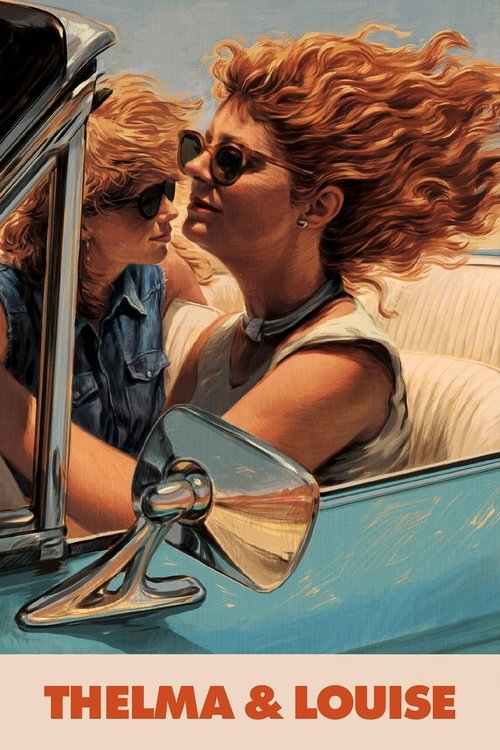
Thelma & Louise1991
Two women claim agency and freedom on their own terms, defying every expectation society has of them. It's exhilarating, funny, and genuinely thrilling in ways that stay with you.
But Much darker and more violent; this is a story about rebellion through transgression, not institutional change.
Fish Tank2009
Andrea Arnold's gritty portrait of a young woman trapped by poverty and circumstance, fighting for her own future. Brutally honest and deeply human, with an unflinching eye.
But Bleak and contemporary urban setting; nothing cozy about this one. Can feel relentlessly bleak.

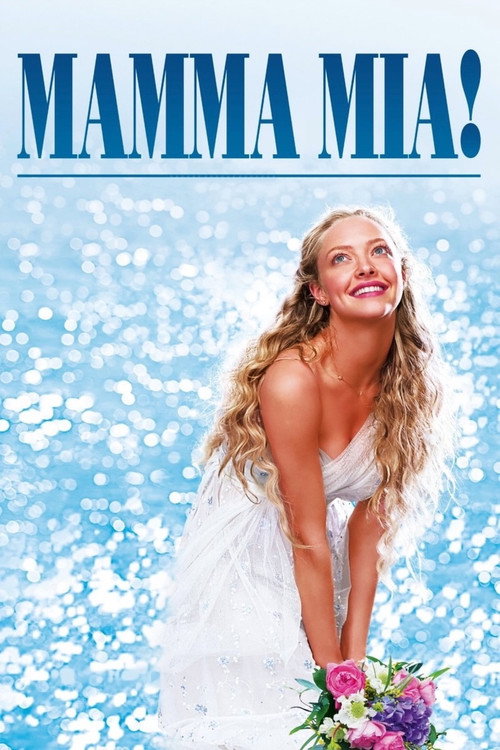
Mamma Mia!2008
A single mother who owns a Greek taverna hosts her daughter's wedding while three ex-lovers arrive—joy, chaos, and ABBA. Pure pleasure and genuine warmth beneath the sequins.
But Broad comedy that celebrates escapism rather than engagement; some find the tone aggressively cheerful.
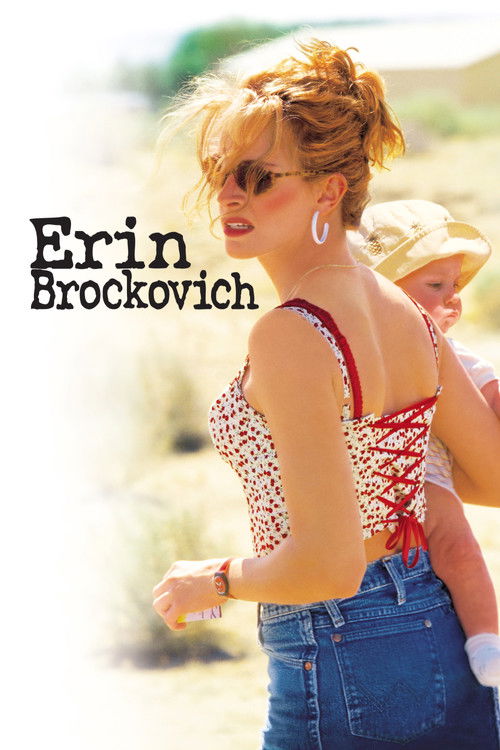
Erin Brockovich2000
Julia Roberts as a single mom with no formal education who takes on a massive corporate lawsuit. A crowd-pleaser about competence, tenacity, and fighting for the powerless.
But Hollywood formula applied to a true story; melodramatic in places where reality was subtler.
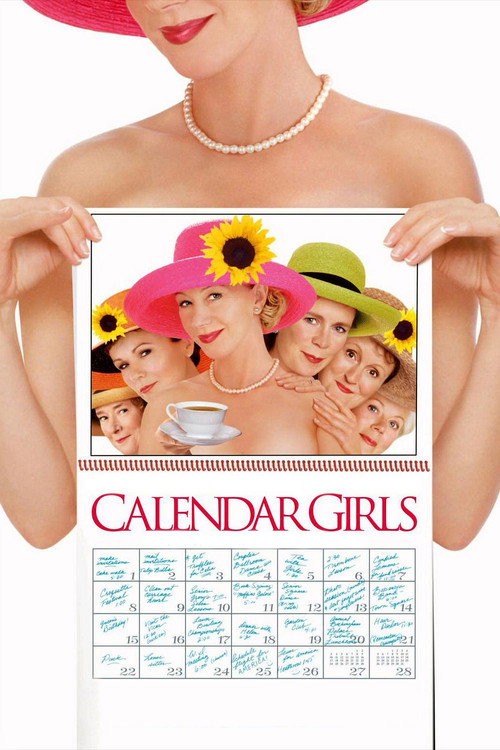
Calendar Girls2003
British village women pose nude for a charity calendar to raise funds for leukemia research. Funny, touching, and genuinely about friendship and reclaiming bodies and agency.
But Sits comfortably in feel-good territory; never reaches for anything darker or more complex.
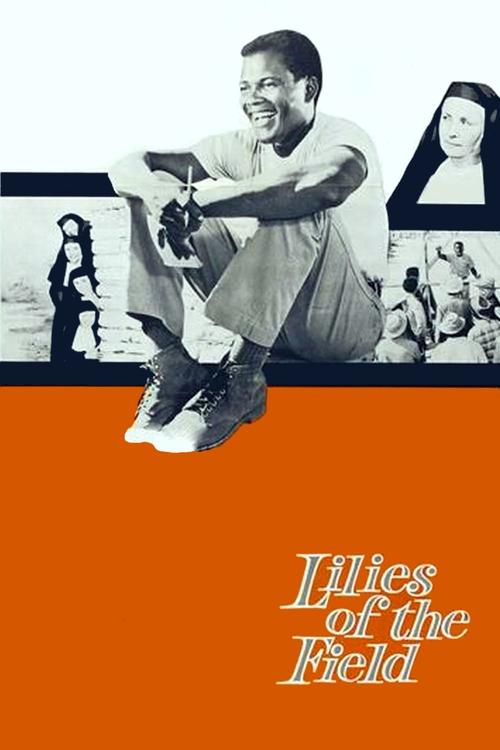
Lilies of the Field1963
A wandering Black man helps a group of German nuns build a chapel in the desert. Gentle, spiritual, about grace and connection across profound difference, with Sidney Poitier luminous.
But Deliberately quiet and contemplative; plot is minimal, which some find thin or dated.
Jeanne Dielman, 23, quai du Commerce, 1080 Bruxelles1976
Both see the domestic sphere as political. Where The Divine Order asks why women are denied public voice, Jeanne Dielman asks what we refuse to see about women's labor and survival. Both films argue that how a woman spends her day—in the kitchen, in the home, in the village square—is not separate from history. It is history.
Three days in the life of a meticulous widow managing her household and her secret sex work. Chantal Akerman's masterpiece observes the politics of domestic routine with extraordinary formal precision.
But Three and a half hours of everyday actions filmed in real time; nothing plot-driven happens. Demands you sit with boredom as a form of attention and protest.

People
Cast
 Marta ZoffoliGraziella
 Bettina StuckyMagda
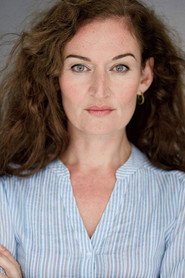 Rachel BraunschweigTheresa
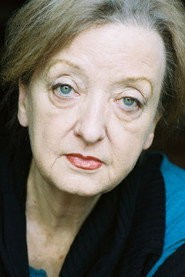 Sibylle BrunnerVroni
 Noe KrejcíMax
 Finn SutterLuki
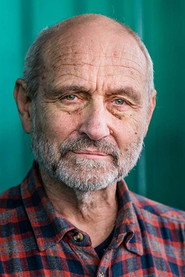 Peter FreiburghausGottfried
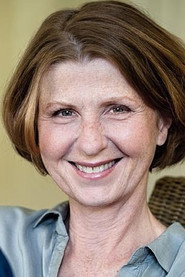 Therese AffolterDr. Charlotte Wipf
 Ella RumpfHanna
 Nicholas OfczarekWerner
Directing
- Petra Biondina VolpeDirector
Writing
- Petra Biondina VolpeWriter
Production
- Corinna GlausCasting
- Ruth HirschfeldCasting
- Lukas HobiProducer
- Reto SchärliProducer