
Film
Magnificent Obsession
Other titles called Magnificent Obsession: the 1954 film.
A wealthy playboy seeks redemption after his recklessness kills a respected philanthropist, discovering that secret charity and spiritual transformation can heal more than just guilt. This 1935 melodrama pulses with moral urgency and romantic yearning, built on the conviction that a person can genuinely remake themselves. It's for anyone who believes in the possibility of becoming better, and who doesn't mind a little tear-stained sincerity.
If you liked this
It Happened One Night1934
A screwball romance that proves screwball comedy and genuine feeling aren't opposites. Gable and Colbert have the kind of chemistry that makes you believe in people again. It won Best Picture for a reason.
But The pacing demands patience; it meanders cheerfully, and if you want plot momentum over character discovery, you'll fidget.

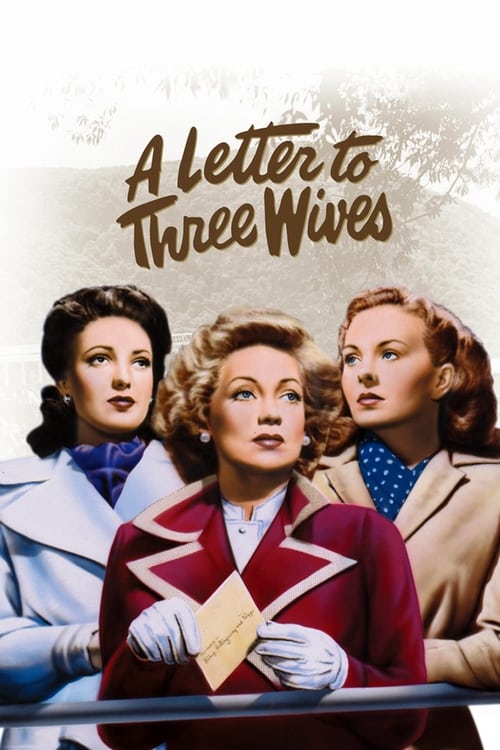
A Letter to Three Wives1949
Three women navigate marriage, jealousy, and self-deception with Mankiewicz's sharpest wit. It's romantic drama that earns its emotions through intelligence rather than manipulation, and the ensemble work is impeccable.
But It jumps between three stories, which can feel fractured. Some find the constant tonal shifts from comedy to darkness exhausting rather than elegant.
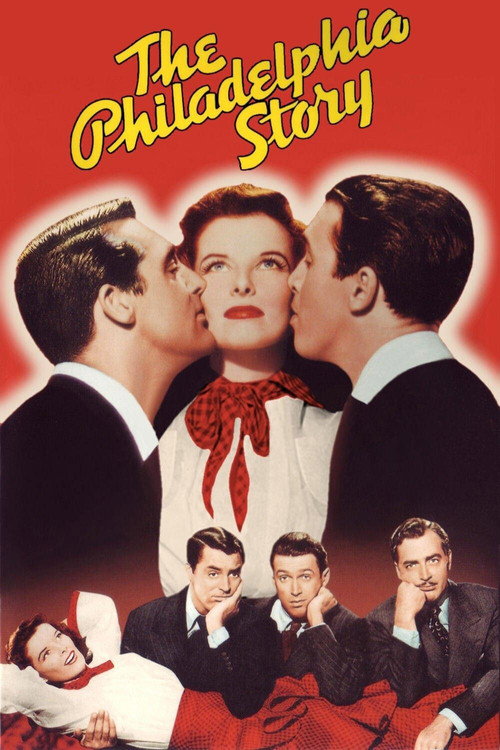
The Philadelphia Story1940
A woman on the eve of her wedding must reckon with who she actually is versus who she's pretending to be. Hepburn, Grant, and Stewart in a film that's funny, romantic, and genuinely wise about human nature.
But Its upper-class world can feel hermetically sealed and frivolous. If wealth problems bore you, this won't move you past that.
Not sure tonight? Get a pick in a minute, starting from Magnificent Obsession
The wildcard
Something you would not have found on your own.
Ikiru1952
Both films believe in the moral possibility of transformation through service to others, and both show that redemption isn't a moment but a way of being. The obsession isn't with yourself but with becoming worthier.
A dying Japanese bureaucrat discovers meaning not through redemption or romance, but through small acts of bureaucratic kindness that outlive him. Kurosawa's meditation on how to live when you're running out of time is quiet, profound, and achingly beautiful.
But It's spare and unhurried. Nothing dramatic happens; a man comes to understand his life was never wasted. If you need plot or catharsis, this offers only slow recognition.

More like this (8)
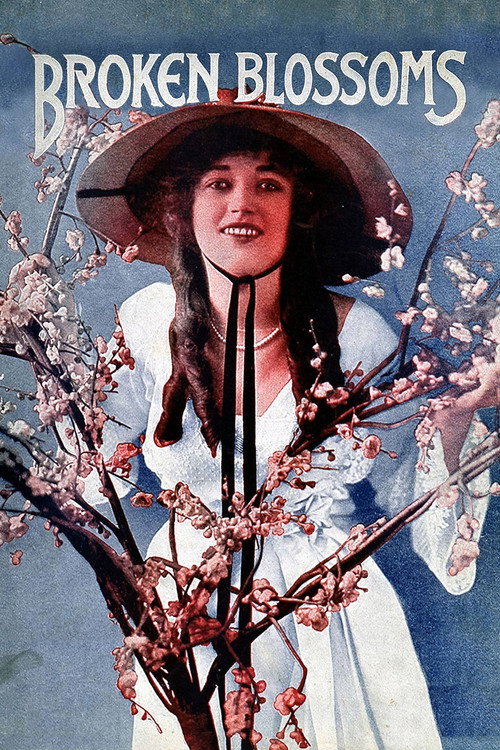
Broken Blossoms or The Yellow Man and the Girl1919
Lillian Gish in a film about loneliness, kindness, and the possibility of grace in a brutal world. Griffith's direction finds poetry in quiet rooms and the courage of small mercies. Silent cinema at its most emotionally direct.
But The pacing is glacial by modern standards, and the plot hinges on Victorian melodrama rather than psychological realism. Patience required.
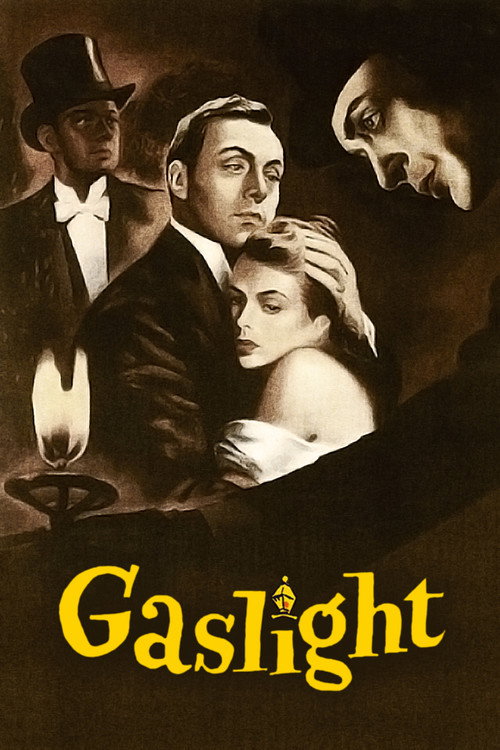
Gaslight1944
Charles Boyer and Ingrid Bergman in a thriller about manipulation, doubt, and the necessity of believing in yourself. The obsession here is sinister and addictive; Bergman's descent into questioned sanity is terrifying and magnetic.
But It's bleak and occasionally feels cruel in ways that can distress rather than satisfy. Boyer's charm doesn't redeem his character; it makes him more dangerous.
Sunrise: A Song of Two Humans1927
Murnau's masterpiece about a man tempted to betray everything he loves, and the possibility of finding his way back. It's operatic and visual; every frame glows with feeling. A film that remakes itself with each viewing.
But It's silent, it's slow, and its melodrama may strike contemporary viewers as dated. If you're watching for plot, you'll miss what the film is actually saying.

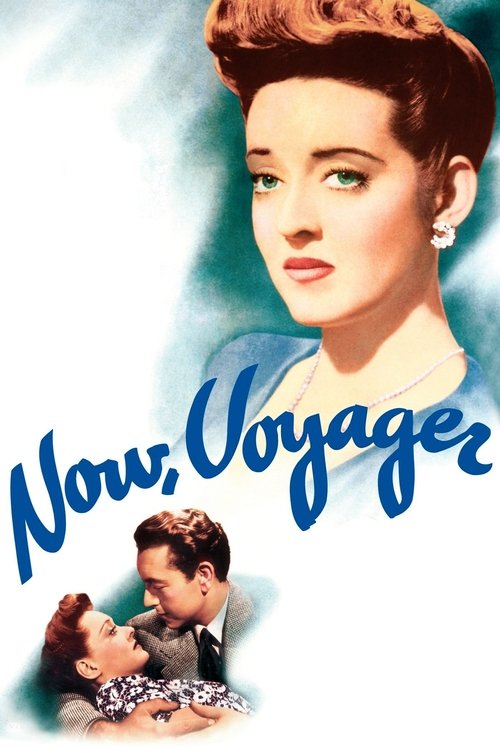
Now, Voyager1942
Bette Davis transforms from downtrodden to radiant, discovering that self-discovery can be as thrilling as romance. Paul Henreid's restraint plays beautifully against Davis's volcanic presence. A film about becoming yourself.
But Its solution to women's happiness involves romance and cigarette sharing rather than independence. The ending now feels like acceptance of less than it should be.
The Best Years of Our Lives1946
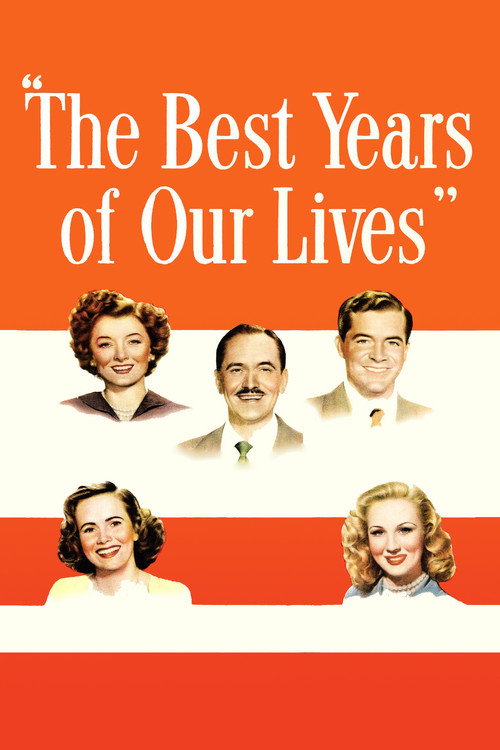
Three servicemen return home to find their old lives unrecognizable. It's about the work of redemption and integration, about how change happens not through grand gestures but through showing up. Wyler's most humane film.
But It's 170 minutes and deliberately paced, with long scenes in rooms where not much happens. Impatience will kill it for you.
Anna Karenina1935
Greta Garbo in Clarence Brown's lush adaptation, a tragedy about obsession, passion, and the impossibility of having everything. Visually sumptuous and emotionally devastating in equal measure.
But Tolstoy's depth gets flattened into romance and spectacle. If you know the novel, you'll feel the gaps. If you don't, the scale can overwhelm meaning.

The Umbrellas of Cherbourg1964
Both films trust melodrama and visual beauty to carry emotional truth. Both use color and design to externalize internal states. Both ask whether love survives the collision with real life.
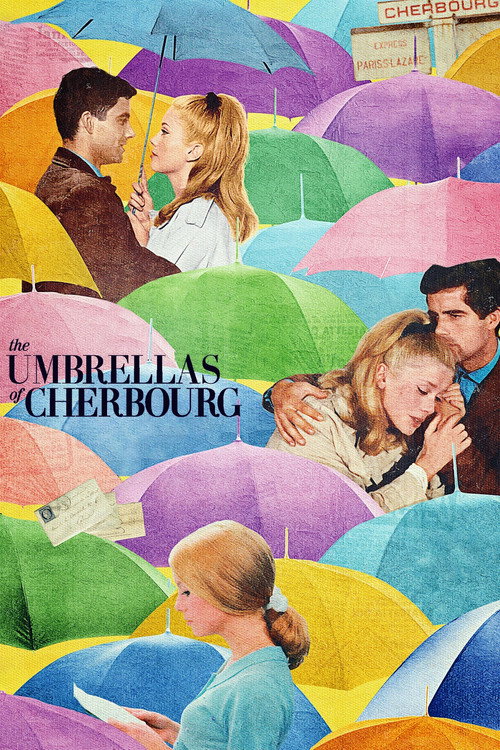
Demy's musical romance about impossible love is formally ravishing—primary-colored sets, Michel Legrand's score, Catherine Deneuve's beauty used as heartbreak. It's unashamed sentiment dressed in bravura artifice, and it's devastating.
But It's a musical, and the music is inseparable from plot and feeling. If you resist the form, you'll resist the film. Some find its fatalism about love depressing rather than romantic.
Synecdoche, New York2008
Both feature men whose obsession with fixing their moral failings through grand projects becomes the thing that destroys them. Both ask whether redemption is transformation or just elaborate self-deception dressed in sincerity.
A theater director's obsessive reconstruction of his own life into art becomes indistinguishable from his actual life, until the obsession consumes everything. Charlie Kaufman's baroque, hallucinatory meditation on the obsession to make sense of chaos through art and redemption.
But It's deliberately confusing, deliberately exhausting. The film mirrors its protagonist's dissolution; by design, it refuses clarity or catharsis. Some will call it brilliant; others will call it indulgent.

People
Cast
 Irene DunneHelen Hudson
 Robert TaylorDr. Robert Merrick
 Charles ButterworthTommy Masterson
 Betty FurnessJoyce Hudson
 Sara HadenMrs. Nancy Ashford
 Ralph MorganRandolph
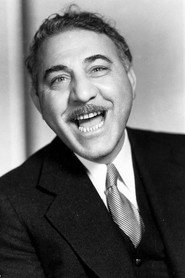 Henry ArmettaTony
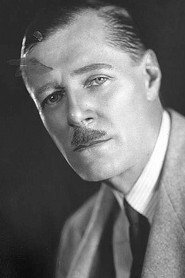 Gilbert EmeryDoctor Ramsay
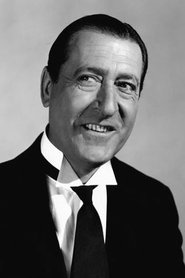 Arthur TreacherHorace
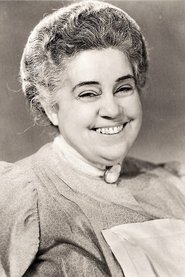 Beryl MercerMrs. Eden
- Alyce ArdellElise, Helen's Maid
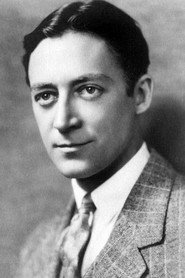 Theodore von EltzDr. Preston
Directing
- John M. StahlDirector
Writing
- Lloyd C. DouglasNovel
- George O'NeilScreenplay
- Sarah Y. MasonScreenplay
- Victor HeermanScreenplay
Production
- John M. StahlProducer
Recommended by
The Silver Cord, A Man to Remember, Show Boat, Merrily We Go to Hell, Vigil in the Night