
Film
Queen Christina
Greta Garbo's final major role as Sweden's beloved queen, caught between duty and desire. A sumptuous historical romance that's really about the loneliness of power and the cost of choosing yourself. Garbo is luminous and strange—more interested in the psychology of her torn heart than in spectacle. For anyone who believes great film acting is about presence, not gesture.
Should you watch it?
Watch it if you enjoy classic Hollywood romance where the emotional duel is played in glances and silences, and a queen's private longing matters as much as the court intrigue around her.
Skip it if you need brisk plotting or modern pacing, since this 1934 film lingers over its rooms and conversations, and its stateliness can feel slow to anyone raised on quicker cuts.
What it asks of you: Settle in for about an hour and a half of unhurried scenes, with a formal, romantic tone that rewards patience and close attention to faces more than action.
Not sure? Find tonight's pick in a minute.
If you liked this
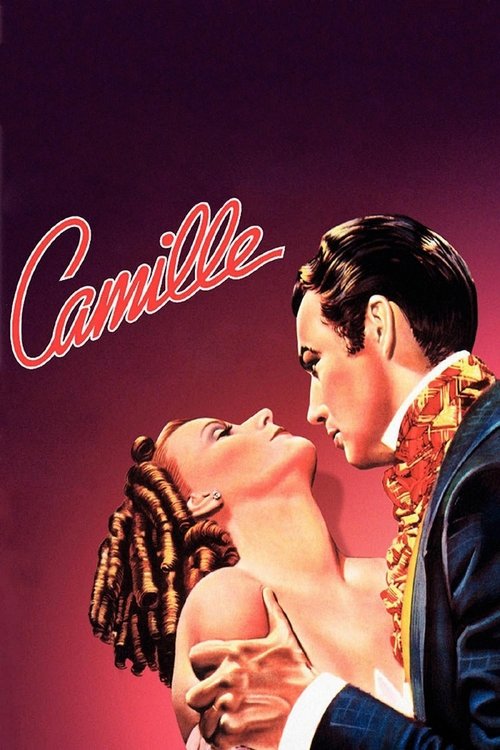
Camille1936
Garbo again, in another tragic love story where duty and desire collide. She's heartbreaking as a courtesan who must surrender what she wants most. The emotional architecture mirrors Christina's dilemma perfectly.
But Tuberculosis-era melodrama can feel overwrought to modern eyes. It leans into pathos in ways that require patience.
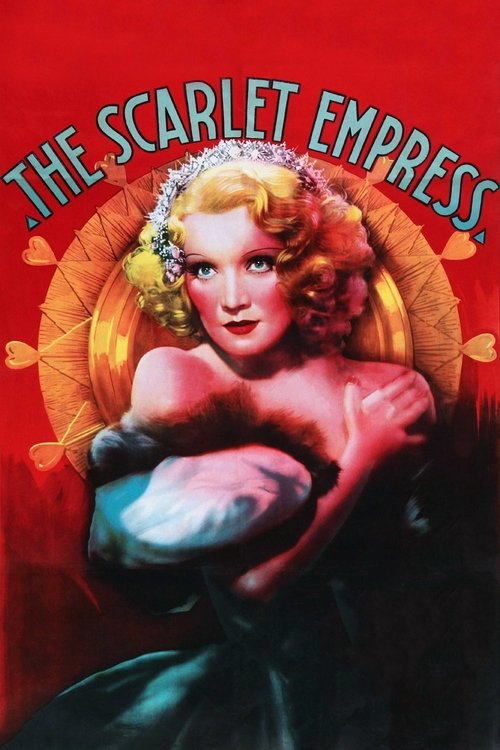
The Scarlet Empress1934
Marlene Dietrich as Catherine the Great, facing the same choice between power and love with baroque visual excess. Josef von Sternberg creates a fever dream of costume and lighting. Equally strange, equally compelling.
But The historical liberties are enormous and the pacing is deliberate. It's more art installation than conventional narrative.
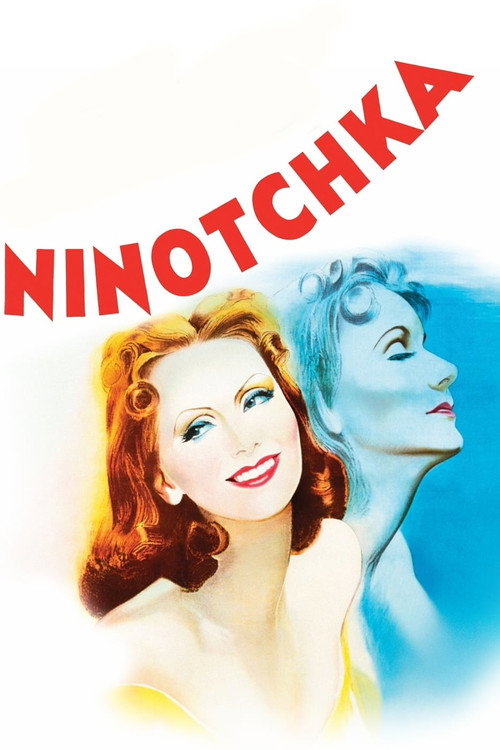
Ninotchka1939
Garbo in her final film, playing a Soviet commissar who thaws in Paris. She proves she could do comedy with the same magnetism she brought to tragedy. It's a love story about ideology and transformation.
But The anti-Soviet messaging is of its moment. The tone is lighter, which some prefer and others find less substantial than her dramatic work.
Not sure tonight? Get a pick in a minute, starting from Queen Christina
The wildcard
Something you would not have found on your own.
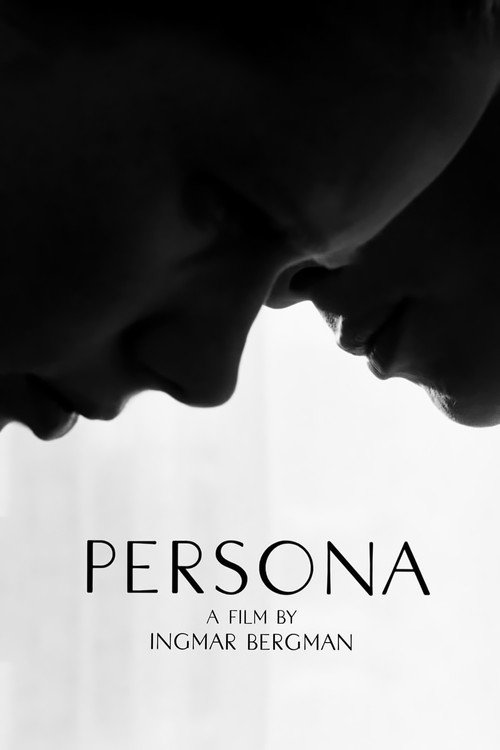
Persona1966
Both films interrogate the performance of identity when you're trapped between who you are and who you must be. Bergman extends what Christina intuited about the cost of being watched constantly.
Ingmar Bergman's masterpiece about a woman who stops speaking, removing her ability to perform her public role. It's the ultimate exploration of identity and the masks power demands—Swedish cinema's answer to what Christina's isolation really meant.
But It's challenging, abstract modernism. There's almost no plot. Expect discomfort, not pleasure.
More like this (6)
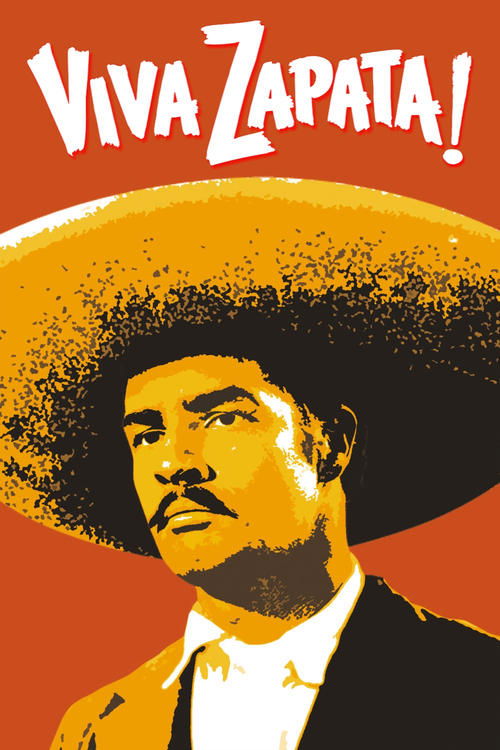
Viva Zapata!1952
Marlon Brando as a revolutionary leader who must choose between personal happiness and the movement he's built. It's about the burden of being needed, and what ambition costs a person you love.
But It's more overtly political than Christina, which some find preachy. The gender dynamics are very much of its era.
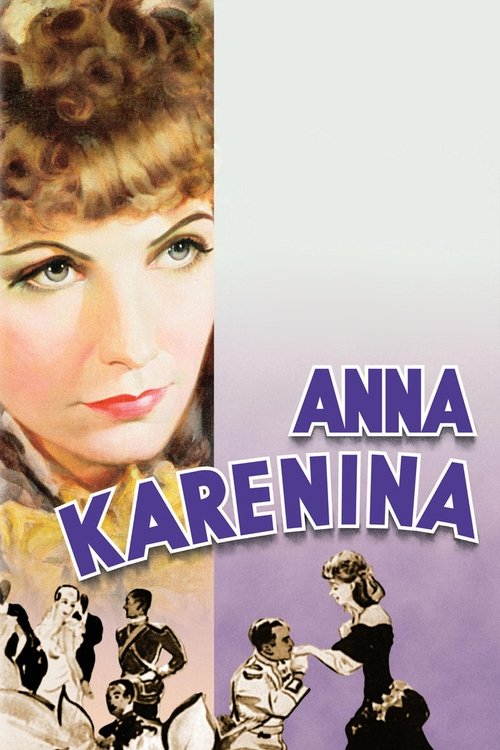
Anna Karenina1935
Garbo in another passion-versus-society story, with one of cinema's greatest tragic arcs. Clarence Brown directs with the same sensitivity to her gifts that he showed in Christina.
But At nearly three hours, it's exhausting in the way 1930s melodrama can be. Tolstoy's novel casts a long shadow.
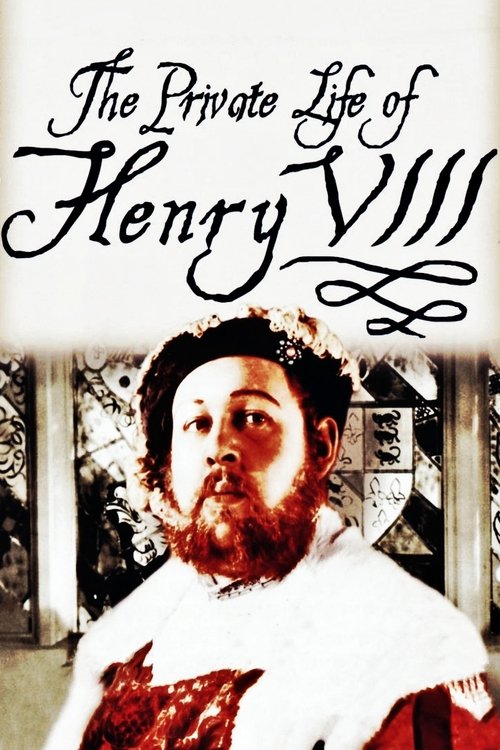
The Private Life of Henry VIII1933
Charles Laughton as Henry, a ruler whose personal desires devastate those around him. It's the male version of Christina's dilemma—what happens when the person at the top loves badly.
But It's actually quite funny, which breaks the tragic mood some people want from royal stories. The tone is uneven.
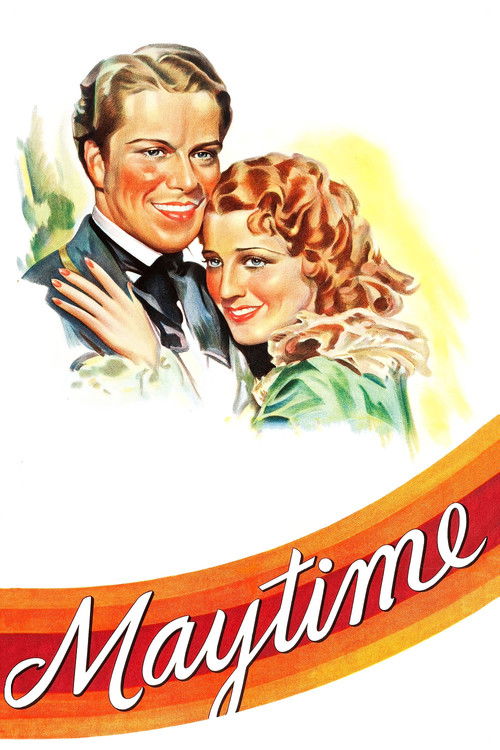
Maytime1937
Jeanette MacDonald and Nelson Eddy in an operetta about love forbidden by duty and age. It has Christina's melancholy lyricism, though filtered through the musical's emotional heightening.
But It's a musical, which immediately excludes some viewers. The sentimentality is extreme, even by period standards.
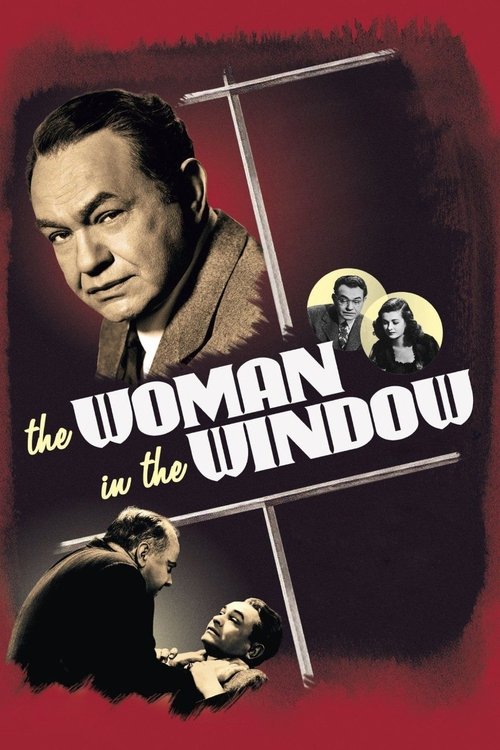
The Woman in the Window1944
Joan Bennett as a woman who breaks her domestic routine for passion, with consequences that spiral. It explores what happens when someone chooses desire over their appointed place.
But It's a noir, not a historical romance. If you want the period glamour of Christina, this American realism will disappoint.
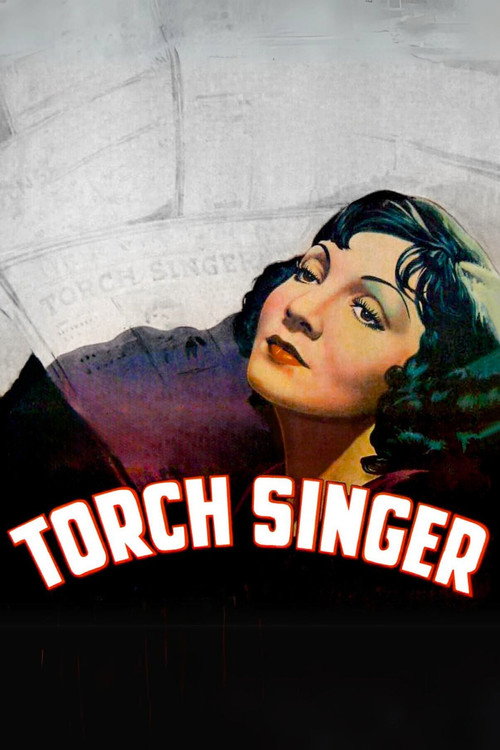
Torch Singer1933
Both are about a woman choosing between personal love and something larger she's committed to, but Torch Singer refuses the tragic inevitability—it insists on complications over closure.
Claudette Colbert as a nightclub performer choosing between motherhood and career. It's melodrama about female ambition and sacrifice, but set in contemporary America with jazz and nightlife instead of palaces. Same emotional stakes, completely different register.
But It's obscure and rarely restored well. The prints are often murky. It also doesn't resolve its tensions the way period drama is expected to.
People
Cast
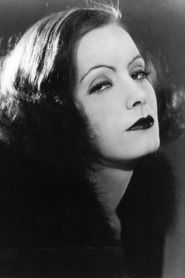 Greta GarboChristina
 John GilbertAntonio
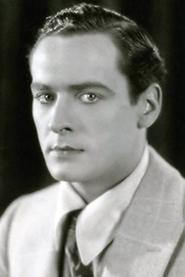 Ian KeithMagnus
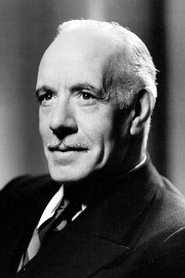 Lewis StoneOxenstierna
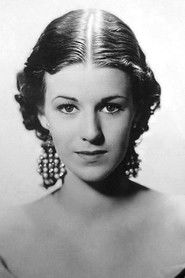 Elizabeth YoungEbba
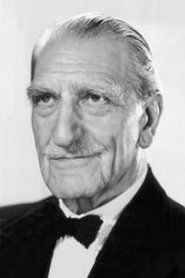 C. Aubrey SmithAage
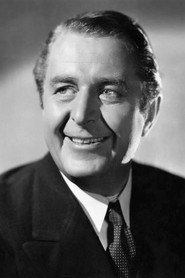 Reginald OwenCharles
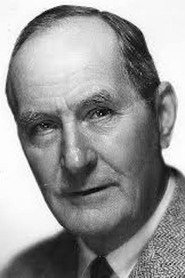 David TorrenceArchbishop
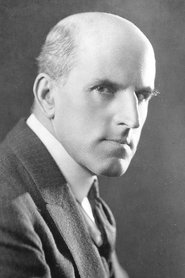 Gustav von SeyffertitzThe General
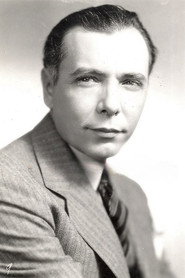 Georges RenaventFrench Ambassador
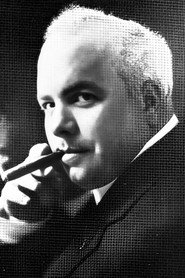 Ferdinand MunierInnkeeper
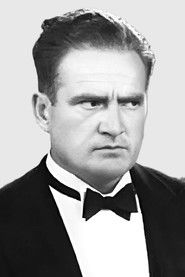 Richard AlexanderPeasant in Crowd (uncredited)
Directing
- Charles DorianAssistant Director
- Rouben MamoulianDirector
Writing
- S. N. BehrmanDialogue
- Claudine WestScreenplay
- H.M. HarwoodScreenplay
- Rouben MamoulianScreenplay
- Salka ViertelScreenplay
- Margaret P. LevinoStory
- Salka ViertelStory
- Ben HechtWriter
Production
- Walter WangerProducer
Recommended by
Orlando, My Little Chickadee, Camille Claudel 1915, Flesh and the Devil, Goin' to Town