
Film
Camille Claudel 1915
- Biopic
- Very dark
- Slow-burning
A portrait of artistic imprisonment. Juliette Binoche inhabits the last years of sculptor Camille Claudel, locked away in a southern French asylum, waiting for a brother who never comes. Stripped of her tools and her craft, she becomes a study in quiet devastation—how genius is erased, how women are discarded, how a life can become a waiting room. Austere, sorrowful, essential.
If you liked this
Synecdoche, New York2008
An artist's obsession and dissolution, told through fractured reality and nested worlds. Kaufman's portrait of creative collapse mirrors Claudel's struggle—the difference being that Philip Seymour Hoffman's character still gets to work. Darkly funny until it isn't.
But Deliberately opaque and formally experimental. It asks more from you than it explains, and the mood curdles into something almost unwatchable by design.

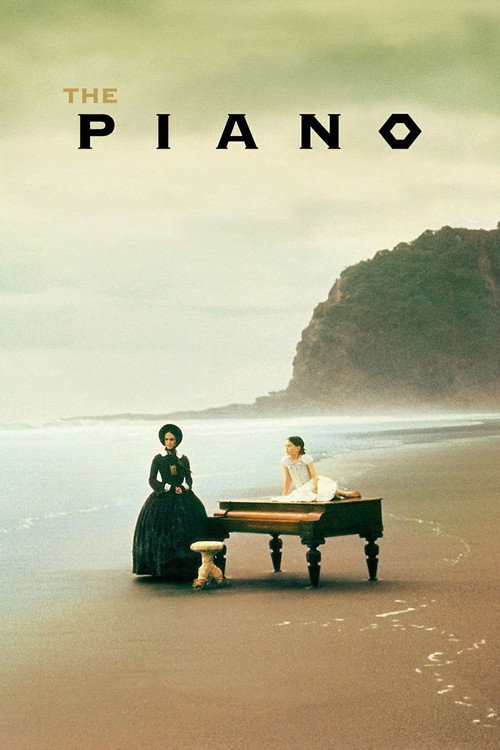
The Piano1993
Another woman's artistic voice silenced by constraint and male control, though here she fights back through music instead of stone. Gorgeous, sensual, and furious where Claudel 1915 is quiet—but the same wound at the core.
But The sexuality is explicit and the colonial politics are dense. Some find the narrative arc didactic, and the mood can feel suffocating even when Ada herself rebels.
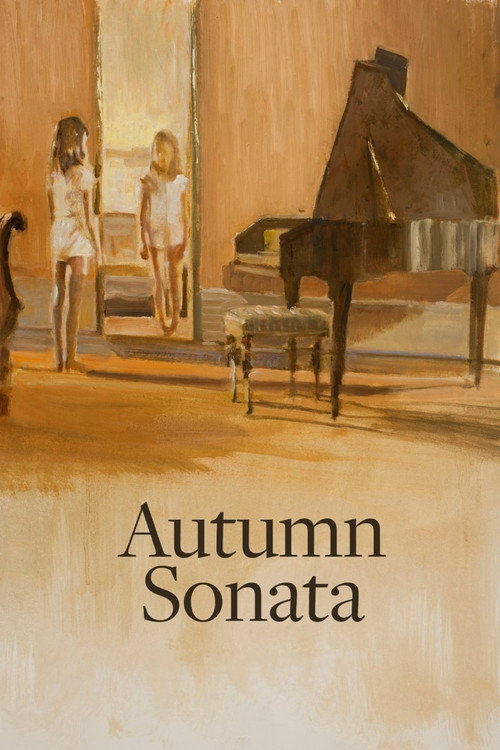
Autumn Sonata1978
Bergman explores the fracture between a famous mother and her overlooked daughter through one brutal conversation. Like Claudel 1915, it trusts stillness and performance over plot. Binoche herself learned from watching this kind of acting.
But Nearly dialogue-only and claustrophobic. If you need external action to stay engaged, you'll find it exhausting rather than gripping.
Not sure tonight? Get a pick in a minute, starting from Camille Claudel 1915
The wildcard
Something you would not have found on your own.
Possession1981
Both are portraits of artistic women destroyed by institutions (family, medicine, marriage), but where Claudel 1915 watches the destruction from the outside with formal restraint, Possession drags you into the internal collapse itself.
Andrzej Żuławski's film about a marriage collapsing into madness. Like Claudel 1915, it's about creative genius warped by isolation and confinement, but Żuławski explodes it into visceral, operatic horror. Isabelle Adjani's performance is as committed as Binoche's, but channeled into something feverish and howling rather than resigned.
But Deliberately grotesque and hallucinatory. It's a film that seems unhinged, which is the point, but you have to surrender to formal strangeness and symbolic violence rather than linear sense.

More like this (6)
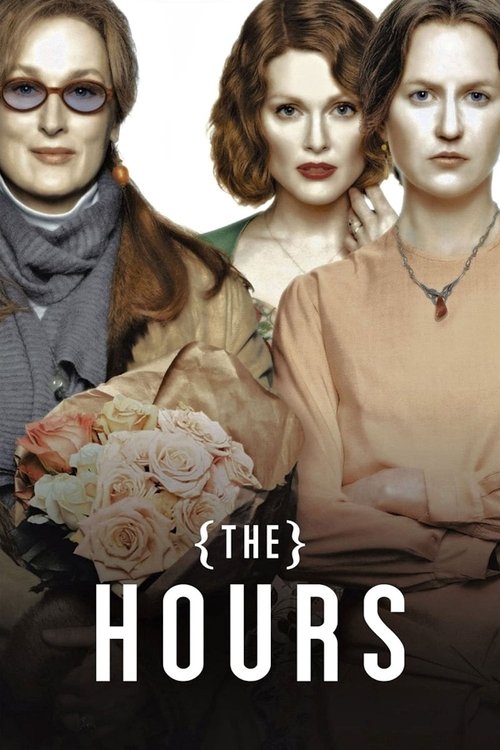
The Hours2002
Three parallel stories of brilliant women whose contributions are diminished or invisible. Like Claudel, they're trapped by circumstance and expectation. It's a portrait of quiet resistance and the cost of suppressed talent.
But Structurally jumps between three timelines. The suicide thread is handled directly, not metaphorically, and the film's reverence for its literary source makes it feel reverential rather than alive.
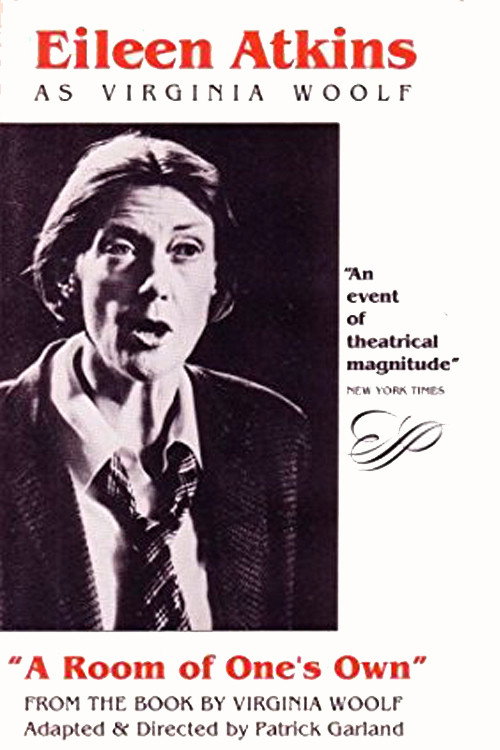
A Room of One's Own1991
Animated essay on Woolf's manifesto about women needing space, money, and freedom to create. It directly addresses the institutional theft that consumed Claudel—the lack of studio, autonomy, and recognition.
But It's an essay, not a narrative. The animation varies wildly in quality, and some will find it more intellectual exercise than emotional experience.
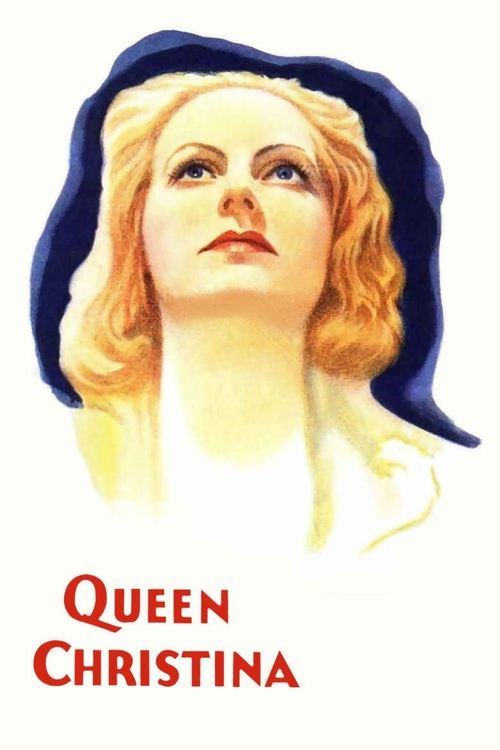
Queen Christina1934
Another portrait of a brilliant woman (Christina of Sweden) constrained by circumstance and her own impossible desires. Angelica Huston's performance has the same quality of icy dignity that Binoche brings to Claudel.
But It's slow and heavily stylized, sometimes at the expense of clarity. The film assumes familiarity with its subject and refuses to explain.
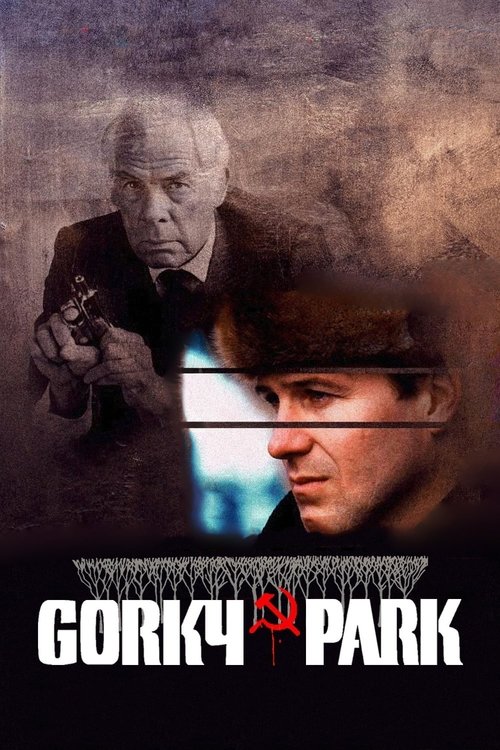
Gorky Park1983
A detective story that becomes an examination of artistic suppression under totalitarianism. The mood is bleak and procedural, not flashy—it understands how systems erase people quietly.
But The political backdrop is dense and the pacing deliberate. It's a thinking film pretending to be a thriller, which frustrates anyone wanting the latter.
Jeanne Dielman, 23, quai du Commerce, 1080 Bruxelles1976
Three hours of a woman's daily routine shot with perfect stillness. No plot, no drama—just the accumulation of small choices and compromises. A radical act of attention. Chantal Akerman made it about the invisible labor that consumes women.
But It's essentially real-time observation. You will spend long stretches watching someone peel potatoes. If you can't find meaning in quotidian repetition, you'll find it tedious.

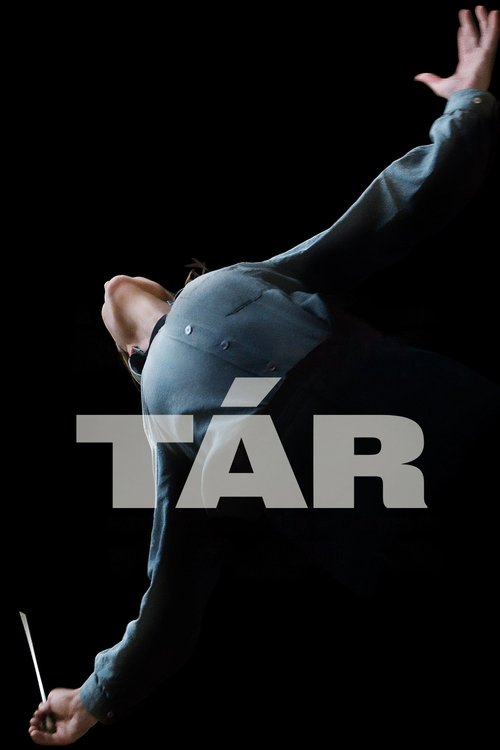
TÁR2022
Both films understand that genius alone doesn't protect you—that brilliance can be silenced or corrupted, and that the system cares less about your art than about controlling you.
Cate Blanchett plays a conductor at the height of power—the inverse of Claudel's erasure. But the film is about how genius becomes a weapon, how ambition can corrode the self, and how institutions protect those who wield them. It's asking the same question from the other end.
But Nearly three hours and formally intricate. The ending divides people sharply; some find it defeatist or incomplete. Blanchett's character is deeply unsympathetic, which is the point but not everyone's evening.
People
Cast
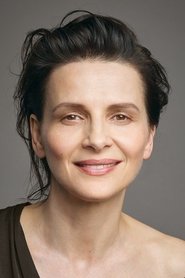 Juliette BinocheCamille Claudel
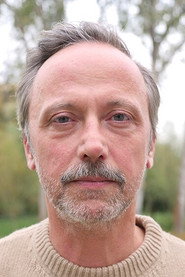 Jean-Luc VincentPaul Claudel
 Robert LeroyLe medecin
- Armelle Leroy-RollandLa jeune soeur novice
- Emmanuel KauffmanLe pretre
- Marion KellerMile Blanc
- Sandra RiveraSoeur Sandra
- Eric JacouletL'interne
- Florence PhilippeSoeur Florence
- Claire PeyradePensionnaire bain
- Myriam AllainPensionnaire entravée
- Régine GayteSoeur Régine
Directing
- Bruno DumontDirector
Writing
- Camille ClaudelScreenplay
- Bruno DumontWriter
Production
- Rémi BurahCo-Producer
- Véronique CaylaCo-Producer
- Jean BréhatProducer
- Muriel MerlinProducer
- Rachid BoucharebProducer
- Cédric EttouatiProduction Manager
- Emmanuel ComteUnit Manager
- Delphine VeronUnit Production Manager