
Film
Secrets of a Soul
- Medical drama
- Very dark
A 1926 German Expressionist film where a scientist's descent into neurosis—murderous impulses, knife phobia, horrifying dreams—becomes the battleground for psychoanalysis itself. Silent, visually ravishing, and genuinely unsettling: a psychological thriller made before the genre had a name, exploring the Freudian unconscious through distorted sets and fevered imagery.
If you liked this
The Cabinet of Dr. Caligari1920
The archetypal German Expressionist horror: warped architecture, somnambulist terror, and the corruption of authority. If you loved Secrets' visual language, this is where it was born, and it hits just as hard a century later.
But Deliberately theatrical and strange; the acting style and pacing will feel alien if you're used to contemporary cinema. Not a comfortable watch.

Metropolis1927
Fritz Lang's masterpiece of scale and ambition, using similar Expressionist techniques to build a vision of dystopian future society. Visually stupendous and thematically rich in ways that reward close attention.
But It's long, newly restored prints reveal damage in places, and some versions are incomplete. The politics are complex enough to spark debate rather than settle it.

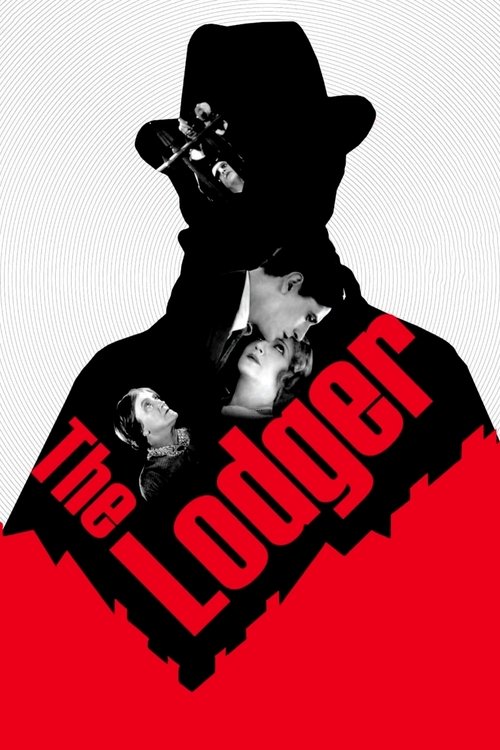
The Lodger: A Story of the London Fog1927
Hitchcock's breakthrough: a psychological thriller using architecture and shadow to turn suspicion into visual experience. The same era, the same conviction that the mind's distortions are cinema's true subject.
But It's brief and deliberately enigmatic; if you need clear answers, the ending will frustrate you. Also silent, so commitment required.
Not sure tonight? Get a pick in a minute, starting from Secrets of a Soul
The wildcard
Something you would not have found on your own.
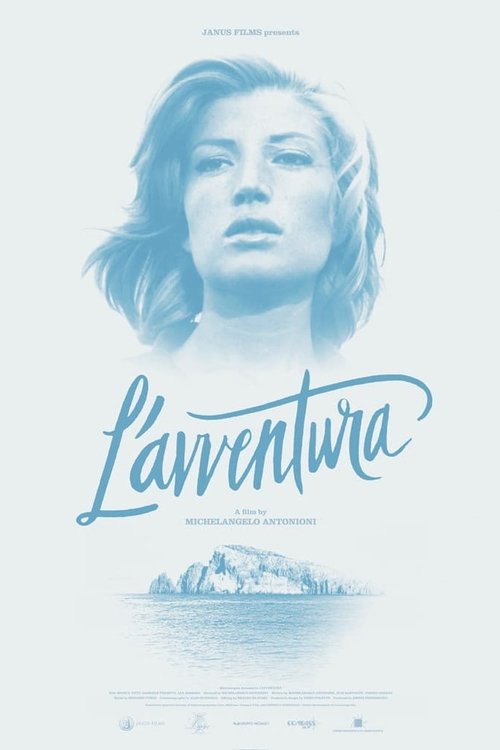
L'Avventura1960
Both films trust cinema to render psychological states visually rather than through dialogue or plot. Both make the interior visible. Antonioni learned from the Expressionists that the external world—architecture, landscape, a face—can be a map of the mind.
Antonioni's radical film about alienation and the inadequacy of narrative itself. A woman vanishes and no one seems to care—the film cares more about what that tells us about modern consciousness than about solving the mystery. Long, strange, hypnotic.
But Many find it unbearably slow and emotionally cold. Nothing happens in conventional ways. It rewards patience and repetition; casual viewing often leaves people frustrated or bored.
More like this (8)
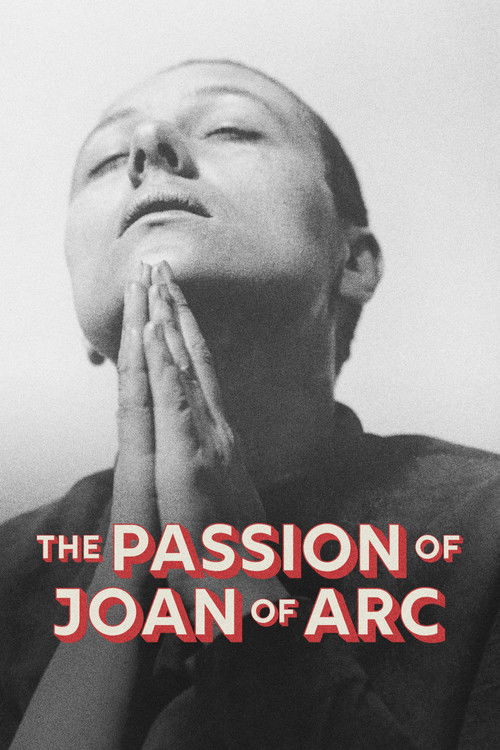
The Passion of Joan of Arc1928
Dreyer's masterpiece of close-up and anguish, using the camera to map inner devastation across a face. Different genre—religious tragedy rather than psychological horror—but identical commitment to making cinema excavate the soul.
But Intensely bleak and emotionally exhausting. The repetition of interrogation scenes is deliberate but can feel punishing. And yes, it's silent.
Nosferatu1922
The primal vampire film: low-key, atmospheric, and built from pure shadow and dread. German Expressionism applied to the supernatural, with a visual sophistication that hasn't aged a day.
But Extremely slow by modern standards. The acting is broad. Some find it feels more academic than scary, especially on first viewing.

Pandora's Box1929
Pabst's portrait of desire and moral decay: sensual, psychologically acute, and visually hypnotic. A different tone than Secrets but equally convinced that cinema can render the invisible forces that move us.
But The subject matter—seduction, prostitution, the social machinery that grinds women—can feel exploitative if the film doesn't make its critique clear to you. Also challenges viewing in other ways.

The Phantom Carriage1921
Sjöström's Swedish masterpiece: a ghost story that's genuinely eerie and emotionally devastating. Uses tricks of light and shadow to blur the supernatural and psychological in ways that influenced everything after.
But Very long and requires patience. The plot takes time to reveal itself. Silent cinema at its most meditative—not for restless viewing.

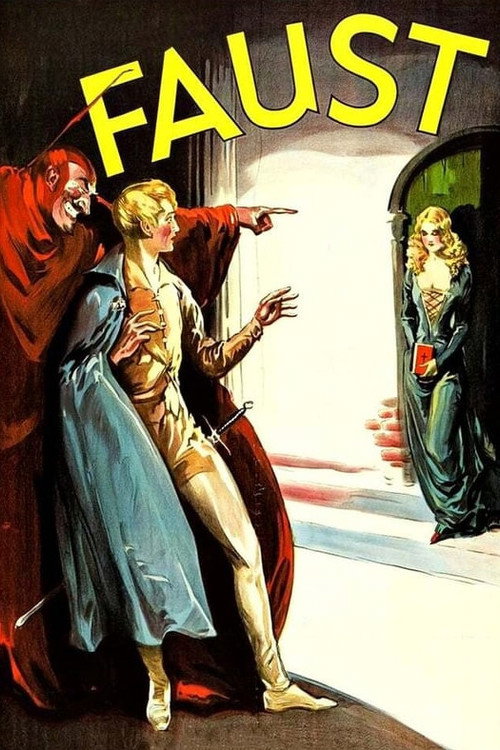
Faust1926
Murnau's baroque adaptation: Expressionist spectacle at maximum intensity. Spectacular demons, moral vertigo, and technical wizardry that still astonishes. A film that feels like watching someone's fever dream made manifest.
But Absurdly ornate and sometimes melodramatic. Some sequences feel more silly than scary. The philosophical weight can get lost in all the visual thunder.
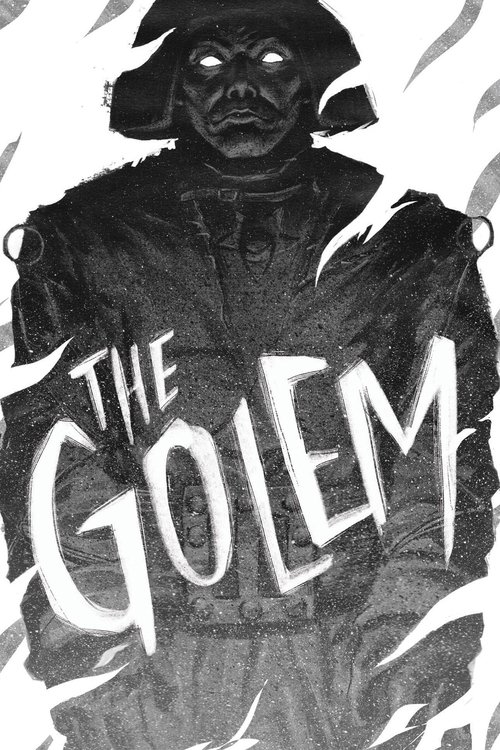
The Golem: How He Came into the World1920
A creation-as-catastrophe tale rendered in monumental Expressionist style: clay, darkness, and dread. Visually inventive and thematically prescient about the dangers of playing god with forces you don't understand.
But Slower and less psychologically complex than Secrets. The plot is relatively simple. If you want interior turbulence rather than external spectacle, this delivers less.
Synecdoche, New York2008
A contemporary film that achieves what Secrets attempted: using cinema's formal possibilities to make visible the dissolution of a mind. Where Secrets uses Expressionist distortion, Kaufman uses labyrinthine structure. Same goal: render psychological fragmentation as visual experience.
Kaufman's labyrinthine portrait of artistic obsession and ego collapsing into nightmare. A theater director builds a replica of New York inside a warehouse and loses himself in it entirely. Bewildering, profound, and formally reckless in the best way.
But Deliberately confusing and emotionally punishing. The narrative folds in on itself repeatedly. Many viewers feel lost rather than transported. Requires active intellectual engagement from start to finish.

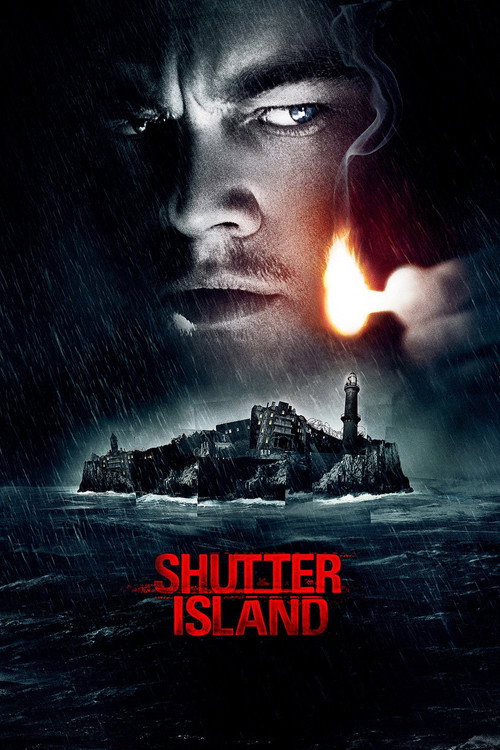
Shutter Island2010
A direct descendant of Secrets: the psychologically tormented male protagonist, the unreliable perspective, the question of whether the horror is external or internal. Where Secrets pioneered this, Shutter Island weaponizes it—but you can trace the DNA directly.
Scorsese's literary noir-horror about a detective investigating an asylum while his own sanity fractures. Gorgeously shot, brilliantly cast, and built around a central mystery that reframes everything once solved. A modern film that learned directly from films like Secrets.
But It's a puzzle box that some find clever and others find manipulative. Once you know the solution, some viewers feel cheated. The twist depends entirely on whether you trust the filmmaker's game.
People
Cast
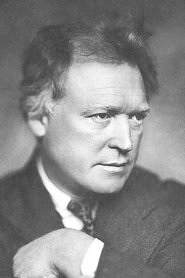 Werner KraussMartin Fellman
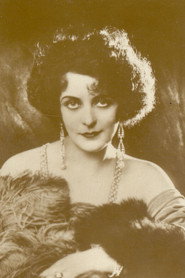 Ruth WeyherSeine frau
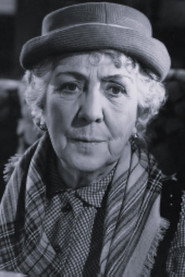 Ilka GrüningDie Mutter
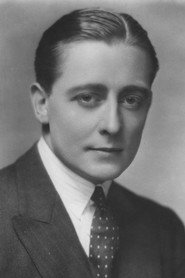 Jack TrevorErich
 Lili Damita(uncredited)
- Pavel PavlovDr. Orth (as Pawel Pawloff)
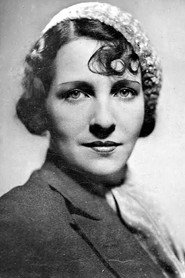 Hertha von WaltherFellmans Assistentin
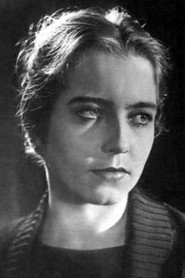 Renate BrausewetterDienstmaedchen
- Colin RossKriminalkommissar
Directing
- Marc SorkinAssistant Director
- G.W. PabstDirector
Writing
- Colin RossWriter
- Hanns SachsWriter
- Hans NeumannWriter
- Karl AbrahamWriter
Production
- Hans NeumannProducer
- Richard OrtliebProduction Manager