
Film
The Rite
Other titles called The Rite: the 1969 film.
A seminary student shipped to Vatican exorcism school discovers something genuinely unsettling lurking beneath the Church's polished surface. Part procedural, part slow-burn horror, The Rite sits in the gap between faith and doubt. It's for people who want their scares grounded in intellectual unease rather than jump scares—and who find the idea of institutional evil more terrifying than demons.
If you liked this
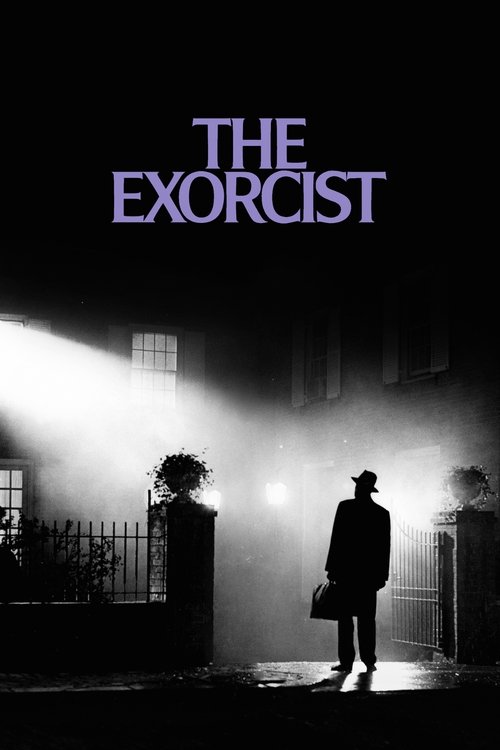
The Exorcist1973
The definitive exorcism film and a masterpiece of suggestion over spectacle. Watches like a procedural thriller that gradually tips into genuine dread. Essential viewing that still holds up.
But Slow paced and genuinely bleak. The horror works through implication rather than event, which can feel frustratingly restrained if you're hunting for scares.
Spotlight2015
A sober, methodical thriller about journalists uncovering institutional corruption within the Catholic Church. Propulsive and morally serious. Shows how horror lives in bureaucracy and complicity.
But No supernatural element—it's a procedural drama. If you need genre thrills, this is pure journalism and paperwork, however well done.

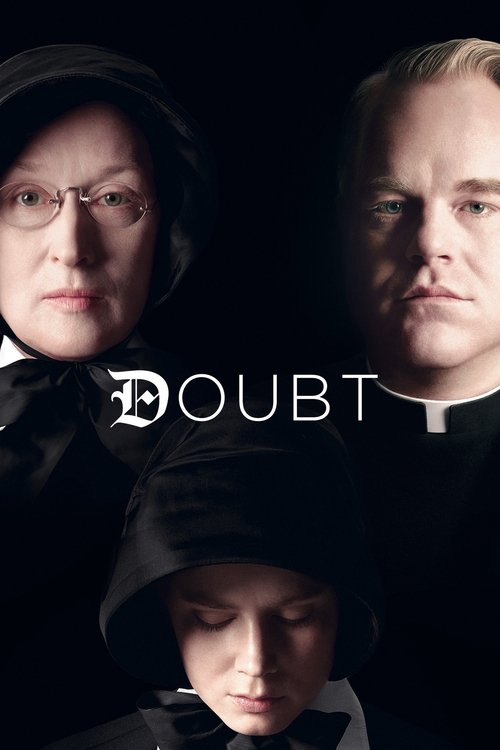
Doubt2008
Meryl Streep and Philip Seymour Hoffman in a locked-room moral thriller about suspicion, certainty, and the impossibility of absolute truth within the Church. Tense and philosophically rich.
But It's a chamber piece that ends in ambiguity. Nothing is resolved. If you want clarity or closure, this will frustrate you deliberately.
Not sure tonight? Get a pick in a minute, starting from The Rite
The wildcard
Something you would not have found on your own.
The Red Shoes1948
Both examine the emotional and spiritual cost of absolute commitment to a vocation—whether to the Church or to art. Both feature institutional pressure on vulnerable believers.
Powell and Pressburger's ballet-obsessed masterpiece about an artist caught between love and art, faith and desire. Every frame is rapturous. Uses color and movement as pure storytelling—nothing like The Rite formally, but built on the same backbone: institutions, vocation, and the price of devotion.
But It's a 1948 Technicolor ballet film. If you expect realism or contemporary pacing, the heightened, almost operatic emotion will feel overwrought.

More like this (8)
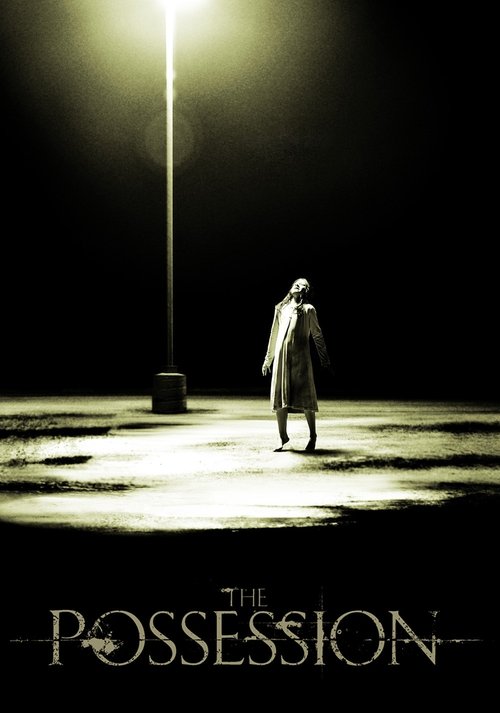
The Possession2012
A possession thriller that uses religious ritual as the framework but treats it as genuine belief rather than hokum. Unfolds with surprising gravity and has some genuinely unsettling moments.
But It's a more conventional horror film than The Rite and doesn't have quite the same intellectual edge or a star like Hopkins anchoring the disquiet.
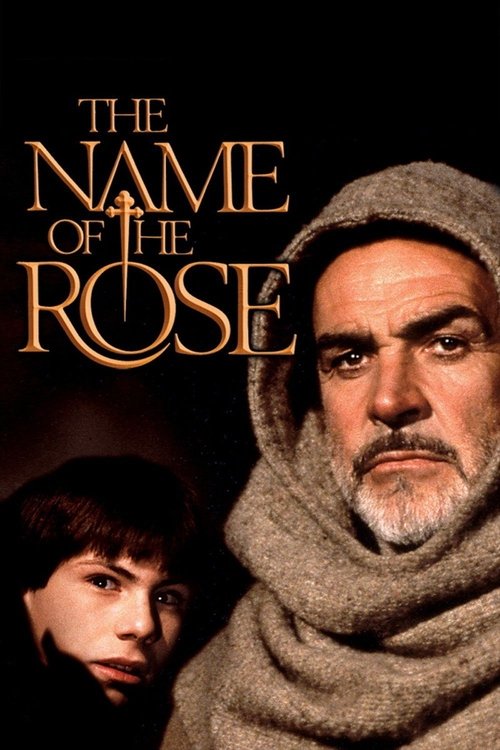
The Name of the Rose1986
Sean Connery as a medieval monk investigating murder in an isolated monastery. Dense, beautiful, intellectually complex. A mystery wrapped in theology and architectural menace.
But Three-and-a-quarter hours and unapologetically literary. The pacing is deliberate. If you want plot momentum, this asks for patience and attention.
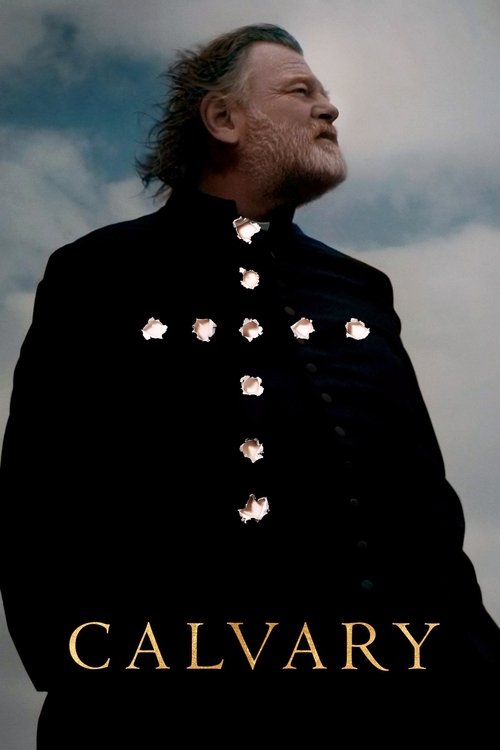
Calvary2014
Brendan Gleeson as a priest threatened with death by someone confessing in his confessional. A film about faith, sin, and endurance that moves from idea into unbearable tension. Stunningly acted.
But It's dark and philosophically punishing. There's no narrative comfort. The ending doesn't resolve anything—it just stops, which some find profound and others find exhausting.
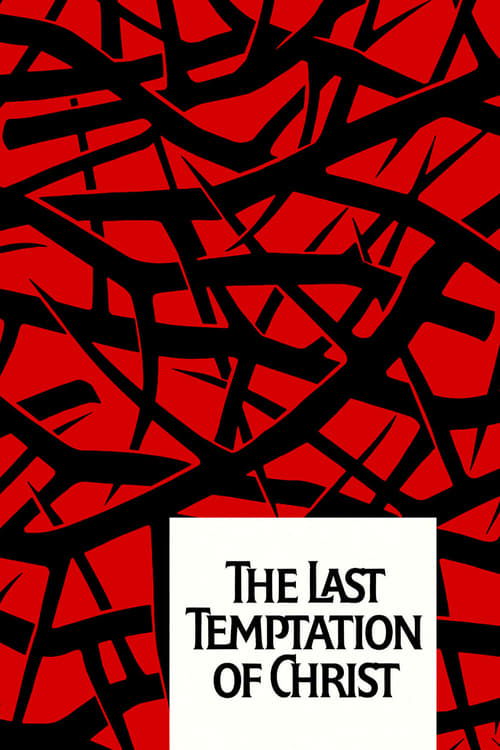
The Last Temptation of Christ1988
Scorsese's controversial meditation on faith, doubt, and institutional Christianity. Visually stunning and genuinely provocative about the gap between belief and doctrine.
But Divisive for religious reasons beyond just taste. Three-and-a-half hours and quite graphic. It's deliberately heretical in ways that will alienate some viewers.
Under the Skin2014
A sci-fi horror about an alien woman prowling Scotland. Hypnotic, strange, and built from mood and implication rather than plot. Visually extraordinary and unsettling in ways you won't expect.
But Essentially plotless and impenetrable. Long stretches without dialogue. If you want narrative clarity or conventional structure, this will feel like torture.

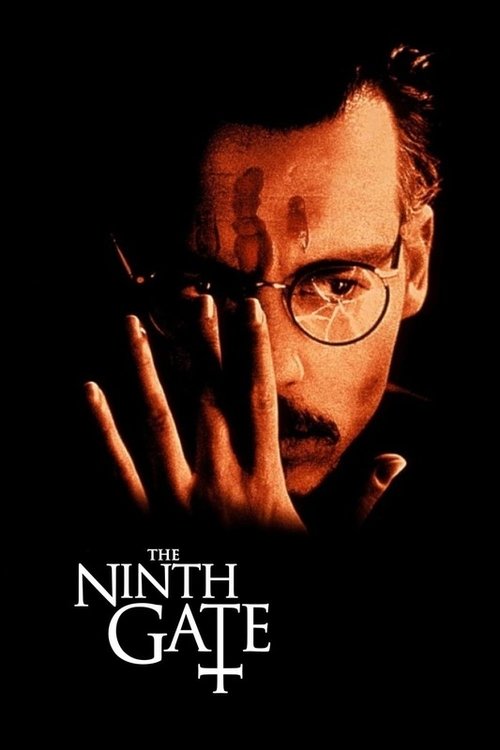
The Ninth Gate1999
Johnny Depp hunting a cursed book through European antiquarian circles. Gothic, weird, genuinely strange. Polanski's most fun film and full of occult atmosphere without taking itself too seriously.
But It's frankly silly in places and the ending is deliberately ambiguous. If you want coherent horror logic, this abandons it for style.
The Seventh Seal1957
Both use religious ritual and theology as the real subject beneath surface narrative. Both ask what faith means when the universe is silent.
Bergman's knight playing chess with Death during the plague. A film about faith, doubt, and the absence of answers. More visually austere than The Rite but asking the same questions about suffering and belief through ritual and ceremony.
But Black and white, 1957, Bergman. It moves at its own pace and offers no comfort. Demands active engagement, not passive watching.

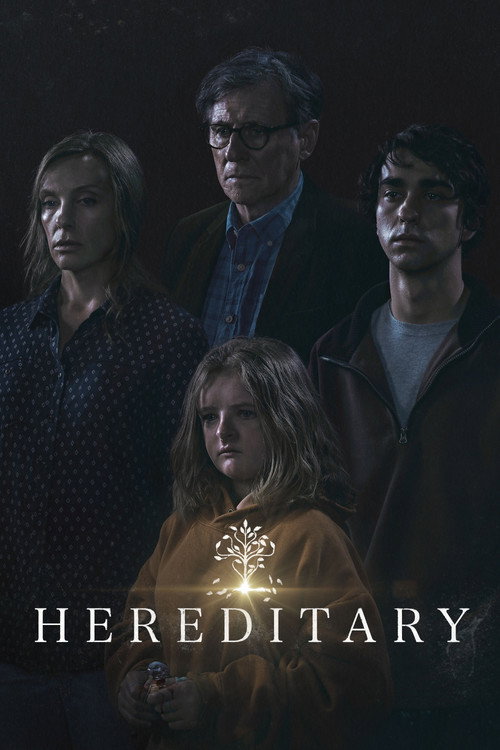
Hereditary2018
Both suggest that evil might be structural rather than individual—something woven into institutions (family, church) rather than fought from outside. Both feature an older mentor figure initiating a younger character into terrible knowledge.
A family horror film where the terror comes from psychology, inheritance, and the possibility of supernatural forces working through bloodline. Toni Collette gives the most naked performance of fear and powerlessness in modern horror. Structurally it moves from grief into something darker.
But Genuinely disturbing and features scenes of graphic violence and family trauma. The horror is rooted in real suffering, not entertainment. Some find it punishing rather than cathartic.
People
Cast
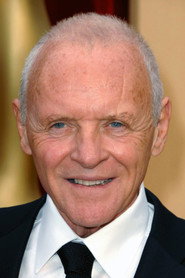 Anthony HopkinsFather Lucas Trevant
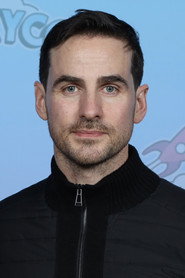 Colin O'DonoghueMichael Kovak
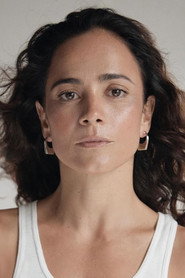 Alice BragaAngeline
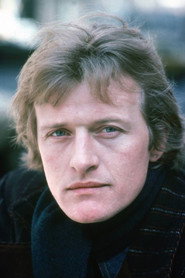 Rutger HauerIstvan Kovak
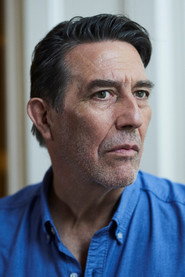 Ciarán HindsFather Xavier
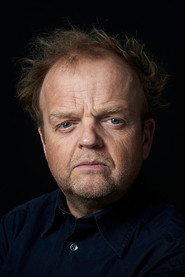 Toby JonesFather Matthew
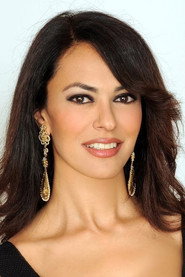 Maria Grazia CucinottaAunt Andria
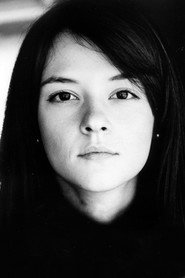 Marta GastiniRosaria
- Arianna VeronesiFrancesca
 Andrea CalligariVincenzo
 Torrey DeVittoNina
Directing
- Mikael HåfströmDirector
- Sean GuestFirst Assistant Director
- Dóra SimkóScript Supervisor
- Bogi MóriczSecond Assistant Director
- James Andrew HavenSecond Assistant Director
- Senica BillingsleySecond Assistant Director
- Gergo FulopSecond Second Assistant Director
- John GreavesSecond Unit Director
- Jessica Hurles-LawsSecond Unit First Assistant Director
- Linda MariánThird Assistant Director
Writing
- Matt BaglioNovel
- Michael PetroniWriter
Production
- Caitlin McKennaADR Voice Casting
- Deborah AquilaCasting
- Tricia WoodCasting
- Christy FletcherCo-Producer
- Emma ParryCo-Producer
- Mark TuohyCo-Producer
- Father Gary ThomasConsulting Producer
- Merideth FinnExecutive Producer
- Richard BrenerExecutive Producer
- Robert BernacchiExecutive Producer
- Beau FlynnProducer
- Tripp VinsonProducer
- Mária UngorProduction Manager
- Vito ColazzoProduction Manager
- Elena ZokasUnit Production Manager
- Robert BernacchiUnit Production Manager