
Film
Uncle Vanya
Other titles called Uncle Vanya: the 1963 film, the film in development.
- Drama
- Slow-burning
Chekhov's masterpiece about spiritual exhaustion and the gap between dream and reality, filmed with stark intimacy by Andrei Konchalovsky. Four acts of quiet devastation: a country doctor, a rural manager, a professor's young wife, all trapped in cycles of longing they cannot break. It moves like life itself—sometimes maddening, often heartbreaking, occasionally funny in that rueful Russian way. For anyone who's felt time slip away.
If you liked this
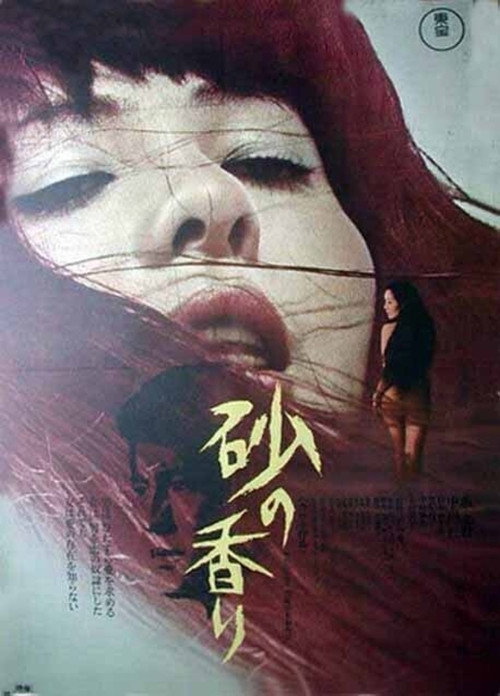
The Night of the Seagull1968
Konchalovsky's other Chekhov adaptation, similarly austere and hypnotic. Captures that same atmosphere of thwarted ambition and artistic yearning. If Uncle Vanya grabs you, this one deepens the spell.
But It's even more plotless than Uncle Vanya—nearly three hours of people circling each other's pain. Some will find it glacial.
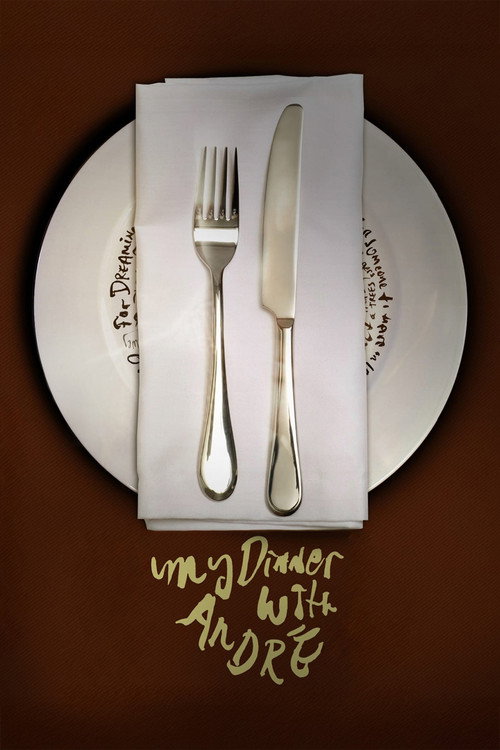
My Dinner with Andre1981
Two men talking about life, regret, meaning, and whether any of it matters. Shares Uncle Vanya's DNA: no action, just souls colliding. Wallace Shawn and Andre Gregory make it theatrical and utterly gripping.
But It's literally just dinner conversation. If you need plot movement or external stakes, this will feel like penance.
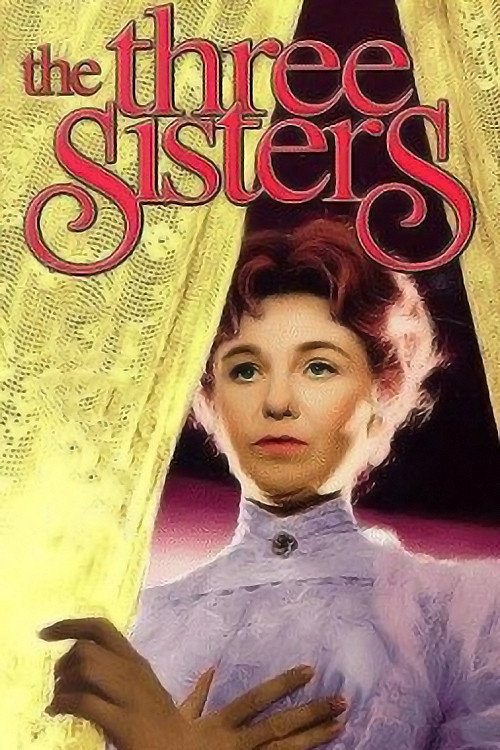
The Three Sisters1966
Laurence Olivier leads this BBC Chekhov. Slightly more accessible than Uncle Vanya but same emotional architecture: dreams deferred, time running out, the cruelty of ordinary life. Gorgeous, clear-eyed production.
But 1960s television production values can feel stiff. The formality works against intimacy for some viewers.
Not sure tonight? Get a pick in a minute, starting from Uncle Vanya
The wildcard
Something you would not have found on your own.
In the Mood for Love2000
Both are about the unbridgeable distance between what people feel and what they can express or act on. Both capture longing as a permanent state.
Wong Kar-wai's film about two neighbours in 1960s Hong Kong discovering their spouses are having an affair. Like Uncle Vanya, it's about desire that cannot be consummated and time running out. But it's visual poetry, ravishingly coloured, where Vanya is austere. Same heartbreak, different language.
But Extremely stylised, sometimes to the point of artifice. If you want realism, this is the opposite. Also quite slow and repetitive by design.

More like this (8)
Ikiru1952
A man confronts mortality and wasted years. Kurosawa's answer to the Chekhov question—what remains when life has passed you by? The emotional logic is identical, the cinematography is magnificent.
But It's bleak in a way that requires patience. Long sequences of quiet devastation without catharsis.

Tokyo Story1953
Ozu's masterpiece: an aging couple visit their son in Tokyo. Nothing happens in the plot sense. Instead we watch small rituals, family dynamics, the ache of time passing. It's Chekhov in Japanese miniature.
But Deliberately slow. Shot with static camera and almost no music. Feels hermetically sealed from conventional cinema.

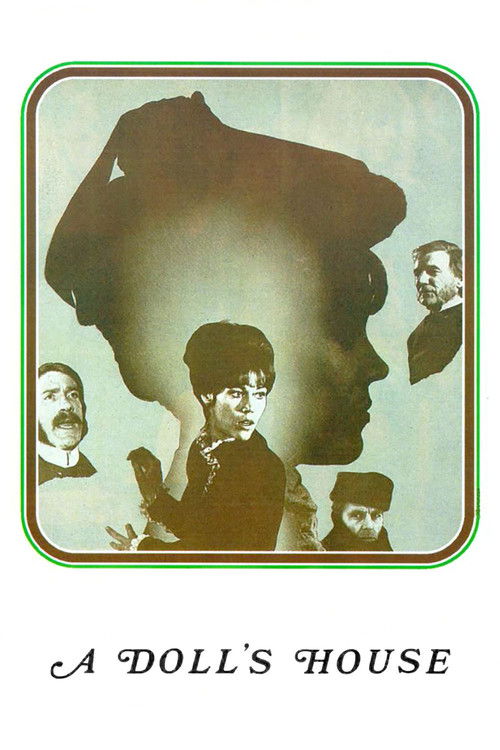
A Doll's House1973
Recent Ivo van Hove production with Daisy Heads. Ibsen shares Chekhov's interest in lives lived under false pretences. This version strips away sentiment, makes the emotional violence clear and contemporary.
But Van Hove's aesthetic is stark and sometimes cold. The naturalism can feel austere rather than warm.
Stalker1979
Tarkovsky's film about men pursuing meaning and desire. Philosophically dense but emotionally in the same territory as Uncle Vanya—the gap between wanting and having, the illusion of answers. Hypnotic.
But 160 minutes of deliberate pacing. If you're allergic to ambiguity or slowness, this is a trial.

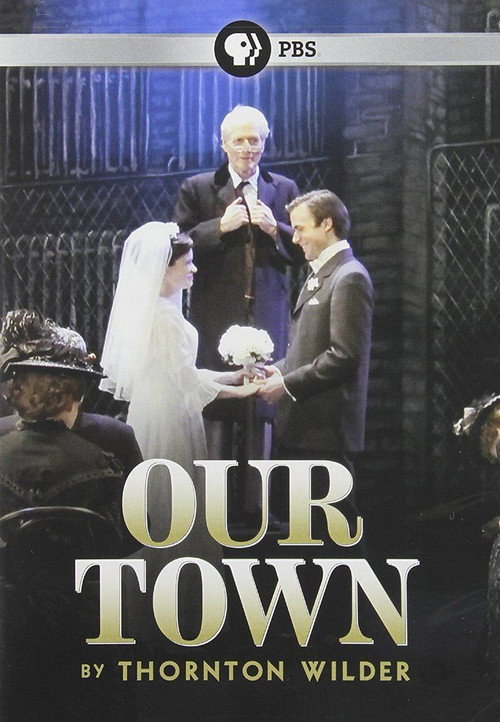
Our Town2003
Paul Newman and James Garner in a spare, television version of Thornton Wilder's play. American equivalent to Uncle Vanya: ordinariness observed with tenderness. Deep wells of quiet feeling.
But Made for PBS. Lower production values and a certain earnestness that can feel dated or sentimental.
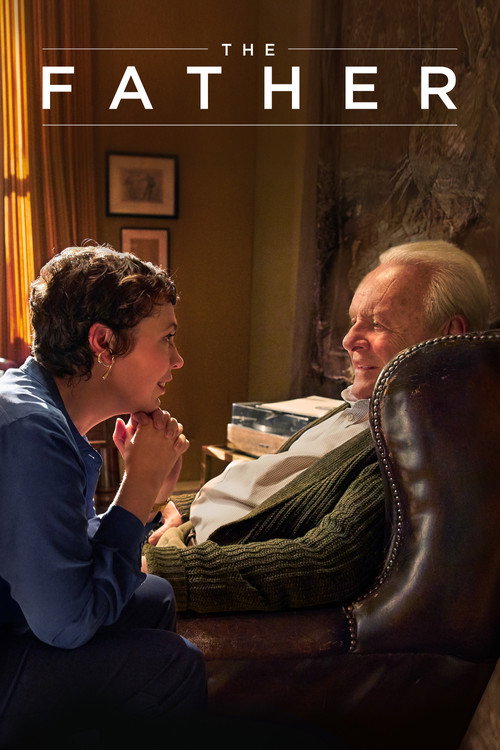
The Father2020
Anthony Hopkins in a Florian Zeller play about dementia and family strain. Psychologically fractured, emotionally raw. That same sense of people trapped together, unable to reach each other.
But Formally tricky and occasionally bewildering. The disoriented perspective can feel like a trick rather than insight.
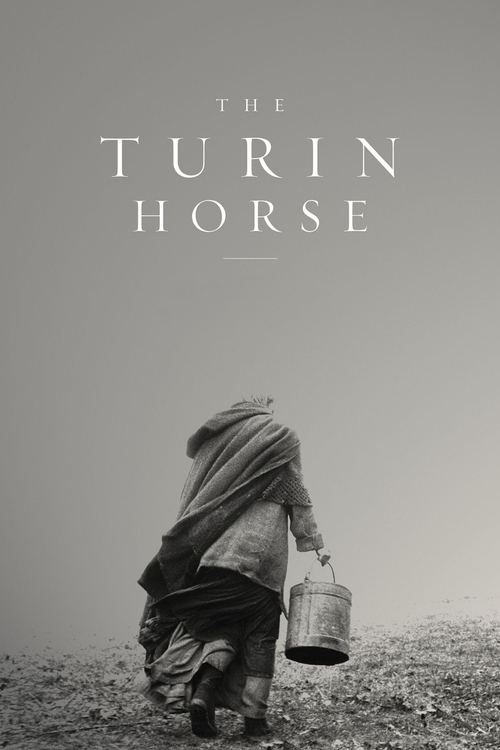
The Turin Horse2011
Both see human smallness in the face of time and change. Both refuse false consolation. But where Vanya is tragedy, Turin Horse is something closer to cosmic despair.
Béla Tarr's final film, in black and white, shot in huge static frames. It follows a philosopher's last days in a declining world. Feels like Chekhov viewed through apocalyptic eyes—same mood of exhaustion, but the world itself is dying. Overwhelming and strange.
But Deliberately depressing, visually monotonous, 146 minutes of entropy. Not entertainment. Not even close.
In the Mood1987
Both use ensemble structure to show how personal suffering occurs in private space, untouched by grand events. Both suggest that individual longing is indifferent to circumstance.
Hungarian miniseries adapted from a Miklós Szabó screenplay. Follows interconnected lives in wartime, where desire and private feeling collide with history. Chekhov's emotional structure but in historical darkness. Hypnotic and almost completely unknown outside Hungary.
But Obscure, difficult to find, in Hungarian (subtitled). No major stars. The pacing is extremely deliberate.
People
Cast
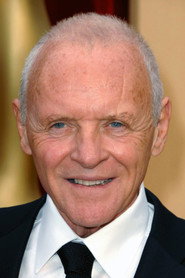 Anthony HopkinsAstrov
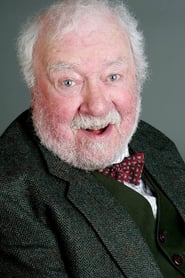 Freddie JonesVanya
- Ann BellYelena
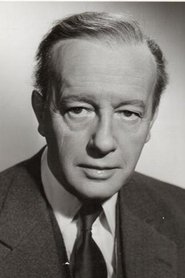 Roland CulverSerebriakov
- Jenifer ArmitageSonia
 Anne DysonMaryia
- John BaskcombTelyeghin
- Richard BealeWorkman
- Edmond BennettNightwatchman
 Stacey TendeterMaid
Directing
- Christopher MorahanDirector
Writing
- Anton ChekhovTheatre Play