
Film
Uncle Vanya
Other titles called Uncle Vanya: the 1970 film, the film in development.
- Drama
- Slow-burning
Laurence Olivier and Michael Redgrave anchor this Chichester Festival production of Chekhov's masterpiece about stalled lives and quiet desperation on a Russian estate. It's unhurried, deeply felt chamber drama—no explosions, all erosion. For anyone who finds meaning in a glance, a hesitation, the weight of roads not taken.
Should you watch it?
Watch it if you love talky, character-driven plays where a family's quiet resentments and lost hopes unfold in close rooms, and you relish actors who can make a sigh land like a blow.
Skip it if you need brisk plotting or cinematic momentum, since this is slow and wordy, little happens on screen, and the stage origins show in every long pause.
What it asks of you: Two hours of patience with long silences and a lot of people talking in rooms, with the mood sinking slowly rather than lurching.
Not sure? Find tonight's pick in a minute.
If you liked this
The Night of the Seagull1968
Another Chichester Chekhov with overlapping cast and the same actors-in-their-prime wisdom. Slower, more melancholic, equally about the gap between ambition and reality. A perfect companion piece.
But If you found Uncle Vanya static, this will feel even more so. Long takes on people feeling nothing. Not for anyone wanting plot momentum.
The Three Sisters1966
Olivier again in Chekhov, this time as Versinin. It has Uncle Vanya's ensemble feeling but more formal tragedy—three women and the life that passes them by. Laurence Olivier at peak intelligence.
But At 168 minutes it's genuinely demanding. The structure repeats itself across acts. Patience isn't optional here.
Ivanhoe1997
Chekhov's earlier, fiercer play about a man collapsing under the weight of his own listlessness. More brutal than Uncle Vanya, angrier. Introduces the psychological pressure cooker he'll perfect later.
But It's rougher, more obviously constructed. If you like Chekhov's mysterious quiet, this explicit despair might feel clumsy by comparison.
Not sure tonight? Get a pick in a minute, starting from Uncle Vanya
The wildcard
Something you would not have found on your own.
Black Narcissus1947
Both use confinement—geographical and spiritual—to illuminate the unbearable gap between what we want and what we'll allow ourselves to have. Both understand that restraint is its own kind of scream.
Powell and Pressburger's Technicolor fever dream about nuns on an isolated mountaintop where desire and duty collide. Zero dialogue wasted, every frame saturated with psychological pressure. It's Uncle Vanya's emotional temperature in a different language entirely—visual, strange, devastating.
But It's aestheticized and artificial in a way 1963 Chekhov is not. The melodrama is deliberate and sometimes verges on camp. If you came for naturalism, this is its opposite.
More like this (7)
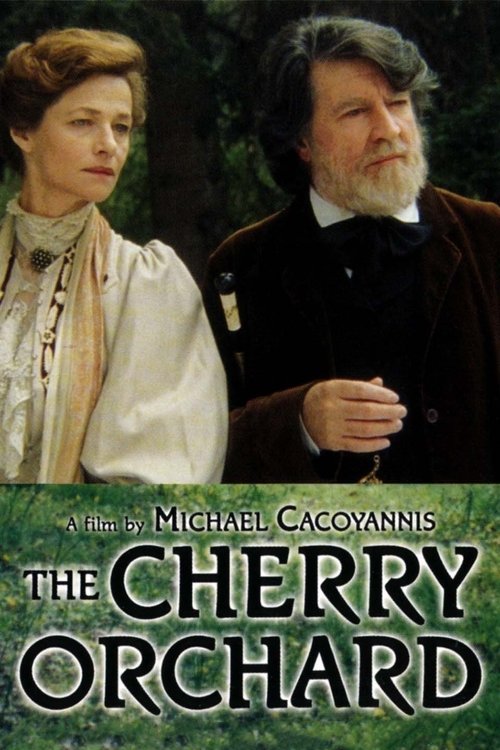
The Cherry Orchard1999
Michael Cabot-Corey's production with Frances de la Tour. Chekhov's final play, most famous, about a family losing their estate. Same heartbreak, different form—more overtly comic, more obviously tragic.
But The comedy can tip into farcical for modern audiences. And if you want to experience Chekhov unadorned, this version sometimes emphasizes the tragicomedy too heavily.
The Remains of the Day1993
Anthony Hopkins as a man realizing decades too late what he sacrificed for duty. Same architecture as Uncle Vanya—regret, paralysis, the terrible clarity that comes when it's too late. Heartbreaking without melodrama.
But British restraint can feel cold. It's about emotion through non-expression, which some find frustrating rather than moving.

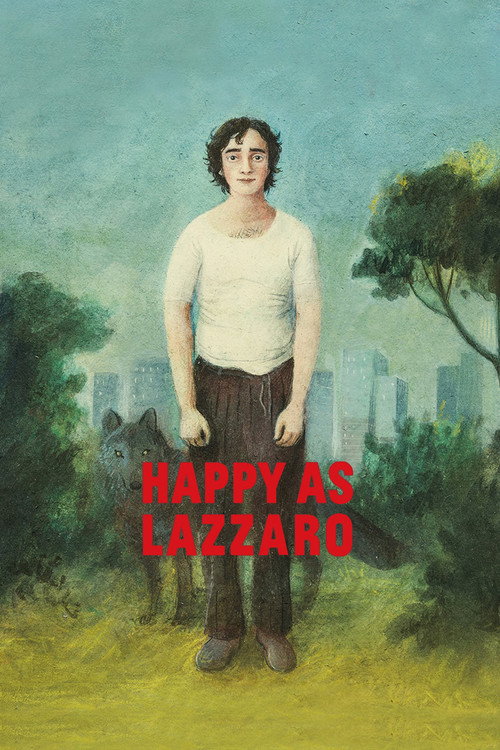
Happy as Lazzaro2018
Alice Rohrwacher's film about a man unmoved by change, stuck in feudal time while the world shifts. Like Uncle Vanya, it finds transcendence in stillness and the strange wisdom of those who don't strive.
But Deliberately paced, almost hallucinogenic. It asks you to sit with strangeness rather than resolve it. Not everyone's patience goes there.
Stalker1979
Tarkovsky's science fiction masterpiece about a guide leading two men through a mysterious zone. Like Uncle Vanya, it's about desire, futility, and the unbridgeable distance between what we want and what we'll get.
But At 163 minutes, it moves at glacial pace. Science fiction fans expecting plot will be baffled. It's philosophy, not adventure.

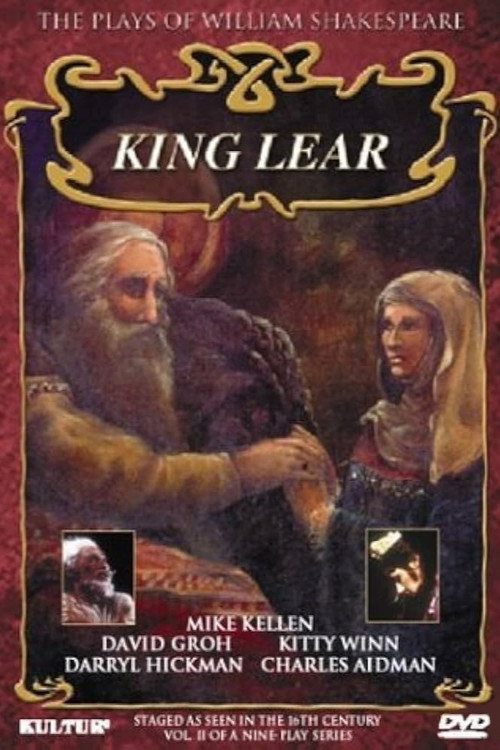
The Tragedy of King Lear1982
Laurence Olivier's final great Shakespearean role, filmed with maximum intimacy. Like Uncle Vanya, it's about age, betrayal, and a man watching his world collapse. A companion to Chekhov through the same actor's eyes.
But Olivier's naturalistic approach to Shakespeare can feel dated now. And the play itself is more baroque, less subtle than Chekhov—if you love Uncle Vanya's whisper, this shouts.
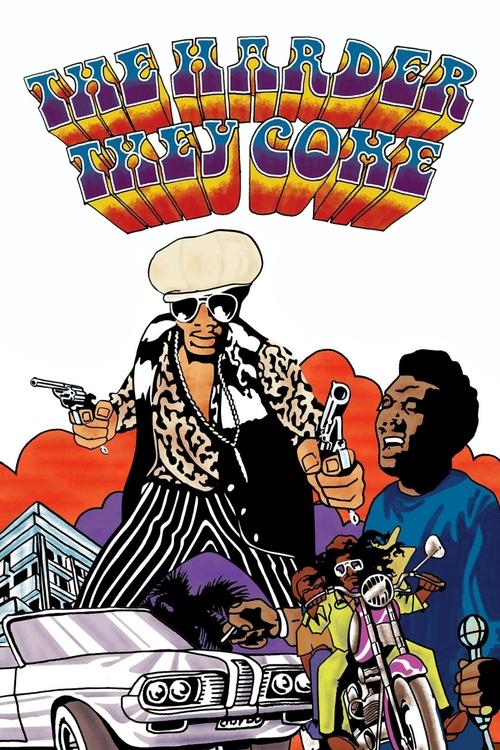
The Harder They Come1972
Both are about the collision between romantic hope and systemic immovability. A man convinced he can change things, slowly realizing the machinery is too large. But one whispers and one explodes.
Jamaican crime film, reggae soundtrack, raw energy—and yet structurally identical to Uncle Vanya: a man arrives believing in transformation, encounters a corrupt system, slowly realizes he cannot escape. The same tragedy dressed in a completely different body.
But It's violent and angry where Chekhov is quiet. The surface couldn't be more unlike. And it's grindhouse cinema, not art cinema, which some will dismiss reflexively.
In the Mood for Love2000
Both understand that the most devastating moments are the ones we don't act on. Desire thwarted not by evil but by circumstance, decorum, the space between two people that cannot be crossed.
Wong Kar-wai's film about two neighbors discovering their spouses are having an affair. Formally gorgeous, almost no plot, entirely composed of glances and near-touches. Chekhov's stalled yearning filtered through mise-en-scène so precise it feels like music.
But Some find it self-consciously beautiful to the point of emptiness. Very slow. If you need clarity or resolution, this film refuses both.

People
Cast
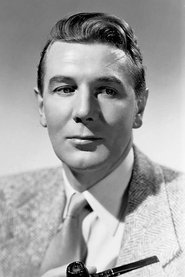 Michael RedgraveUncle Vanya
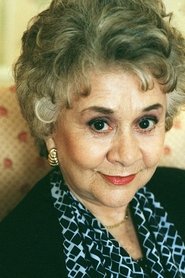 Joan PlowrightSonya
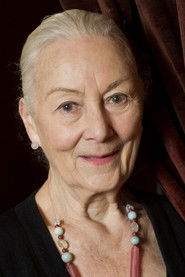 Rosemary HarrisYelena
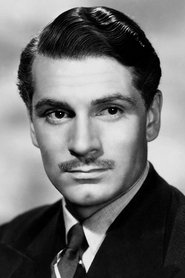 Laurence OlivierDr. Astrov
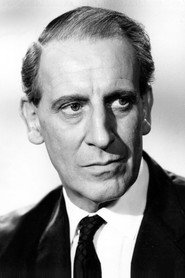 Max AdrianProf. Alexander Serebryakov
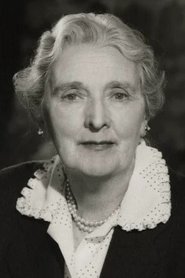 Sybil ThorndikeMarina, the nurse
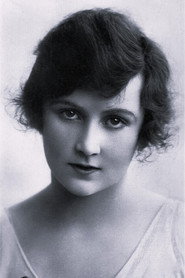 Fay ComptonMarya, the mother
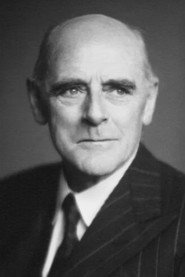 Lewis CassonTelyegin
 Robert LangYefim
Directing
- Laurence OlivierDirector
- Stuart BurgeDirector
Writing
- Anton ChekhovTheatre Play
- Constance GarnettTheatre Play
Recommended by
Mothering Sunday, The Three Sisters, Three Sisters, The Queen of Spades, Orphans