
Film
Three Sisters
- Drama
- Slow-burning
Laurence Olivier's 1970 staging of Chekhov's masterpiece captures three sisters marooned in provincial Russia, trapped between memory and possibility. This is Chekhov at full depth: a film that moves at the pace of real longing, where the smallest gestures carry the weight of wasted years. For viewers hungry for acting of devastating subtlety and drama that trusts silence.
If you liked this
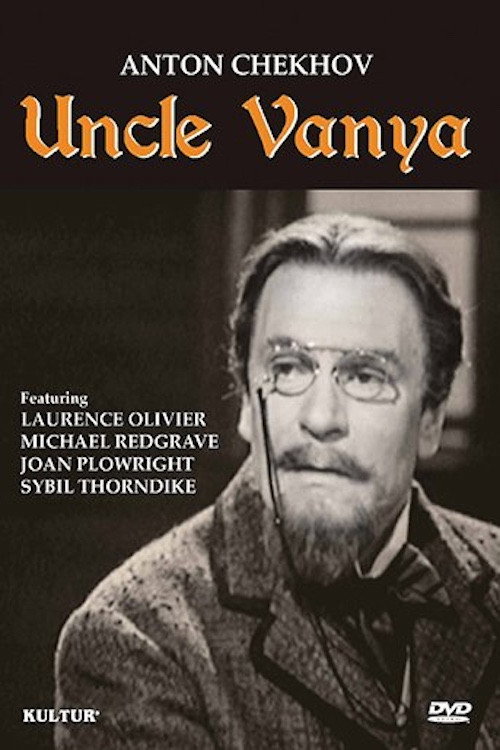
Uncle Vanya1963
Another Chekhov chamber piece about regret and paralysis, with similar emotional texture but a different family's slow realization that their lives won't change. Andriy Mykolaenko's adaptation has the same generous pacing and ensemble depth.
But If you found Three Sisters glacial, this won't quicken the pace. It's even quieter about its devastation, and the rewards are entirely interior.
Stalker1979
Tarkovsky's meditative sci-fi about three men traveling toward a mysterious room shares Chekhov's faith in duration and silence. It's also a Russian story about longing and the gap between what we imagine and what exists.
But Slower than Three Sisters. If you're impatient with philosophical pacing, this will test you further. Nearly three hours of walking and talking.

The Night of the Seagull1968
Sofi Proskurina directs Chekhov's other great ensemble tragedy. Similar structure—a house, a gathering, thwarted artists, impossible loves—but sharper emotional edges. A perfect companion piece to understand Chekhov's range.
But It's Chekhov again, so the formal DNA is identical. If you want to escape his world entirely, this doubles down rather than offering relief.
Not sure tonight? Get a pick in a minute, starting from Three Sisters
The wildcard
Something you would not have found on your own.
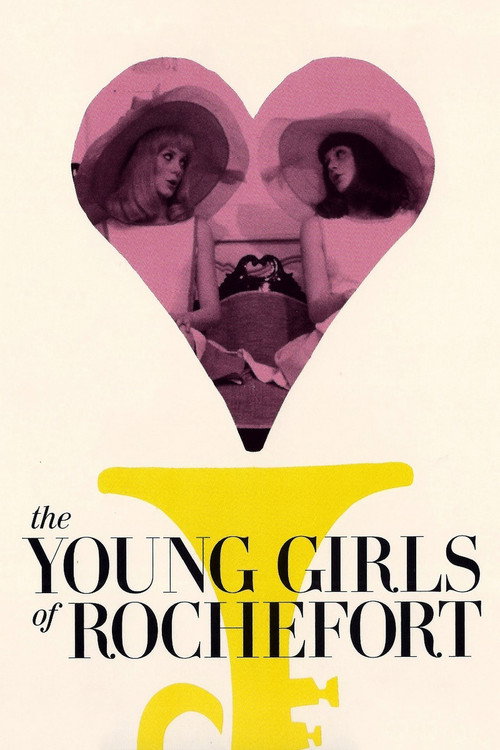
The Young Girls of Rochefort1967
Both hinge on three sisters; both examine the gap between what women imagine their lives will be and what actually happens, but through opposite emotional registers.
Demy's musical exuberance seems the opposite of Chekhov's restraint, but it's another film about three women and the distance between possibility and reality. Here, the sisters are searching for meaning through fantasy and love. Where Chekhov mourns the gap, Demy celebrates it.
But Tonally jarring if you expect tragedy. It's sentimental and colorful, with musical numbers. Some find Demy's optimism dishonest.
More like this (8)
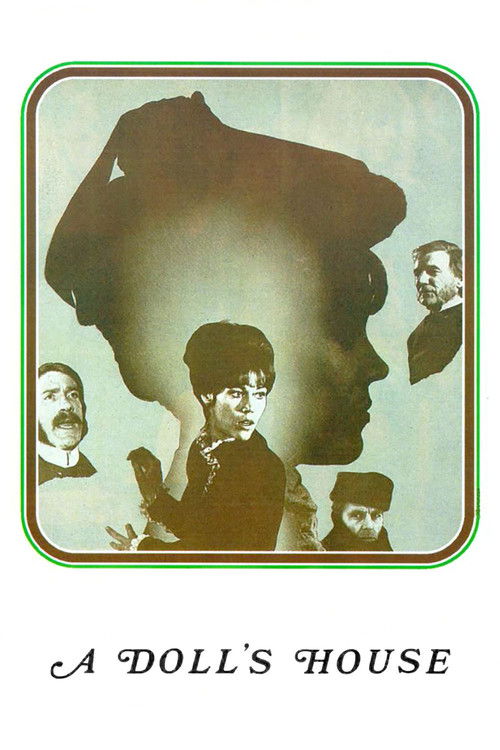
A Doll's House1973
Ibsen's play about constraint and the need to escape resonates with the sisters' paralysis. Joseph Losey's film has similar weight and a more explosive ending, but shares that suffocating sense of time running out.
But Tonally colder than Three Sisters. Where Chekhov finds tenderness in resignation, Ibsen finds fury. Some find it preachy compared to Chekhov's ambiguity.
Pather Panchali1955
Ray's portrait of a family's slow decline in India has Chekhov's compassion and belief that ordinary life contains tragedy. The same unhurried observation of how people endure small defeats.
But The setting and culture are entirely different, so if you love Three Sisters specifically for its Russian textures, this requires a leap of faith.

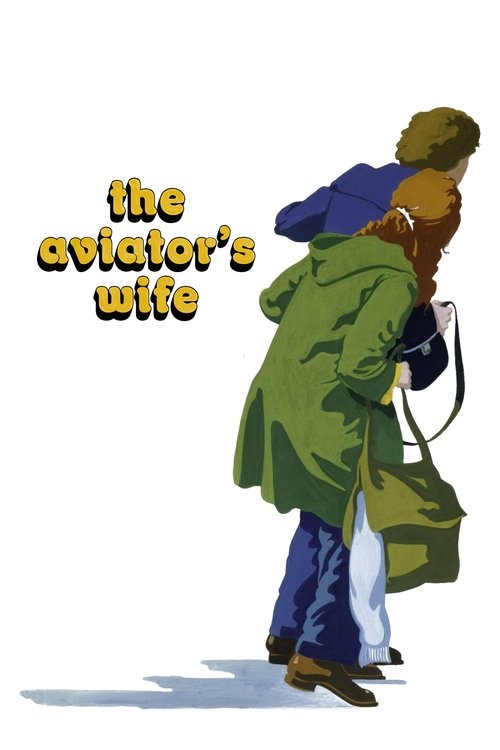
The Aviator's Wife1981
Rohmer's meditation on a woman's marriage and her sister captures similar tensions between duty and desire, repetition and possibility. Much lighter in tone, but structurally similar in its attention to how women navigate limited choices.
But Completely different register—witty rather than tragic, sunny rather than melancholy. The emotional stakes feel smaller by design.
In the Mood for Love2000
Wong Kar-wai's film about two neighbors discovering an affair distills Chekhov's preoccupation: the gap between desire and action, longing held behind closed doors. Visually sumptuous where Three Sisters is austere, but emotionally similar.
But If you appreciate Three Sisters for its restraint and realism, this stylization might feel mannered or obscuring by comparison.

La Haine1995
Mathieu Kassovitz's 24-hour immersion in three friends' lives in Paris captures ensemble dynamics and social entrapment. Where Chekhov examines stasis, this examines rage at stasis, but the portraiture is equally precise.
But Structurally different—more propulsive and genre-adjacent. If you came to Three Sisters for quietude, this will feel restless and hostile by comparison.

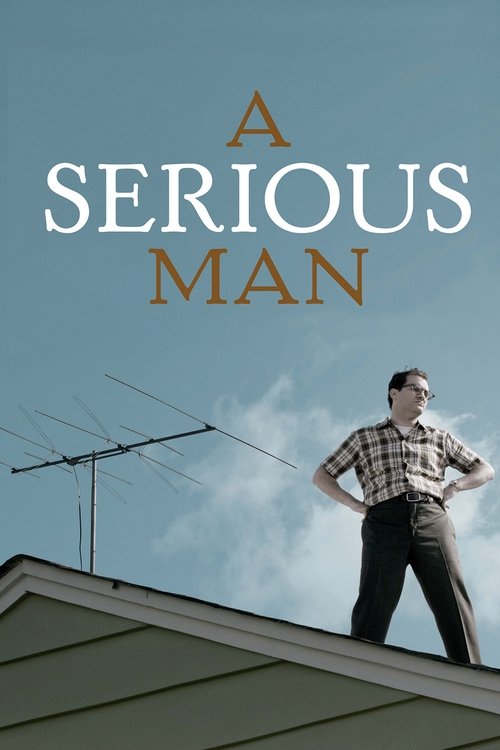
A Serious Man2009
The Coens' dark comedy about a man watching his life disintegrate shares Chekhov's sense that suffering is ordinary and often pointless. Similar attention to how people sustain small humiliations without much fanfare.
But Comedic rather than tragic, which some find glib as a response to real suffering. The Jewish-American Midwest setting is far from Chekhov's world.
Krisha2016
Same Eastern European atmosphere and philosophical pessimism, same refusal to explain or resolve, same belief that watching people endure is cinema's highest calling.
Zvyagintsev's Ukrainian film about a family moving into an unfinished house they've built captures Chekhov's texture—ordinary life, quiet disaster, people enduring without resolution. Shot in amber-colored light that feels both mythic and documentary-real. Devastatingly patient.
But No traditional plot. It's nearly all observation. If you need dramatic incident or narrative momentum, this will frustrate you. Also, it's bleak without offering meaning.

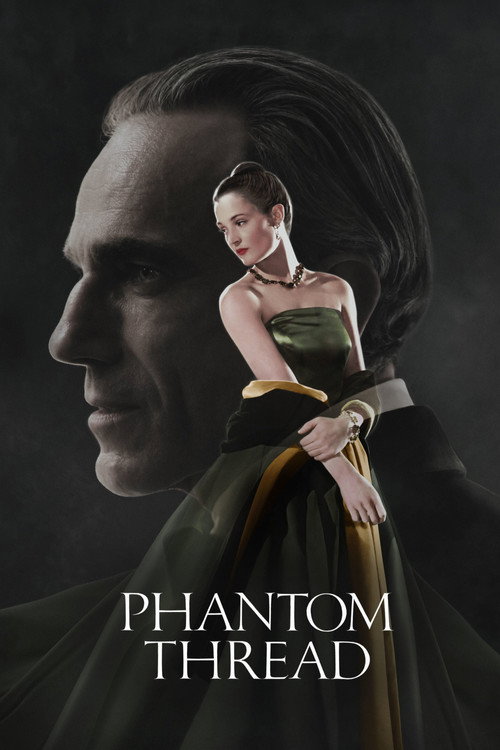
Phantom Thread2017
Both use duration and restraint to examine how people perform their lives within constraint, and both feature women trapped not by circumstance but by their own complicity.
Anderson's film about obsession and the performance of marriage moves like Chekhov—slow, hypnotic, all subtext—but in haute couture rather than provincial Russia. A woman navigating the impossible man in her life through silence and tiny gestures. Three and a half hours that feel necessary.
But Contemporary and formally artificial where Three Sisters is timeless and naturalistic. If you want emotional authenticity over style, this is too composed, too mannered. Also, the central relationship is unsettling by design.
People
Cast
- Jeanne WattsOlga
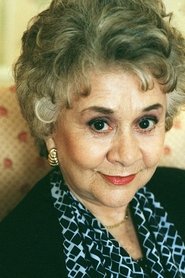 Joan PlowrightMasha
- Louise PurnellIrina
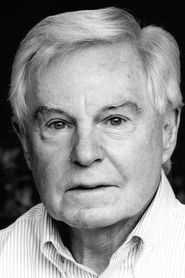 Derek JacobiAndrei
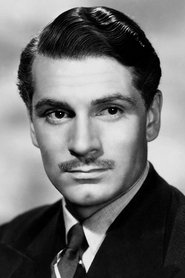 Laurence OlivierDr. Ivan Chebutikin
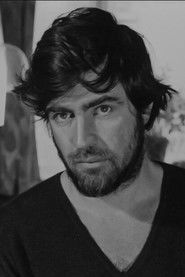 Alan BatesCol. Vershinin
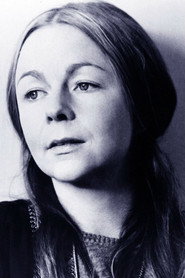 Sheila ReidNatasha
- Kenneth MacKintoshKulighin
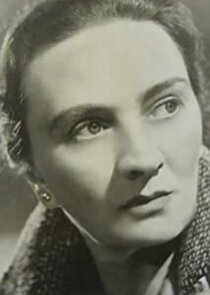 Daphne HeardAnfissa the Nana
- Harry LomaxFerrapont the Watchman
- Judy WilsonServing Maid
- Mary GriffithsHousemaid
Directing
- Simon RelphAssistant Director
- John SichelCo-Director
- Maggie UnsworthContinuity
- Laurence OlivierDirector
- Nigel WoollSecond Assistant Director
- Michael GreenThird Assistant Director
Writing
- Moura BudbergAdaptation
- Anton ChekhovTheatre Play
Production
- James C. KatzAssociate Producer
- Jim ShieldsAssociate Producer
- Timothy BurrillAssociate Producer
- Alan CloreExecutive Producer
- John GoldstoneProducer