
Film
The Aviator's Wife
A Paris student becomes obsessed with tracking his unfaithful girlfriend and her airline pilot lover, following them through the city in a spiralling descent from heartbreak to absurdity. Eric Rohmer's film is comedic and painful by turns, a precise study of jealousy and self-deception told almost entirely in public spaces. It's for anyone who's ever been hurt enough to do something ridiculous.
If you liked this
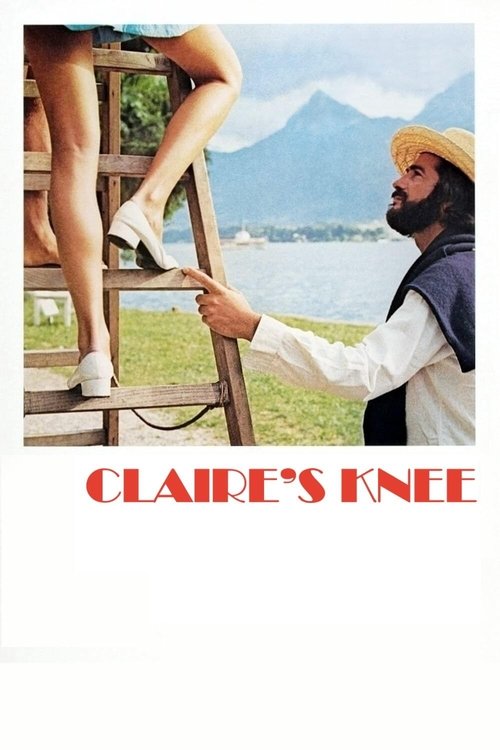
Claire's Knee1970
Another Rohmer film about romantic obsession, where a man becomes fixated on a young woman's knee. It has the same elegant, conversational tone and the same tragicomedy of desire outrunning sense.
But Very little happens in a plot sense. If you need external conflict or dramatic momentum, this will feel static.
Stolen Kisses1968
Truffaut's tender follow-up to The 400 Blows, where Antoine Doinel navigates love, work, and disillusionment in Paris. Same city, same era, same generous humour about romantic missteps.
But The 1960s Paris romanticism might feel dated if you're not in the mood for it. The pacing is deliberate.

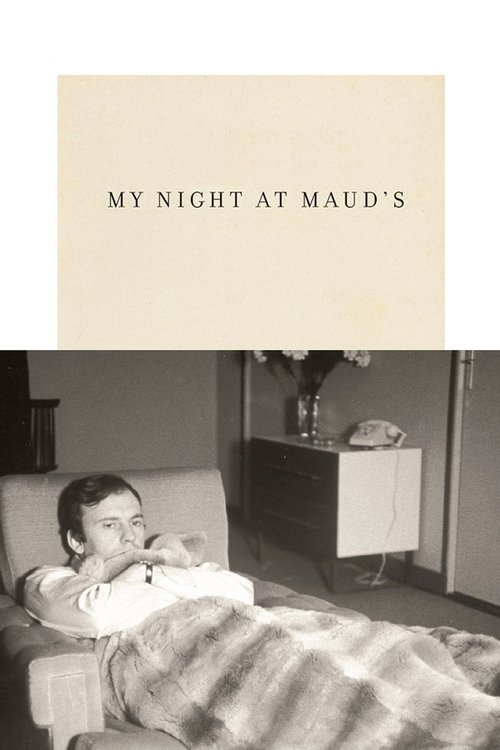
My Night at Maud's1969
Rohmer again, this time a philosophical Christmas-time romance built almost entirely from conversation. It shares The Aviator's Wife's faith that talk, observation, and moral complexity are enough.
But Genuinely slow. Long dialogue scenes about belief and desire will test your patience if you want plot.
Not sure tonight? Get a pick in a minute, starting from The Aviator's Wife
The wildcard
Something you would not have found on your own.
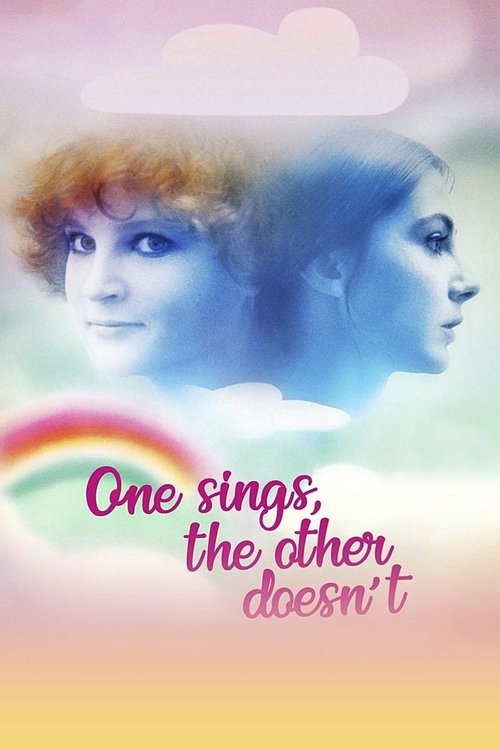
One Sings, the Other Doesn't1977
Both films are precise French character studies from the 1970s-80s interested in how desire and choice quietly reshape ordinary lives. But where Rohmer watches a man spiral into jealousy, Varda watches women choose autonomy.
Agnès Varda's radical film about female friendship and autonomy across a decade, told through song and serialised storytelling. It's about how women navigate desire, independence, and each other—completely different from Rohmer's male gaze, but equally committed to how choices reshape lives.
But Unconventional structure with musical numbers. If you expect narrative realism, it will seem strange and slow.
More like this (8)
Contempt1963
Godard's film about a marriage collapsing in Rome, with betrayal, surveillance, and the gap between what we think we see and what's actually happening. A masterpiece of jealousy and misunderstanding.
But Experimental form and long takes. It's intellectually challenging and at times deliberately frustrating.

A Woman's Life2016
Another French film about the complications of romance, desire, and commitment. Quieter and more resigned than Rohmer, but the same attentive eye on how couples disappoint each other.
But Melancholic without being cathartic. It doesn't resolve so much as settle into sadness.

Heartbeats2010
Xavier Dolan's debut about two friends in love with the same man, spiralling into jealousy and obsession. Different era and tone, but the same anatomy of how desire can warp your vision of someone.
But More stylised and theatrical than Rohmer. If you want restraint and naturalism, this goes the other way.

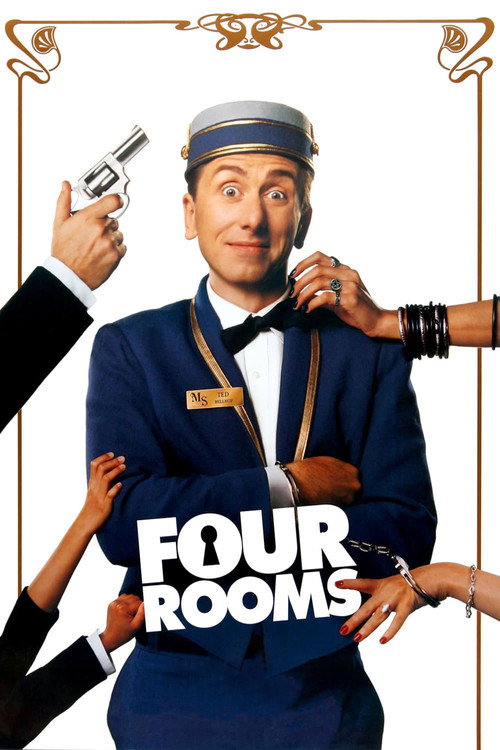
Four Rooms1995
A young woman moves through Paris navigating love, work, and the weight of expectation. Like The Aviator's Wife, it's interested in how ordinary life contains real emotion and genuine confusion.
But Sunny in tone where Rohmer is more ambivalent. Might feel slight if you're in the mood for complexity.
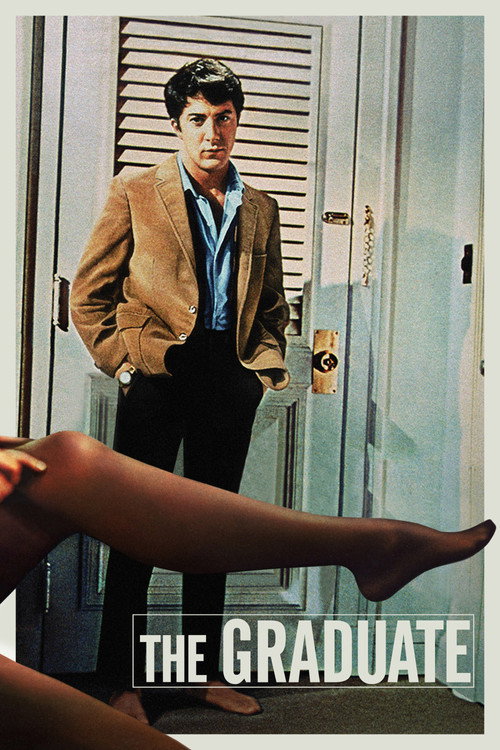
The Graduate1967
A young man becomes obsessed with a woman and pursues her with increasing desperation, unable to see clearly. The comedy-drama of romantic self-delusion in a different register, but with a similar eye for folly.
But It's much more mainstream and plotted than Rohmer. The tone swings might feel broad if you prefer subtlety.
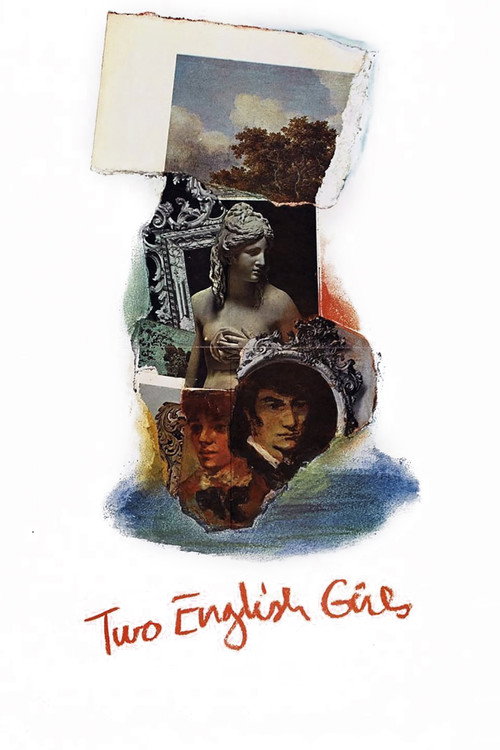
Two English Girls1971
Truffaut's lyrical account of a man caught between two sisters, navigating love, jealousy, and the stories we tell ourselves about romance. Similar mood and historical moment to The Aviator's Wife.
But Fragmented in structure with narration. It can feel distant and literary rather than immediate.
Stalker1979
Both films track obsession in real time, but Tarkovsky externalises it as mystical quest while Rohmer keeps it mundane and suburban. Same engine, opposite registers.
Tarkovsky's philosophical science-fiction film about a man guiding others through a mysterious zone. It's about obsession, desire, and the gap between what we think we want and what we actually need—the interior landscape made visible.
But Very slow, very long, meditative to the point of austerity. Zero plot momentum. Will feel pretentious or empty if you're not receptive to its rhythm.

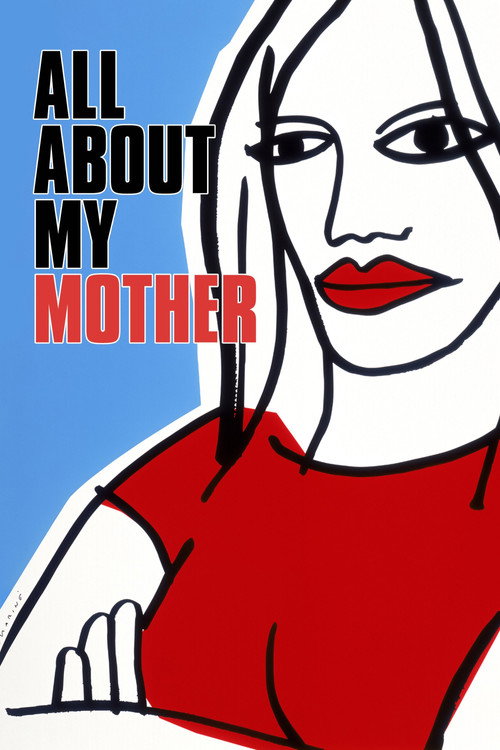
All About My Mother1999
Both films are about following someone through a city and discovering they're not who you thought. But where Rohmer finds comedy and moral ambiguity in that gap, Almodóvar finds tragedy and theatricality.
Almodóvar's film about loss, identity, and the performances we give each other. It's messier and more theatrical than Rohmer, but equally interested in how we construct narratives around betrayal and desire.
But Spanish melodrama with camp elements. If you want restraint and understatement, this will feel overwrought and artificial.
People
Cast
 Philippe MarlaudFrançois
 Marie RivièreAnne
 Anne-Laure MeuryLucie
 Mathieu CarrièreChristian
 Philippe CaroitFrançois' Friend
 Coralie ClémentAnne's Colleague
 María Luisa GarcíaAnne's Friend
- Haydée CaillotBlonde Woman
 Mary StephenTourist
- Neil ChanTourist
 RosetteConcierge
 Fabrice LuchiniMercillat
Directing
- Éric RohmerDirector
Writing
- Éric RohmerWriter
Production
- Margaret MénégozProducer
- Hervé GrandsartUnit Manager