
Film
Mothering Sunday
A 1924 love story about a housemaid and the man she secretly loves, told with painterly restraint and emotional precision. It's intimate, quietly devastating, and moves at the tempo of a memory rather than a plot. For viewers who value mood over melodrama and can sit with ambiguous feelings in elegant silence.
Should you watch it?
Watch it if you are drawn to quiet, precise period romances where a single ordinary day carries the weight of a whole life, and you don't mind lingering on glances and gestures.
Skip it if you need plot momentum or a clear sense of where things are going, since it drifts through its afternoon in hushed, fragmented steps and rarely hurries to explain itself.
What it asks of you: Across roughly an hour and forty minutes, its long unhurried stretches, muted light and feelings carried more by silence than by dialogue demand patience and close attention.
Not sure? Find tonight's pick in a minute.
If you liked this
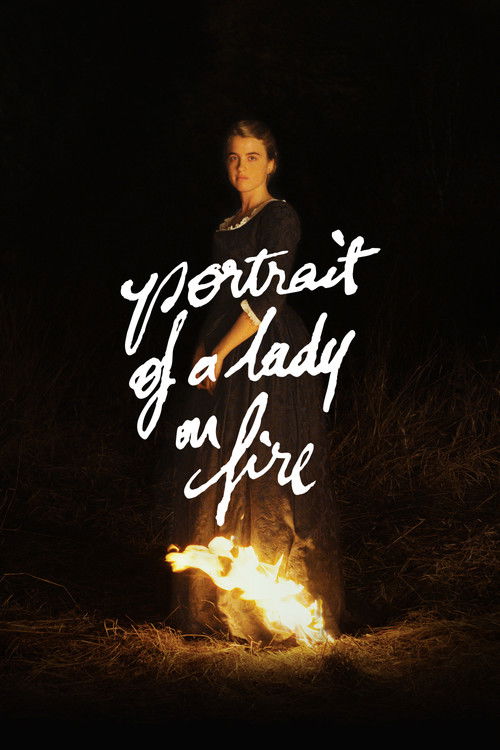
Portrait of a Lady on Fire2019
A period romance about forbidden love between two women, told with the same unhurried sensuality and focus on stolen moments. Beautiful cinematography and a profound meditation on desire and loss.
But It's painterly to the point of stillness. If you need narrative momentum or external conflict, the interior emotional register may feel too subtle.
The Remains of the Day1993
English restraint in the service of deep feeling—a butler recalls his life of service and a love he never spoke of. Like Mothering Sunday, it finds tragedy in what's left unsaid and the dignity of quiet suffering.
But Some find it cold. The emotional payoff comes from reading between the lines, and if that feels like work rather than pleasure, it won't land.

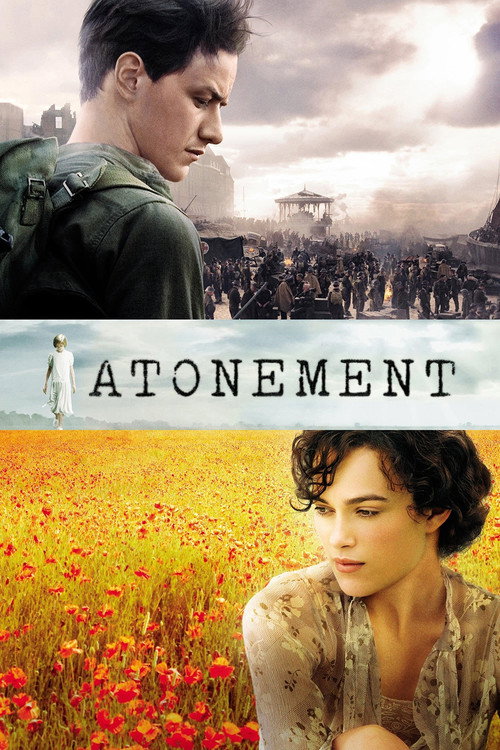
Atonement2007
Period romance disrupted by a single lie, exploring how class and fate divide lovers. Shares Mothering Sunday's elegiac tone and its understanding that passion exists in defiance of the world's arrangements.
But The second half pivots away from the love story into larger historical sadness. Some feel the tonal shift abandons the emotional core.
Not sure tonight? Get a pick in a minute, starting from Mothering Sunday
The wildcard
Something you would not have found on your own.
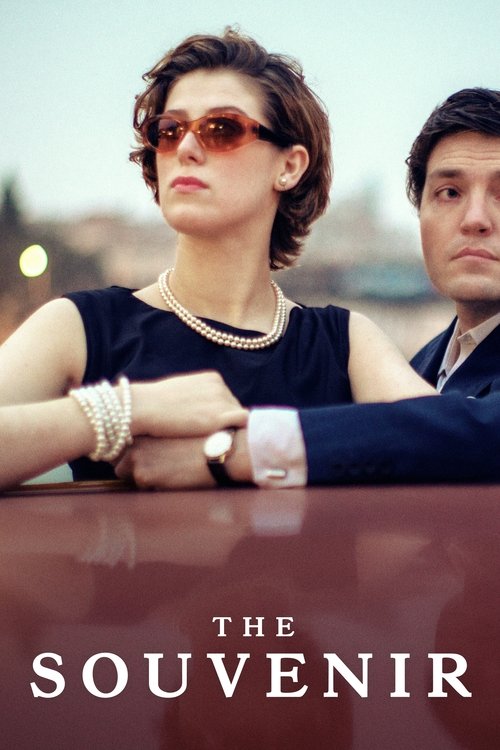
The Souvenir2019
Both are intimate studies of a woman's inner life in a relationship that carries a secret weight. Both understand that what a lover *doesn't* say is as important as what they do. Both are told in a register of memory and regret.
Joanna Hogg's semi-autobiographical film about a young art student in love with a manipulative older man in 1980s London. Fractured, impressionistic, shot through with unspoken power imbalances—it finds the modern anguish in a familiar story.
But It's deliberately opaque. The narrative is dreamlike and fragmentary, and if you need clarity or conventional emotional arc, it will frustrate you. Some viewers feel it's more about form than feeling.
More like this (7)
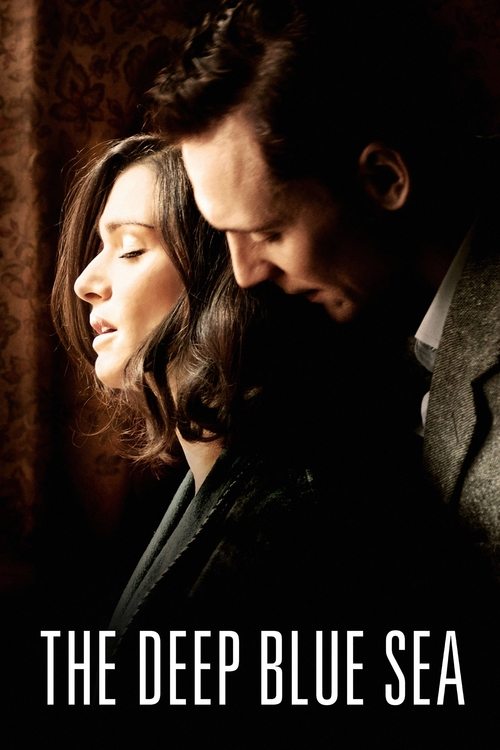
The Deep Blue Sea2011
Terence Davies directing Hattie Moreno as a woman unmade by illicit love. Gorgeously composed, musically rich, and unflinching about desire, shame, and the aftermath of forbidden feeling.
But It's austere and doesn't offer comfort. The narrative is fragmented, and the overall mood is one of sophisticated melancholy rather than catharsis.
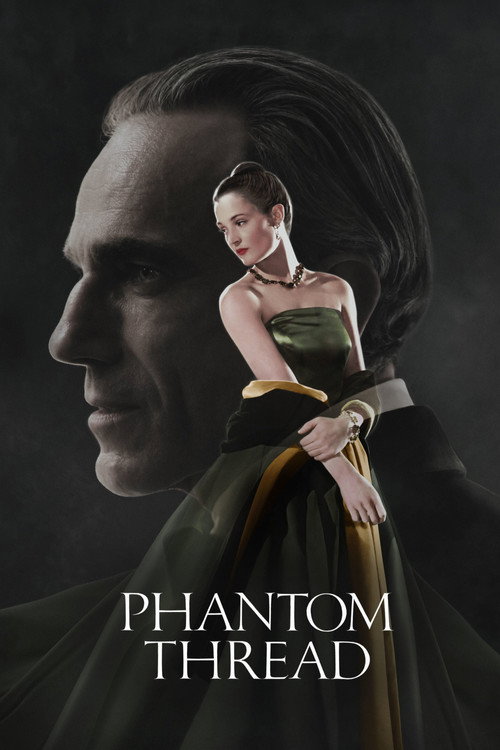
Phantom Thread2017
Paul Thomas Anderson's obsessive portrait of control and desire in 1950s London couture. Exquisitely crafted, psychologically complex, with performances of surgical precision beneath perfectly tailored surfaces.
But It's a chamber piece about two people in a room. If you need a wider world or faster pacing, the intense claustrophobia can feel airless.
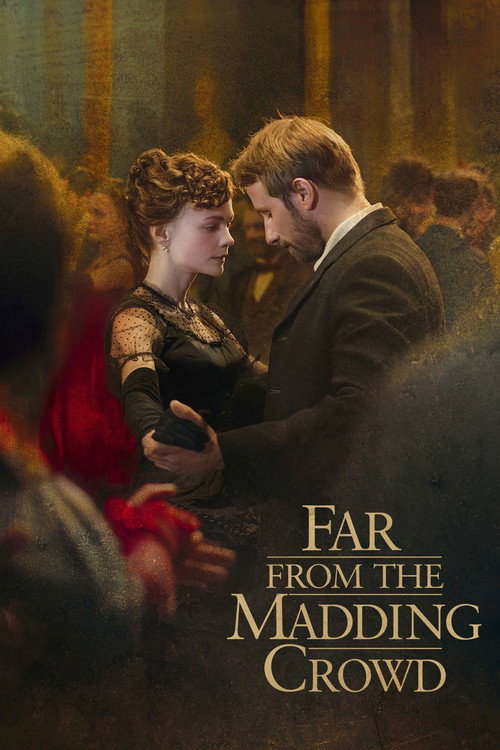
Far from the Madding Crowd2015
Thomas Vinterberg's adaptation is visually ravishing and emotionally mature. A woman caught between three lovers is given agency and interiority—it respects both the period and the heart's complexity.
But The ending may feel inevitable rather than earned. Some viewers find the pacing uneven and wish for more dramatic incident.
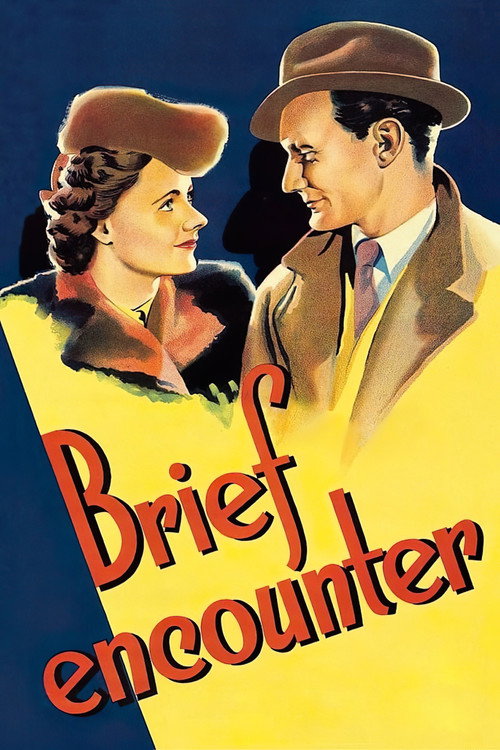
Brief Encounter1945
Noël Coward's masterpiece about two ordinary people and an extraordinary love affair conducted in stolen afternoons. It invented the playbook for restrained passion and the ache of the impossible.
But It's a product of its era—very English, very proper, very sad in ways that feel remote. The black-and-white sobriety may feel distant compared to newer work.
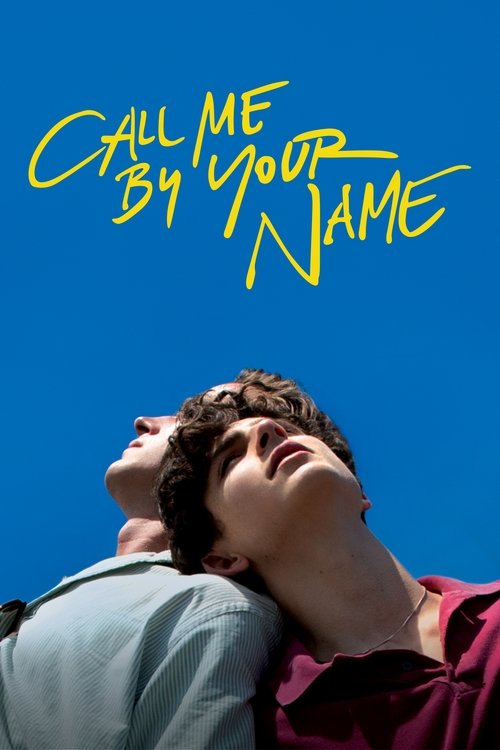
Call Me by Your Name2017
A summer romance between a student and his father's graduate student, set in 1980s Italy. Sensuous, intelligent, and achingly aware of time's cruelty—it captures the specific pain of love with an expiration date.
But It's slow and deliberate. Long takes of faces and landscapes. If you're impatient for plot or dialogue, it will feel indulgent.
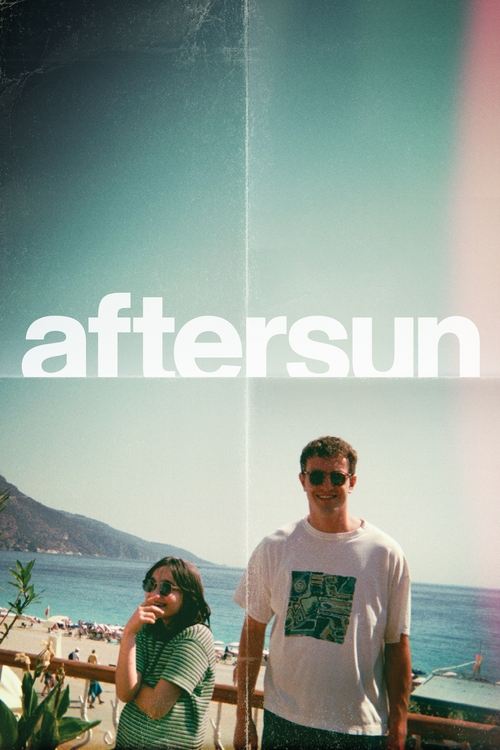
Aftersun2022
Like Mothering Sunday, it's about the unsaid things between two people and the way a single day can reverberate across a lifetime. Both are told with the texture of memory rather than narrative certainty. Both trust the viewer to sit in emotional uncertainty.
Charlotte Wells' debut about a girl and her father on holiday in Turkey, told in fragmentary, memory-shaped pieces. Visually stunning and emotionally sophisticated—a meditation on absence, love, and how we haunt each other.
But It's deliberately vague about what the emotional core really is. The narrative ambiguity that makes it powerful will feel unclear to some. It's introspective rather than dramatic.
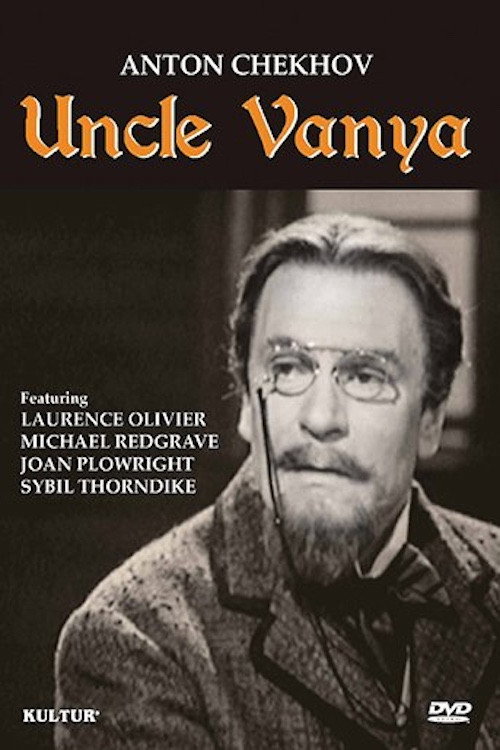
Uncle Vanya1963
Both are about longing and the specific sadness of loving someone you cannot have. Both understand that resignation and dignity are often the same thing. Both are about people for whom time has already made its decision.
Laurence Olivier in a filmed version of Chekhov's play—a story of thwarted love, wasted lives, and people trapped by circumstance and their own choices. Quiet, deeply human, and about as close as cinema gets to the interior life.
But It's a play filmed as a play, not adapted for cinema. Very talky, very indoor, very Russian in its philosophical melancholy. If you prefer visual storytelling to dialogue, it will feel slow.
People
Cast
 Odessa YoungJane Fairchild
 Josh O'ConnorPaul Sheringham
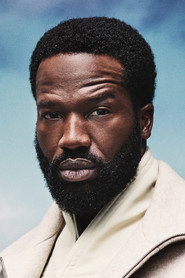 Ṣọpẹ́ DìrísùDonald
 Patsy FerranMilly
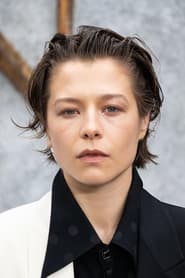 Emma D'ArcyEmma Hobday
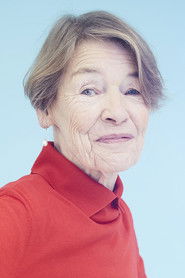 Glenda JacksonJane (Older)
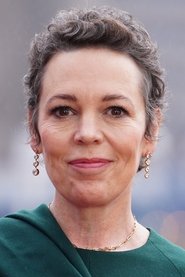 Olivia ColmanMrs Clarrie Niven
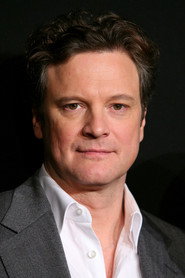 Colin FirthMr Godfrey Niven
- Nathan ReeveDick
- Samuel BarlowYoung Paul
- Dexter RaggattFreddy
- Charlie OscarEthel
Directing
- Eva HussonDirector
- Adam MorrisFirst Assistant Director
- Sharon WattScript Supervisor
- Freddie HallSecond Assistant Director
- Mac MonteroThird Assistant Director
Writing
- Graham SwiftNovel
- Alice BirchScreenplay
Production
- Emmaline O'TooleAssistant Accountant
- Jade-Elizabeth MastersAssistant Accountant
- Rebecca TimlettAssistant Accountant
- Jennifer KinnearAssistant Location Manager
- Marialucia ApicellaAssistant Location Manager
- Peter KellyAssistant Location Manager
- Sophie BrookAssistant Production Coordinator
- Kharmel CochraneCasting
- Rose PowellCasting Assistant
- Daniel BattsekExecutive Producer
- Julia OhExecutive Producer
- Norman MerryExecutive Producer
- Peter HampdenExecutive Producer
- Thorsten SchumacherExecutive Producer
- Claire QuinnFirst Assistant Accountant
- Jake DayLocation Assistant
- Tom HowardLocation Manager
- Tarn HarperPost Production Accountant
- Elizabeth KarlsenProducer
- Stephen WoolleyProducer
- Ruby AvardsProduction Accountant
- Thomas Darby-EvansProduction Coordinator
- Liza CarmelProduction Manager
- Amy GilliesProduction Secretary
- Joanne DixonProduction Supervisor
- Lauren ChambersUnit Manager