
Film
The Tragedy of King Lear
- Drama
- Very dark
A bold, stark television adaptation of Shakespeare's most devastating tragedy, shot in 1982 with a strong supporting cast and uncompromising fidelity to the text. This is Lear stripped of pageantry—intimate, brutal, and focused on the human wreckage of pride and betrayal. For viewers ready to sit with Shakespeare's bleakest vision.
If you liked this
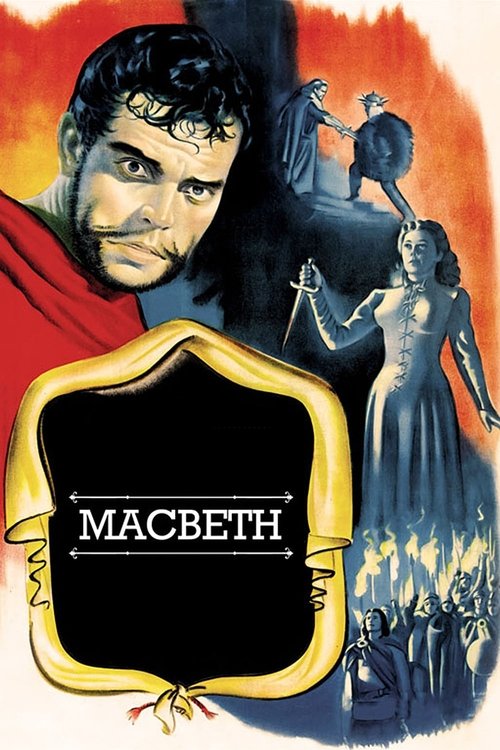
Macbeth1948
Orson Welles' chamber-drama version proves tragedy works in tight spaces. Raw, inventive, and equally committed to stripping the play down to its psychological core.
But The film stock is damaged and the picture sometimes grainy; it demands patience and a willingness to look past technical limitation.
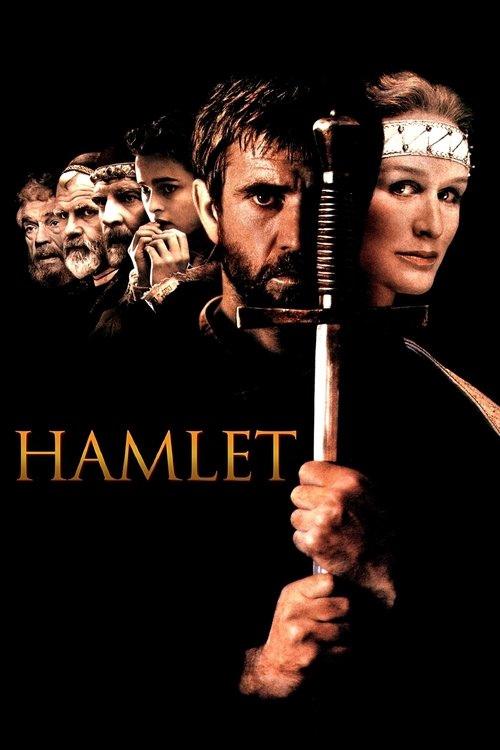
Hamlet1990
Franco Zeffirelli's lush but psychologically acute reading, with Mel Gibson's Hamlet as a grieving man rather than a philosophical pose. Proves Shakespeare films can be both intelligent and accessible.
But It cuts significant text and reimagines the ending; purists may feel it lightens the play's weight.
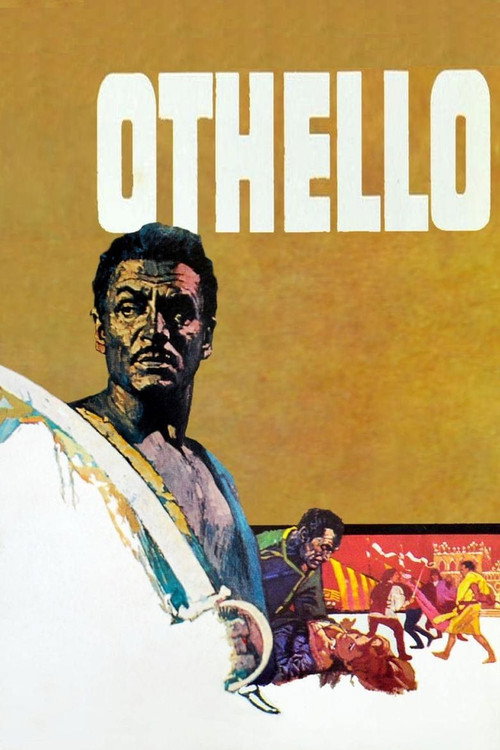
Othello1965
Stuart Burge's adaptation with Laurence Olivier is a masterclass in tragic manipulation. It captures the suffocating claustrophobia of jealousy and the play's moral urgency.
But Olivier's performance is overwhelming in a way that can overshadow other actors; the entire film orbits him.
Not sure tonight? Get a pick in a minute, starting from The Tragedy of King Lear
The wildcard
Something you would not have found on your own.
The Hothouse1982
Both dramatise how a leader's authority becomes a fragile thing that can shatter in an instant, and how proximity to power corrupts everyone around it.
Harold Pinter's only play about institutional power, where a garden-like workplace hides something sinister beneath. Like Lear, it's about authority figures undone by what they've created—and the paranoia of losing control.
But Pinter's dialogue is elliptical and oblique; if you want clarity, you won't find it. It requires active, sometimes frustrated attention.
More like this (7)
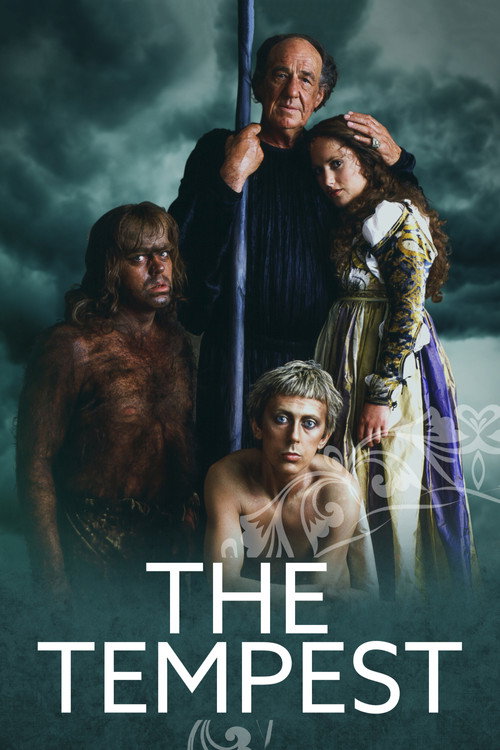
The Tempest1980
Derek Jarman's avant-garde reading proves Shakespeare can be experimentally staged. It's alien and uncompromising, yet strangely moving—magic as something genuinely strange and unsettling.
But It abandons conventional narrative for visual poetry. If you want clear storytelling, this will frustrate you.
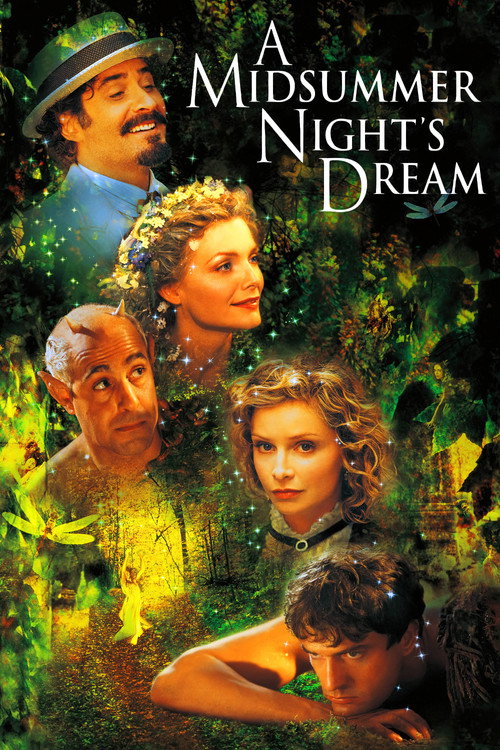
A Midsummer Night's Dream1999
Michael Hoffman's sumptuous version reminds you that Shakespeare wrote comedy too. Joyful without being saccharine, it's pure theatrical pleasure after tragedy.
But The opulence can feel overproduced; some prefer their Shakespeare leaner and meaner.
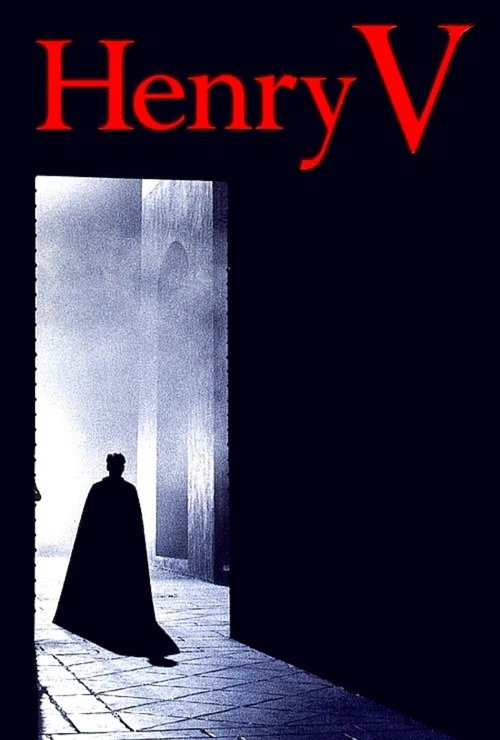
Henry V1989
Kenneth Branagh's muscular, energetic adaptation proves Shakespeare's histories are as gripping as the tragedies. Visceral battle scenes, genuine emotion, and a director who understands how to make the language sing.
But At three hours, it's a commitment. Some find Branagh's earnestness relentless.
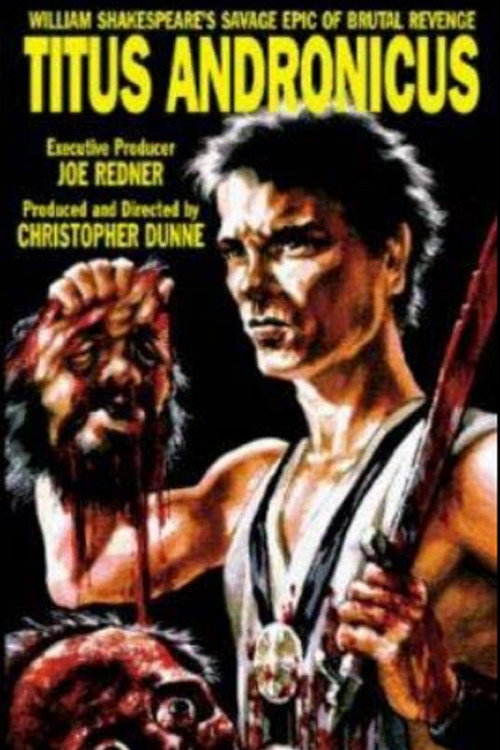
Titus Andronicus1998
Julie Taymor's baroque nightmare is Shakespeare's goriest play staged with style, style, and more style. Visually arresting and genuinely transgressive in ways that shock and move simultaneously.
But The violence is graphic and sometimes cartoonish. It's an aesthetic experience as much as a narrative one—alienating if you need emotional naturalism.
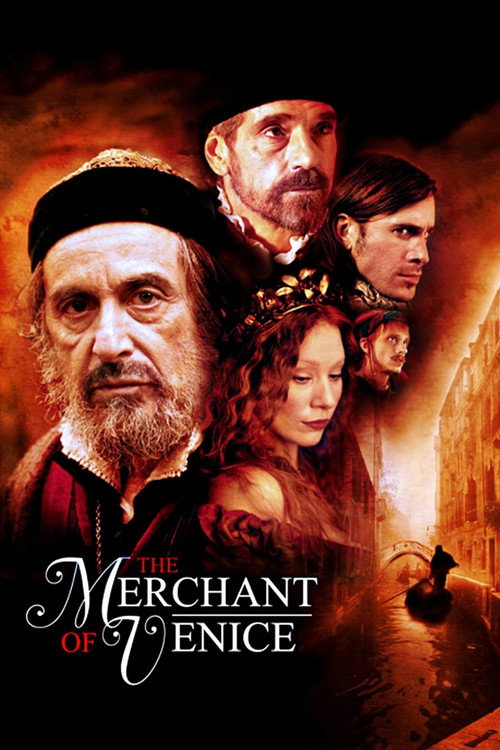
The Merchant of Venice2004
Michael Radford's version grounds the play in Venice's history of antisemitism, making it a morally complex historical document rather than just a plot machine. Deeply engaged with what it means to stage this play now.
But It foregrounds moral discomfort where others find romance or comedy. It's not an easy watch, and that's deliberate.
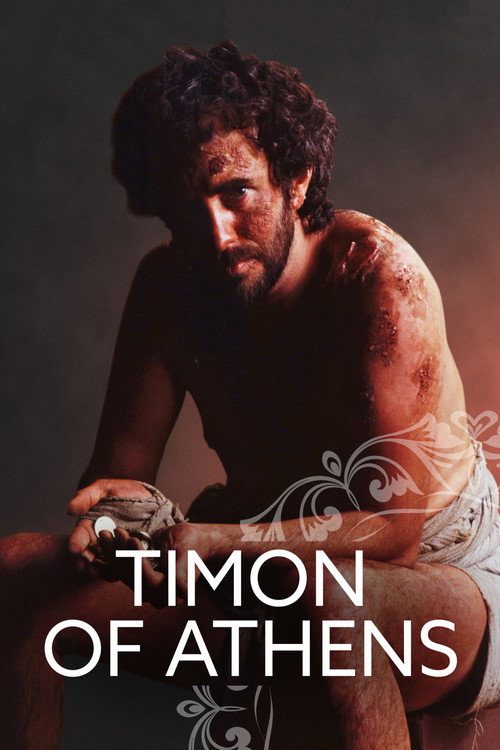
Timon of Athens1981
Jonathan Miller's BBC production with Paul Scofield is a revelation: a rarely staged play about wealth, betrayal, and complete spiritual collapse. Scofield's performance is magnificent and genuinely devastating.
But The play is structurally uneven and lesser-known for good reason. If you're unfamiliar with it, the pacing can feel lumpy.
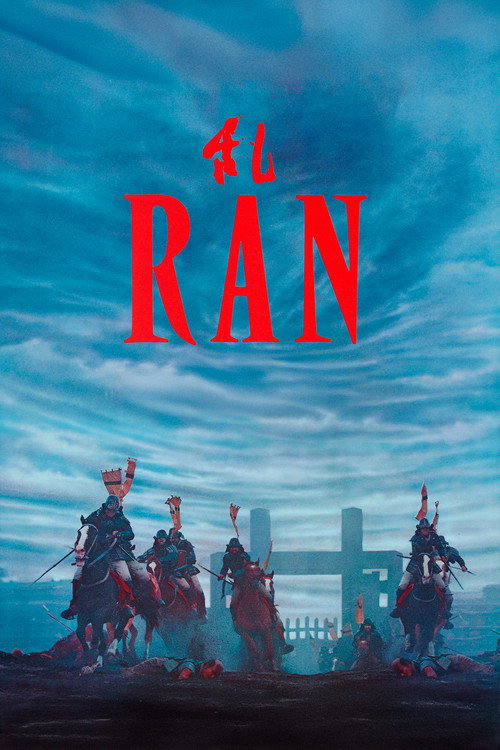
Ran1985
Both understand Lear as a play about political collapse that radiates outward to destroy everything and everyone. Kurosawa makes visible the scale of catastrophe that Shakespeare only suggests.
Kurosawa's transposition of Lear to feudal Japan, where a warlord divides his empire among his sons with consequences that echo through entire landscapes. It's Lear as epic, with all the political scope the play only implies.
But It's nearly three hours of Japanese cinema, not the text itself. If you want to encounter Shakespeare's language, this substitutes visual grandeur for it.
People
Cast
 Mike KellinKing Lear
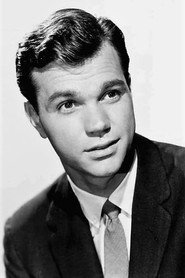 Darryl HickmanEarl of Kent
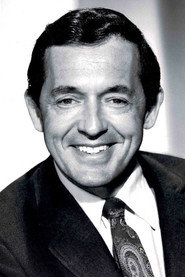 Charles AidmanEarl of Gloucester
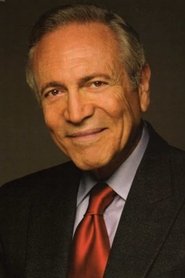 David GrohEdmund
- Jeremy WhelanSoldier / Courtier
- Helen RubioSoldier / Courtier
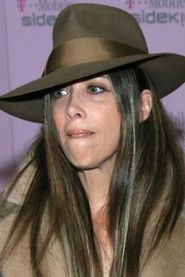 Gela NashGoneril
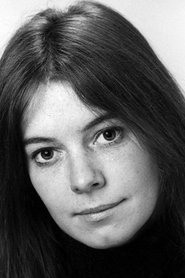 Kitty WinnCordelia
- Melora MarshallRegan
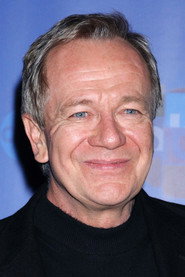 Sam AndersonDuke of Albany
- Carl StranoDuke of Cornwall
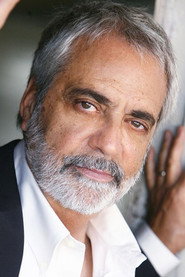 Bart BravermanDuke of Burgundy
Directing
- Alan CookeDirector
Production
- John WardAssociate Producer