
Film
Images from the Playground
- Slow-burning
A 29-minute documentary assembling home-movie footage shot by Ingmar Bergman on his personal 9.5mm camera in the 1950s. It's intimate, unvarnished, and alive with the visual curiosity of one of cinema's greatest directors turning the lens on ordinary moments: family, friends, play. Essential for Bergman devotees and anyone wanting to glimpse the man behind the masterpieces.
If you liked this
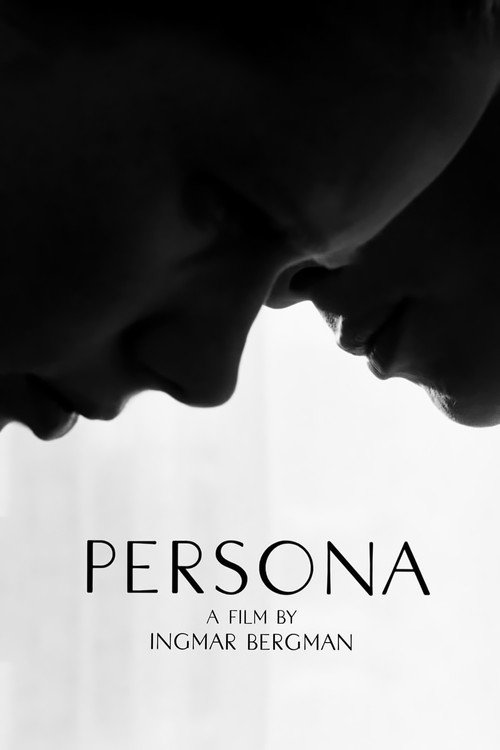
Persona1966
Bergman's most formally audacious film—a psychological duel between an actress and her nurse that deconstructs identity and language itself. Hypnotic and strange.
But Deliberately difficult and abstract. Long stretches with minimal dialogue or plot. Demands active watching, rewards it unevenly.
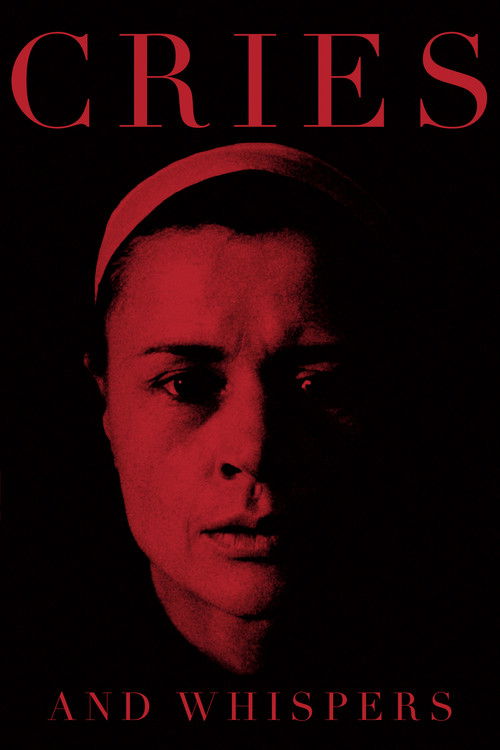
Cries and Whispers1972
A masterpiece about four women—three sisters and a servant—in a house marked by illness and memory. Shot in reds so vivid they seem to bleed off screen. Devastating.
But Emotionally heavy. Explores dying, grief, and female rage without offering much comfort. The pacing is deliberate; some find it slow.
The Seventh Seal1957
A knight plays chess with Death during the plague. It's existential, grand, and genuinely moving—Bergman's most iconic film and justly so. You'll understand why people revere him.
But Medieval allegory can feel stiff on first viewing. The philosophy is explicit, not woven in. Some scenes haven't aged gracefully.

Not sure tonight? Get a pick in a minute, starting from Images from the Playground
The wildcard
Something you would not have found on your own.
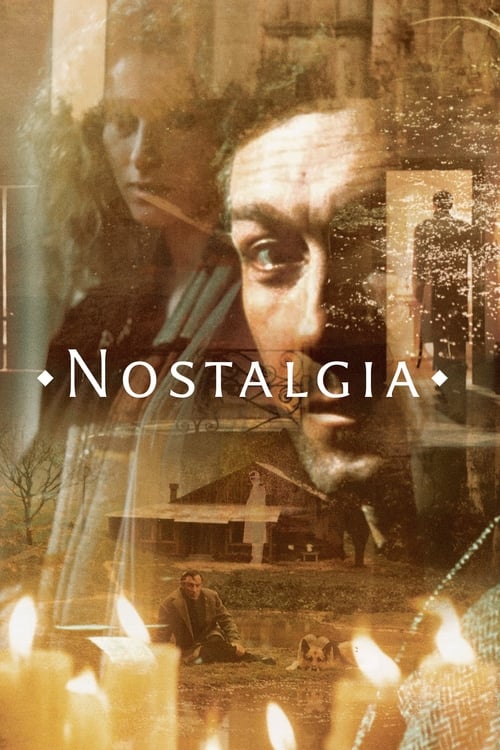
Nostalgia1983
Both directors obsessed with interior states and spiritual absence. Both made their greatest work by stripping away everything inessential. This is what Bergman might have made had he worked in Tarkovsky's idiom.
Andrei Tarkovsky's only Italian film, following a Russian writer in Tuscany searching for meaning and connection. Shot with Tarkovsky's characteristic patience—long takes, natural sound, spiritual hunger. A mirror held up to Bergman's own late work.
But 185 minutes of quiet contemplation. Minimal plot, maximal atmosphere. Feels more like a prolonged meditation than a narrative. Tests patience severely.
More like this (8)
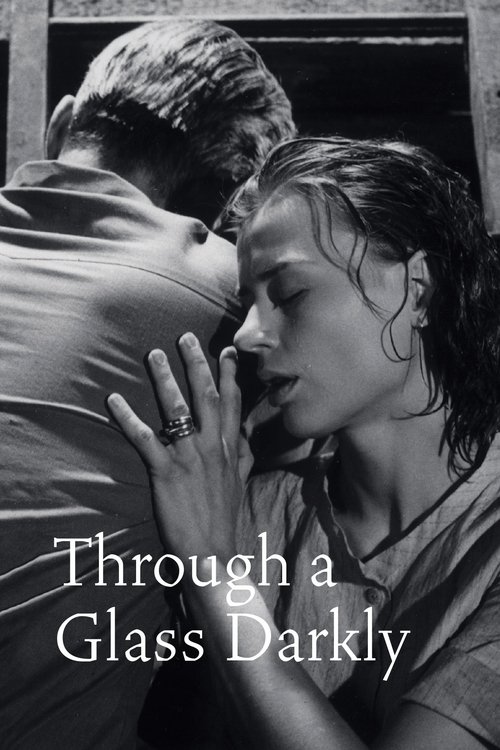
Through a Glass Darkly1961
Four people on an island cottage, one woman's mental collapse, Bergman's camera closing in tighter and tighter. Chamber music made visual. Extraordinary economy.
But Very spare and interior. Shot in black-and-white on a single location. If you want spectacle or narrative momentum, look elsewhere.
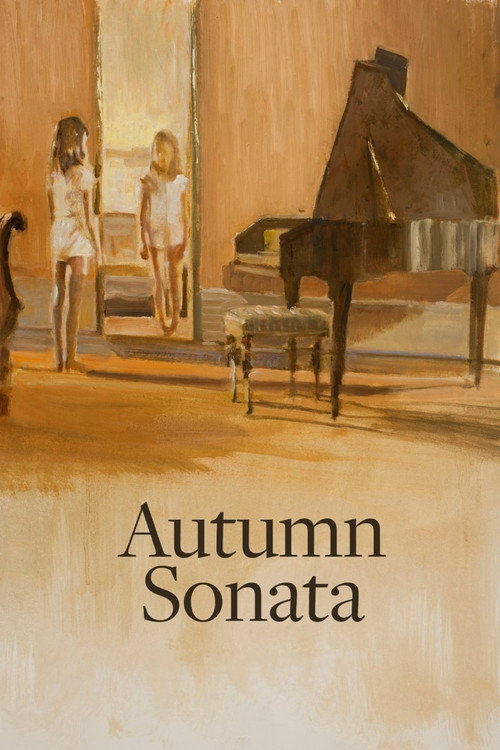
Autumn Sonata1978
Ingrid Bergman and Liv Ullmann as a pianist mother and her daughter, meeting after years apart. A conversation that becomes confession, recrimination, and love. Bergman's last great film.
But Dialogue-heavy chamber piece. Emotionally exhausting. Some may find the mother unsympathetic or the wounds it picks too fresh.
The Virgin Spring1960
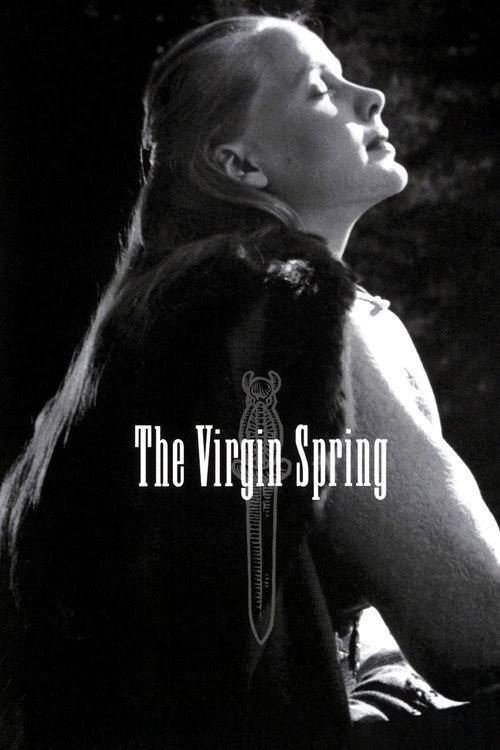
A medieval father's quest for vengeance after his daughter's murder. Brutal, visually stunning, morally complex. Won the Palme d'Or. Proof Bergman could make genre work.
But Contains graphic violence by any era's standards. The moral framework may feel archaic. Not his most psychologically searching work.
Scenes from a Marriage2021
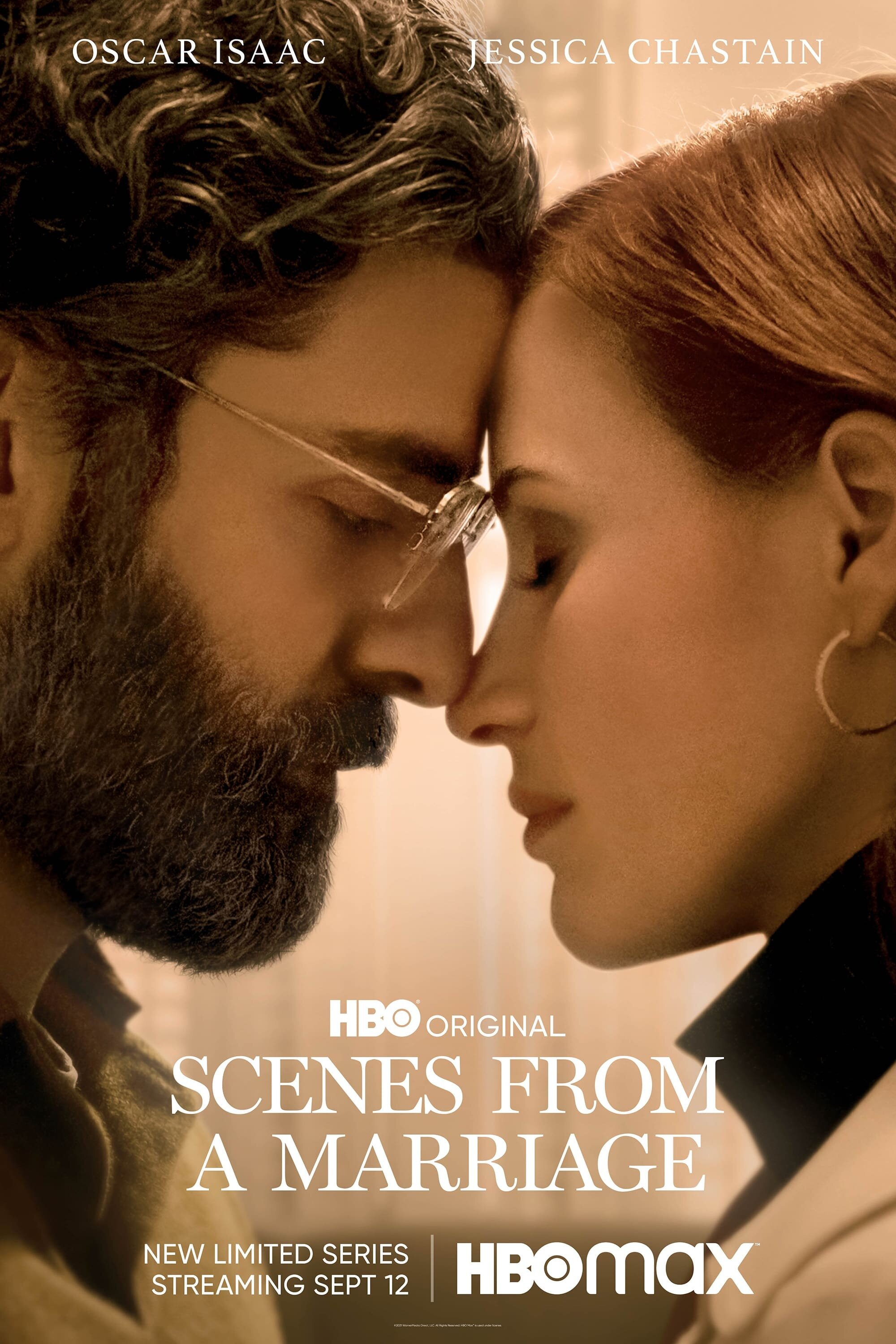
Six episodes following a marriage from passion through betrayal to divorce. Intimate as a diary, raw as exposed nerve. Changed how television could tell stories.
But Mostly two people talking in rooms. If you need plot or external action, this will feel claustrophobic. Emotionally demanding viewing.
The Magician1958
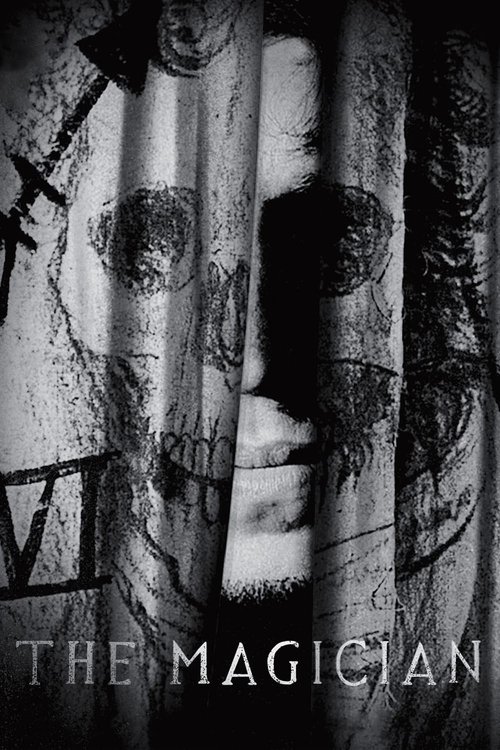
A traveling magician arrives at a manor with his troupe. Bergman at his most playful, mixing Gothic atmosphere with dark comedy and genuine mystery. Underrated and strange.
But The tone wobbles between genres. The atmosphere is heavy-handed at times. Less focused than his other masterworks.
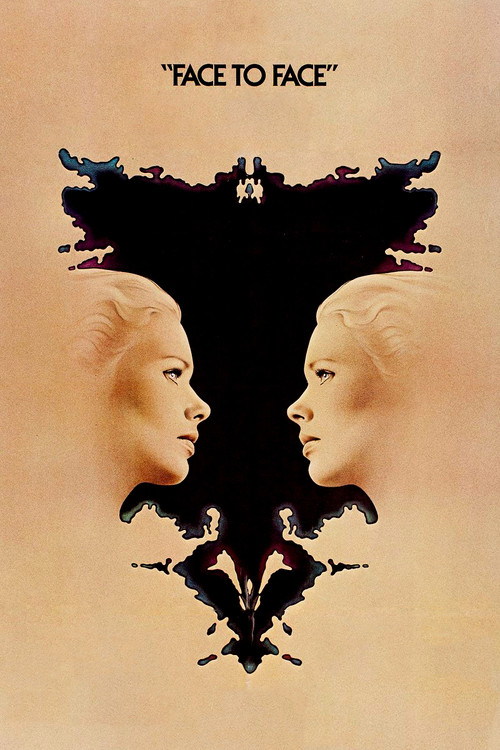
Face to Face1976
A psychiatrist's mental breakdown during a lonely summer. Bergman turns his lens inward with terrifying clarity. A film about collapse and the fragility of the self.
But Bleak and clinical. Some sequences feel gratuitously dark. The recovery feels conditional, the victory incomplete.
Synecdoche, New York2008
Both are architects of interior collapse. Both use formalist precision to map emotional breakdown. Kaufman watched Bergman obsessively; this is his anxious American answer to *Persona*.
Charlie Kaufman's fever dream about a theater director collapsing inward, building an elaborate replica of New York inside a warehouse. Formally dazzling, emotionally raw, about art consuming life.
But Deliberately confusing. The logic is psychological, not narrative. Blurs reality and fantasy until the distinction doesn't matter. Exhausting and sometimes pretentious.

Stalker1979
Shares Bergman's conviction that cinema's power lies in duration and atmosphere, not plot. Both believe the camera can measure a soul. A masterpiece about waiting—what Bergman spent his career doing.
Tarkovsky again, but earlier: a guide leads two men through a mysterious zone toward a room that grants wishes. Hypnotic, philosophical, about desire and faith. The anti-thriller.
But Nearly three hours of Russian sci-fi with almost no conventional action. Shot in muted colors, paced like a funeral. Demands surrender, not engagement.

People
Cast
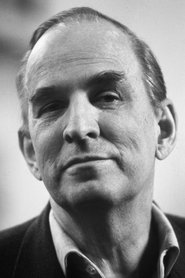 Ingmar BergmanSelf
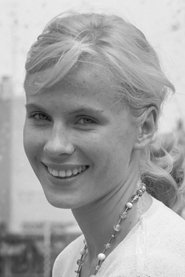 Bibi AnderssonSelf
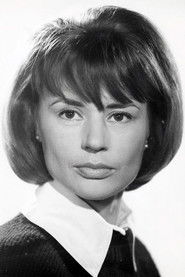
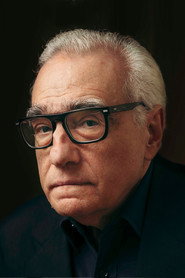 Martin ScorseseSelf
Directing
- Stig BjörkmanDirector