
Film
Night Games
- Drama
- Slow-burning
A Swedish psychological drama following a man confronting the childhood trauma that still grips him on the eve of marriage. Elliptical and dreamlike, it uses fragmented memory and sensuality to explore how early wounds shape adult desire and trust. Demanding but penetrating—for those willing to sit with discomfort.
If you liked this
The Seventh Seal1957
Bergman's masterpiece about mortality and faith. If Night Games' introspective intensity appeals to you, this is essential—the same rigorous moral questioning, but more architecturally perfect.
But Deliberately slow and philosophical. Heavy on metaphor, light on plot. Some find it glacial rather than profound.

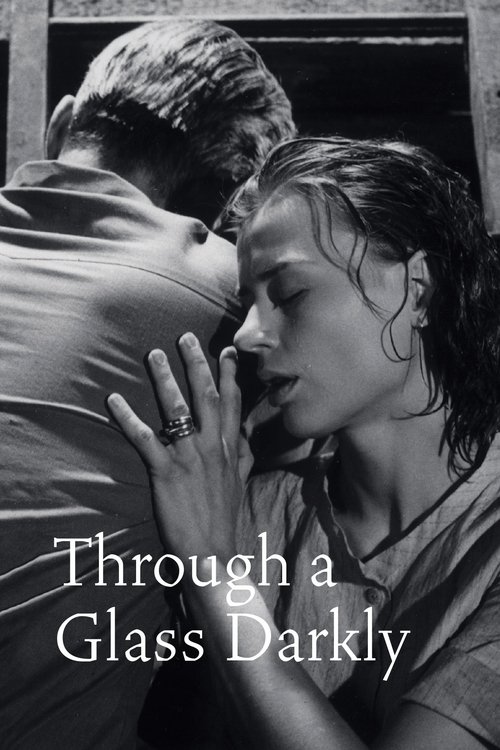
Through a Glass Darkly1961
Bergman again, and closer to Night Games in scope—a chamber piece about a family fracturing as one member descends into mental illness. Intimate, claustrophobic, urgent.
But Only four characters on an island. If you need action or variety, the confinement will feel punishing rather than intense.
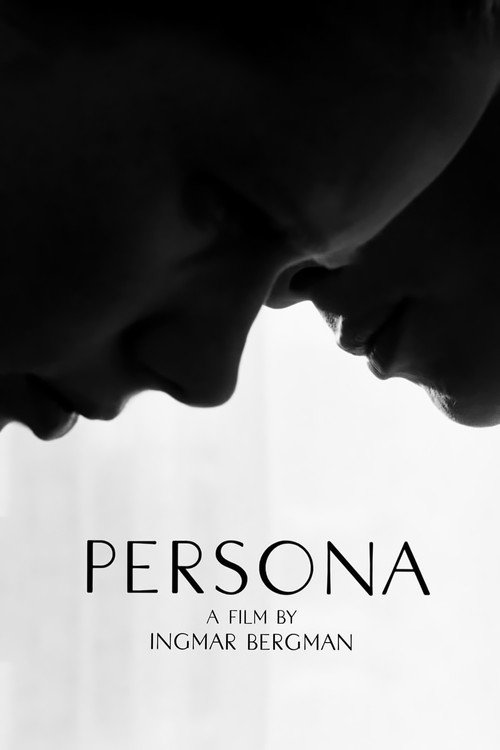
Persona1966
Bergman's most radical film about identity and the self. Fragmented, hallucinatory, it mirrors Night Games' exploration of buried trauma through fractured narrative.
But Aggressively experimental and often opaque. The film itself seems to doubt its own coherence. Not a comfortable experience.
Not sure tonight? Get a pick in a minute, starting from Night Games
The wildcard
Something you would not have found on your own.
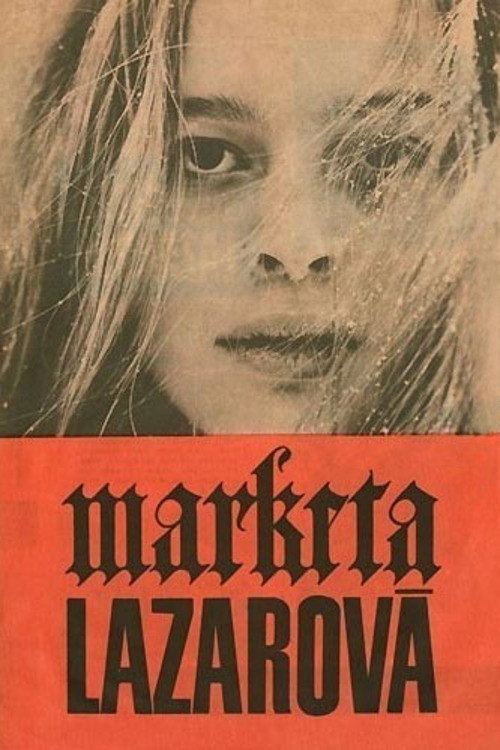
Marketa Lazarová1967
Both films treat childhood wounds as active, irrational forces that distort adult sexuality and relationships. Both abandon psychological realism for dreamlike, sensory depiction of how trauma lives in the body rather than the mind.
A Czech New Wave masterpiece: visually dense, sensually overwhelming, about trauma and desire erupting in violence. Shot in black-and-white with extraordinary texture and mystery. Feels like memory itself—fragmentary, irrational, visceral.
But Difficult to parse; no linear narrative or conventional psychology. Subtitled and deeply strange. The 165-minute runtime sprawls. You may finish it without fully understanding what you've seen.
More like this (8)
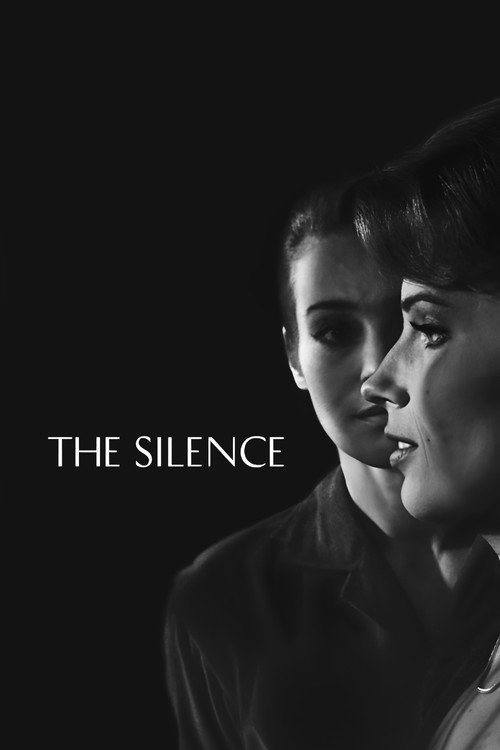
The Silence1963
Bergman's portrait of two sisters in a decaying hotel, wrestling with faith, desire, and isolation. Sensual and unsettling, exploring how our pasts determine our hungers.
But Sexually explicit for its era, and unresolved—it offers mood and penetration rather than answers or catharsis.
Stalker1979
Tarkovsky's meditation on desire and what we're really seeking. Shares Night Games' dreamlike pacing and use of landscape as psychological mirror.
But Glacially paced—167 minutes of near-silence. Patience is non-negotiable. Ambiguous to the point of inscrutability.

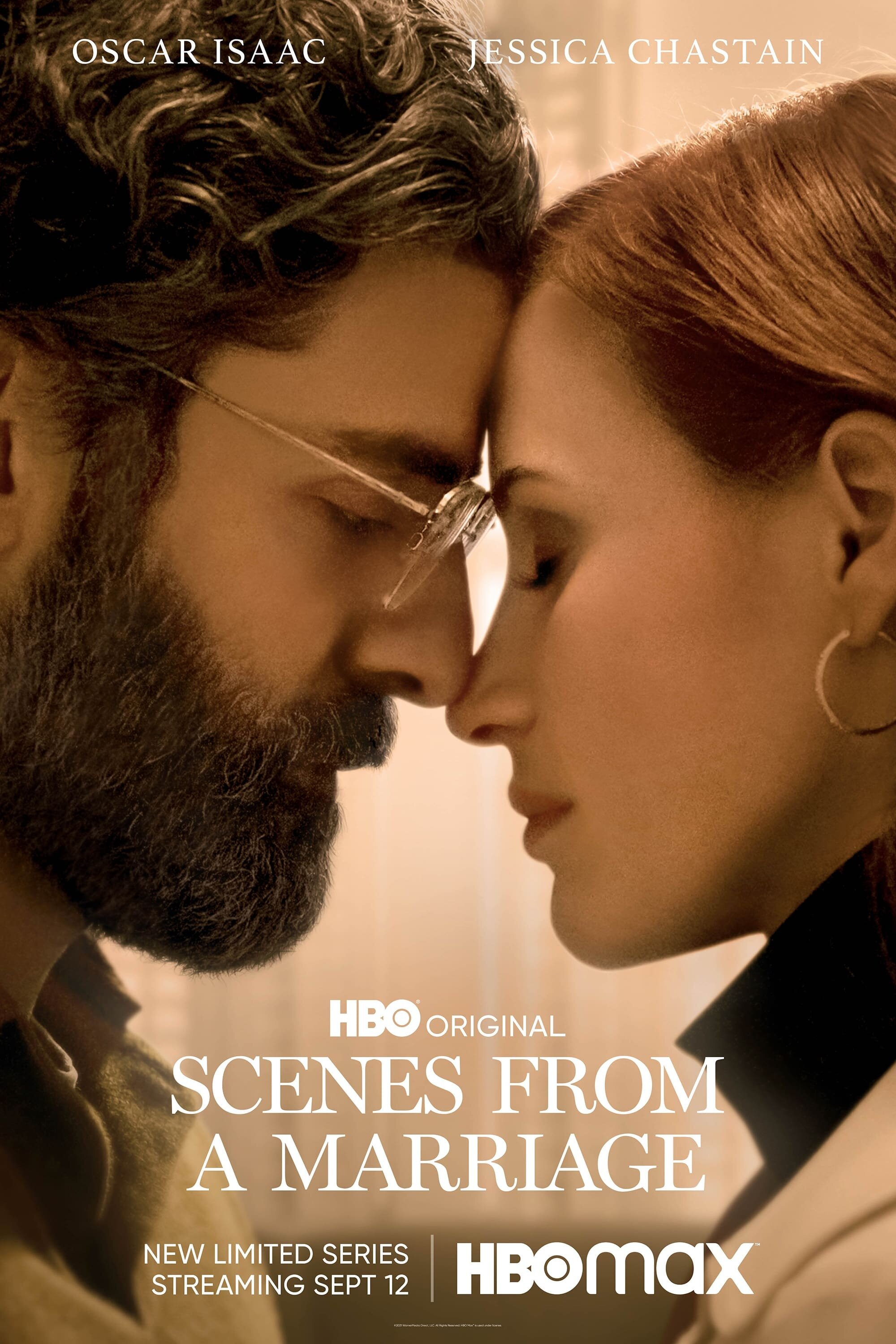
Scenes from a Marriage2021
Bergman's dissection of a marriage in crisis, originally a miniseries. Raw, intimate interrogation of how we wound and are wounded by those closest to us.
But Exhausting emotional labour. The couple's cruelty to each other is unflinching, and there's nowhere to hide from it.
The Passion of Anna1969
Bergman examining how isolation and desire collide in four people's lives. Shares Night Games' interest in the gap between public selves and private damage.
But Dense and intellectually demanding. The philosophical inquiry can feel dry if you're after emotional resonance.
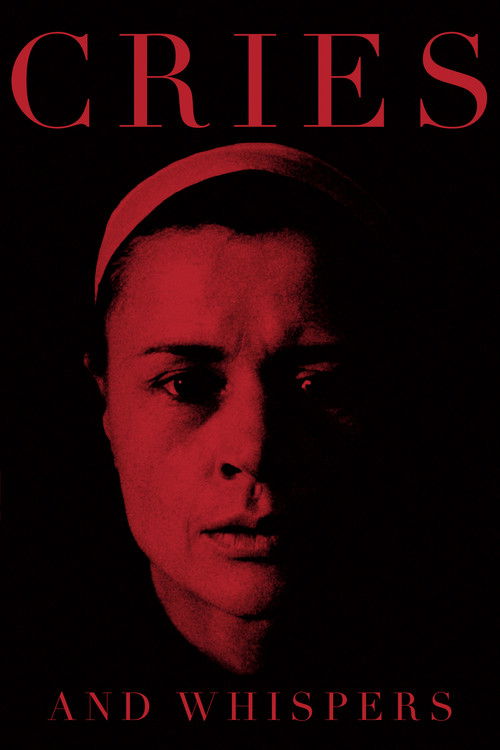
Cries and Whispers1972
Bergman's most beautiful film about three sisters and a dying woman. Red interiors, tactile intimacy, and grief rendered in sensory terms rather than words.
But Primarily about female experience and female bodies—if you need male characters for investment, you'll struggle. Also devastatingly sad.
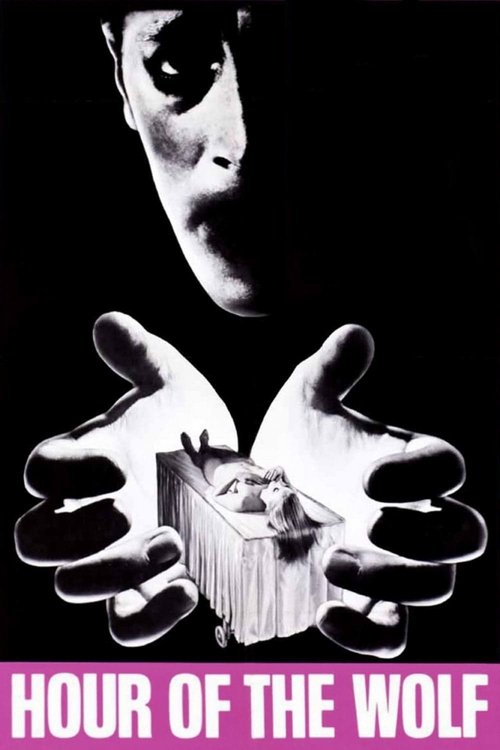
Hour of the Wolf1968
Bergman's horror-inflected portrait of a man's psychological collapse, told through his wife's testimony. Nightmarish, visceral exploration of madness and delusion.
But Genuinely disturbing and often cryptic. The line between reality and fantasy is deliberately unstable, which some find maddening.
Memories of Murder2003
Both films trace a line from childhood trauma to adult destructiveness, but Memories of Murder places that destruction outward into the world, while Night Games keeps it internal. Same wound, opposite vector.
Bong Joon-ho's serial killer film, but really a portrait of masculine violence and wounded men. Uses genre to excavate the same territory Night Games approaches—how early damage leads to predatory patterns. Gripping and morally unsettling.
But A crime thriller at heart, so it satisfies genre expectations that might distract from the psychological inquiry. Graphic violence. The portrait of men is harsh and unsparing in ways that may feel accusatory.

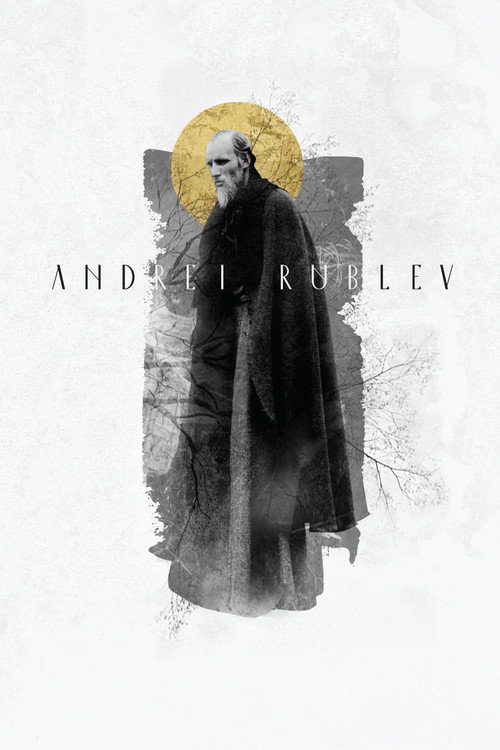
Andrei Rublev1966
Both films refuse psychological narrative in favour of sensory and spiritual inquiry. Both use childhood/formative trauma (Rublev's witnessing of violence, Jan's buried memories) as a portal to larger questions about consciousness, desire, and meaning. Both have surfaces of dream-logic.
Tarkovsky's three-hour epic about a 15th-century icon painter confronting faith, violence, and artistic responsibility. Sounds period-historical, but it's about how trauma and beauty coexist. Visually transcendent; uses bodies and landscape as spiritual language.
But Extremely long, extremely serious. No plot momentum. Stretches of silence. Requires surrender rather than entertainment. Many people find it inaccessible or punishing.
People
Cast
 Ingrid ThulinIrene
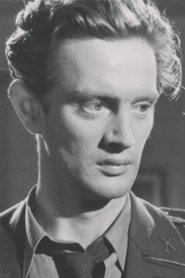 Keve HjelmJan (Adult)
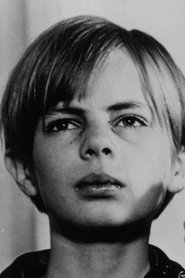 Jörgen LindströmJan (12 years)
- Lena BrundinMariana
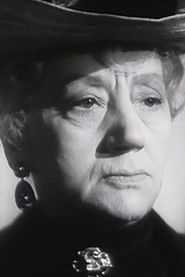 Naima WifstrandAstrid
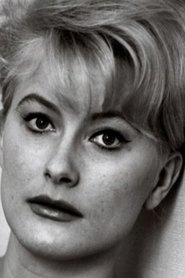 Monica ZetterlundLotten
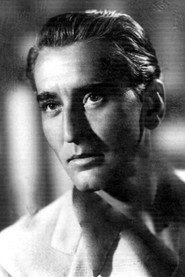 Lauritz FalkBruno
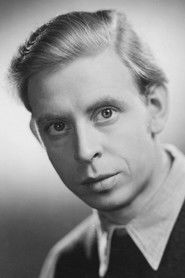 Rune LindströmAlbin
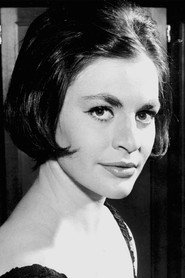 Lissi AlandhMelissa
 Christian BrattErland
- Cleo BomanGuest at party
- Monique ErnstdotterGuest at party
Directing
- Peter HaldAssistant Director
- Mai ZetterlingDirector
- Kerstin BergScript Supervisor
Writing
- David HughesWriter
- Mai ZetterlingWriter
Production
- Göran LindgrenProducer
- Lena MalmsjöProduction Manager
- Christer AbrahamsenUnit Manager