
Film
Grip of the Strangler
A 1958 British thriller where a researcher studying a hanged serial killer begins exhibiting the strangler's violent urges, blurring the line between obsession and supernatural possession. Karloff commands the screen in a role that lets him explore psychological unraveling alongside genre theatrics. It's modest in scope but genuinely unsettling—a B-picture with real menace underneath.
If you liked this
The Lodger: A Story of the London Fog1927
Hitchcock's first thriller, about a mysterious roomer suspected of being a serial killer. Silent, crackling with paranoia and visual invention—the template for every landlord-harbours-danger story that followed.
But Silent cinema demands patience; intertitles interrupt rhythm. The pacing feels glacial if you're used to modern cutting.

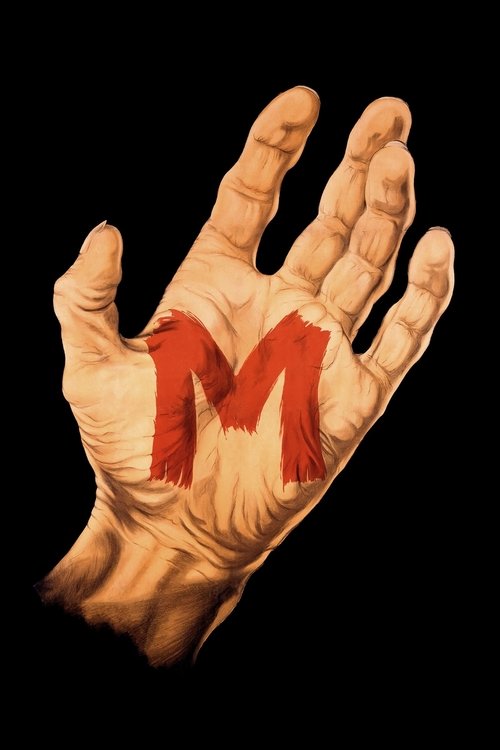
M1931
Fritz Lang's masterpiece about the hunt for a child murderer. Gritty, morally complex, with a performance from Peter Lorre that still chills. Invents the police procedural while asking what justice actually means.
But German expressionism can feel stagy. The film's length and density require active watching, not background viewing.
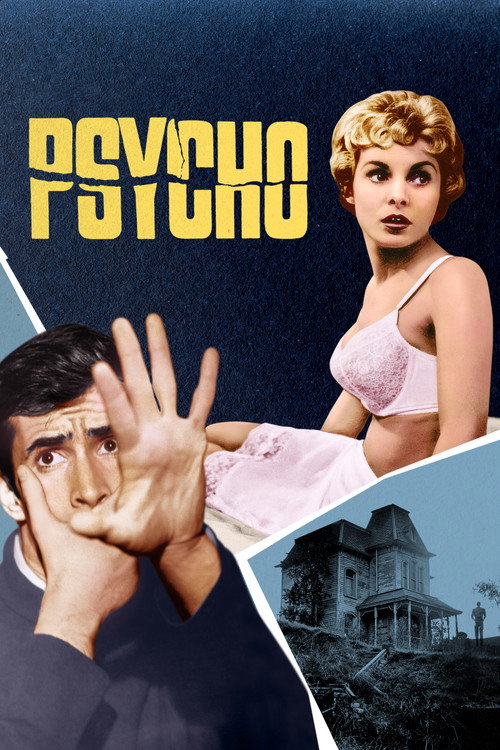
Psycho1960
Hitchcock's shower scene didn't just shock audiences—it rewrote the rules for what cinema could show. A motel, a killer, a secret. Technically daring and fundamentally disturbing in ways that matter.
But If you know the twist, the middle sags. Black-and-white and a bit theatrical in hindsight, though that's not really a flaw.
Not sure tonight? Get a pick in a minute, starting from Grip of the Strangler
The wildcard
Something you would not have found on your own.
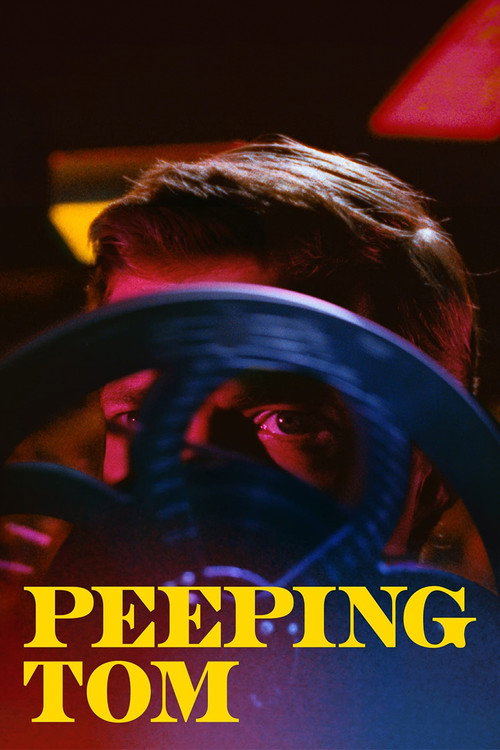
Peeping Tom1960
Both explore the killer as a figure of obsession and pathology—but Powell makes the camera the murderer's extension, whereas Grip shows obsession *becoming* possession. Peeping Tom is about the act of watching; Grip is about being watched by your own past.
Michael Powell's controversial masterpiece: a serial killer who films his victims. A camera is the weapon, cinema itself is complicit. Visually stunning and philosophically disturbing in ways that were ahead of its time.
But Explicit for 1960, and the sexual perversity at its core remains genuinely uncomfortable. Not a film that lets you feel clever for watching it.
More like this (7)
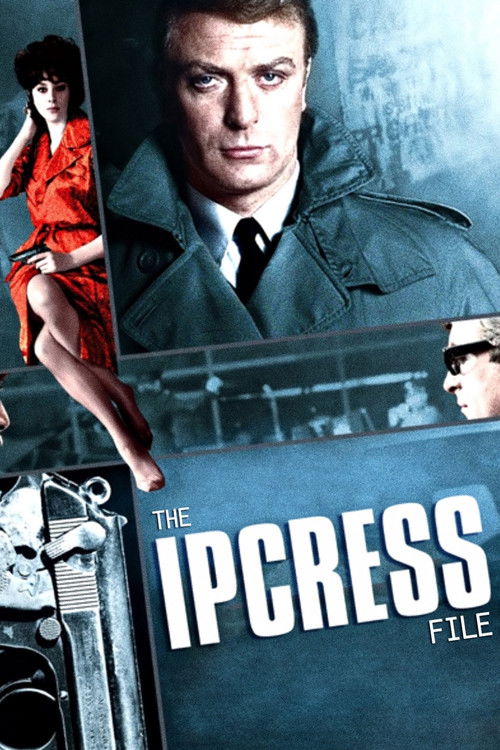
The Ipcress File1965
Michael Caine as a working-class spy, all cool and competence. Brisk, stylish British espionage with a genuine plot and a lead character who feels lived-in rather than polished.
But The spy-fi setup is dated. It's procedural rather than propulsive—if you want non-stop action, this isn't it.
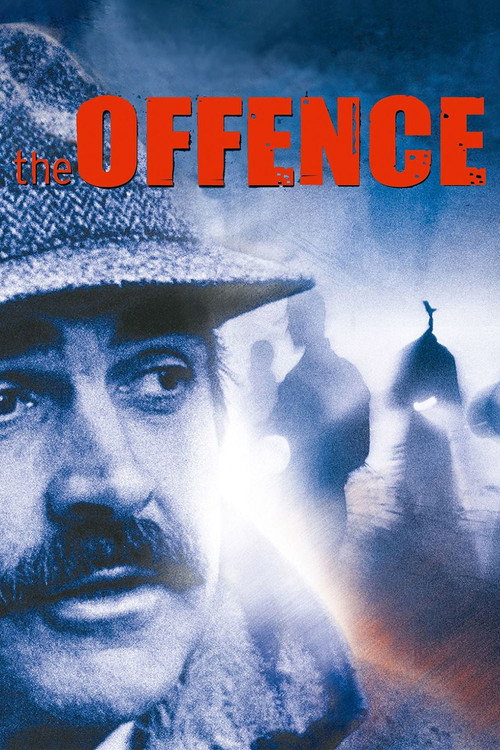
The Offence1973
Sidney Lumet directs Sean Connery as a detective interrogating a child killer. Raw, furious, unflinching about the moral cost of obsession. Connery gives one of his best performances—all barely controlled rage.
But Deeply ugly in its subject matter. Not cathartic; designed to disturb your sense of right and wrong. Demands a particular mood.
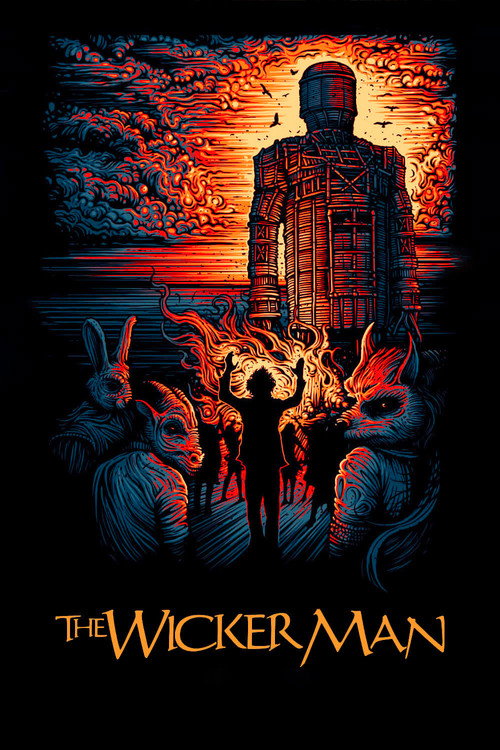
The Wicker Man1973
A cop arrives on a Scottish island to investigate a missing girl and finds himself trapped in a pagan community's logic. Genuinely disorienting—the genius is that you never quite know what you're watching.
But Slow-burn folk horror won't grip you if you need instant momentum. The ending divides people sharply.
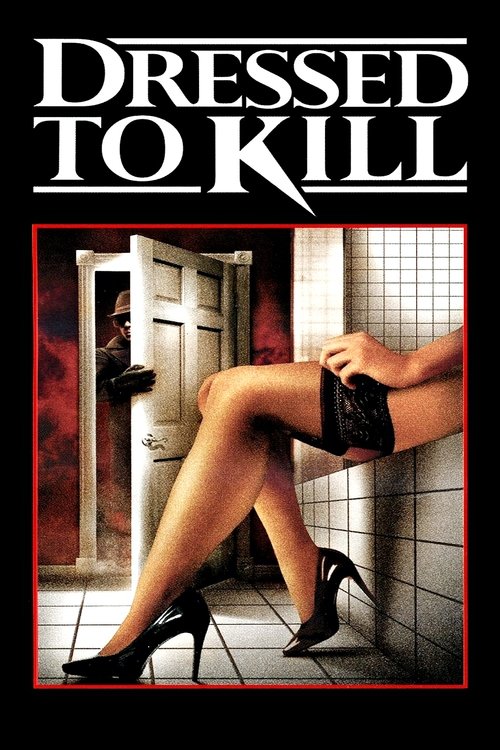
Dressed to Kill1980
De Palma's homage to Hitchcock and giallo, built around a stunning set piece and Michael Caine's performance as a psychiatrist hiding a secret. Gorgeously lit, structurally clever, genuinely tense.
But Trashy and misogynistic in ways that feel deliberate but don't always excuse themselves. Style sometimes overwhelms substance.
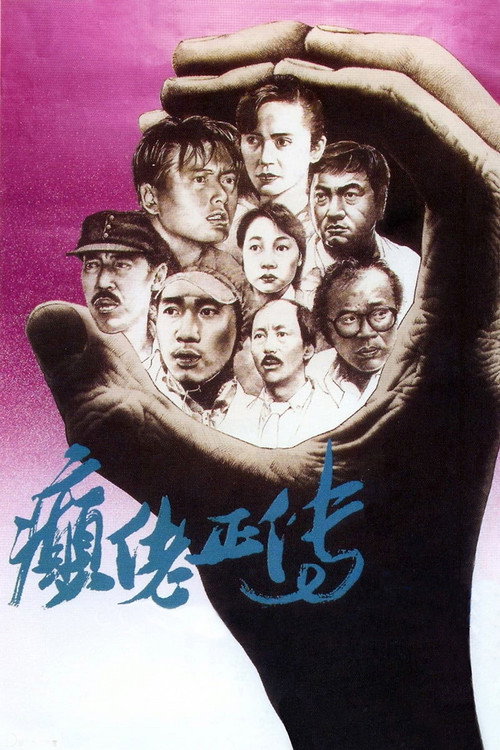
Memories of Murder2003
Bong Joon-ho's masterpiece about detectives hunting a serial killer in '80s South Korea. Tonal shifts between comedy and horror, procedural craft, and a moral ambiguity that haunts you after it ends.
But Two and a half hours; the pacing is deliberately unhurried. The ending refuses catharsis in ways that frustrate some viewers.

The Lunatics1986
Both feature a man who may be possessed or may be losing his mind, and neither film lets you be sure which. But where Grip is a thriller using the ambiguity, Lunatics is pure psychological horror that rejects narrative clarity entirely.
An experimental horror film where a man believes he's possessed by a demon while institutionalized. Deliberately disorienting narrative, grotesque practical effects, and a genuine commitment to rendering mental illness as incomprehensible.
But Low budget and intentionally incoherent—very hard to follow. Some find experimental horror pretentious; this demands engagement with the difficulty itself.
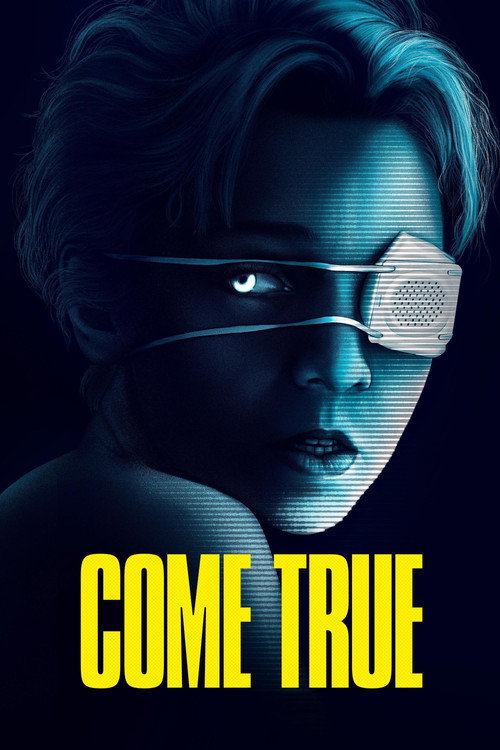
Come True2020
Like Grip, it's about invasion—something external or suppressed taking over the self. But Come True uses dreamlike aesthetics and contemporary unease where Grip uses classic noir mechanics. One is about a killer's ghost; the other about the colonization of sleep itself.
A teenager joins a sleep study and begins experiencing shared nightmares. Hypnotic synth score, visual abstraction, and a commitment to dread that builds patiently. Not a traditional narrative—more a mood and a mystery.
But Art-horror, not genre-horror. The plot resists clarity and rewards patience, not puzzle-solving. If you watch horror to understand what's happening, this will frustrate you.
People
Cast
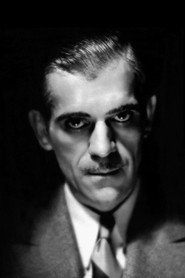 Boris KarloffJames Rankin
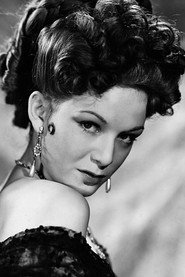 Jean KentCora Seth
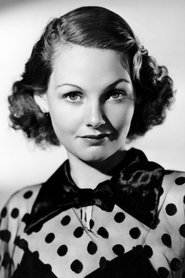 Elizabeth AllanBarbara Rankin
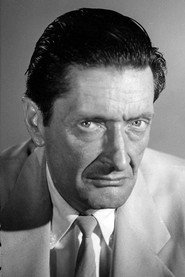 Anthony DawsonSupt. Burk
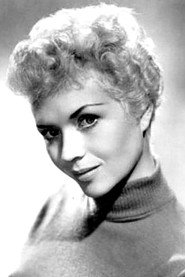 Vera DayPearl
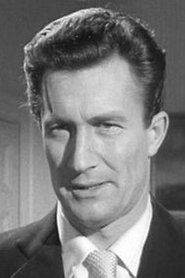 Tim TurnerDr. Kenneth McColl
- Diane AubreyLily Rankin
- Max BrimmellNewgate Prison Turnkey
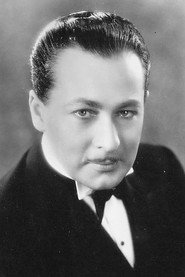 Leslie PerrinsNewgate Prison Governor
- Jessica CairnsAsylum Maid
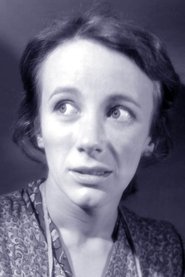 Dorothy GordonHannah
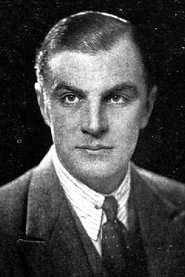 Desmond RobertsDr. Johnson
Directing
- Douglas HickoxAssistant Director
- Robert DayDirector
- Hazel SwiftScript Supervisor
Writing
- Jan ReadOriginal Story
- Jan ReadWriter
- John CroydonWriter
Production
- Richard GordonExecutive Producer
- John CroydonProducer
- Richard GordonProducer
- Ronald KinnochProduction Manager