
Film
The Lunatics
A psychiatrist treats Hong Kong's homeless mentally ill while a journalist documents his work. This is a humane, unsentimental film about dignity and care in crisis, shot with documentary plainness. It's for anyone who wants cinema that looks at vulnerable people and sees them clearly.
If you liked this
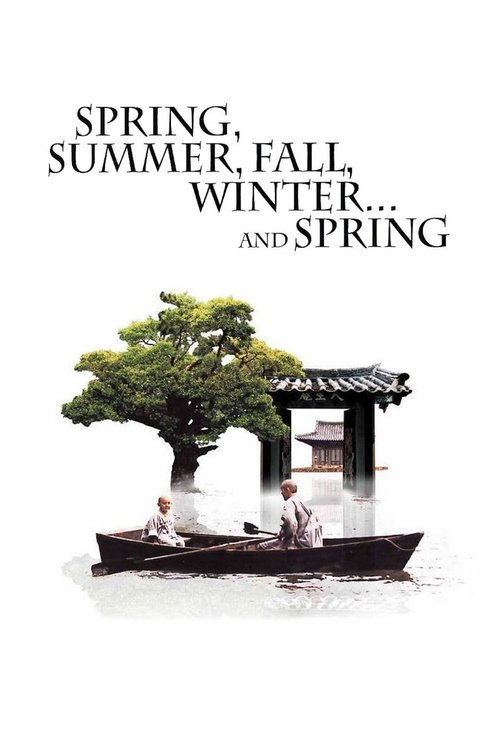
Spring, Summer, Fall, Winter... and Spring2003
A Buddhist monk and his apprentice live in isolation on a lake, aging through seasons and cycles. Like *The Lunatics*, it finds spiritual depth in simplicity and small gestures of care, observing human nature without judgment or score-settling.
But Almost nothing happens. It moves at monastery pace, which means very slowly, and rewards patience more than plot.
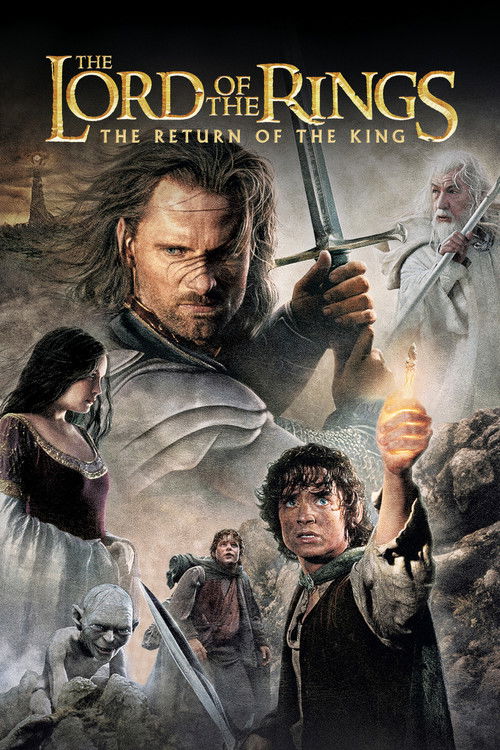
The Lord of the Rings: The Return of the King2003
A man walks into the sea, triggering a portrait of rural community and the mystery of belonging. Sokurov's film shares *The Lunatics*' quiet moral intensity and its belief that understanding someone means watching them, not interrogating them.
But It's elliptical and withholding. The narrative doesn't clarify itself; you have to sit with ambiguity.
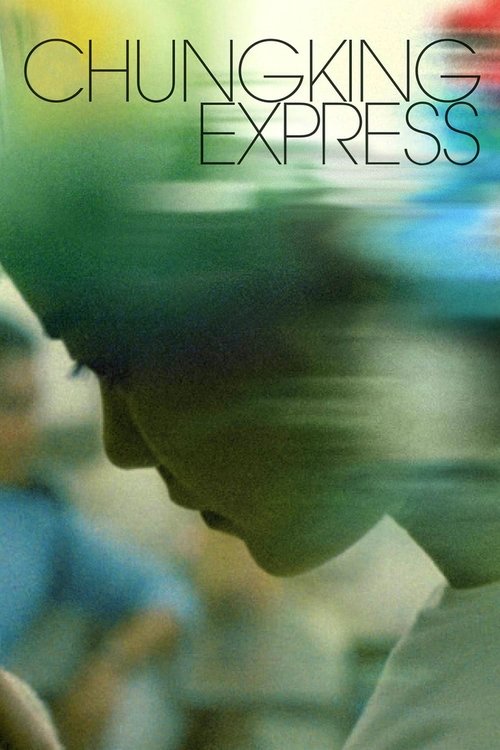
Chungking Express1994
Two lovelorn cops drift through Hong Kong's neon underworld meeting unusual women. Wong Kar-wai captures the same city with tenderness for its loneliness, and finds beauty in people society overlooks.
But The style is maximalist—fast cuts, saturated colour, melancholy pop songs. It's the opposite of *The Lunatics*' plainness, even if the heart is similar.
Not sure tonight? Get a pick in a minute, starting from The Lunatics
The wildcard
Something you would not have found on your own.
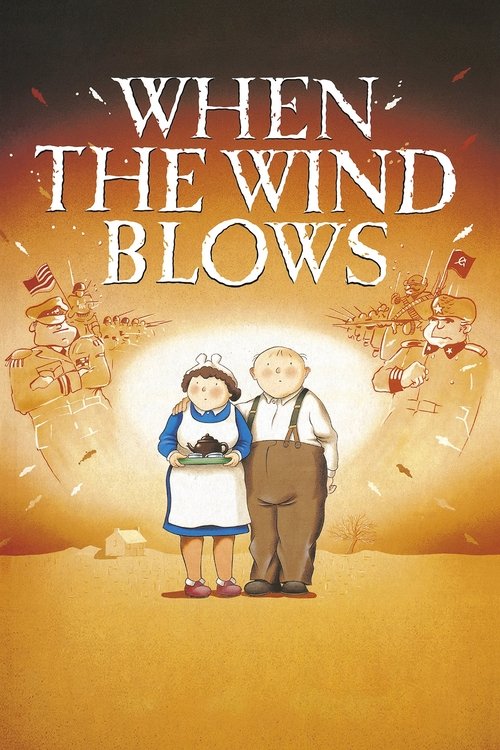
When the Wind Blows1986
Both are 1986 films about care and abandonment, told with a directness that refuses sentiment. Both ask: what do we owe people when systems fail them?
An elderly British couple prepare for nuclear war by following government instructions, animated with dreadful tenderness. It shares *The Lunatics*' moral clarity about systemic failure and its refusal to look away from how institutions abandon the vulnerable—but trades realism for animation, and tragedy for horror.
But It is devastating and will haunt you. The animation is deceptively gentle; the content is not. Many find it almost unwatchable.
More like this (8)
Ikiru1952
A dying bureaucrat discovers meaning by helping others before the end. Kurosawa's masterpiece shares the same quiet faith that serving people—especially the powerless—is what makes a life matter.
But At 143 minutes, it's long and meditative. The second half is devastatingly slow, which is the whole point and also demanding.

Secrets & Lies1996
Mike Leigh watches a Black woman find her biological mother and the family that emerges from that meeting. Like *The Lunatics*, it trusts actors and silences to convey what words can't, finding grace in ordinary hurt.
But Leigh's improvisational method means scenes breathe past their plot point. Some find this alive and true; others find it indulgent.

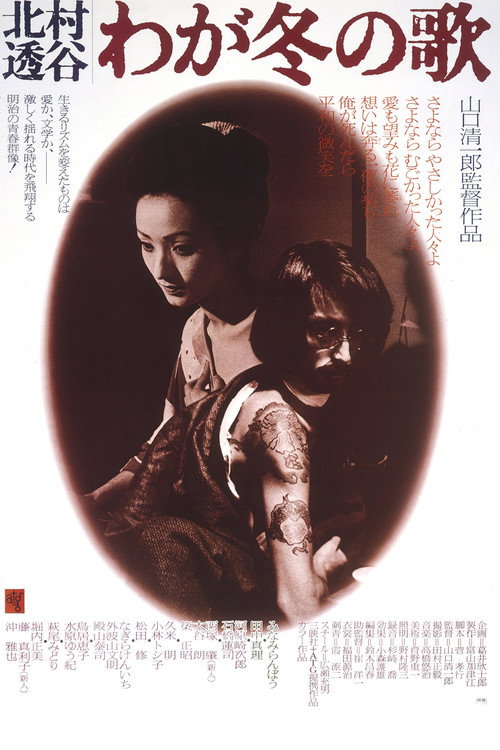
Kitamura Tokoku: My Winter Song1977
An elderly Chinese couple navigate loss and memory in a changing city. Wong Jing's film has the same documentary eye for small kindnesses and the way people hold on to dignity under pressure.
But It's obscure and rarely subtitled well, which makes accessing it its own obstacle.
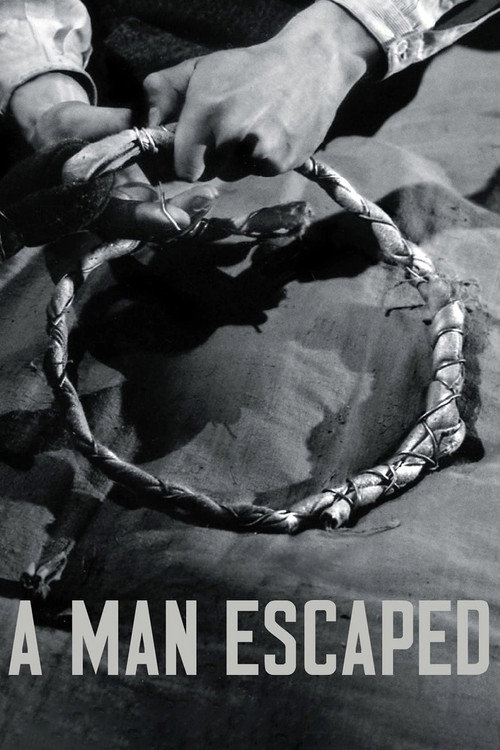
A Man Escaped1956
A French prisoner plans his escape from a Nazi camp with moral precision. Bresson's film shares *The Lunatics*' focus on dignity within constraint, and its belief that how you do something matters more than whether you succeed.
But It's formally austere and refuses melodrama even when the stakes are life and death. That restraint will feel cold to some.
The Ascent1977
Two Soviet partisans struggle through a frozen landscape toward an uncertain fate. Larisa Shepitko's film has the same moral seriousness about suffering and choice, and the same refusal to make pain beautiful.
But It's bleak, slow, and spiritually exhausting. The nihilism is intentional and unrelenting.

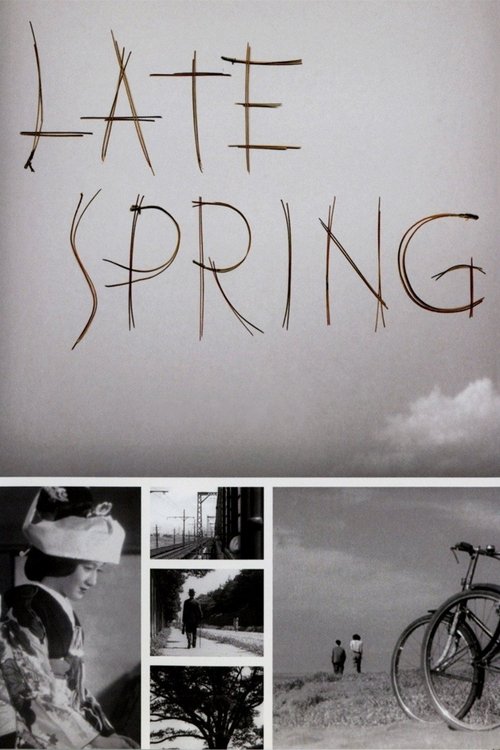
Late Spring1949
An aging widower and his unmarried daughter navigate the unspoken rituals of family life in Japan. Ozu finds the entire universe in what is not said, in tea and seasons and the spaces between people.
But Nothing external happens. For two hours you watch people sit and talk about minor things. If that sounds boring, it will be.
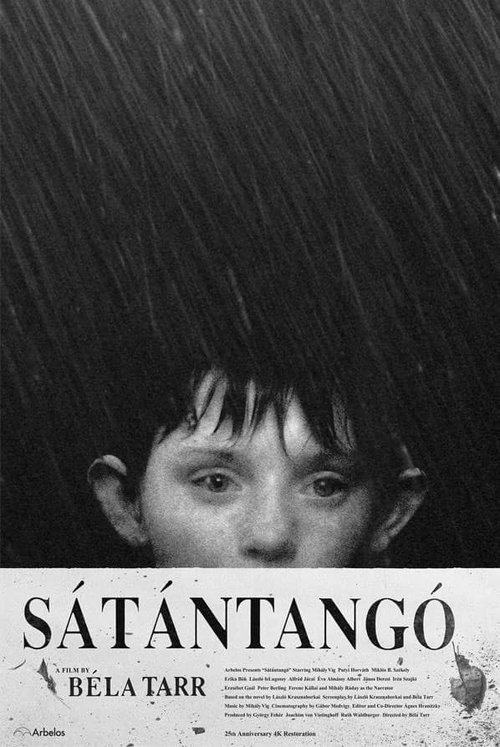
Satantango1994
Both use formal plainness to achieve spiritual depth. Both trust the viewer to see dignity in people marked as broken. Both are interested in what happens when someone pays attention to those no one else notices.
A seven-and-a-half-hour Hungarian film shot in black and white follows a community in collapse as a mysterious stranger arrives. Tarkovksy-influenced, hypnotic, it has *The Lunatics*' documentary approach to human damage and belief that understanding requires time and patience.
But It is nearly eight hours long. It moves at its own speed. It demands surrender in a way most cinema does not.
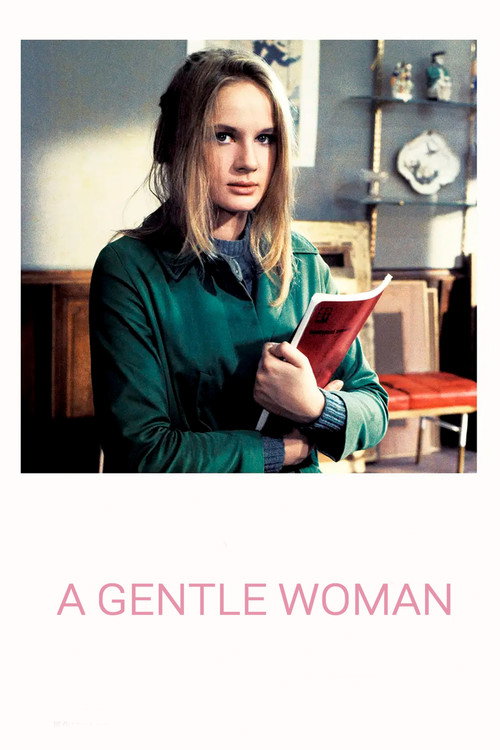
A Gentle Woman1969
Both are about encountering someone in crisis and the helplessness of trying to reach them. Both suggest that sometimes the only dignity available is in bearing witness.
Bresson's film, based on Dostoevsky, follows a wife trying to understand her husband's silence through one brutal day. Like *The Lunatics*, it finds the story in small gestures and refuses to explain emotion, trusting the viewer to know what suffering looks like.
But The coldness is absolute. There is almost no dialogue, no music, no comfort. Bresson believes cinema should clarify, not console.
People
Cast
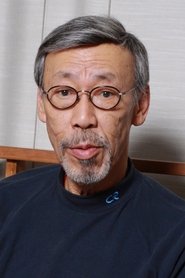 Stanley Fung Shui-FanDr. Tsui
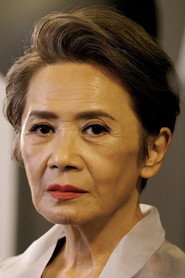 Deanie IpTina Lau
 Paul Chun PuiTsuen
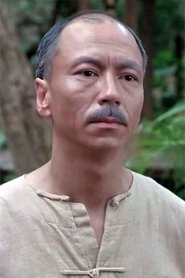
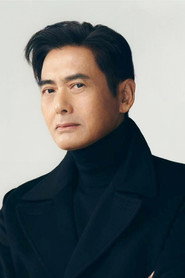 Chow Yun-FatChung
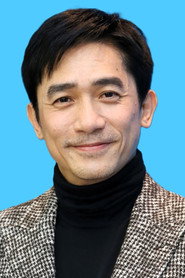 Tony Leung Chiu-waiDoggie
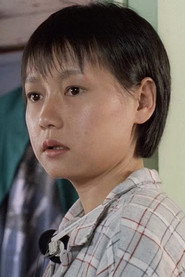 Season MaTeacher
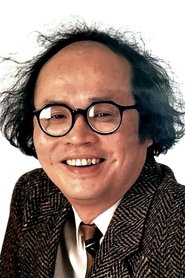 John Shum Kin-FunDr. Shum
- Ma Suk-JanCrazy old woman
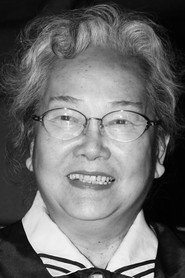 Lai SuenTsuen's mother
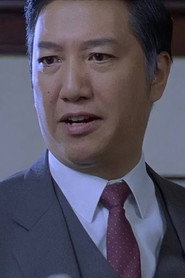 Lo HungDoctor examining Tsuen
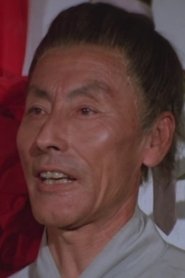 Cheung HeiSong's lunatic friend
Directing
- Yuen BunAction Director
- Derek Yee Tung-SingDirector
Writing
- Derek Yee Tung-SingWriter
Production
- John Shum Kin-FunProducer