
Film
Kitamura Tokoku: My Winter Song
- Biopic
- Slow-burning
A 1977 Japanese biopic centered on a poet's crisis point: New Year's Day 1894, as Kitamura Tokoku recovers from a suicide attempt amid imperial fervor and looming war with China. Through conversations with visiting friends, we trace his life as a civil rights activist, passionate lover, and writer consumed by the desire to live literature authentically. Intimate, melancholic, steeped in late-Meiji intellectual ferment.
If you liked this
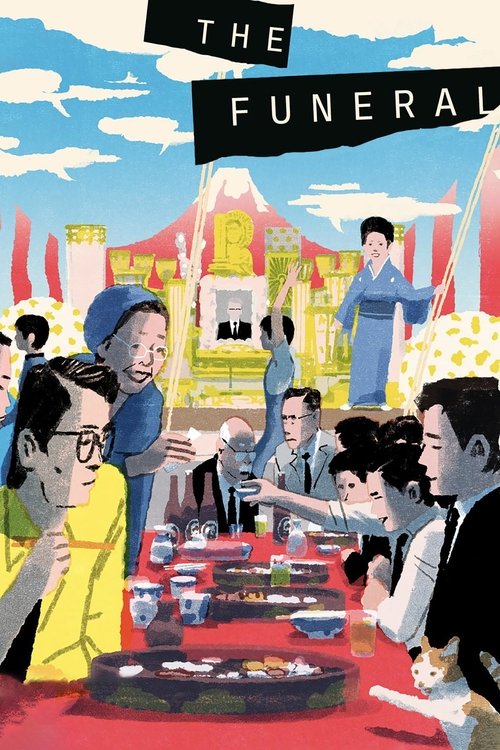
The Funeral1984
Juzo Itami's meditation on Japanese identity, death, and what gets inherited across generations. Shares the intimate domestic setting and dry wit about national mythology, though handled with Itami's characteristic absurdist edge.
But Very funny in ways that might feel tonal whiplash if you're expecting sustained melancholy throughout. The irreverence toward Japanese tradition isn't to everyone's taste.
Harakiri1962
Masaki Kobayashi's masterpiece about honor, suicide, and the brutal machinery of feudal ideology. A different era and genre, but it shares this film's unflinching examination of how personal destruction gets framed as patriotic duty.
But Genuinely difficult to watch. The violence is ritualized but not softened, and the critique of nationalism can feel uncomfortably relevant.

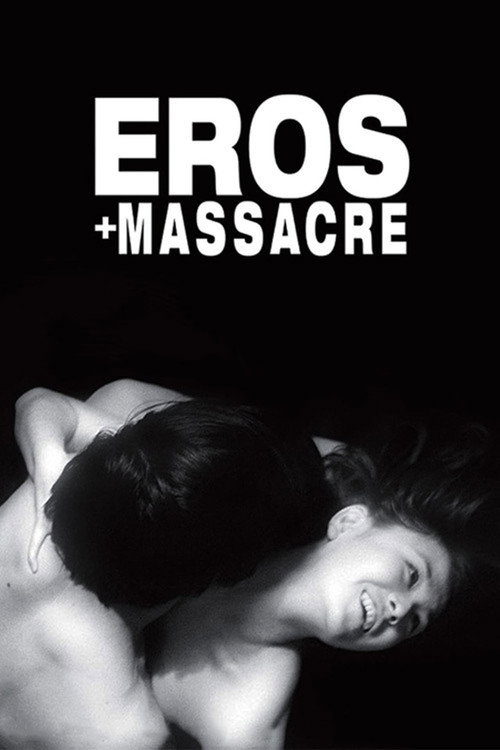
Eros + Massacre1969
Yoshishige Yoshida's experimental take on Meiji-era anarchists and their doomed loves. If you appreciated the collision of politics and passion in Kitamura's story, this goes deeper into that era's intellectual chaos.
But Deliberately fragmented, non-linear editing that some will find brilliant and others impenetrable. Not a conventional narrative at all.
Not sure tonight? Get a pick in a minute, starting from Kitamura Tokoku: My Winter Song
The wildcard
Something you would not have found on your own.
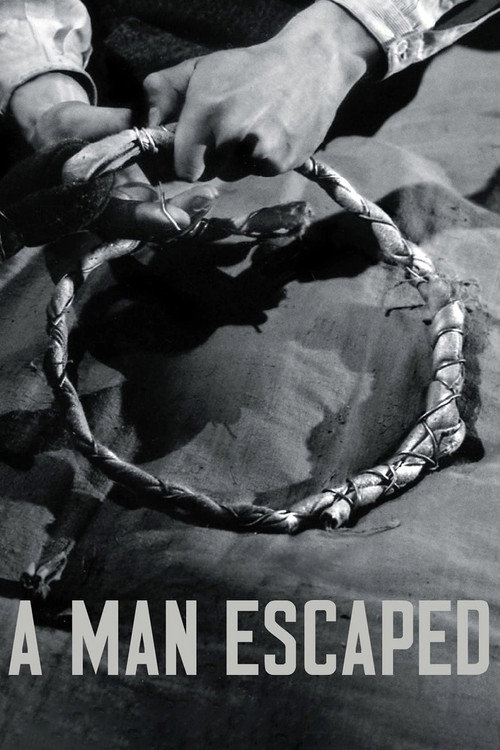
A Man Escaped1956
Both films explore the gap between ideological commitment and personal survival, and whether that gap can ever be bridged.
Robert Bresson's austere masterpiece about a French Resistance prisoner methodically planning escape. It shares Kitamura's obsession with whether a life devoted to an idea—here, liberty—justifies everything sacrificed for it. Both are about men whose conviction becomes indistinguishable from self-destruction.
But Bresson's style is ascetic to the point of coldness. Minimal dialogue, no music, repetitive actions. It reads as anti-dramatic to viewers expecting conventional emotion.
More like this (6)
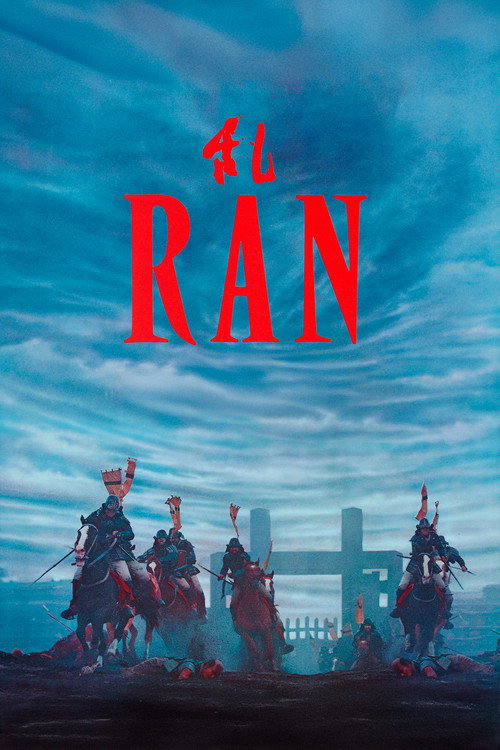
Ran1985
Kurosawa's meditation on power, aging, and the dissolution of self. The scale is epic rather than intimate, but the emotional core—a man confronting what he built and destroyed—resonates with similar despair.
But Three and a half hours, and deliberately paced. The color is operatic rather than naturalistic. You need patience and investment.
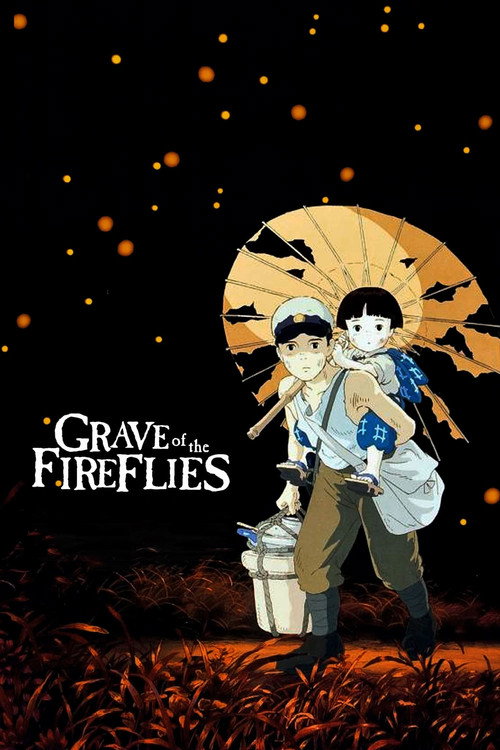
Grave of the Fireflies1988
Isao Takahata's animated requiem for innocence lost to war. The Japanese setting and the refusal to look away from suffering share DNA with this film's darkness, though the register is very different.
But One of the most emotionally devastating films ever made. It's a masterpiece precisely because it doesn't offer consolation. Some evenings that's too much.
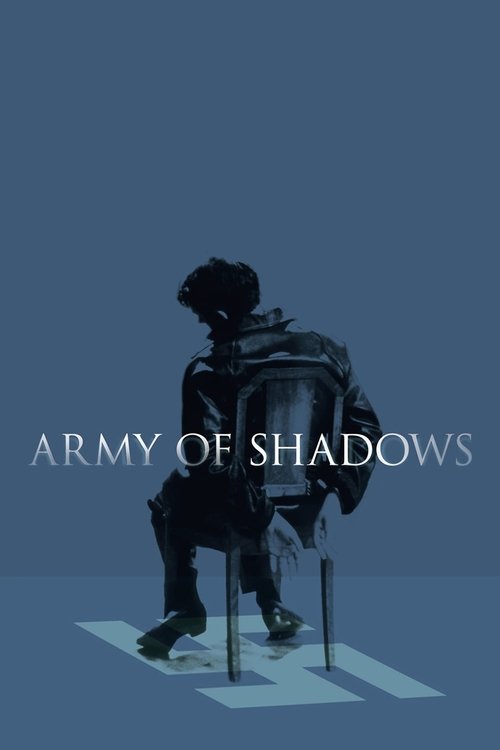
Army of Shadows1969
Melville's study of French Resistance fighters and the moral cost of commitment to a cause. The interrogation of what ideology demands of people mirrors the tension in Kitamura's story, across different nations and eras.
But Cold and procedural rather than emotionally warm. Melville's style keeps you at distance even in moments of extremity. Some find it detached; others think that's the point.
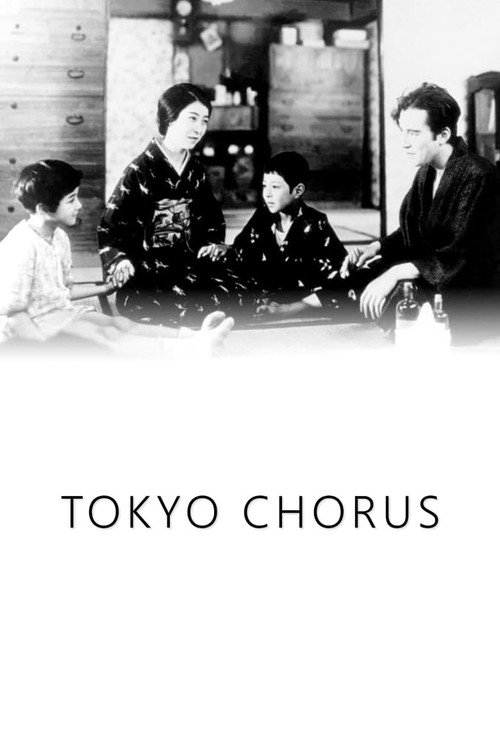
Tokyo Chorus1931
Yasujiro Ozu's portrait of urban middle-class life in transition, with the same gentleness toward private suffering beneath public duty. An earlier Japanese filmmaker's way of seeing similar pressures.
But Very much a product of its era in pacing and style. The political dimensions are subtly embedded rather than stated. Requires patience to appreciate.
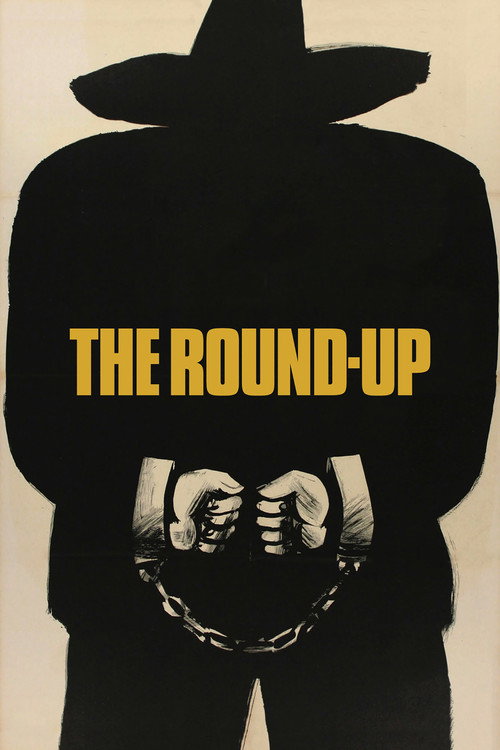
The Round-Up1966
Both films examine how individuals are crushed by historical forces—Kitamura's through intimacy and memory, Jancsó's through formal austerity and repetition.
Miklós Jancsó's Hungarian masterpiece about the aftermath of revolution—interrogation, ideology, the machinery of power grinding on. Shot in long takes across stark landscapes, it's a completely different formal approach to the same historical moment: the collision of personal integrity with state apparatus.
But Very long takes, minimal plot, abstract spatial composition. It operates almost like a philosophical diagram rather than a narrative. Requires active engagement rather than passive watching.
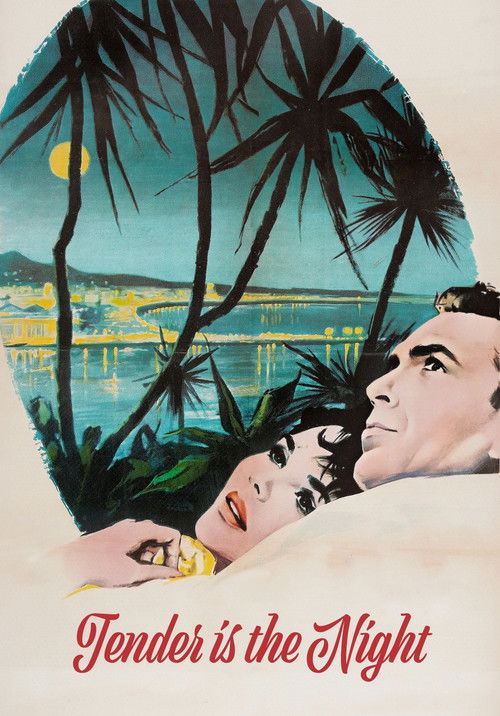
Tender Is the Night1962
Both trace the decline of an idealistic man through romantic obsession and commitment to something bigger than survival.
Henry King's adaptation of Fitzgerald, centered on a man's psychological and moral dissolution across a season. Unlike Kitamura's historical specificity, this is universal romance and failure—but the architecture is the same: looking back from collapse to understand where idealism curdled into ruin.
But Hollywood Cinemascope melodrama, which means lush and a bit dated. If you're seeking something austere, this is sumptuous to the point of occasionally undercutting its own seriousness.
People
Cast



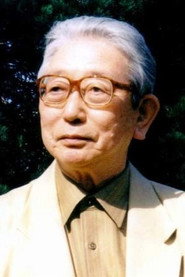
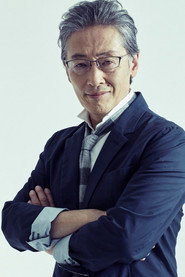

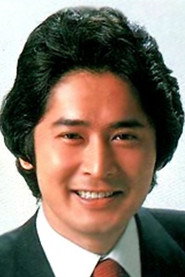
Directing
- Yōichi SaiAssistant Director
- Seiichirō YamaguchiDirector
Writing
- Takayuki KanScreenplay
Production
- Kinshirō KuzuiProducer