
Film
Tokyo Chorus
A 1931 Japanese comedy-drama about a salaryman fighting to keep his family afloat after losing his job for loyalty to a coworker. Yasujirō Ozu's tender, funny portrait of ordinary life under economic pressure—a film that finds grace and dignity in small domestic struggles, with a warmth that feels entirely earned.
Should you watch it?
Watch it if you enjoy gentle, observational comedy about ordinary family life, where small humiliations and quiet dignity matter more than plot, and you don't mind a deliberately unhurried rhythm.
Skip it if you need constant plot momentum or sharp modern pacing; this is leisurely, and its humour is gentle enough that a slow stretch can feel like waiting.
What it asks of you: Around ninety minutes, unhurried and mostly quiet, with the comedy arriving in small observed moments rather than set pieces; it rewards patience more than close plotting.
Not sure? Find tonight's pick in a minute.
If you liked this
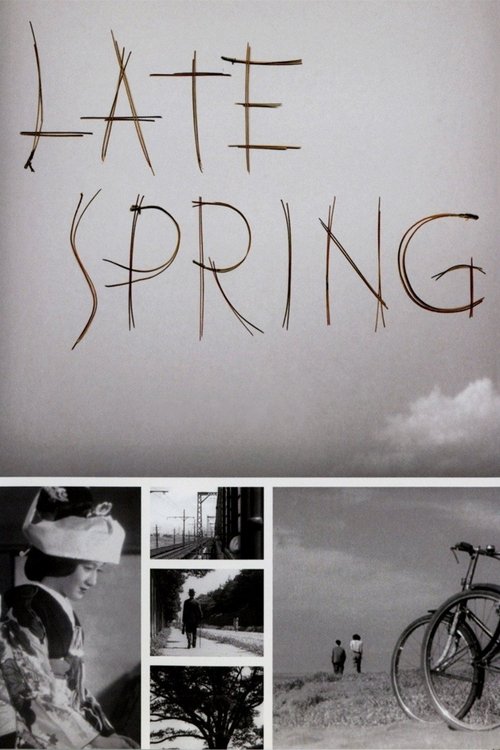
Late Spring1949
Ozu's masterpiece about an aging widower and his daughter navigates loss and family obligation with devastating emotional intelligence. The same gentle insight into ordinary lives, but made when Ozu had perfected his approach.
But Its pace is deliberately slow and meditative; if you want plot momentum, this isn't it. Some find the static camera work dated rather than timeless.
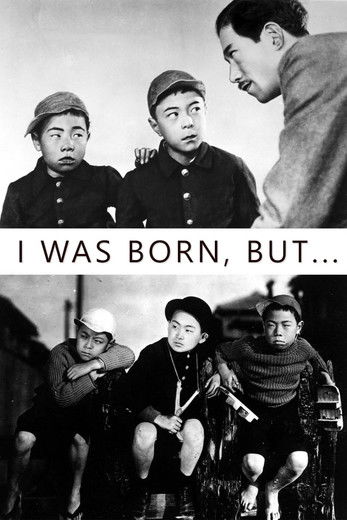
I Was Born, But...1932
Ozu's earlier silent about two brothers navigating school, class, and their father's humiliation is wickedly funny while also capturing childhood's genuine terrors. Raw, sharper-edged than Tokyo Chorus, equally human.
But The silent format demands patience, and the jokes land differently without sound design. Some sequences feel long by modern standards.
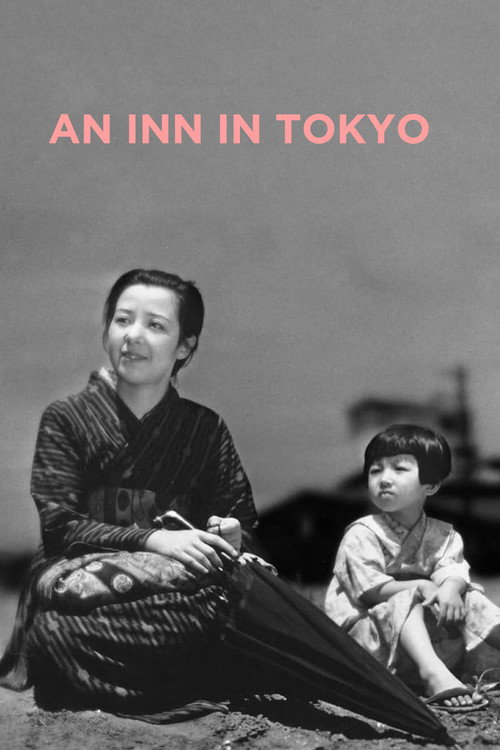
An Inn in Tokyo1935
Three unemployed men form an unlikely family while drifting through Depression-era Tokyo. Ozu again, finding comedy and solidarity in hardship, with a generosity toward his characters that never feels sentimental.
But The translation of period dialogue can feel stiff on screen. It's structurally loose, which works or doesn't depending what you want from cinema.
Not sure tonight? Get a pick in a minute, starting from Tokyo Chorus
The wildcard
Something you would not have found on your own.
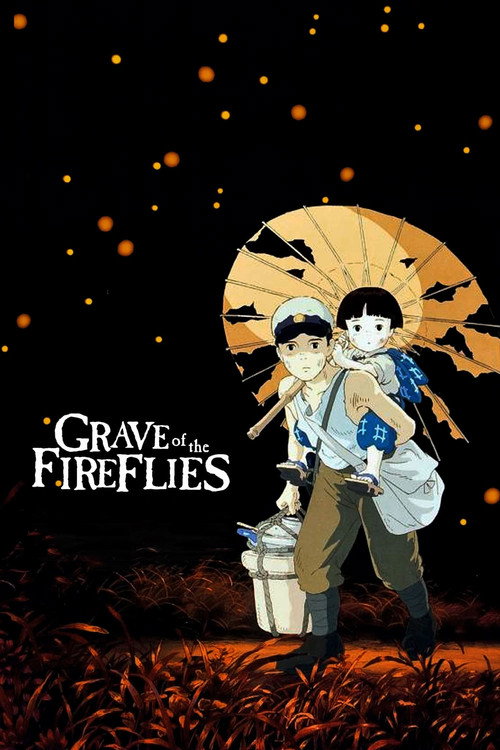
Grave of the Fireflies1988
Both films are built on the same moral foundation: the courage of ordinary people trying to provide for those they love. Tokyo Chorus finds it funny; Grave of the Fireflies finds it heartbreaking. They're the same story in different keys.
Isao Takahata's animated masterpiece about two siblings orphaned in wartime Japan. It's the spiritual successor to Tokyo Chorus—same attention to quotidian survival, same willingness to find tenderness amid destitution, same belief that ordinary love is the only thing that saves us.
But It's animated, which some dismiss; more importantly, it's among cinema's most emotionally devastating films. Nothing about it is easy, and the ending is final.
More like this (8)
Tokyo Story1953
Ozu's most celebrated work: an aging couple visits their sons in postwar Tokyo and finds the world has shifted beneath them. The same patient, loving examination of family, duty, and quiet loss that animates Tokyo Chorus.
But Running 139 minutes with virtually no dramatic incident by conventional standards. The film's power is in tiny moments; if you need external conflict, it won't deliver.

Ikiru1952
Kurosawa's masterpiece about a dying bureaucrat seeking meaning. Like Tokyo Chorus, it finds profound humanity in an ordinary man's struggle, but with greater emotional intensity and a more explicit reckoning with mortality.
But Considerably heavier and more devastating than Tokyo Chorus. The second half becomes increasingly bleak before offering redemption that some find schematic.

Floating Clouds1955
Mikio Naruse's portrait of a couple unraveling in postwar Japan—tender where it needs to be, unflinching about desire, disappointment, and the gap between intention and survival. Deeply human social realism.
But The relationship deteriorates without neat resolution. It's a film that shows you pain rather than resolving it, which can feel unfinished if that's not what you're after.

Bicycle Thieves1948
De Sica's Italian neorealist classic about a working man searching for his stolen bicycle. Like Tokyo Chorus, it's fundamentally about dignity, family, and economic anxiety—but made in postwar Rome with devastating simplicity.
But The ending is bleaker than Tokyo Chorus; there's less warmth and humor to soften the social criticism. Some find it emotionally punishing.

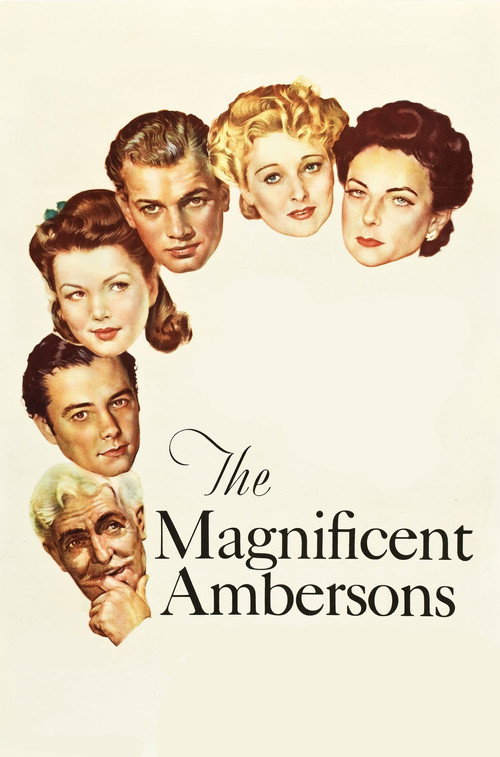
The Magnificent Ambersons1942
Welles explores family decline with a tenderness surprising from him. It's about watching a world change and people unable to change with it—a different register from Tokyo Chorus, but the same fundamental concern.
But The studio-imposed ending feels compromised; the film you want is warring with the film that exists. Welles partisans find this frustrating in a way that obscures what's actually there.
The Third Man1949
Carol Reed and Graham Greene made a film noir that's also about friendship, loyalty, and the cost of principle in a broken world. Morally complex, visually stunning, and it cares about its characters' integrity.
But It's a thriller first, not a domestic comedy. If you come for Tokyo Chorus's warmth, you'll find moral ambiguity and betrayal instead.

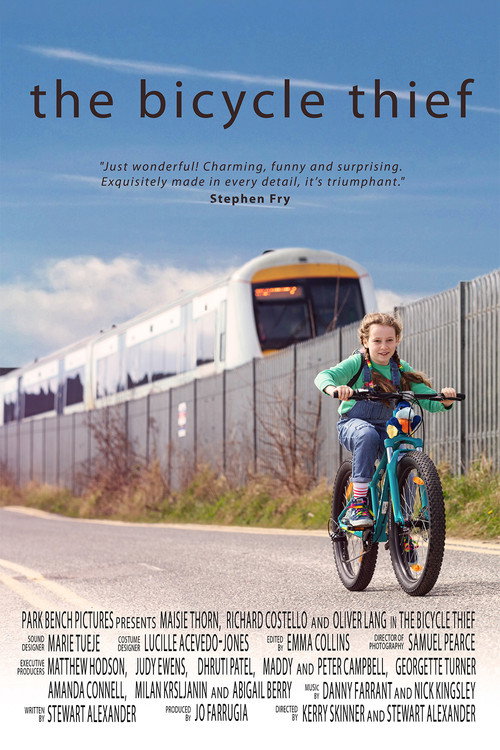
The Bicycle Thief2018
Both films are about men fighting to keep their dignity under economic conditions designed to strip it away. Tokyo Chorus argues that warmth and loyalty might save you; this film argues they probably won't, but you might laugh anyway.
A contemporary remix of the neorealist form—a man trying to survive by app-based gig work in recession Rome. It refuses the sentimentality of its source material while keeping its political conscience. Funny, bitter, structurally audacious.
But It's deliberately formal and self-aware about cinema itself; that self-consciousness can feel alienating. The humor is sharp-edged, not warm, and some viewers find it smart rather than moving.
A Separation2011
Both films measure their characters by how they handle obligation in impossible circumstances. Tokyo Chorus says loyalty might destroy you but you do it anyway. A Separation asks if loyalty was ever real, or just something we tell ourselves.
Asghar Farhadi's Iranian masterpiece about a marriage unraveling into a custody battle and a moral labyrinth. Like Tokyo Chorus, it's about what we owe each other and whether principle is a luxury or a necessity—but it makes the problem irresolvable.
But It's deliberately ambiguous about who's right; many viewers find that maddening. It's also intensely claustrophobic and legal-procedural in places, nothing like the warmth of Tokyo Chorus's domestic comedy.

People
Cast
 Tokihiko OkadaShinji Okajima
 Emiko YagumoTsuma Sugako
 Hideo SugawaraSono Chounan
 Hideko TakamineSono Choujo
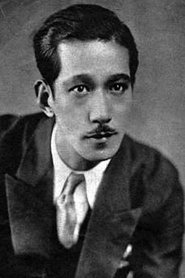 Tatsuo SaitōOmura Sensei
 Chōko IidaSensei no tusma
 Takeshi SakamotoRou-Shain Yamada
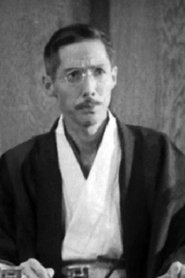 Reikō TaniShachou
 Kenichi MiyajimaHisho
 Isamu YamaguchiKaisha no Douryou

Directing
- Akira KiyosukeAssistant Director
- Hamao NegishiAssistant Director
- Kenkichi HaraAssistant Director
- Yasujirō OzuDirector
Writing
- Kōgo NodaScreenplay
- Kōgo NodaStory
- Komatsu KitamuraStory