
Film
An Inn in Tokyo
A 1935 chamber piece about poverty in industrial Tokyo, following an unemployed man and his sons as they drift through the city meeting other dispossessed people. Intimate, observational, almost documentary in its refusal to judge or sentimentalize. Ozu at his most tender and clear-eyed. For anyone who loves quiet humanism and the grace in ordinary suffering.
Should you watch it?
Watch it if you love quiet, observant portraits of ordinary poverty, where the drama lives in small gestures between children and a worn-down father rather than in plot.
Skip it if you need momentum, since the film drifts through long walks and loose episodes at an unhurried pace that some viewers will find sleepy.
What it asks of you: Eighty minutes of patient, low-key observation, with long static frames and a mood that stays close to hardship without ever turning melodramatic.
Not sure? Find tonight's pick in a minute.
If you liked this
Tokyo Story1953
Ozu's masterpiece about family, time, and the ache of connection. If you respond to An Inn in Tokyo, this is where his method reaches its peak—meditative, unhurried, devastatingly moving.
But At 136 minutes with no plot in the conventional sense, it asks you to sit with mood and nuance rather than incident. Some find it slow.

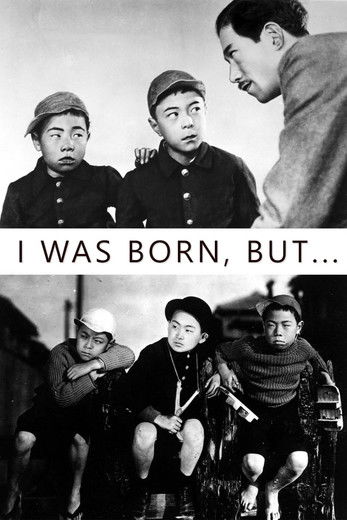
I Was Born, But...1932
Ozu's earlier comedy about two boys discovering the gap between their father's dignity at home and his servility at work. Funny and heartbreaking in equal measure, with the same economic precision as An Inn in Tokyo.
But Silent film with intertitles; the comedy rhythms may feel foreign if you're used to sound cinema.
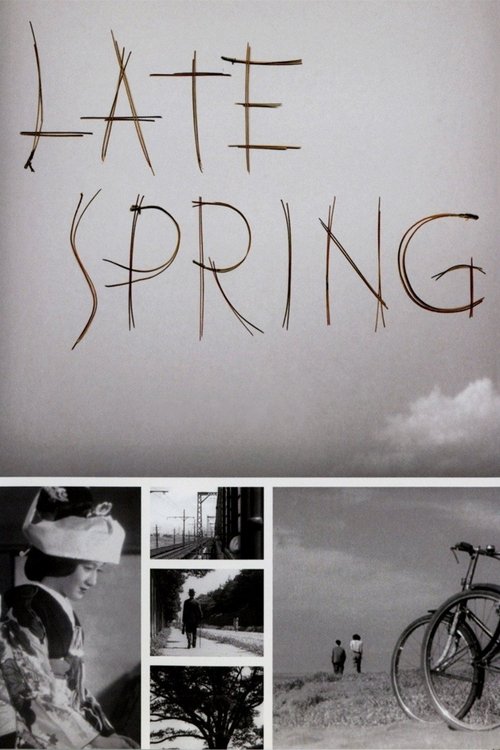
Late Spring1949
Ozu again, this time about a widower and his daughter navigating the space between them as she faces marriage. Tender, funny, with his signature low angles and patient camera. Essential viewing.
But The emotional payoff depends entirely on accepting the film's gentle pace and its faith in silence and stillness.
Not sure tonight? Get a pick in a minute, starting from An Inn in Tokyo
The wildcard
Something you would not have found on your own.
Come and See1985
Both use the vulnerability of ordinary people—especially youth—as their moral center. Ozu watches them endure; Klimov watches them shattered. Different registers, same question: how does a person survive?
Elem Klimov's ferocious Soviet war film follows a boy conscripted into the Red Army. Like An Inn in Tokyo, it's about the destruction of innocence through economic and social forces—but where Ozu is gentle, this is howling and apocalyptic. The same moral clarity, inverted into horror.
But It is graphically violent and genuinely traumatic. Not a film to recover from quickly. Some viewers find it unwatchable.

More like this (7)
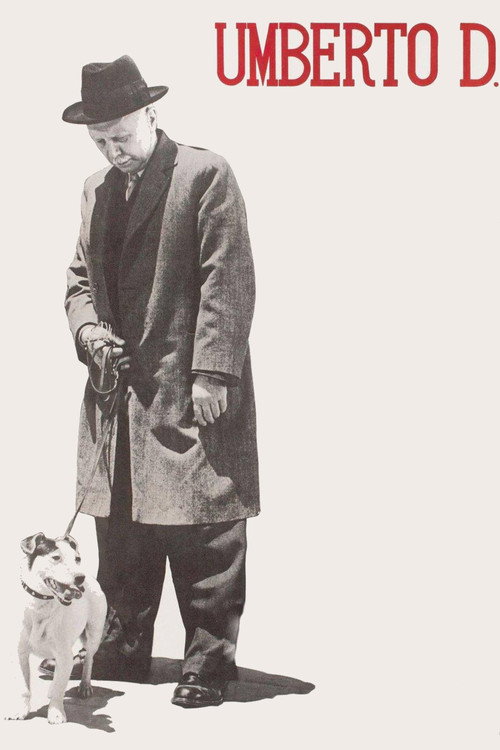
Umberto D.1952
De Sica's neorealist portrait of an elderly pensioner and his dog struggling through Rome. Same DNA as An Inn in Tokyo—dignity in hardship, no melodrama, profound humanity in the smallest gestures.
But Unrelentingly bleak and slow. There is no triumph here, only the weight of daily survival.
Bicycle Thieves1948
De Sica's masterpiece about a man searching for his stolen bicycle through postwar Rome. Like An Inn in Tokyo, it finds moral weight in economic desperation and ordinary people's quiet endurance.
But The ending is devastating in a way that offers no comfort or resolution. Some viewers find it punishing.

Harakiri1962
Masaki Kobayashi's masterwork about ritual, honor, and the cruelty of systems. Like An Inn in Tokyo, it's interested in how individuals survive within structures designed to crush them—but here the stakes are life and death.
But Visually stark and emotionally brutal. The philosophical weight can feel oppressive rather than meditative.

Ikiru1952
Kurosawa's portrait of a dying bureaucrat seeking meaning. Shares An Inn in Tokyo's interest in ordinary lives and quiet dignity, shot through with the urgency of mortality. Unforgettable.
But The second half shifts into a more theatrical register that some find sentimental compared to the first half's restraint.

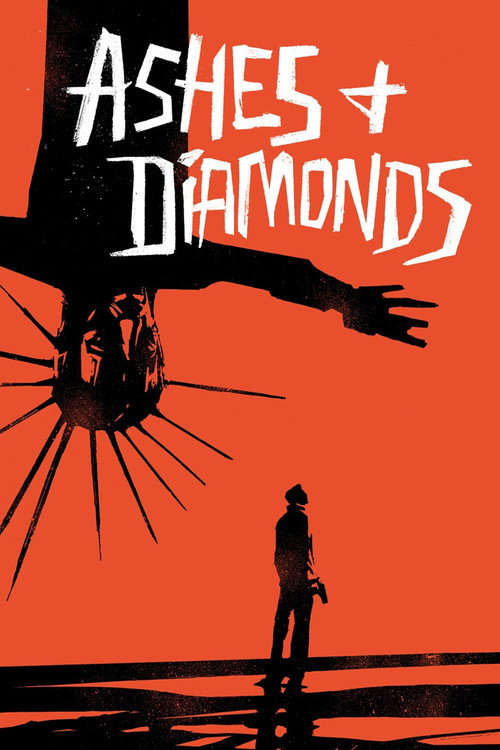
Ashes and Diamonds1958
Andrzej Wajda's postwar Polish masterpiece about a young man caught between ideology and survival. The same economy of gesture as An Inn in Tokyo, applied to political rupture and moral ambiguity.
But The political context is specific to Poland; some scenes rely on historical knowledge to land fully.
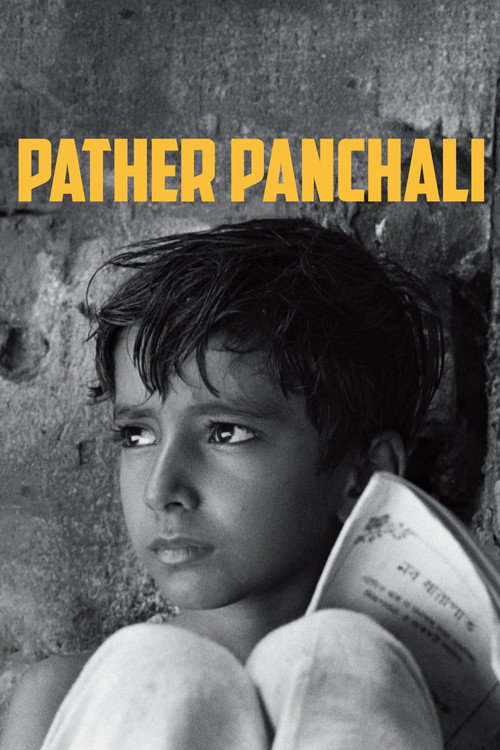
Pather Panchali1955
Both are anthropological dramas about poverty that refuse to make poverty poetic or redemptive. They simply watch, and trust us to feel the weight.
Satyajit Ray's debut about a poor Brahmin family in rural Bengal. Shot with the same patient, loving attention to everyday detail as An Inn in Tokyo, but in color, in India, with a different texture entirely. Achingly beautiful and never condescending.
But At 125 minutes, it moves by mood and season rather than plot. Some find the pacing glacial; others find it hypnotic.
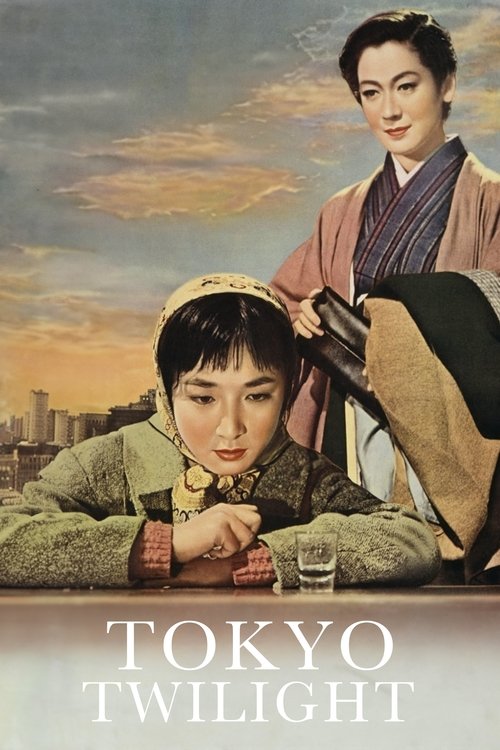
Tokyo Twilight1957
Made 22 years later, it's Ozu returning to similar terrain—family, Tokyo, economic struggle—but finding it darker, more dispersed. A before-and-after with itself.
Ozu's late film about two sisters and their aging father, set in a Tokyo that has changed since An Inn in Tokyo was made. It's Ozu reckoning with modernization, family fracture, and time's passage. A spiritual sequel to his earlier work.
But It's melancholic without offering the consolation of community that An Inn in Tokyo finds. The characters feel more alone, and the film means it.
People
Cast
 Takeshi SakamotoKihachi
 Yoshiko OkadaOtaka
 Chōko IidaOtsune
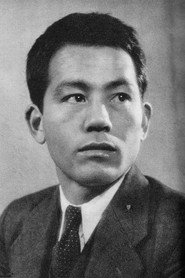 Chishū RyūPoliceman
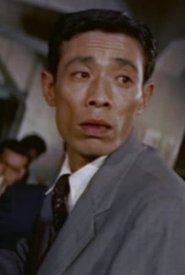 Tomio AokiZenko
- Kazuko OjimaKuniko
- Takayuki SuematsuMasako
Directing
- Yasujirō OzuDirector
Writing
- Masao ArataScreenplay
- Tadao IkedaScreenplay
- Yasujirō OzuStory