
Film
The Offence
- Police procedural
- Drama
- Very dark
A brutally intimate portrait of a detective's psychological collapse. Sean Connery plays a cop interrogating a suspected child molester, and what unfolds is less procedural than psychological autopsy—a descent into the moral rot of trauma and complicity. It's visceral, uncomfortable, and deeply British in its refusal to look away.
If you liked this
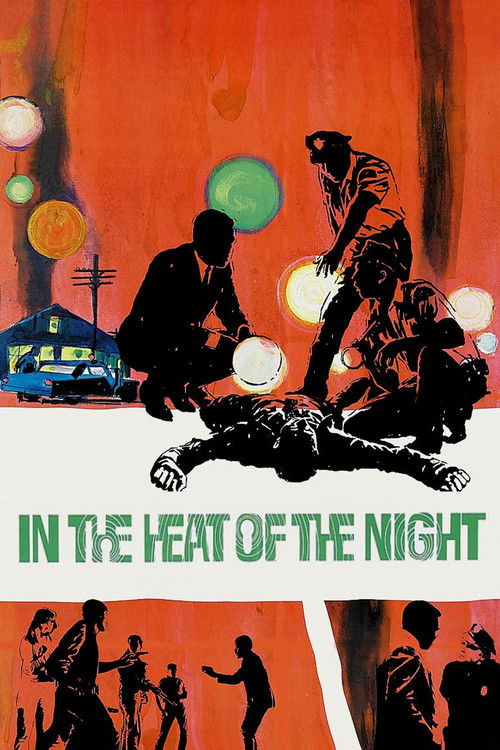
In the Heat of the Night1967
Sidney Poitier and Rod Steiger in a taut Southern thriller about a murder investigation. The interrogation scenes crackle with tension, and it explores systemic corruption with surgical precision and moral clarity.
But It's a product of its era and occasionally feels like it's explaining itself to the audience. The social messaging, however justified, can override character complexity.
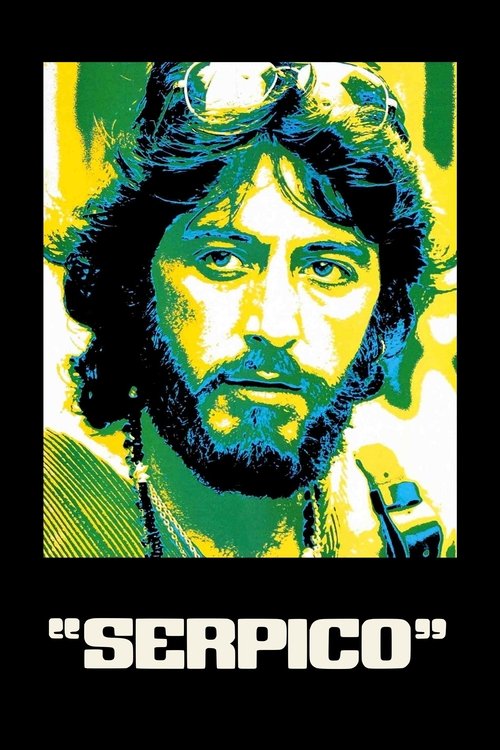
Serpico1973
Al Pacino as a cop crushed by the weight of institutional corruption. Like Connery's detective, his protagonist is slowly poisoned by the system, and the film doesn't provide false catharsis as salve.
But Nearly two and a half hours, and it builds as a slow burn rather than delivering momentum. Some viewers find the pacing tedious; others call it meditative.
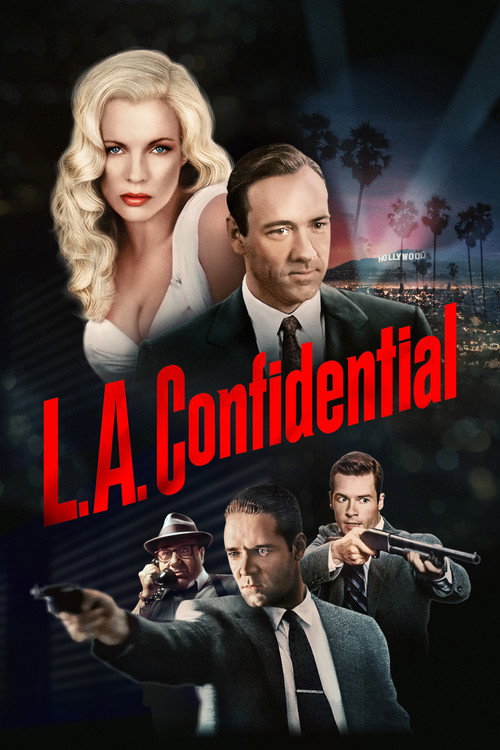
L.A. Confidential1997
A perfectly constructed 1950s LA noir with corruption at its heart. Multiple detectives, each compromised differently, all trapped in a system that rewards brutality. Taut, clever, and morally complex without preaching.
But If you go in expecting a straightforward whodunit, the character ambiguity might frustrate. It's interested in how cops become corrupt, not in simple right and wrong.
Not sure tonight? Get a pick in a minute, starting from The Offence
The wildcard
Something you would not have found on your own.
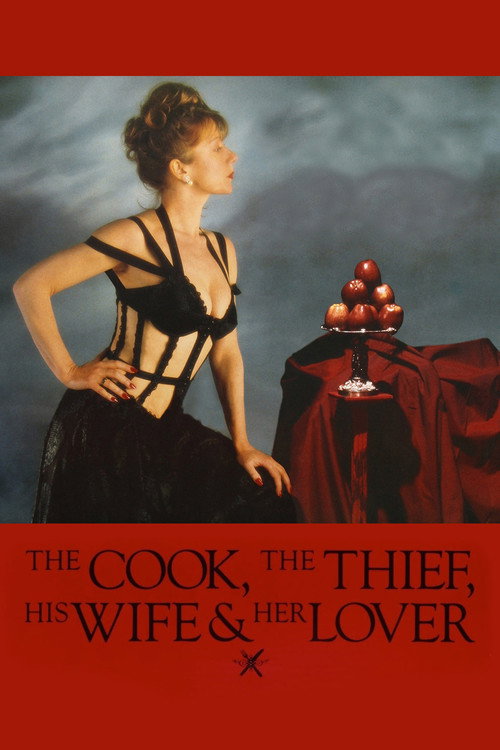
The Cook, the Thief, His Wife & Her Lover1989
Both are British films from an era obsessed with depicting male violence not as thriller spectacle but as systemic sickness. Both use interrogation or confinement as their primary setting for moral collapse.
Peter Greenaway's baroque nightmare about power, control, and brutality rendered as high art. It shares The Offence's refusal to look away from violence and its fascination with masculinity as disease. Visually arresting where Offence is psychologically raw.
But It's intentionally repellent and designed to alienate. The aestheticism and deliberate provocation feel like performance art rather than character drama. Genuinely difficult to sit with.
More like this (8)
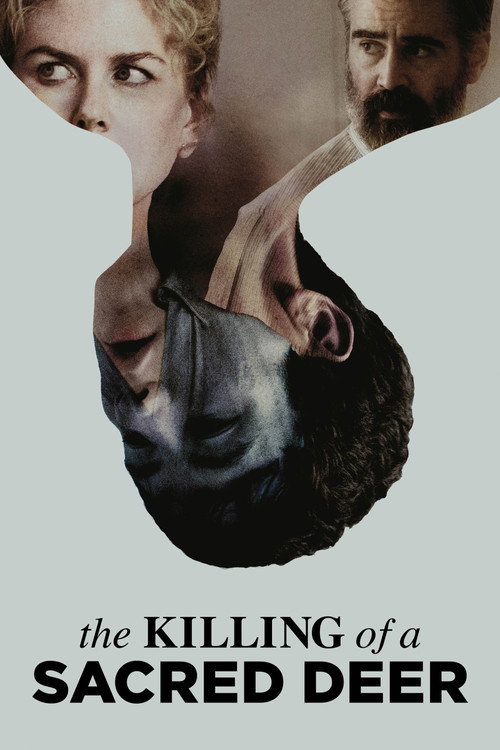
The Killing of a Sacred Deer2017
Yorgos Lanthimos transforms a Greek myth into a modern moral nightmare. Methodical, haunting, and obsessed with guilt and complicity. It has The Offence's willingness to make you deeply uncomfortable.
But Lanthimos's coldness and formal precision are acquired tastes. Some find it glacial and remote rather than emotionally gripping. The pacing is deliberately artificial.
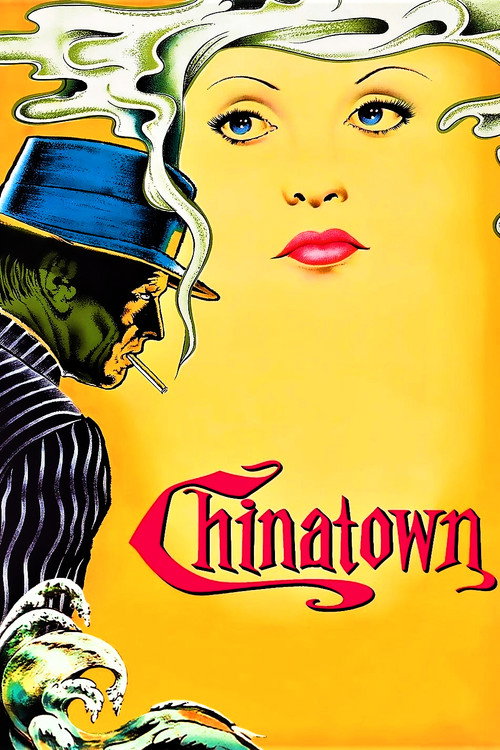
Chinatown1974
Jack Nicholson as a private detective suffocated by corruption so total it corrupts him too. Polanski's masterpiece of institutional rot. Nihilistic, gorgeous, and it ends where it must.
But It's been canonized so thoroughly that seeing it fresh is almost impossible. And if you're expecting noir clarity, the plot deliberately obfuscates resolution and meaning.
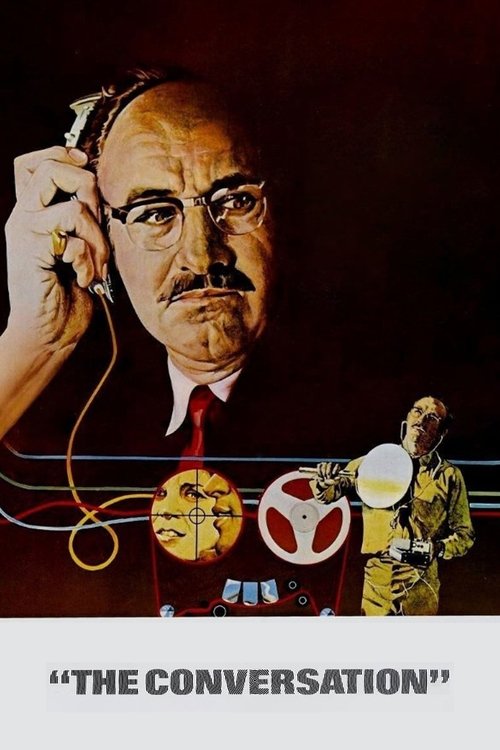
The Conversation1974
Gene Hackman as a surveillance expert hollowed out by his work. Coppola's paranoid meditation on complicity and moral responsibility. Eerily prescient and psychologically devastating.
But It moves slowly and demands your attention. The resolution is deliberately unsatisfying because the horror is internal. Some find it dated or slow in ways that don't serve the story.
Spotlight2015
Journalists investigating institutional child abuse. It's procedural, but infused with moral weight and genuine anger. The ensemble work is exceptional, and the pacing is propulsive without being flashy.
But It's earnest and mission-driven in ways that can feel conventional. If you want moral ambiguity or stylistic flair, this is austere and businesslike.

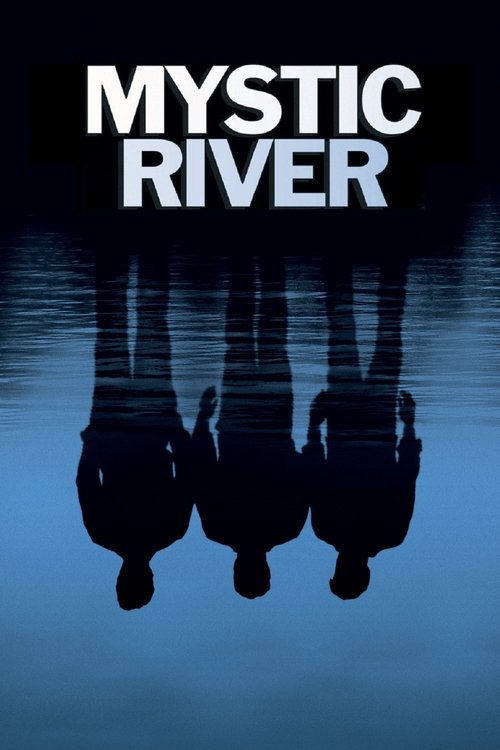
Mystic River2003
Three childhood friends destroyed by proximity to a murder. Eastwood doesn't resolve guilt or innocence neatly; it sprawls and devastates. Corruption is personal, not institutional, and equally crushing.
But It's bleak and long. The emotional weight accumulates to the point of exhaustion. Some feel the tone is relentlessly grim without enough texture.
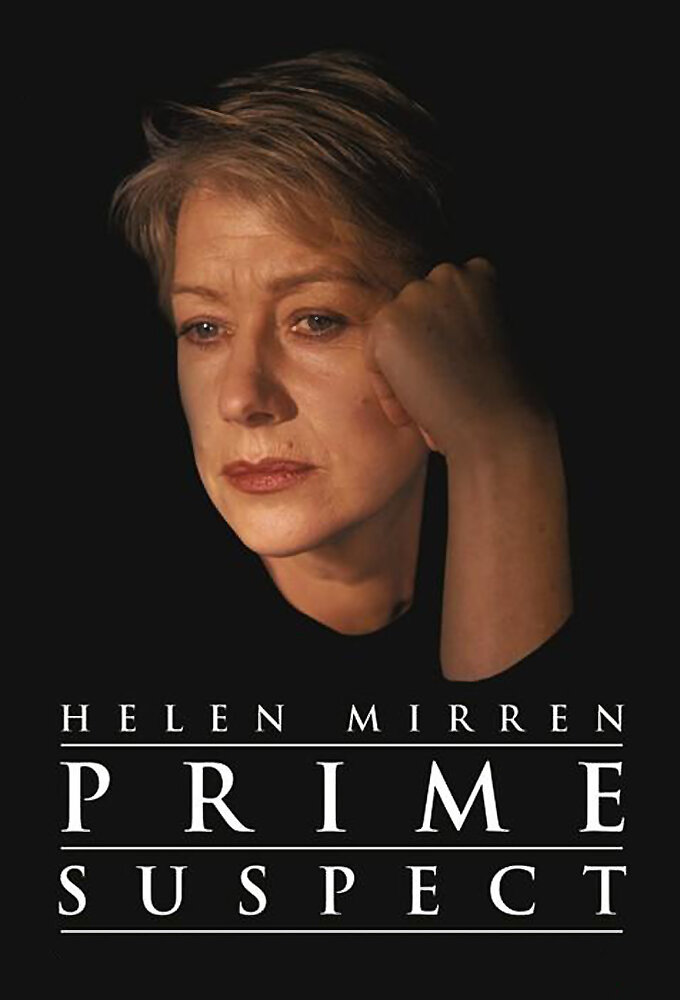
Prime Suspect1991
Helen Mirren as DCI Tennison in a procedural that grinds through institutional sexism and corruption with unflinching detail. British police work at its most credible and its most morally compromised.
But It's dated visually and structurally it's TV-procedural rather than cinema. The first episode is the strongest; later episodes rest on established momentum rather than surprise.
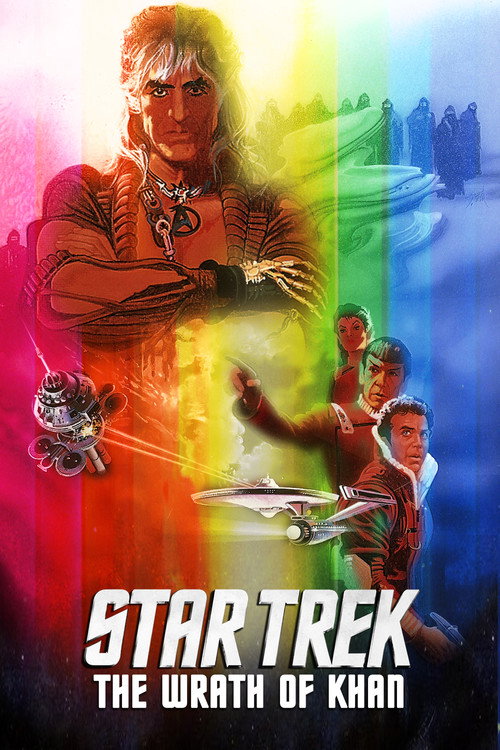
Star Trek II: The Wrath of Khan1982
Both films are fascinated by a powerful man's psychological unraveling. Khan's obsession with revenge is the inverse of Johnson's breakdown, but both explore how containment—literal or emotional—fractures personality.
Khan is a Connery surrogate—aging, wounded, driven by resentment that has calcified into pathology. It's Connery playing the inverse of the hero: corrupt, seductive, destroyed by obsession. Ricardo Montalbán is extraordinary.
But It's Star Trek, so expectations are genre-bound. If you're watching it for psychodrama rather than adventure, the science-fiction machinery is intrusive. And yes, it requires knowledge of the universe.
Come and See1985
Both films are structured as descents into a kind of madness triggered by proximity to atrocity. Both use confined spaces and extended scenes to trap you in psychological deterioration. Neither offers redemption or narrative resolution as comfort.
A Soviet film about a teenager swept into WWII brutality. It's a descent into genuine horror rendered with unflinching clarity. Like The Offence, it's about trauma's capacity to annihilate the self. Utterly devastating.
But It's an ordeal. The violence is not stylized; it's meant to damage you. The pacing is glacial in service of psychological realism. Most viewers find it almost unbearably difficult.

People
Cast
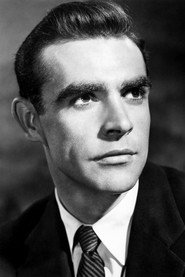 Sean ConneryDetective Sergeant Johnson
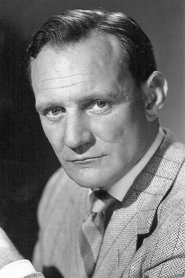 Trevor HowardLieutenant Cartwright, Detective Superintendant
 Vivien MerchantMaureen Johnson
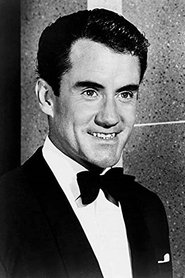 Ian BannenKenneth Baxter
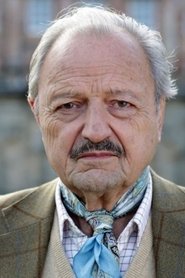 Peter BowlesDetective Inspector Cameron
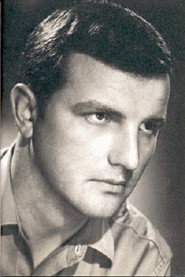 Derek NewarkFrank Jessard
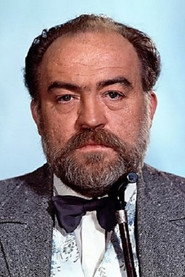 Ronald RaddLawson
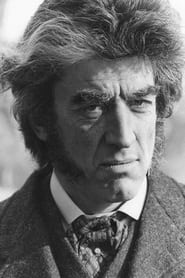 John HallamPanton
- Anthony SagarHill
- Maxine GordonJanie
- Hilda FenemoreWoman on Common
- Cynthia LundChild at School
Directing
- Angela AllenContinuity
- Sidney LumetDirector
- Ted SturgisFirst Assistant Director
- Michael StevensonSecond Assistant Director
Writing
- John HopkinsWriter
Production
- Arthur DaveyAccountant
- Anne DonneCasting
- Denis O'DellProducer
- Victor PeckProduction Manager