
Film
Broken Lullaby
- War drama
- Very dark
- Slow-burning
A French soldier haunted by killing a German musician during WWI travels to his victim's home to seek forgiveness. Directed by Ernst Lubitsch with quiet intensity, it's a meditation on guilt, empathy across enemy lines, and whether redemption is possible. For anyone moved by intimate human drama over spectacle.
Should you watch it?
Watch it if you are drawn to quiet, character-driven wartime dramas where guilt and conscience carry the weight, and you find music a fitting thread for a story about a man's moral reckoning.
Skip it if you want battlefield action or a brisk pace, since this is dialogue-heavy and stays with its mood for most of its seventy-six minutes.
What it asks of you: Be ready for a short, unhurried black-and-white film built on long conversations and held silences, where you have to keep listening closely.
Not sure? Find tonight's pick in a minute.
If you liked this
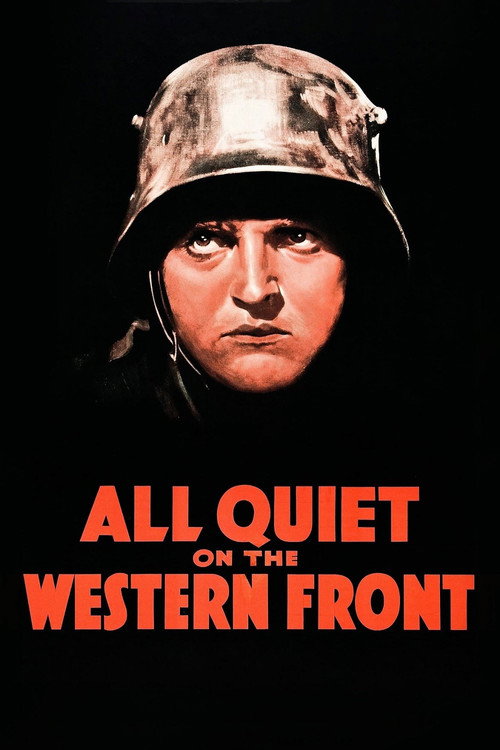
All Quiet on the Western Front1930
The definitive WWI film—brutal, unflinching, and profoundly humanizing. Follows soldiers on both sides with devastating empathy. If Broken Lullaby's guilt resonates, this raw devastation will wreck you.
But The battle scenes are genuinely horrifying and relentless. Emotionally exhausting in ways that don't feel cathartic.
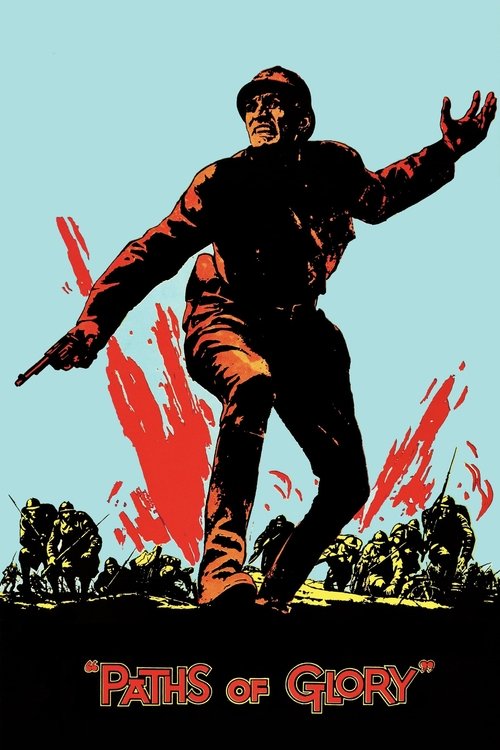
Paths of Glory1957
Kubrick's masterpiece about the machinery of war grinding up individuals. The same moral fury as Broken Lullaby, but angrier—exploring how systems destroy conscience itself.
But Formally severe and deliberately unsentimental. The ending is devastating without offering comfort.
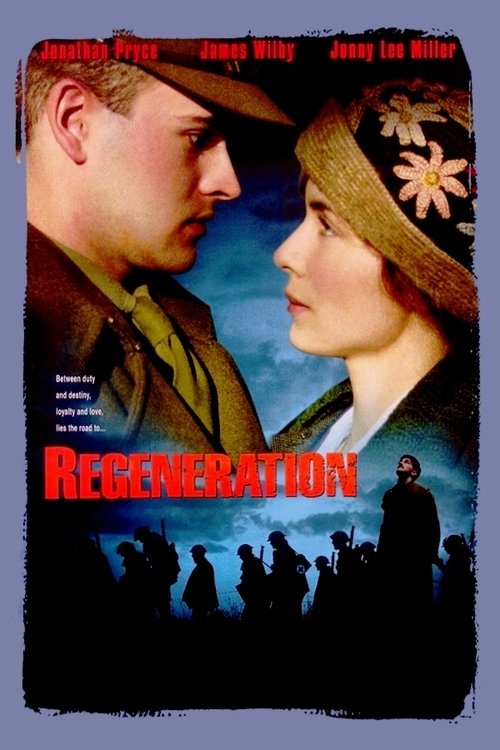
Regeneration1997
A British film about traumatized WWI officers in a psychiatric hospital. Introspective, literary, focused on psychological damage and whether healing is real or performance.
But Slow and interior. Long stretches of conversation and memory. Not interested in plot momentum.
Not sure tonight? Get a pick in a minute, starting from Broken Lullaby
The wildcard
Something you would not have found on your own.
Come and See1985
Both films are pilgrimage narratives about bearing witness to atrocity. Broken Lullaby asks if understanding the victim grants absolution; Come and See asks if witnessing horror destroys the possibility of understanding anything.
A Soviet film about a boy's single day at the front during WWII. Visually and emotionally overwhelming—war as obliteration of innocence, consciousness, humanity itself. The most powerful anti-war film ever made.
But Almost unwatchable in its intensity. Images and sounds designed to traumatize the viewer. You may not finish it, and that's a legitimate choice.

More like this (8)
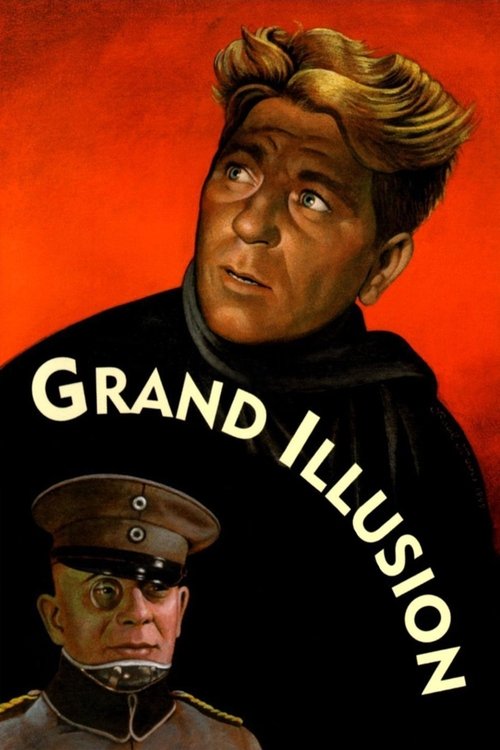
Grand Illusion1937
Renoir's humanist masterpiece—French and German soldiers find unexpected kinship across the war's dividing line. The same belief in shared humanity that drives Broken Lullaby.
But A prisoner-of-war film that's fundamentally about ideas rather than action. Requires patience with dialogue and philosophy.
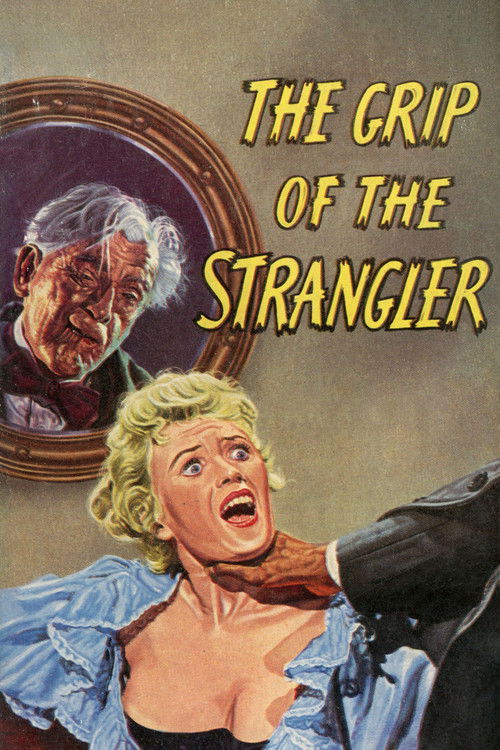
Grip of the Strangler1958
A different kind of guilt film—a man investigates a crime and becomes consumed by the act he's investigating. Same psychological obsession, same moral vertigo.
But Shifts toward psychological thriller territory. Lurid and pulpy where Broken Lullaby is restrained.
Rope1948
Hitchcock's chamber piece about two men wrestling with the enormity of what they've done. Guilt as an inescapable present tense rather than memory.
But Confined to one apartment, one real-time hour. Deliberately theatrical and claustrophobic—some find it airless.

The Ascent1977
Soviet film about two partisan soldiers confronting faith, betrayal, and redemption during WWII. Stark, spiritual, obsessed with questions of conscience that Broken Lullaby asks.
But Bleak cinematography and an deliberately punishing narrative. No easy answers or comfort offered.

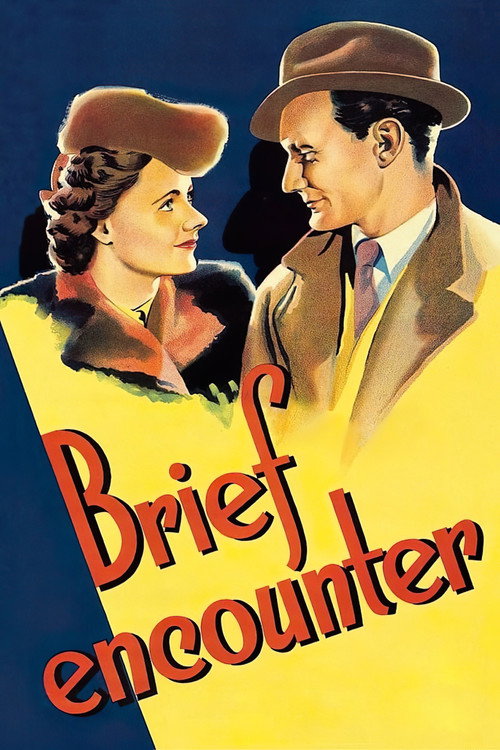
Brief Encounter1945
Coward's chamber drama about connection and duty in ordinary life. Emotionally sophisticated, focused on small moments of human understanding.
But A love story, not a war film. Some find its restraint and melancholy dated rather than timeless.
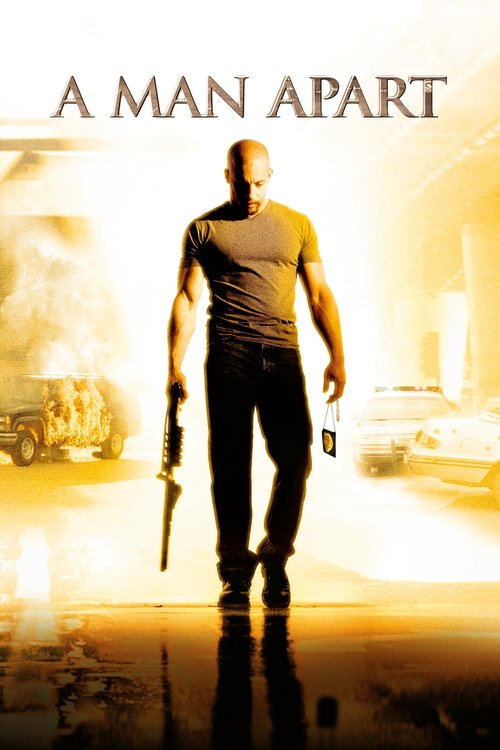
A Man Apart2003
Vin Diesel in an atypical role as a DEA agent dismantled by guilt and identity. Explores moral compromise in surprisingly thoughtful ways for a genre film.
But Often dismissed as a regular action film. Tonal inconsistency between its ambitions and its genre constraints.
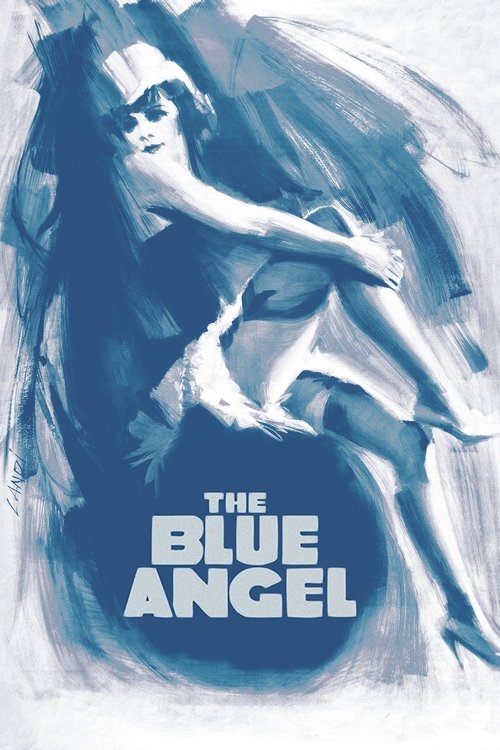
The Blue Angel1930
Both are German-language films (or involve Germany centrally) from the early 1930s wrestling with guilt and the impossibility of return. Both feature Lionel Barrymore adjacency in sensibility—formal, European, convinced that some costs cannot be repaid.
Marlene Dietrich and Emil Jannings in the film that changed cinema—a German-language masterpiece about passion, humiliation, and the impossibility of redemption. Weimar Germany captured in amber.
But German films from this era carry historical weight that can feel heavy. The film's treatment of sexuality and power is provocative in ways that don't age neatly.
Tokyo Story1953
Broken Lullaby is about a young man confronting consequences; Tokyo Story is about old people accepting that consequences cannot be undone. Both find their power in what cannot be said, in the Japanese/European restraint that lets silence carry the weight.
Ozu's serene, almost plotless meditation on aging parents visiting their son after war. About presence, absence, time passing, and how we fail the people we love. Quiet perfection.
But Almost nothing happens. Dialogue is spare. Shot primarily from a seated perspective. Requires complete surrender to rhythm and mood, not plot.

People
Cast
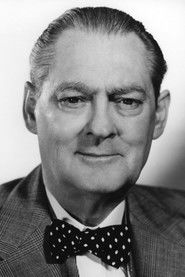 Lionel BarrymoreDr. H. Holderlin
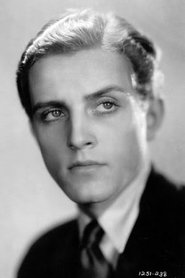 Phillips HolmesPaul Renard
 Nancy CarrollFraulein Elsa
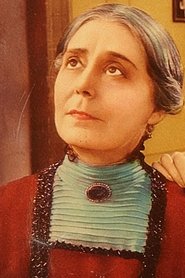 Louise CarterFrau Holderlin
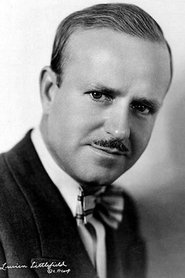 Lucien LittlefieldHerr Walter Schultz
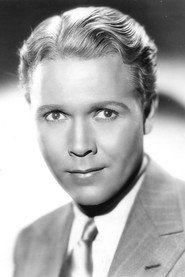 Tom DouglasWalter Holderlin
 Zasu PittsAnna, Holderlin's Maid
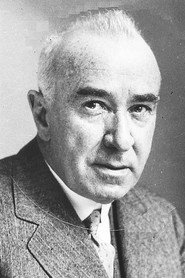 Frank SheridanPriest
- George BickelHerr Bresslauer, Dress Shop Owner
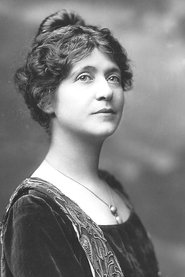 Emma DunnFrau Miller
- Reginald PaschFritz's Father
- Rodney McLennanWar Veteran
Directing
- Ernst LubitschDirector
Writing
- Reginald BerkeleyAdaptation
- Ernest VajdaScreenplay
- Samson RaphaelsonScreenplay
- Maurice RostandTheatre Play
Production
- Ernst LubitschProducer