
Film
Tales from the Crypt
Other titles called Tales from the Crypt: the 1989 series (HBO).
A portmanteau horror film from Amicus Productions where six people trapped in Roman catacombs meet the Crypt Keeper, who regales them with tales of murder, adultery, and suburban paranoia. It's witty, nasty, and gorgeously lit—a '70s British horror that treats its gallows humour seriously, never winking. For anyone who loves horror with a storytelling backbone and gothic atmosphere.
Should you watch it?
Watch it if you like anthology horror built from short, wry morality stories, where each chapter is a tidy little trap and the fun is watching the trick land with a grin.
Skip it if you need your horror genuinely frightening, since this is closer to a playful shiver with a wink, and its 1970s British stagey look may feel dated.
What it asks of you: Ninety-three minutes split into five short, self-contained stories, each told at a brisk clip with a sharp turn near its close, so you can settle in without much setup.
Not sure? Find tonight's pick in a minute.
If you liked this
The Twilight Zone1959
The spiritual ancestor of this film: tight, clever stories with cosmic comeuppance. Rod Serling's narration carries the same dark irony as the Crypt Keeper, and the best episodes linger like Tales does.
But A few episodes haven't aged well; some of the twist-endings feel obvious now. The 1950s pacing takes patience if you're used to modern TV.

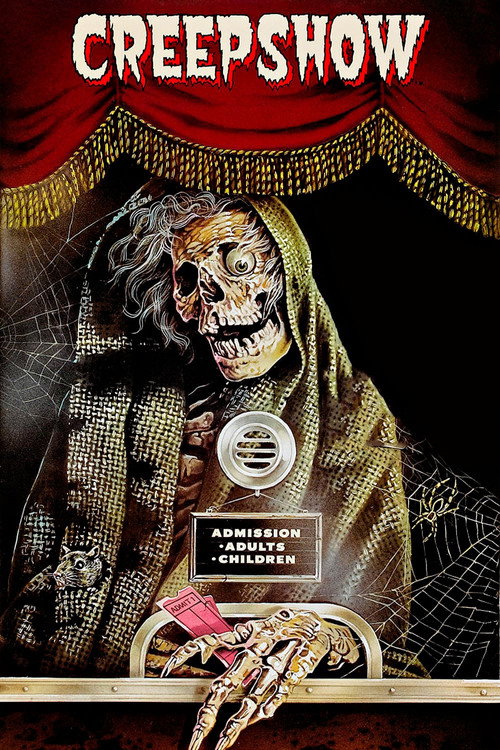
Creepshow1982
George A. Romero's love letter to the same EC Comics tradition. Five interlocking tales with campy energy, practical effects, and a similar philosophy: horror should be fun and merciless in equal measure.
But It's broader and more comedic than Tales; some find it too silly. The wraparound story is intentionally pulpy in a way that won't appeal to everyone.
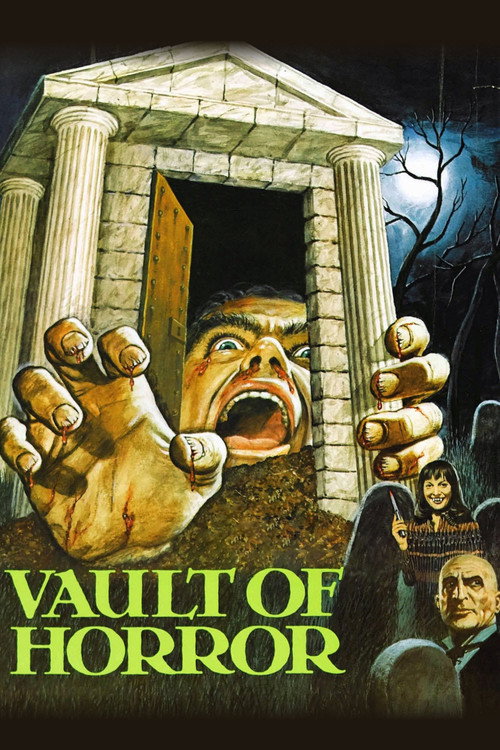
The Vault of Horror1973
Amicus's follow-up to Tales, with the same DNA: portmanteau structure, London sophistication, dry wit. If you loved the company and the atmosphere, this is the direct sequel in spirit.
But It's marginally less consistent; one or two stories don't land. The Crypt Keeper doesn't return, which some find a real loss.
Not sure tonight? Get a pick in a minute, starting from Tales from the Crypt
The wildcard
Something you would not have found on your own.
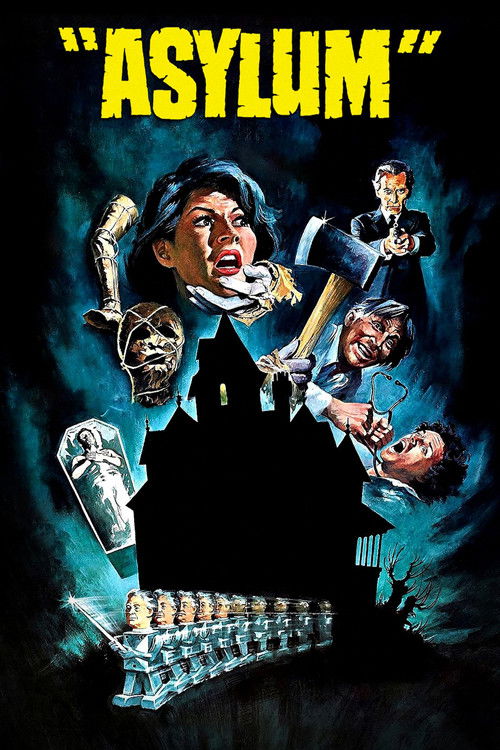
Asylum1972
Both use portmanteau structure to build toward a final revelation that reframes everything you've watched. Both suggest that horror isn't just entertainment—it's a verdict.
Released the same year as Tales, also from Amicus, also a portmanteau, but with a prisoner in an asylum being tested by stories rather than trapped tourists. It shares the wit and the structure but inverts the moral stakes entirely—the frame becomes the story.
But The twist divides viewers; some find it clever, others feel cheated. Patrick Magee is excellent but his character isn't sympathetic.
More like this (7)
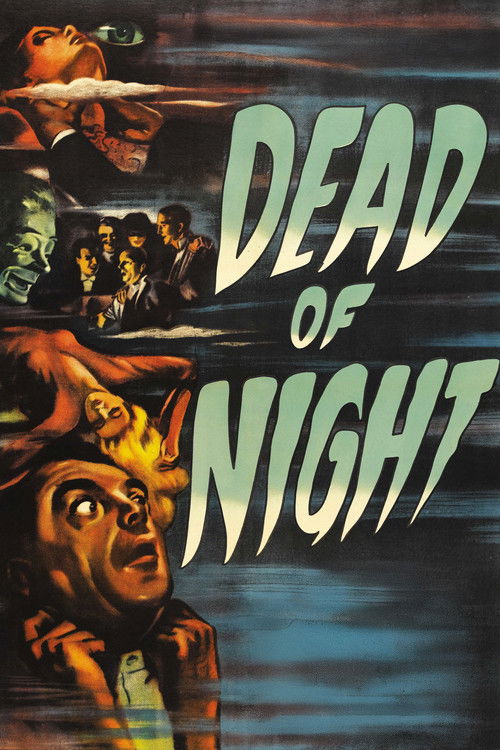
Dead of Night1945
An earlier British portmanteau horror, equally inventive and atmospheric. The frame story is genuinely unsettling, and each tale has a different director's fingerprints on it.
But The 1940s sensibility is very different; it plays more seriously. If you want the dark humour of Tales, you won't find much here.
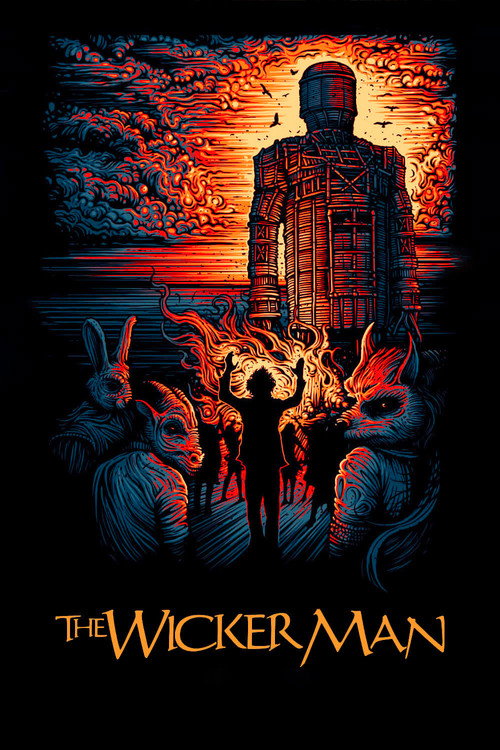
The Wicker Man1973
British folk-horror from the same era, with meticulous atmosphere and a final twist that feels earned rather than cheap. Shows what British genre films could do when they trusted their own strangeness.
But It's a single story, not an anthology. The pagan themes dominate—there's little of Tales' dark humour.
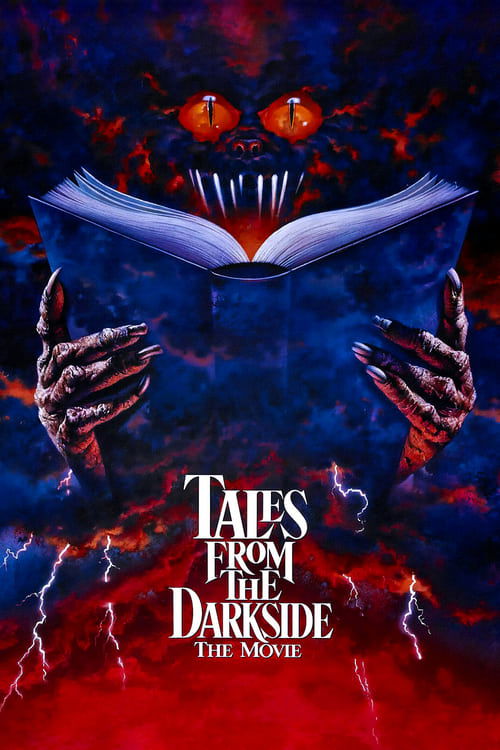
Tales from the Darkside: The Movie1990
Another EC Comics descendant, but from the '80s. Three stories held together by Scheherazade—the framing device is clever, and the tonal variety shows how the portmanteau form can bend.
But Uneven; the stories vary wildly in quality. One or two feel like they're padding out runtime rather than earning it.
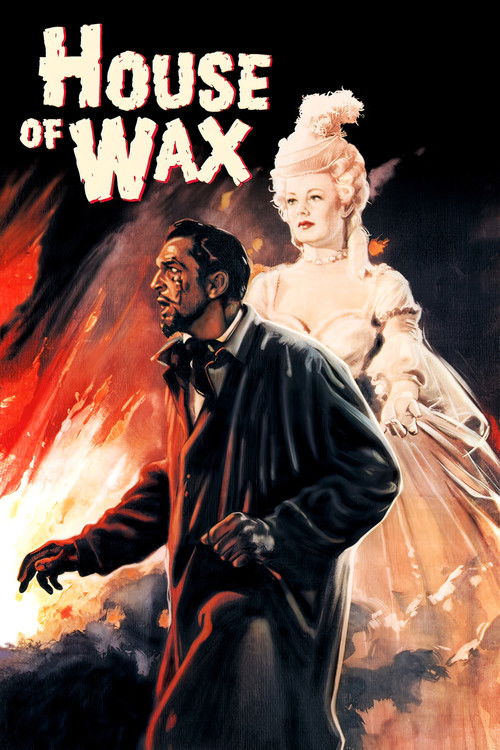
House of Wax1953
Vincent Price in the kind of role that defined 1950s horror glamour. It shares Tales' appreciation for craft and atmosphere, and moves with Gothic precision.
But It's a single story, straightforward thriller. If you're here for portmanteau structure and dark wit, this isn't it.
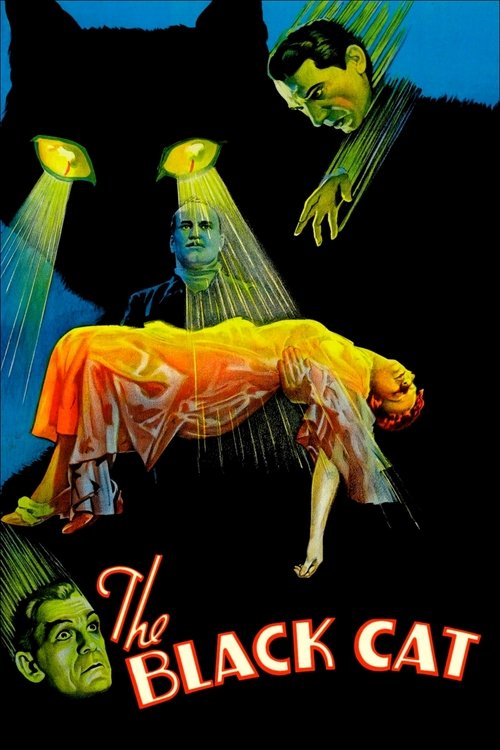
The Black Cat1934
Lugosi and Karloff in a darkly surreal tale with real psychological weight. It shows how far horror could go in the '30s, and why the tradition mattered to filmmakers like Amicus.
But Very atmospheric but slow by modern standards. The plot is thin—it's all mood and performance, which won't appeal if you want narrative drive.
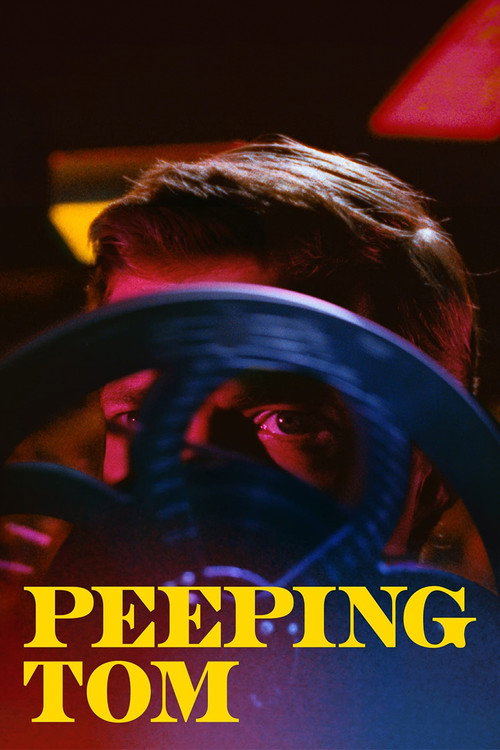
Peeping Tom1960
Both expect their audience to *feel* the moral weight of what they're watching rather than just observe it. Neither offers comfort or distance.
Michael Powell's forbidden masterpiece: a film about a killer who photographs murder. It's genuinely disturbing in ways Tales isn't trying to be, but it shares that same unflinching British willingness to make the audience complicit in something morally rotten.
But It's been banned and is still controversial. Far more serious and sustained in its darkness than Tales—this will sit with you in ways you might not want.
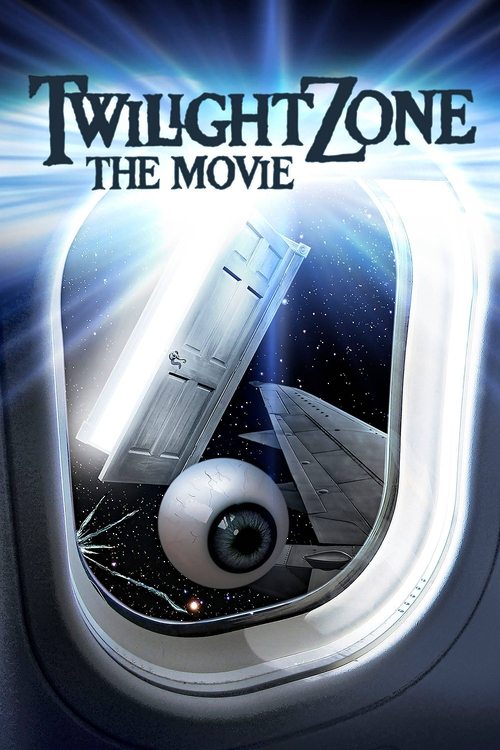
Twilight Zone: The Movie1983
Both prove that horror and fantasy work best when told in compact, complete stories rather than extended arcs—each tale earns its ending rather than stretching it.
Four of the best TV episodes expanded to film, directed by Spielberg, Dante, and others. It proves that the episodic horror-fantasy form works beautifully on screen, and that anthology structure needn't mean shallow storytelling.
But The opening segment involves a real tragedy that colors the whole film. It's uneven by design; not all episodes have equal weight.
People
Cast
 Joan CollinsJoanne Clayton
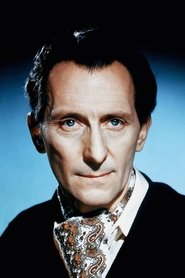 Peter CushingArthur Edward Grimsdyke
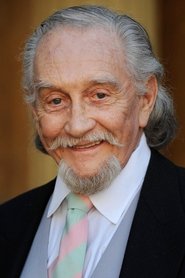 Roy DotriceCharles Gregory
 Richard GreeneRalph Jason
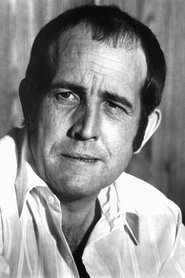 Ian HendryCarl Maitland
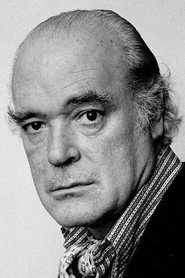 Patrick MageeGeorge Carter
 Barbara MurrayEnid Jason
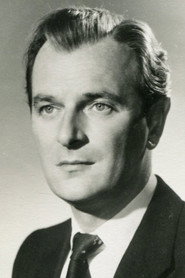 Nigel PatrickMaj. William Rogers
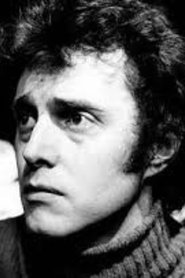 Robin PhillipsJames Elliot
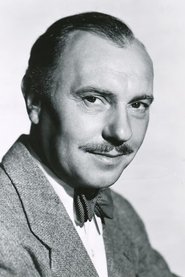 Ralph RichardsonThe Crypt Keeper
 Geoffrey BayldonGuide
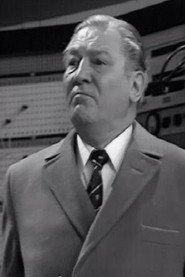 Martin BoddeyHusband
Directing
- Peter SaundersAssistant Director
- Penny DanielsContinuity
- Freddie FrancisDirector
- Mike HigginsSecond Assistant Director
- Terry PearceThird Assistant Director
Writing
- Al FeldsteinComic Book
- George EvansComic Book
- Graham IngelsComic Book
- Johnny CraigComic Book
- William M. GainesComic Book
- Milton SubotskyScreenplay
Production
- Ronnie CurtisCasting
- Charles W. FriesExecutive Producer
- Max RosenbergProducer
- Milton SubotskyProducer
- Teresa BollandProduction Manager
- Arthur StolnitzProduction Supervisor
Recommended by
Tales from the Crypt, Trilogy of Terror, The Vault of Horror, Theatre of Blood, Blood/Stream