
Film
Asylum
A psychiatric twist on the frame-story horror anthology: a young doctor interviewing asylum patients must identify which one is actually the previous doctor. Asylum trades jump-scares for psychological unease, delivered with the dark wit and visual precision of early-seventies British horror. It's for people who enjoy being unsettled rather than merely startled.
Should you watch it?
Watch it if you enjoy cheerfully macabre, twisty puzzle stories told with a wink, where the fun is in working out who is who, and a short, old-fashioned gothic chill is enough.
Skip it if you need steady dread or graphic horror, since this is a light, talky chiller whose scares are mild and whose pleasures are more clever than frightening.
What it asks of you: It runs an hour and a half at an unhurried pace, its attention on dialogue and sly exchanges rather than set pieces, so stay alert to faces and words.
Not sure? Find tonight's pick in a minute.
If you liked this
The Cabinet of Dr. Caligari1920
The granddaddy of asylum horror, where a somnambulist is exhibited as a murderer and nothing is quite what it seems. Expressionist, hallucinatory, and structurally the template Asylum refines rather than invents.
But Silent film with intertitles and a pace that demands patience. The visual distortion that made it revolutionary looks theatrical now.

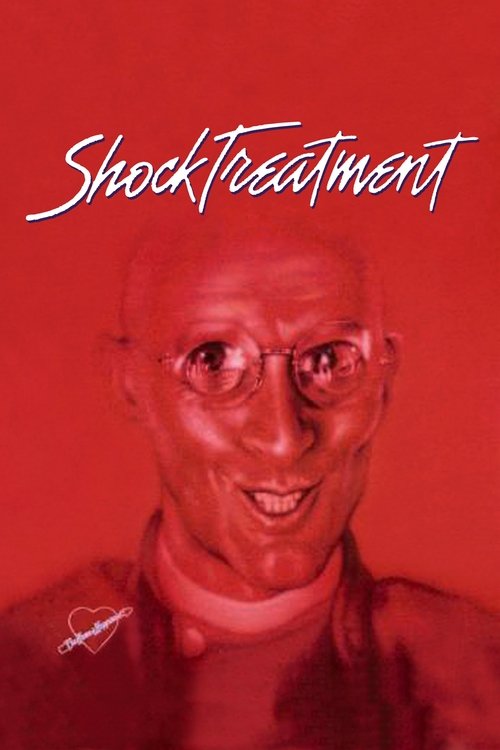
Shock Treatment1981
Brad Edmondson wakes in a hospital where reality is a game show and the staff are performers. Same premise as Asylum—is the system mad or the patient?—but souped up with kinetic energy and genuine body horror.
But Aggressively weird and tonally uneven. The satire of media and medicine drowns out character, which is the point but not everyone's evening.
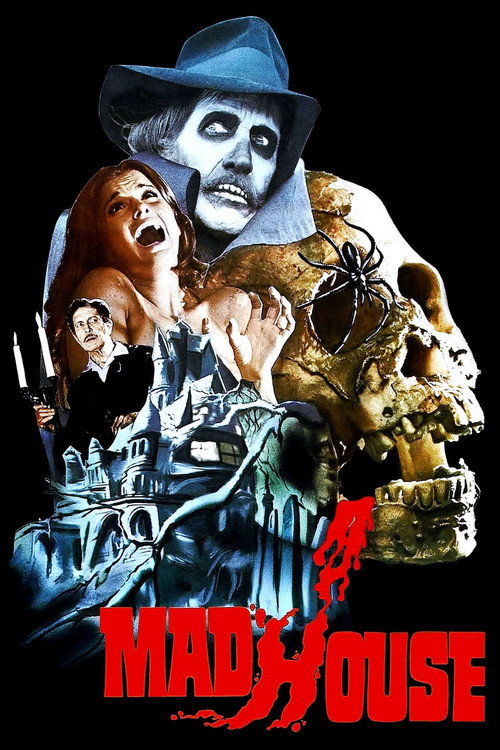
Madhouse1974
Vincent Price as an actor playing a murderer in a horror film, now unwillingly living his role. A hall-of-mirrors tale about identity and performance that shares Asylum's mordant wit and its trust in the viewer.
But The plot is intricate but the reveal isn't satisfying. It's more interested in atmosphere and the play of it all than in getting you to care who actually did what.
Not sure tonight? Get a pick in a minute, starting from Asylum
The wildcard
Something you would not have found on your own.
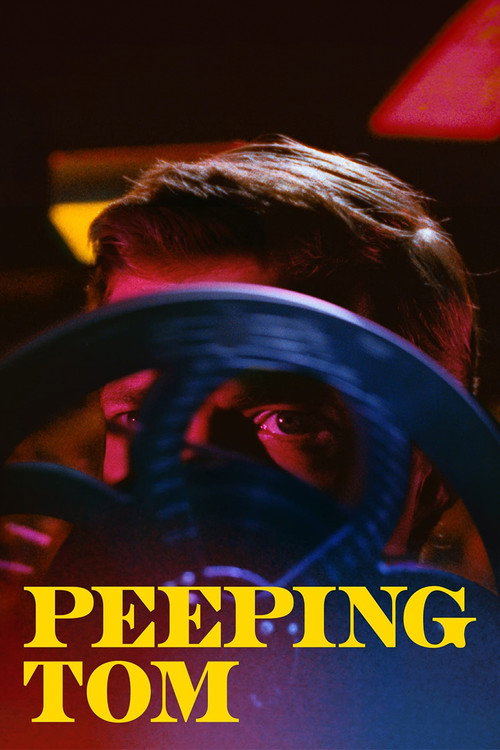
Peeping Tom1960
Both films use a diagnostic framework—Asylum has interviews, Peeping Tom has a lens—to expose the viewer to something they'd rather not see. Both make complicity and misreading the real horror.
Michael Powell's film about a serial killer who films his murders. Like Asylum, it's about being forced into the killer's perspective and trusting a mind that has already betrayed you. It asks: can we ever really know someone?
But It's a film about serial murder filmed with baroque precision. The murder scenes are explicit and the camera's fascination with them is deliberate and nauseating. It's a masterpiece and it's difficult.
More like this (7)
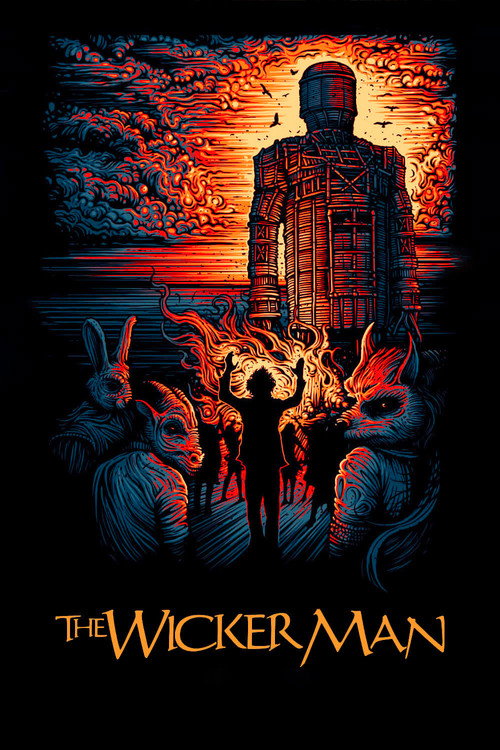
The Wicker Man1973
A policeman arrives on an island where reason and decency mean nothing. Like Asylum, it's about an outsider stripped of authority in a place run by its own logic, with dread mounting through conversation rather than violence.
But The pacing is deliberate and some find it slow. The folk songs are sincere, which throws people off if you're expecting conventional horror movie camp.
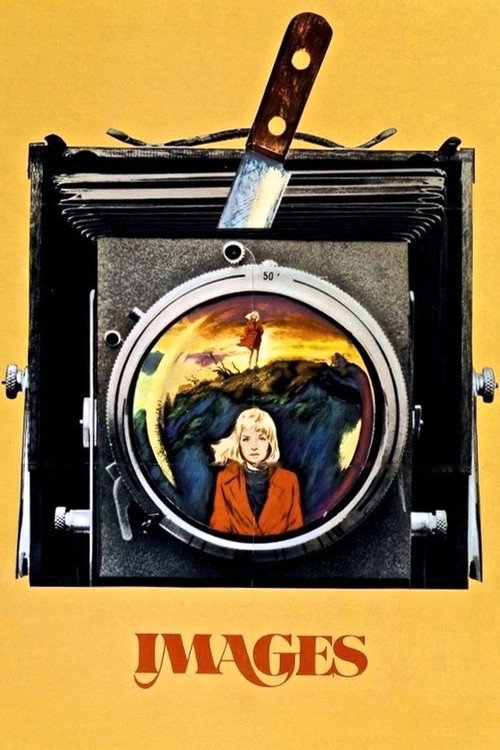
Images1972
Altman's film about a woman whose grip on reality cracks while isolated in a house with mirrors. Asylum-adjacent in mood and structure, with the same sense that the mind is the most dangerous room.
But Experimental and deliberately fragmentary. The narrative is intentionally unclear, which is the whole point and absolutely not for everyone.
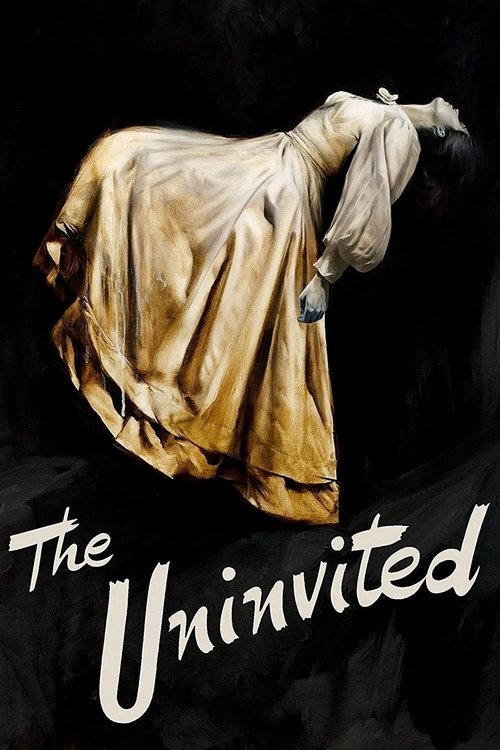
The Uninvited1944
A gothic mystery where siblings inherit a house that wants them gone. Structured like a puzzle where you piece together the truth from dialogue and unease, just as the doctor does in Asylum.
But A ghost story from the forties—it's handsome but feels distant. The supernatural elements are woven subtly, which means long stretches without much happening.
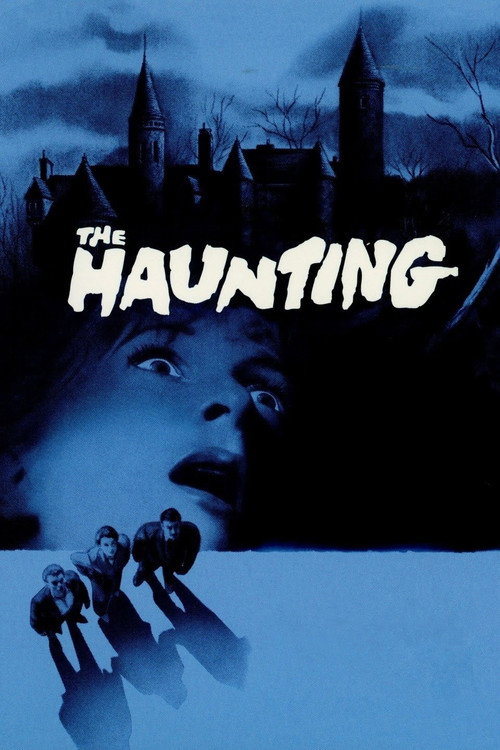
The Haunting1963
Wise's masterpiece about a woman slowly unraveling in a cursed house. The architecture of the film mirrors the protagonist's fracturing mind, and like Asylum, it suggests the real horror is internal.
But Psychological rather than visceral. If you want scares you'll be disappointed; it's about dread, and dread requires patience and attention.
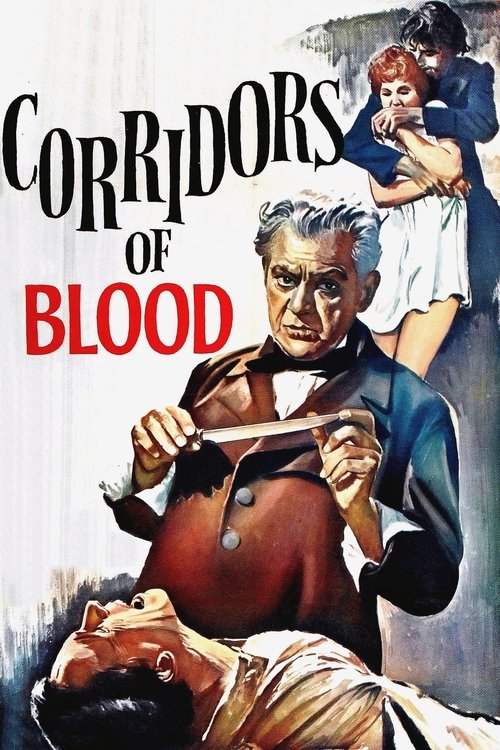
Corridors of Blood1958
Cushing again, an earlier version of his work here—an experiment in a hospital that blurs ethics and safety. A smaller, sparser film, but it has the institutional creepiness Asylum perfects.
But Minor Cushing and visibly low-budget. The plot meanders and takes itself very seriously, which can feel quaint if you're not in the mood for period horror.
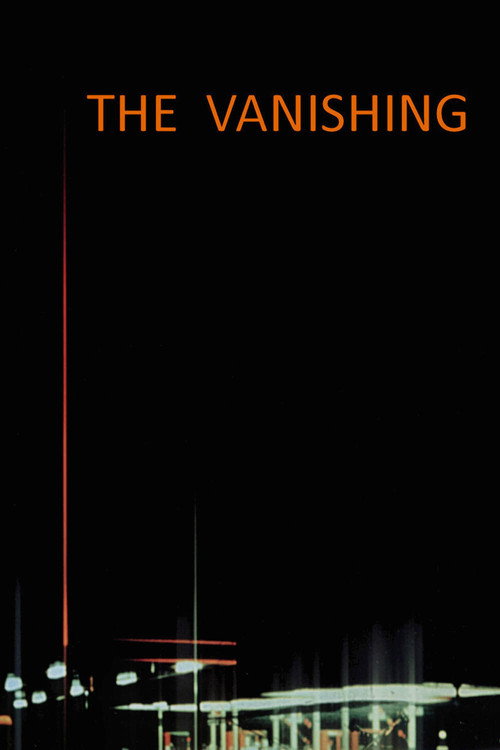
The Vanishing1988
Both Asylum and Spoorloos trap you with someone and force you to see through their eyes. The structure—investigation revealing truth—becomes a tool for making the viewer complicit in what they discover.
A Dutch thriller about a man obsessed with discovering what happened to his girlfriend, who vanishes without trace. The film then grants him his answer—and it's so much worse than not knowing. A masterwork of sustained dread.
But Long sections are quiet and methodical. The final twenty minutes are genuinely difficult to watch. If you value resolution and catharsis, this will leave you cold and disturbed.
The Ascent1977
Both films use a confined space—asylum, wilderness—and a rigid structure to ask what remains of identity when everything else is stripped away. Both are pitiless about the answer.
Larisa Shepitko's extraordinary film about two Soviet partisans hunted through snowy wilderness. Sparse, merciless, and visually hypnotic. It's horror without a single genre flourish—the horror is existential and earned.
But Black and white, Soviet cinema, almost no plot in the conventional sense. It's a drift toward doom. If you watch films for narrative momentum or catharsis, you will find it glacial and bleak.

People
Cast
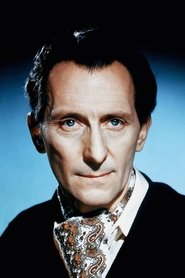 Peter CushingSmith
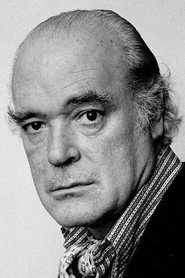 Patrick MageeDr. Lionel Rutherford
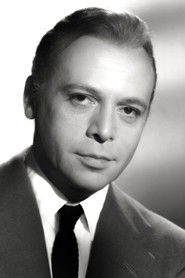 Herbert LomByron
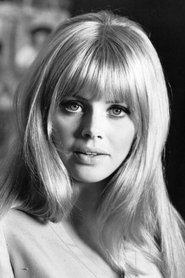 Britt EklandLucy
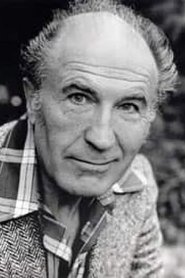 Barry MorseBruno
 Charlotte RamplingBarbara
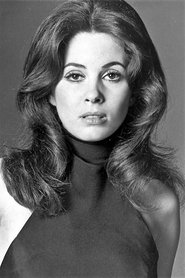 Barbara ParkinsBonnie
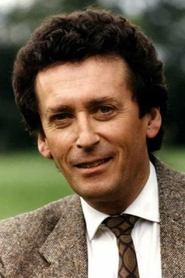 Robert PowellDr. Martin
 Sylvia SymsRuth
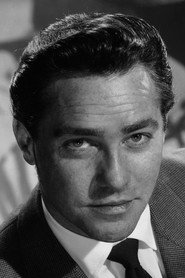 Richard ToddWalter
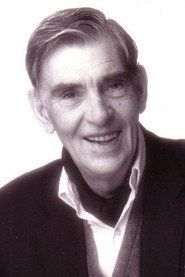 James VilliersGeorge
 Geoffrey BayldonMax Reynolds
Directing
- Roy Ward BakerDirector
Writing
- Robert BlochStory
- Robert BlochWriter
Production
- Ronnie CurtisCasting
- Gustave M. BerneExecutive Producer
- Max RosenbergProducer
- Milton SubotskyProducer