
Film
Images
- Drama
- Psychological horror
- Very dark
Robert Altman's 1972 psychological thriller traps you inside a fractured mind. Susannah York plays a pregnant author unraveling in an Irish cottage, haunted by reflections and doubles that may or may not be real. It's hypnotic and deeply uncomfortable—less a puzzle to solve than a descent to experience. For viewers who prize unsettling atmosphere over narrative clarity.
If you liked this
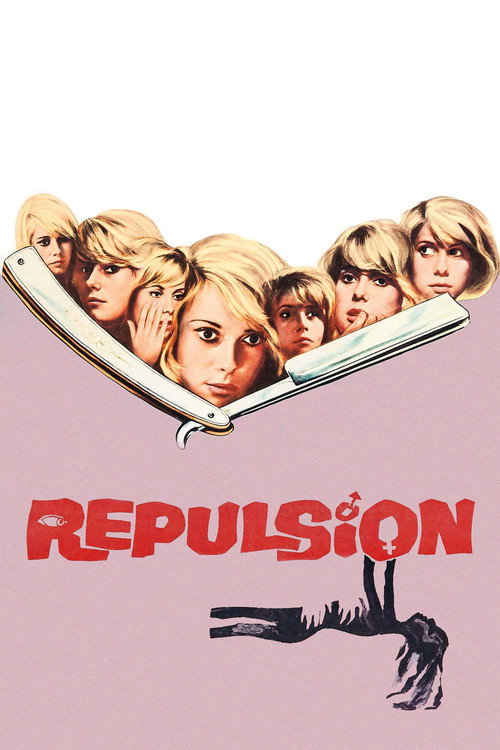
Repulsion1965
Catherine Deneuve's psychological breakdown in a London flat mirrors York's spiral with similar precision and dread. Polanski traps you in a crumbling psyche through sound design and framing that makes safety feel impossible.
But The film is deliberately claustrophobic and graphic about sexual trauma. Its bleakness offers no catharsis or escape.
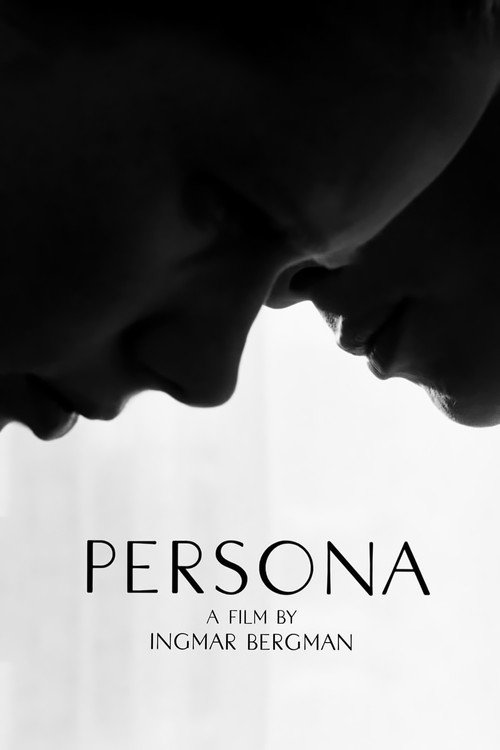
Persona1966
Bergman's meditation on identity and mirroring—two women, one who stops speaking, their boundaries eroding. It shares Images' obsession with the self fractured, shot with stark beauty that makes confusion feel inevitable.
But Deliberately obscure and static. Long stretches of silence and stillness will feel like nothing is happening if you're not attuned to psychological portraiture.
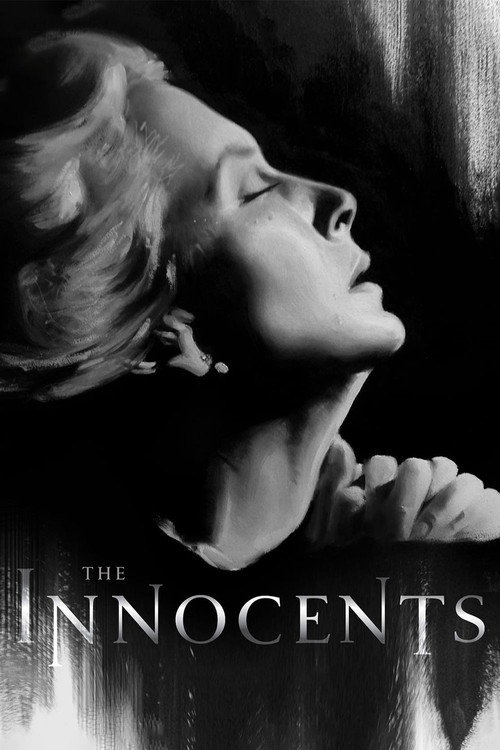
The Innocents1961
Deborah Kerr as a governess questioning her sanity in a haunted house. Masterfully ambiguous about what's real, using shadow and suggestion instead of explanation. A sister film to Images in its refusal to explain.
But The horror is slow-burn and psychological rather than visceral. Impatient viewers may find it precious or dated.
Not sure tonight? Get a pick in a minute, starting from Images
The wildcard
Something you would not have found on your own.
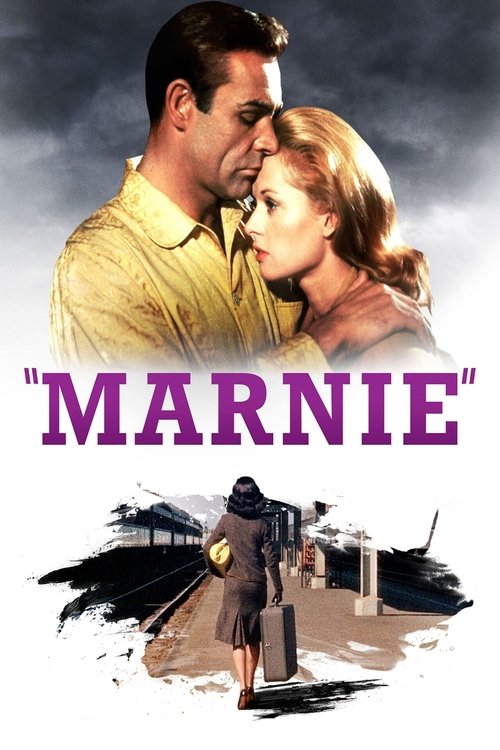
Marnie1964
Both explore female mental breakdown with sympathy and visual sophistication; both use colour, doubles, and mirror imagery as metaphors for shattered identity.
Hitchcock's portrait of a woman whose behaviour she cannot fully explain to herself, troubled by trauma and split identity. It's a thriller structure applied to psychological fracture rather than crime—Tippi Hedren's performance captures the same dissociation York creates.
But The psychoanalytic framework feels dated and the ending offers false resolution. Hitchcock's misogyny shows around the edges.
More like this (6)
Mulholland Drive2001
Lynch's fractured Los Angeles dream where identities split and loop. Like Images, it's less interested in solving the puzzle than in the texture of unreality and how a mind might break its own narrative.
But Nearly three hours and deliberately confusing. It demands active engagement and rewards multiple viewings, which is not for everyone's evening.

The Wailing2016
Na Hong-jin's Korean thriller about a detective confronting a mystery that dissolves under scrutiny. It builds paranoia with similar skill, making the viewer as uncertain as the protagonist about what to trust.
But Complex and layered to the point of opacity. Subtitled, and the ending refuses easy interpretation or satisfaction.

Under the Skin2014
Jonathan Glazel's art-horror about an alien predator. Like Images, it privileges mood and disorientation over plot, creating a trance-like unease through repetition, sound, and visual estrangement.
But Glacially paced. The narrative is deliberately thin and events move at a drift. Many will find it boring rather than hypnotic.

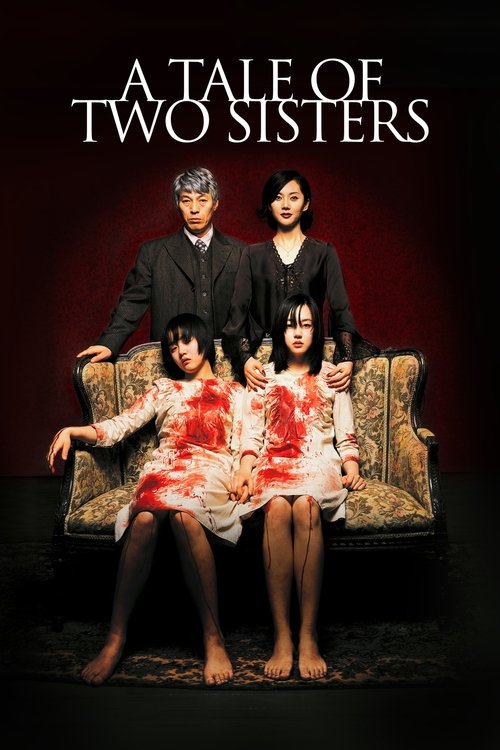
A Tale of Two Sisters2003
South Korean gothic about two sisters in a haunted house that warps identity and memory. It matches Images' blend of psychological horror and fairy-tale logic, with a reveal that recontextualizes everything.
But The twist reveals rely on attentiveness to detail. A second viewing is almost necessary, and some will feel cheated by the unreliability.
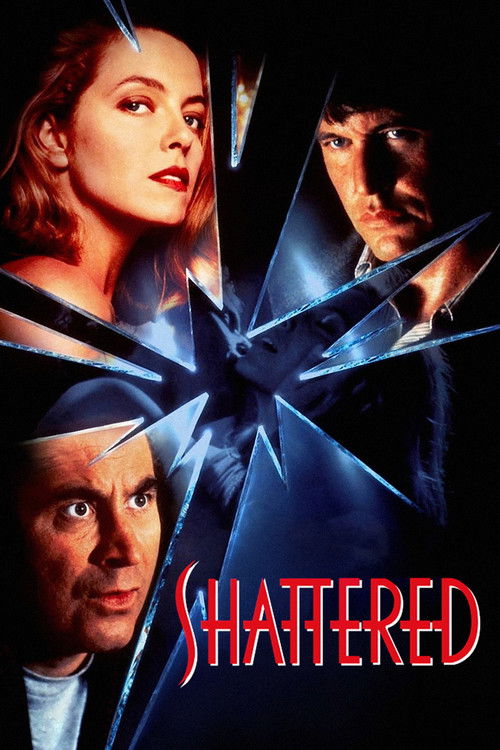
Shattered1991
Wolfgang Petersen's thriller about a man recovering from accident whose memories don't align with his life. It shares Images' theme of unreliable perception and the terror of not knowing what's real about yourself.
But The execution is slicker and more mainstream than Altman's vision. It eventually settles into conventional thriller beats rather than staying in the fog.
Come and See1985
Both films use experimental cinematography and non-linear perception to render the dissolution of consciousness, treating the viewer's discomfort as essential rather than accidental.
Elem Klimov's Belarusian war film follows a boy's psychological destruction in real time. Images' descent into unreality is echoed here through fragmentation, distortion, and the formal disintegration of cinema itself as a mind shatters under trauma.
But Extraordinarily brutal and despairing. It documents atrocity without mercy and offers no comfort. This is not entertainment; it is witness.

People
Cast
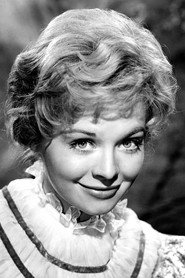 Susannah YorkCathryn
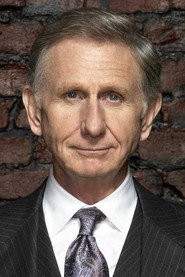 René AuberjonoisHugh
 Marcel BozzuffiRené
 Hugh MillaisMarcel
 Cathryn HarrisonSusannah
 John MorleyThe Old Man
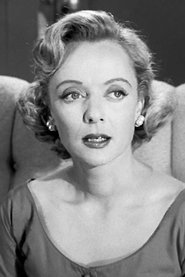 Barbara BaxleyVoice On Telephone (uncredited)
Directing
- Seamus ByrneAssistant Director
- Joan BennettContinuity
- Robert AltmanDirector
Writing
- Susannah YorkNovel
- Robert AltmanWriter
Production
- Al LocatelliAssociate Producer
- Tommy ThompsonProducer
- Jean D'OncieuProducer's Assistant
- John CollingwoodProduction Accountant
- Sheila CollinsProduction Manager