
Film
Shattered
A man wakes from a car crash with amnesia and tries to reconstruct his life, only to discover nothing around him is trustworthy. Tom Berenger carries this taut 90s thriller through escalating paranoia and betrayal, keeping you guessing about who he really was before the accident. It's for anyone who loves a good double-cross and doesn't mind a plot that gets delightfully knotty.
Should you watch it?
Watch it if you enjoy paranoid thrillers where the puzzle is the protagonist's own shaky memory, and you like a slick 1990s mood with a rumpled detective and a lot of doubt about who to trust.
Skip it if you want a tight, fast plot; this one takes its time circling back over the same ground and leans on the amnesia hook more than on surprise set pieces.
What it asks of you: Settle in for ninety-eight minutes of patient unease, where you piece things together alongside a man who cannot trust his own recollections.
Not sure? Find tonight's pick in a minute.
If you liked this
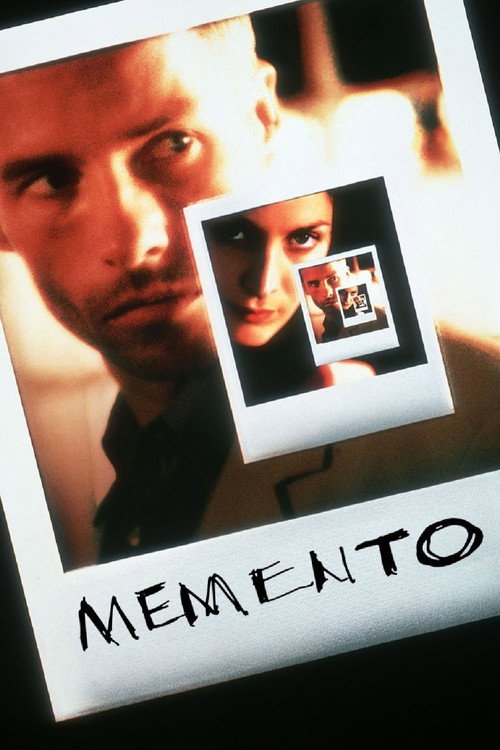
Memento2000
Christopher Nolan's backwards-told thriller about a man with no short-term memory hunting his wife's killer. Like Shattered, it weaponizes not knowing what's real, but takes it to much darker and more innovative extremes.
But The reverse chronology is deliberately disorienting and can feel gimmicky if you're not fully committed to following it through.
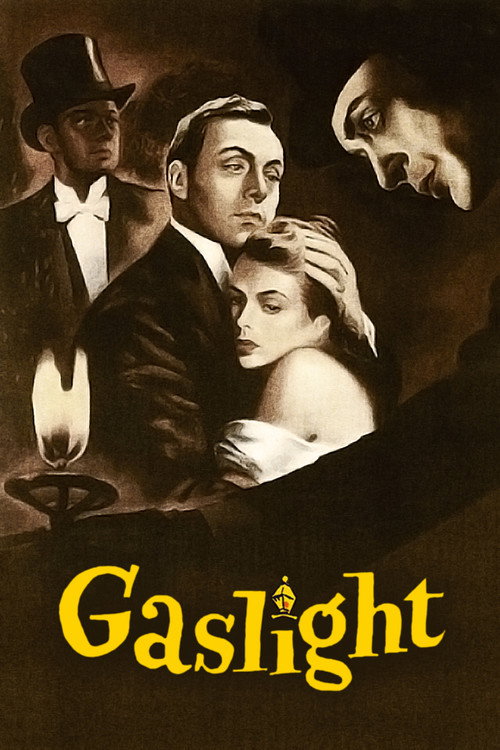
Gaslight1944
The original psychological thriller about a woman systematically made to doubt her own reality by someone she trusts. It's the template for everything Shattered does with distrust and manipulation, and Ingrid Bergman is mesmerizing.
But It's a studio picture from the 1940s—the pacing is patient in ways modern thrillers aren't, and some of the gender politics feel period-specific.
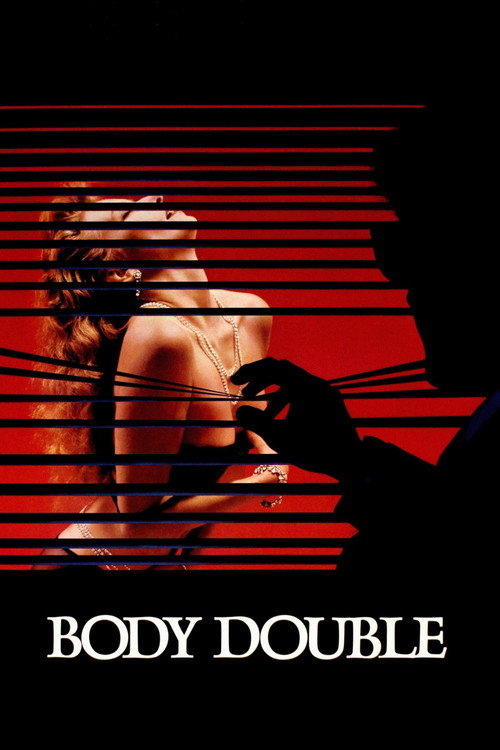
Body Double1984
Brian De Palma's fever dream about a man watching a woman across the way, reality fractured by voyeurism and mistaken identity. Like Shattered, nothing is what it seems and the hero can't trust his own perceptions or memories.
But It's deliberately perverse and a little sleazy; the sexual politics can feel ugly even by 1984 standards, and the plot twist divides people sharply.
Not sure tonight? Get a pick in a minute, starting from Shattered
The wildcard
Something you would not have found on your own.
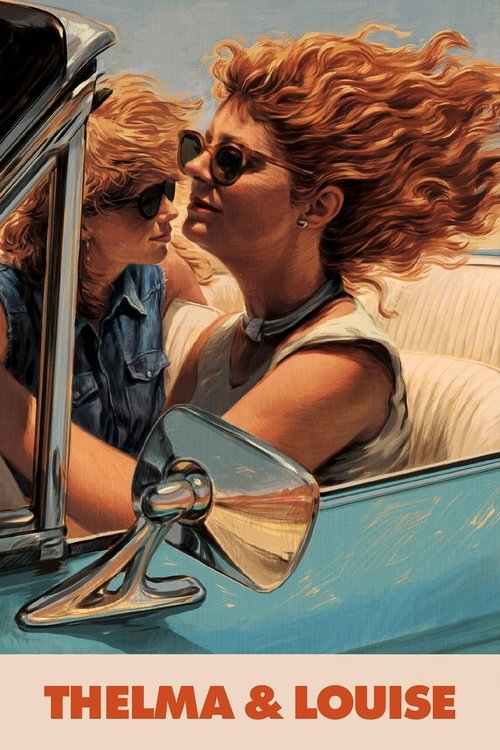
Thelma & Louise1991
Both explore how trauma, betrayal, and fractured information remake identity; both are preoccupied with the gap between how you see yourself and how others see you.
Released the same year, this is about people on the run whose perceptions of their own story keep shifting as new information arrives. Like Shattered, it's fascinated with how you can be certain about who you are and have that certainty explode.
But It's a road movie about women in crisis, not a plot-twist thriller—if you go in looking for mystery mechanics, you'll miss what the film is actually doing.
More like this (8)
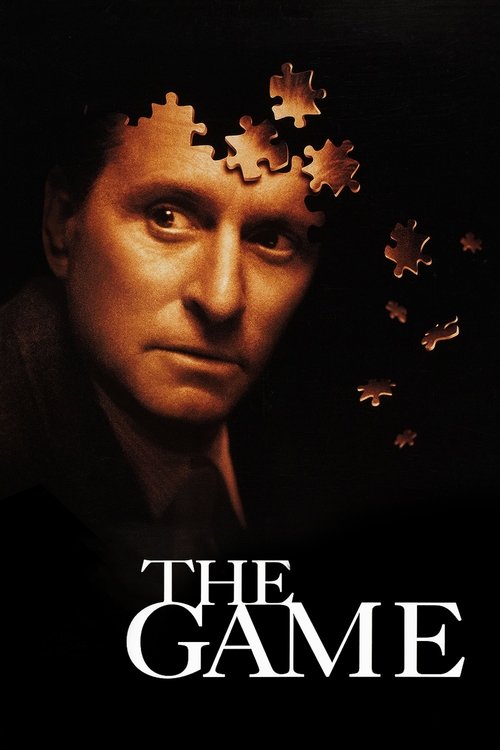
The Game1997
David Fincher sends Michael Douglas down a rabbit hole of paranoia and doubt when he's enrolled in an elaborate mystery game. It has that same 90s thriller DNA as Shattered—the constant small betrayals and the unreliable world.
But The solution requires you to accept some fairly large logical leaps about timing and coordination; it can feel more clever than convincing on a second watch.
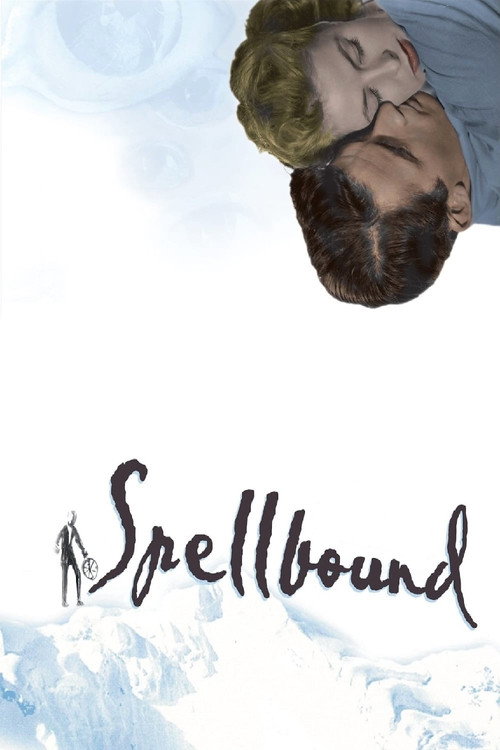
Spellbound1945
Hitchcock's psychological thriller where Gregory Peck is an amnesiac hiding a dangerous secret. It's a direct ancestor of every amnesia thriller that followed, including this one, and features a dream sequence designed by Dalí.
But The Freudian psychology hasn't aged well, and the resolution relies on analysis that now reads as quaintly pseudoscientific.
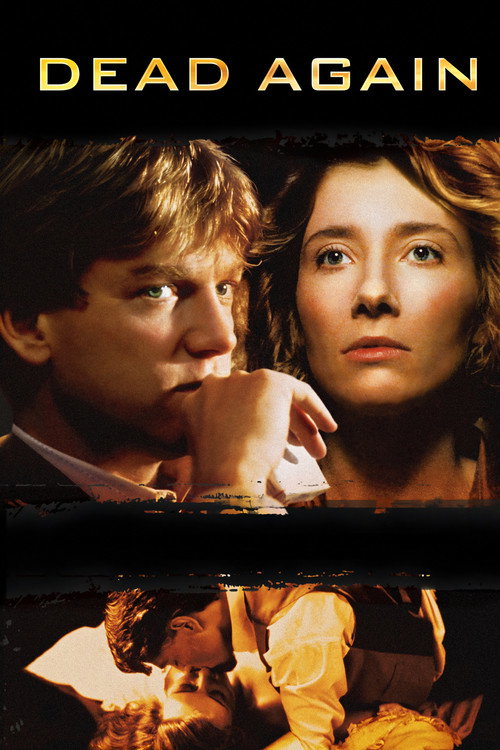
Dead Again1991
Released the same year as Shattered, this Kenneth Branagh film layers past lives, present mystery, and constant twists. If you liked the shape of Shattered, this scratches the same itch with more theatrical flair.
But It stacks plot twist on plot twist until the house of cards gets a bit wobbly; some of it plays as unintentionally funny if you're in the wrong mood.
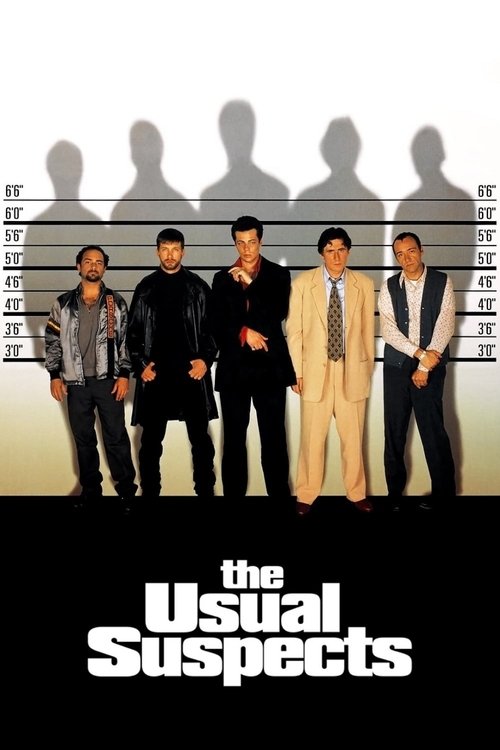
The Usual Suspects1995
A con-man thriller where nothing you've been told holds up after the final reveal, and everyone involved is lying. It's got that same satisfaction of retroactively understanding that you've been played from the start.
But The twist has become so famous that watching it fresh is nearly impossible; also, the film's treatment of a disabled character hasn't aged gracefully.
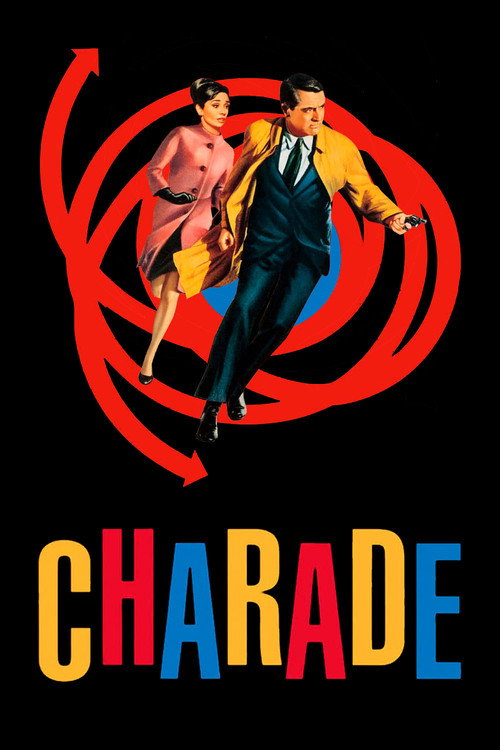
Charade1963
Audrey Hepburn in Paris, not knowing who to trust, with a plot that keeps shifting beneath her feet. It's lighter and more elegant than Shattered, but built on identical foundations—beautiful people, missing money, everyone's secrets.
But It prioritizes charm and romance over genuine threat, so the stakes never feel as high as they would in a modern thriller.
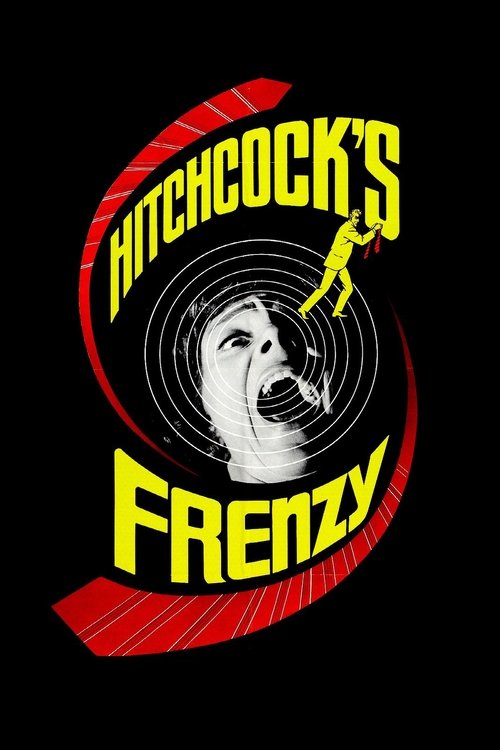
Frenzy1972
Hitchcock's darkly funny thriller about a man wrongly accused of murder, fighting against circumstantial evidence and his own clouded past. It shares Shattered's interest in how easily an innocent person can seem guilty.
But It contains a brutal sexual assault scene that Hitchcock treats with characteristic ambiguity, which many viewers find deeply uncomfortable and unnecessary.
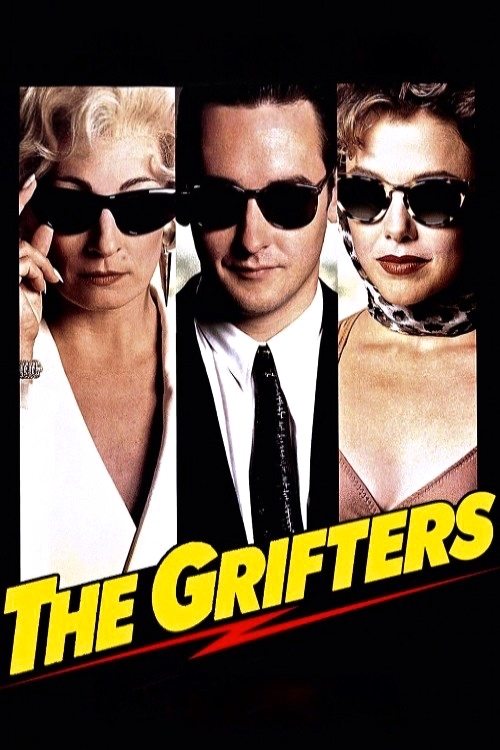
The Grifters1990
Both are about people whose past actions create new realities they have to navigate; both suggest that the person you think you married or loved never actually existed.
Stephen Frears' adaptation of Jim Thompson about con artists and family, where the real con is emotional and nobody gets what they think they're getting. Gorgeous, cruel, and absolutely sure about human nature in ways thrillers usually avoid.
But It's got a depressive fatalism and a final act cruelty that feels less like a twist and more like a straight punch. Some find it nihilistic rather than thrilling.
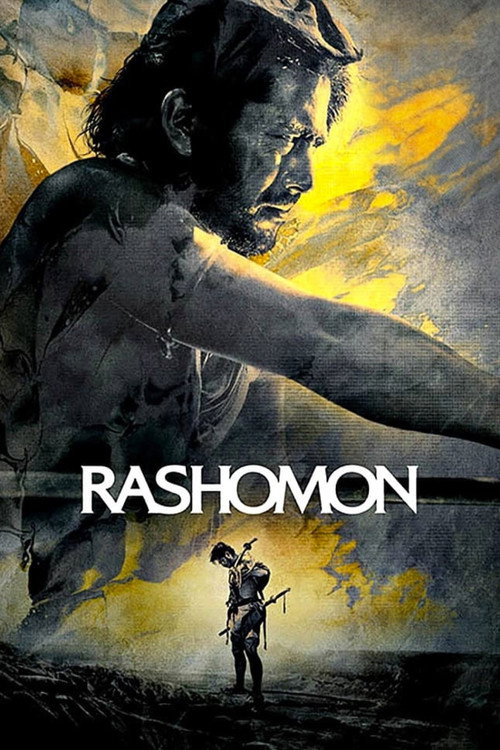
Rashomon1950
Both are built on the foundation that you cannot trust your own memory or anyone else's account of reality; both suggest that witnessing an event tells you nothing about what actually happened.
Kurosawa's masterpiece about a crime told four different ways by four different people, each with a different truth. It's the original text about how unreliable memory and self-interest corrupt everything we think we know about events.
But It's a 1950 Japanese film shot in black and white with subtitles, and it doesn't land as a conventional thriller—it lands as a philosophical investigation of truth itself.
People
Cast
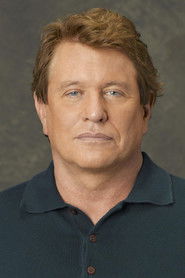 Tom BerengerDan Merrick
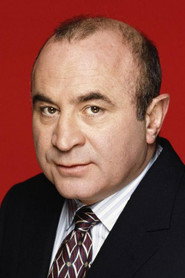 Bob HoskinsGus Klein
 Greta ScacchiJudith Merrick
 Joanne WhalleyJenny Scott
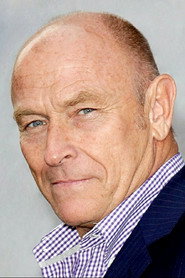 Corbin BernsenJeb Scott
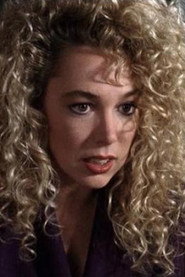 Debi A. MonahanNancy Mercer
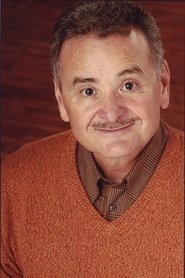 Bert RosarioRudy Costa
 Jedda JonesSadie
- Scott GetlinJack Stanton
 Kellye NakaharaLydia
 Dona HardyPet Shop Woman
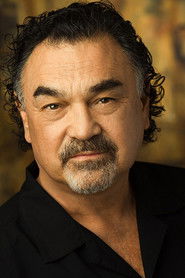
Directing
- Wolfgang PetersenDirector
- Peter KohnFirst Assistant Director
- Gregory Kent SimmonsSecond Assistant Director
- Dick ZikerSecond Unit Director
Writing
- Richard NeelyNovel
- Wolfgang PetersenScreenplay
Production
- Jane JenkinsCasting
- Janet HirshensonCasting
- Gail KatzCo-Producer
- Ortwin FreyermuthCo-Producer
- Larry SugarExecutive Producer
- Michel RoyExecutive Producer
- Neal NordlingerLine Producer
- David KordaProducer
- John DavisProducer
- Wolfgang PetersenProducer
- Graham LudlowProduction Assistant
- Allen AlsobrookProduction Manager