
Film
Frenzy
- Serial killer
- Crime thriller
- Mystery
- Very dark
Hitchcock's 1972 return to his British roots is a visceral, darkly funny thriller about a man wrongly hunted for a serial killer's crimes. Savage and surprisingly breezy, it's Hitchcock proving he could still provoke and unsettle in an era of looser censorship. For anyone who wants their suspense with a gallows grin.
Should you watch it?
Watch it if you enjoy Hitchcock's late, mischievous black comedy, where a fugitive's desperate flight through London's markets and pubs is as wry as it is grim.
Skip it if you want a lean, tightly paced thriller, since this runs nearly two hours and lingers on sordid detail, with some nastiness that some viewers will find hard going.
What it asks of you: A leisurely build of nearly two hours, with the set-up unfolding slowly before the pace tightens, and darker moments shown with uncomfortable directness.
Not sure? Find tonight's pick in a minute.
If you liked this
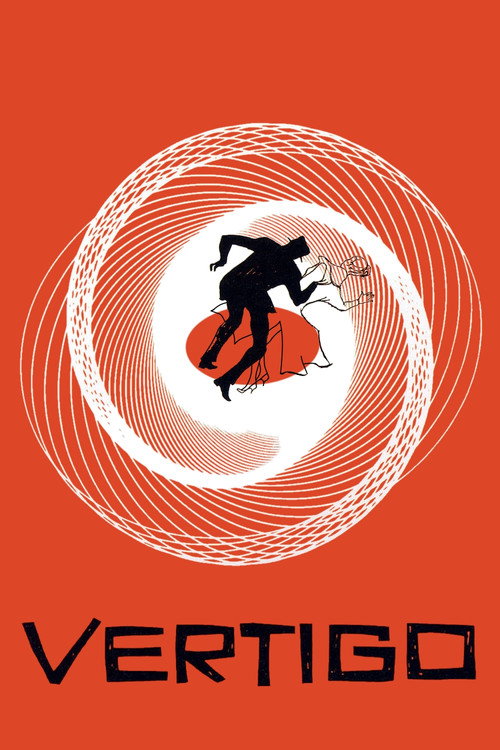
Vertigo1958
Hitchcock at his most obsessive and technical, constructing a perfect psychological trap. The camera work alone is worth the price of admission, and the final twist rewires everything you thought you understood.
But At 128 minutes it can feel slow in the middle, and the gender dynamics haven't aged gracefully. It demands patience and a willingness to sit with discomfort.
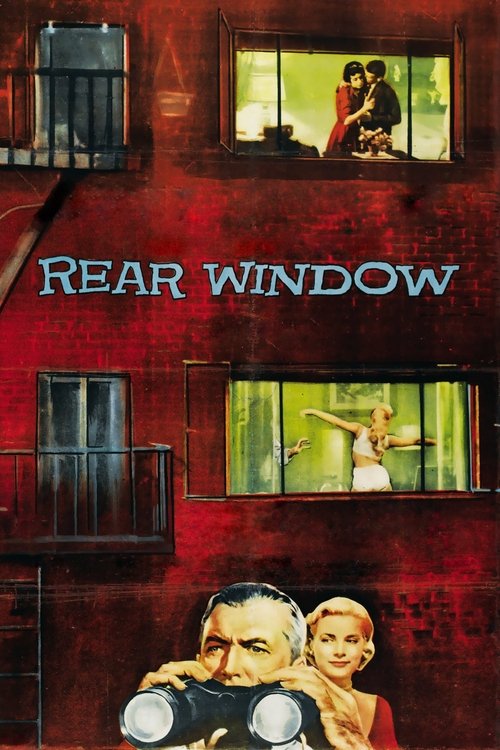
Rear Window1954
Hitchcock's masterpiece about voyeurism and suspicion, confined to a single apartment but utterly gripping. It's so perfectly constructed that you stop noticing you're watching a man look out a window, and start believing you're witnessing a crime.
But The setup is glacially slow, and if you can't get invested in the relationship drama, the whole thing drags. Also, the romance subplot can feel obligatory and dated.
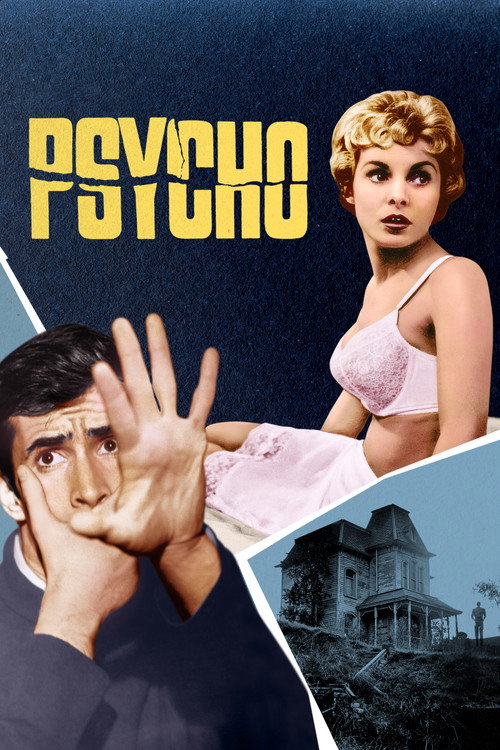
Psycho1960
The film that changed everything. Forty minutes in and your entire sense of who the protagonist is explodes. Lean, terrifying, and structured like a piece of music—Hitchcock showing you exactly what he wants you to see and nothing else.
But It's in black and white and feels restrained compared to modern horror. The famous shower scene is less shocking now, though no less brilliant. Some find it dated.
Not sure tonight? Get a pick in a minute, starting from Frenzy
The wildcard
Something you would not have found on your own.
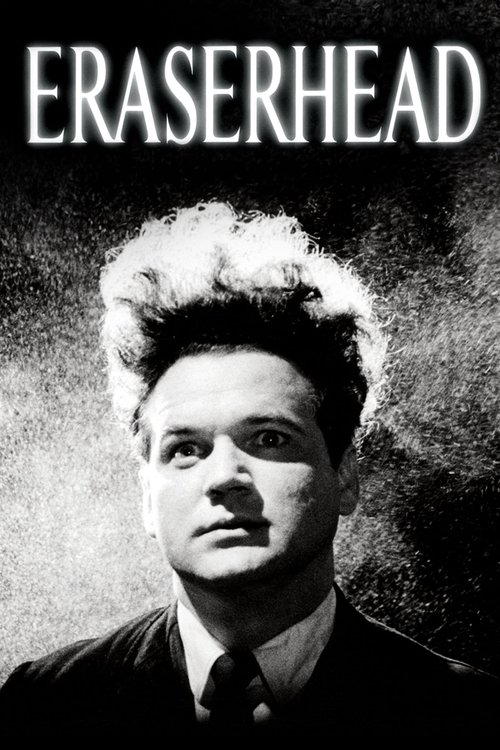
Eraserhead1977
Both find horror in domestic claustrophobia and normal life contaminated by something wrong. Both use bodies as sites of violation. Both are interested in the everyday as a place where terror actually lives.
David Lynch's black-and-white fever dream about a man trapped with a deformed baby and a domineering woman. It's nightmarish, funny, grotesque, and utterly committed to its own logic. Industrial sound design, surrealist imagery, and a sense of dread that never lifts.
But It's deliberately grotesque and incoherent. No plot to speak of, pacing that's more trance than narrative. If you need clarity or conventional beauty, this will feel like a punishment.
More like this (8)
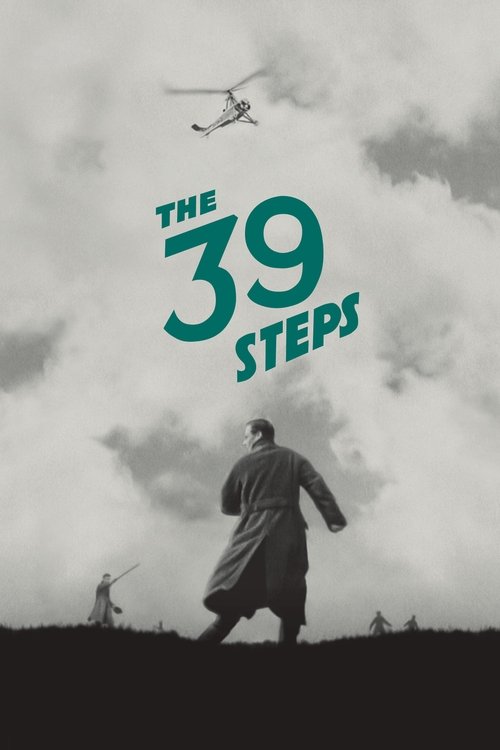
The 39 Steps1935
Hitchcock's breakthrough: a wrongly-accused man on the run, wrongly-accused protagonist, an ordinary man swept into espionage. It's lean, witty, and moves like a bullet. Everything thriller-shaped comes from here.
But It's 86 minutes from 1935, so the pacing and style feel antique. The romance is handled with the nuance of a sledgehammer. The Scottish sequences are broadly played.
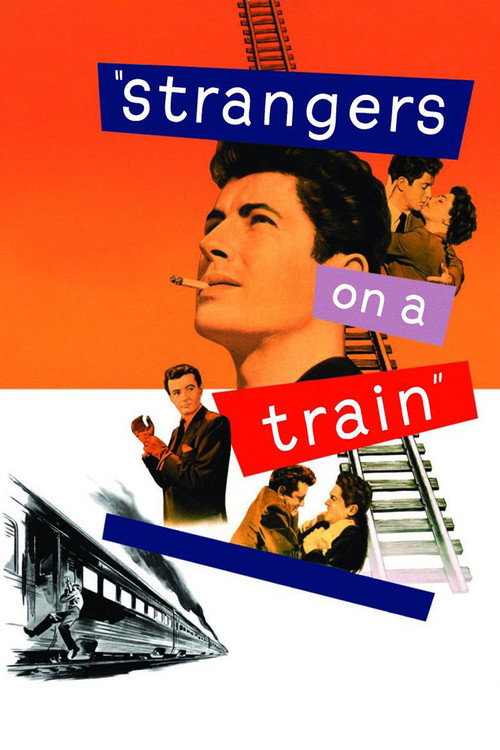
Strangers on a Train1951
Two men, a chance meeting, a terrible bargain. Morally bleak and perfectly plotted, with one of Hitchcock's great villains—charming, poisonous, utterly convinced of his own logic. The final act is machinery at its finest.
But The protagonist can feel passive and whiny, which is intentional but frustrating. Some scenes play as unintentionally campy now. The climax strains credibility even by Hitchcock's standards.
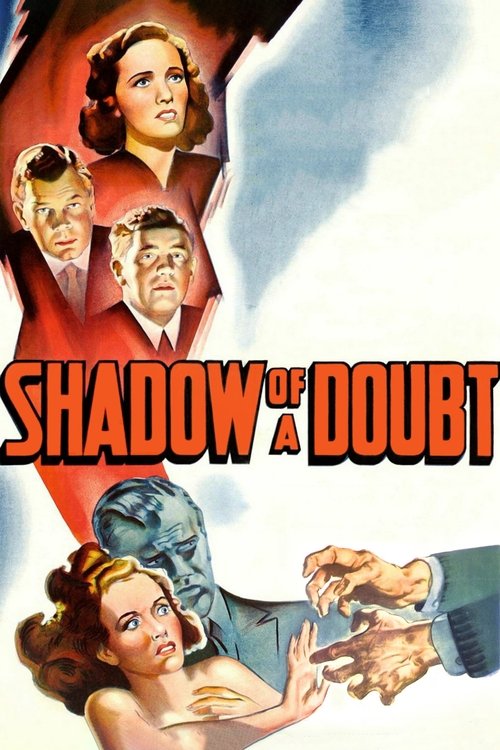
Shadow of a Doubt1943
Hitchcock's American small town—wholesome, ordinary, hiding something rotten underneath. It's his most character-driven thriller, and the idea that evil wears a smile and lives next door is genuinely unsettling.
But The early going is slow and domestic. If you're looking for set pieces and action, this is introspection and dread. The final twenty minutes rush after a long setup.
The Lodger: A Story of the London Fog1927
Hitchcock's silent feature debut, and it announced him immediately. A stranger rents a room in a house while a serial killer prowls the city. Expressionist, tense, visually inventive in ways that still hold up.
But It's silent, which alone won't work for everyone. The pacing is leisurely by modern standards. Some intertitles are clunky exposition.

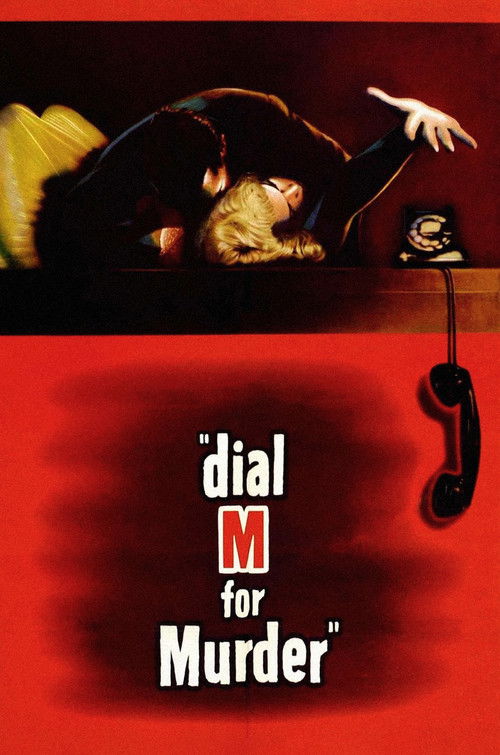
Dial M for Murder1954
A locked-room puzzle: a man hires a killer to murder his wife, but the plan goes wrong. Tchaikovsky-tight plotting and one of Hitchcock's most ingenious narrative reversals. It's about the mechanics of murder-by-proxy.
But It's stagey and visually static—Hitchcock directing a play, not a film. If you need movement and scope, this feels cramped. The courtroom section drags.
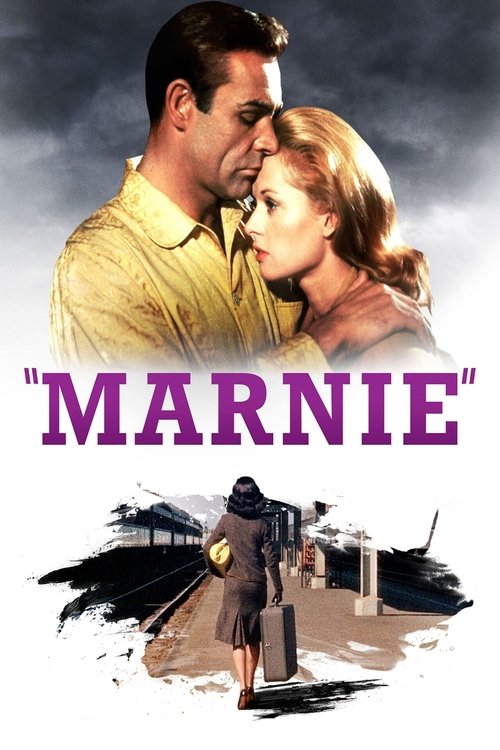
Marnie1964
Tippi Hedren as a compulsive liar and thief, Hitchcock diving into psychology and trauma. It's weird and uncomfortable, more interested in damage than in plot. Visually audacious, morally slippery.
But The obvious rear-projection backgrounds are distracting. The plot hinges on psychological ideas that feel reductive now. The relationship between Marnie and Mark is deeply uneasy, which may be the point but won't work for everyone.
The Third Man1949
Both are about a man hunted through a city, convinced of another's guilt while the police believe he's the criminal. Both use urban geography as a trap. Both pit individual morality against official justice.
A man arrives in post-war Vienna to find his old friend dead, then discovers he might not be dead at all. Orson Welles in fifteen minutes of pure charisma, a zither score that shouldn't work but does, architecture as character. Morally murky, perfectly shot.
But The American protagonist is bland by design, which makes him hard to care about. The plot creaks a bit once you think about it. The Austrian accents in the dialogue are thick and sometimes hard to parse.

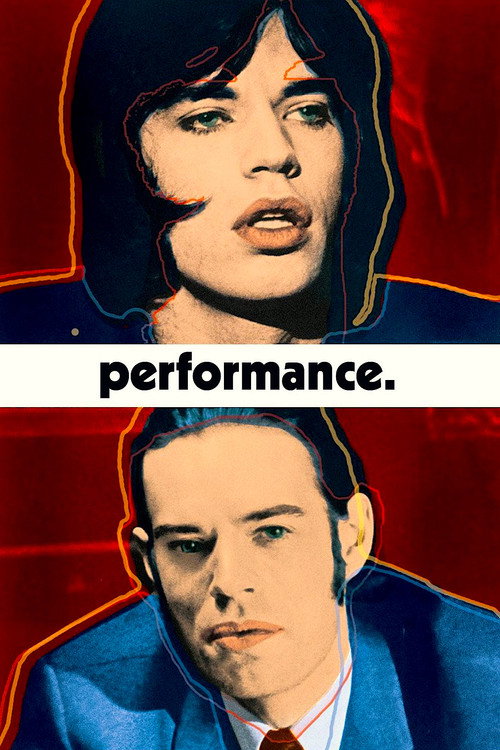
Performance.1970
Both films are about a man's identity unraveling under pressure, about masculinity as performance, about being trapped with someone charming and dangerous. Both use the space they're set in as a psychological cage. Both are ambiguous about whether escape is possible.
A gangster on the run hides in the home of a retired rock star. It's a wild, ambiguous, drugged-out meditation on identity and performance—less thriller than hallucinatory fever. Mick Jagger, James Fox, and Nicolas Roeg's unsettling vision of power and masculinity collapsing.
But It's deeply weird and deliberately obscure. The narrative is fractured and the ending is opaque. If you want plot clarity or likeable characters, this isn't it. Some find it pretentious and self-indulgent.
People
Cast
 Jon FinchRichard Ian "Dick" Blaney
 Barry FosterRobert "Bob" Rusk
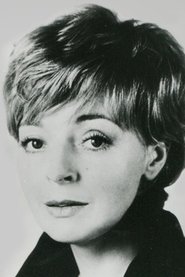 Barbara Leigh-HuntBrenda Margaret Blaney
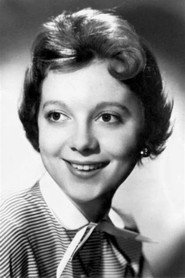 Anna MasseyBarbara Jane "Babs" Milligan
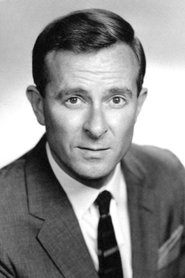 Alec McCowenDCI Tim Oxford
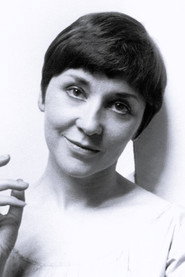 Vivien MerchantMrs Oxford
 Billie WhitelawHetty Porter
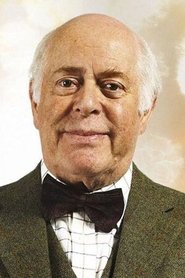 Clive SwiftJohnny Porter
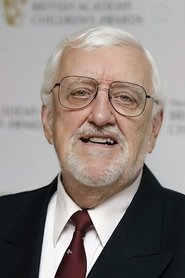 Bernard CribbinsFelix Forsythe
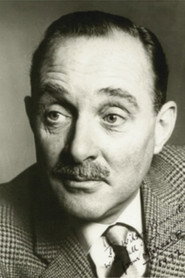 Michael BatesDS Spearman
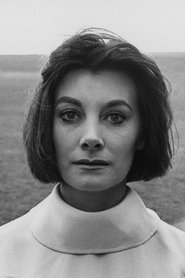 Jean MarshMonica Barling
- John BoxerSir George
Directing
- Colin M. BrewerAssistant Director
- Angela MartelliContinuity
- Alfred HitchcockDirector
- Ben HarrisonSecond Assistant Director
- Drummond RiddellSecond Assistant Director
- Howard GrigsbyThird Assistant Director
Writing
- Arthur La BernNovel
- Anthony ShafferScreenplay
Production
- William HillAssociate Producer
- Sally NichollCasting
- Ian GoddardLocation Manager
- Alfred HitchcockProducer
- Brian BurgessProduction Manager
- Beryl HarveyProduction Secretary
- Dan SlaterPublicist
Recommended by
The Wrong Man, The Hostage Tower, Shattered, A Fine Madness, The Killer Wore Gloves, Straight On Till Morning, The Gold Robbers